NEWS
Building a Sustainable Future in Baguio City: University of Baguio joins SDG Inception Workshop
“commitment to serving as a catalyst for sustainable and inclusive development within Baguio City”
- Sittie Al-meerah P. Darimbang
- November 28, 2025
- 2:24 am
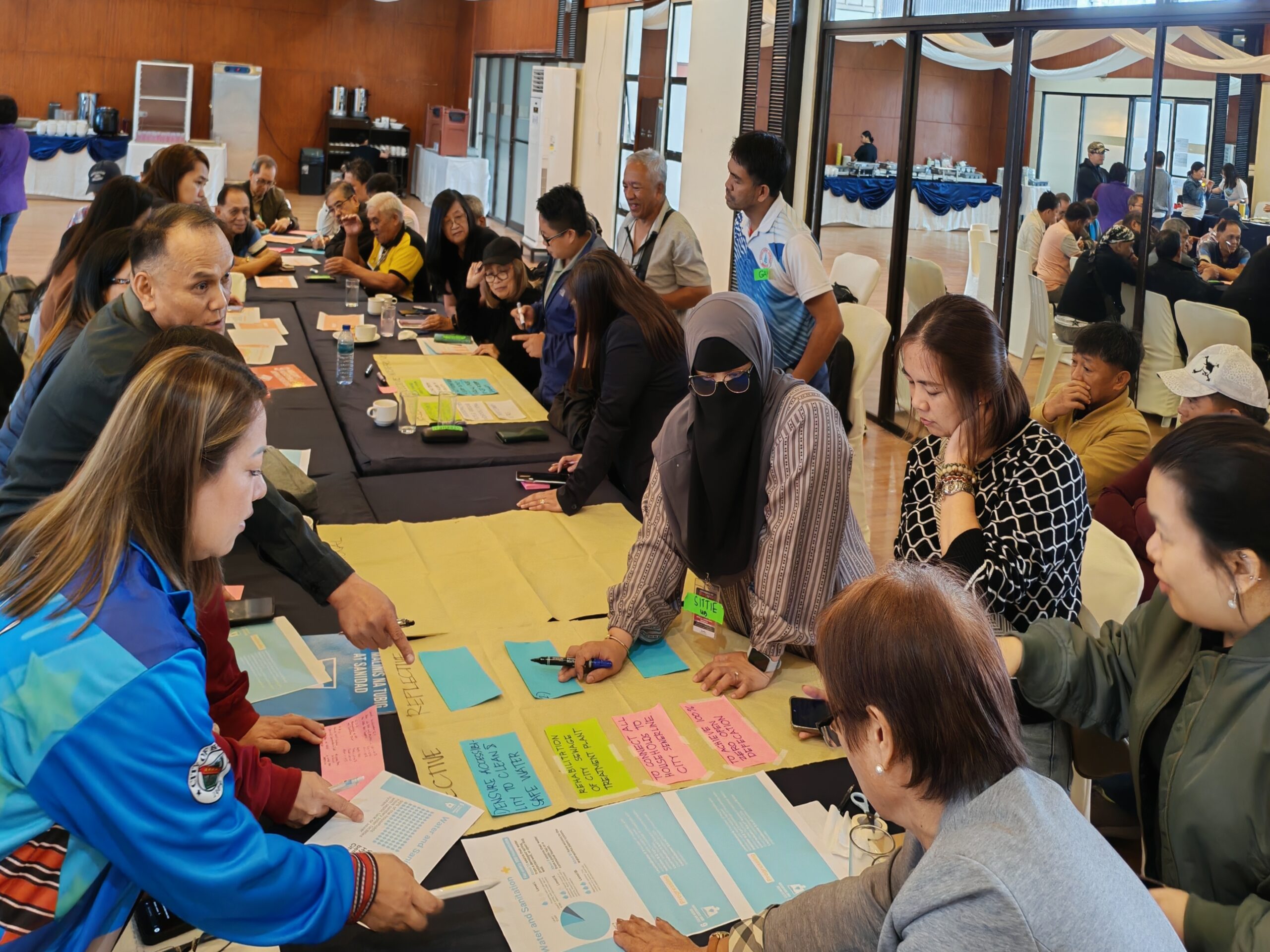

The University of Baguio continued it institutional commitment to serving as a catalyst for sustainable and inclusive development within Baguio City by joining the Inception Workshop organized by the City Government of Baguio in partnership with UNDP Philippines on November 26–27, 2025, at the Venus Park View Hotel. This strategic initiative is designed to co-design and identify potential Sustainable Development Goal (SDG) initiatives aligned with the city’s development priorities after the completion of the City’s first Voluntary Local Review.
The two-day workshop convened multi-stakeholder participants from the academe, national government offices, local government units, and civil society organizations to accomplish key objectives including the co-creation of local action plans for SDG implementation, the development of innovative financing strategies through public expenditure analysis, and the establishment of SDG monitoring and tracking mechanisms.
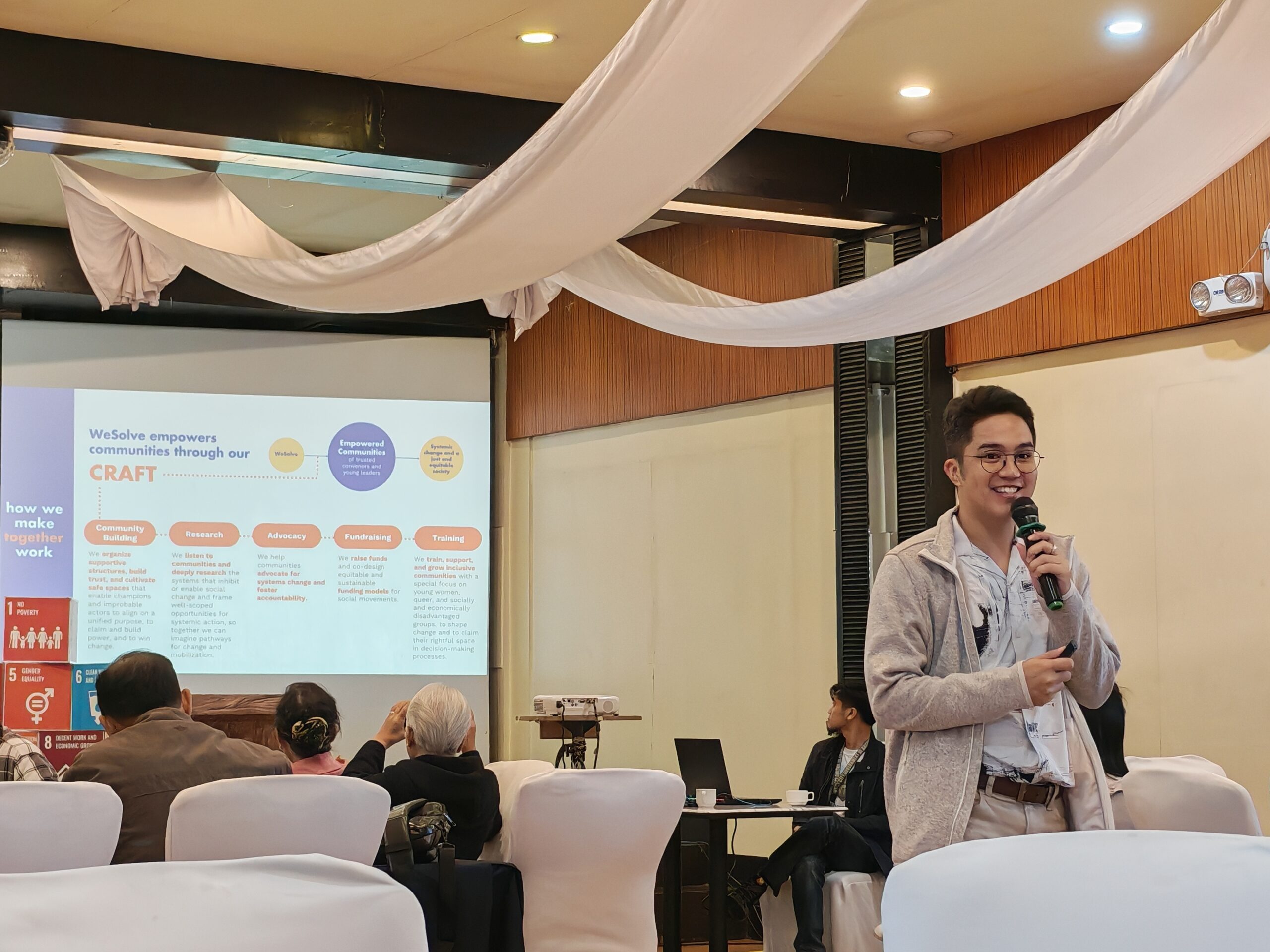
The University of Baguio was represented by Ms. Sittie Al-meerah P. Darimbang of the Research, Innovation, Extension and Community Outreach (RIECO) Office who actively participated in the workshop sessions focusing on SDG 6 (Clean Water and Sanitation) – one of the SDG priority goals for Baguio City. Along with Ms. Darimbang in the SDG 6 cluster was Engr. Basilio Munar Jr. of the Baguio Water District office and barangay officials from Barangay Kabayanihan and Barangay Dagsian. Among the critical challenges identified by the group during the workshop was the persistent insufficiency of water supply across the city, a barrier that directly affects public health, economic productivity, and quality of life for residents. To address this, the participants identified possible solutions to address water supply problem such as exploration of other water resources, rain water harvesting, and formulation of water recycling policy. Engr. Munar Jr. emphasized that these solutions are practical and will ensure sustainable water access to the residents of Baguio in the succeeding years.
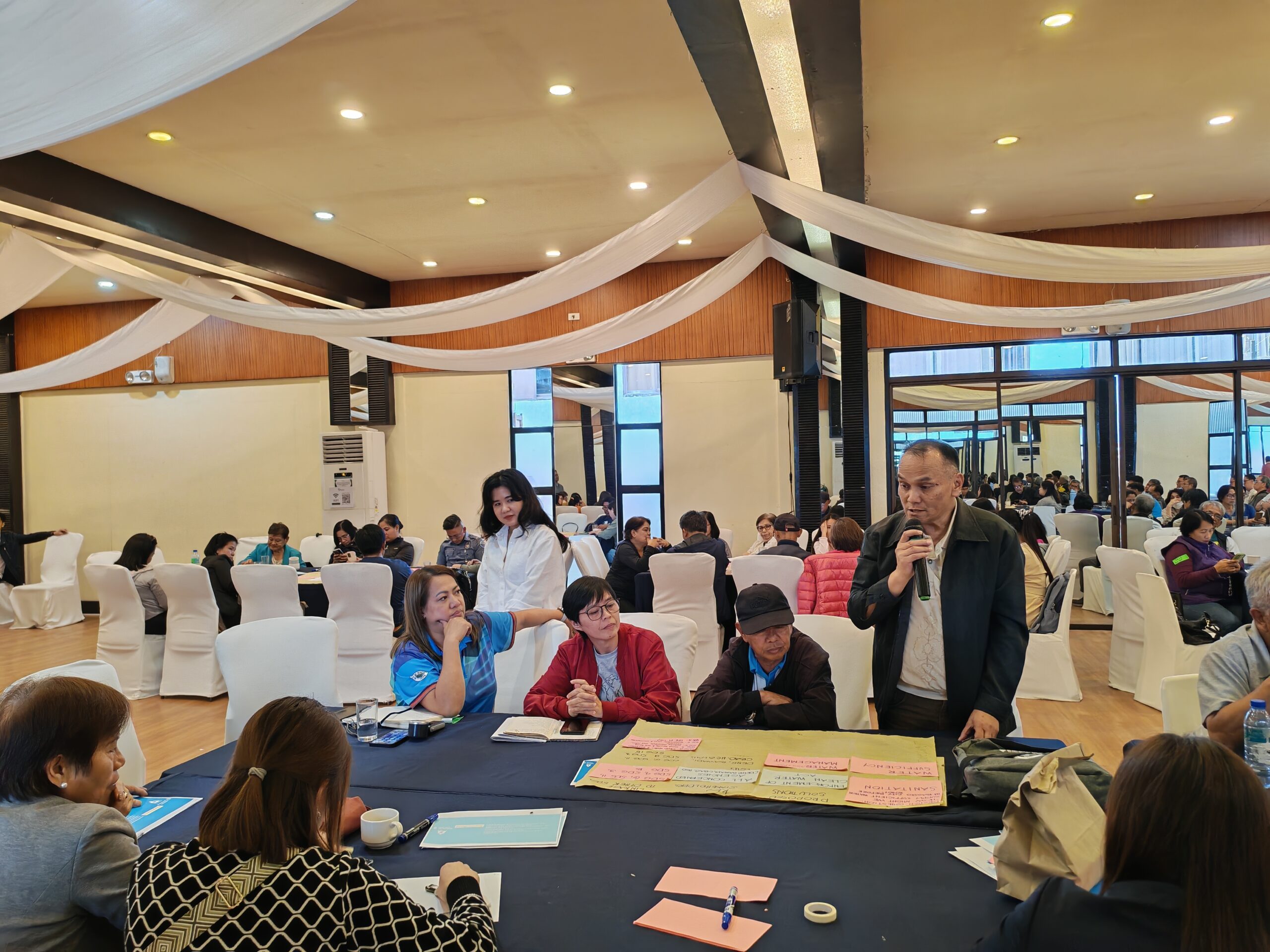
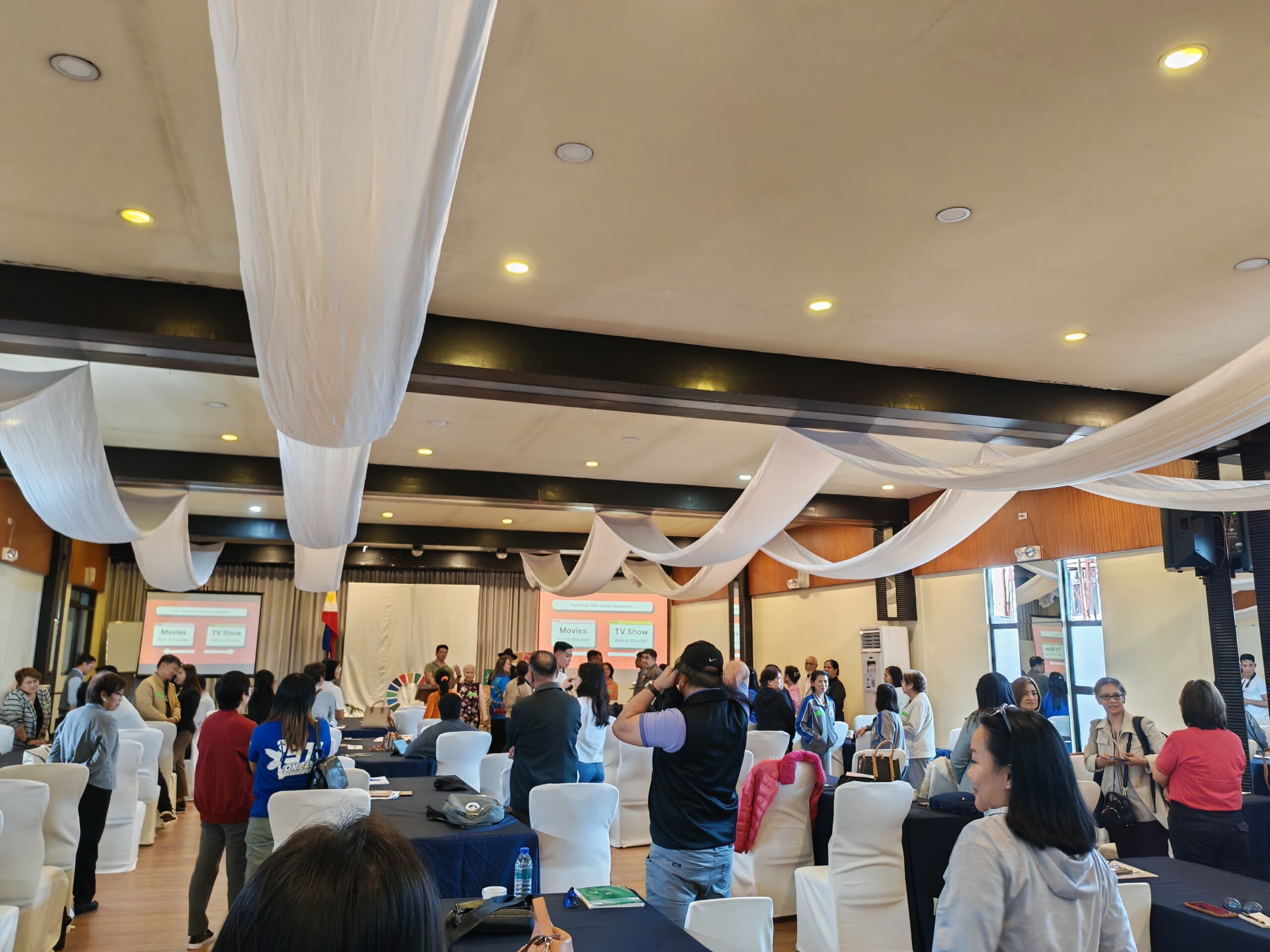
By actively participating in multi-stakeholder action planning sessions, the University of Baguio showcased its commitment to evidence-based and participatory approaches in tackling complex urban development challenges. As Baguio City moves from SDG planning to implementation, the continued engagement of academic institutions like UB, alongside government agencies and civil society organizations, will be essential in addressing critical issues such as water scarcity, while also advancing complementary goals in health, education, economic opportunity, and climate resilience.