NEWS
Building Bridges: University of Baguio’s Community Visit in Barangay Naguey and Barangay Pasdong, Atok, Benguet
“Collaborative action and thoughtful resource sharing can create lasting benefits for communities and contribute meaningfully to national and global development goals.”
- Michelle Ann P. Chomayag
- February 2, 2026
- 3:46 pm
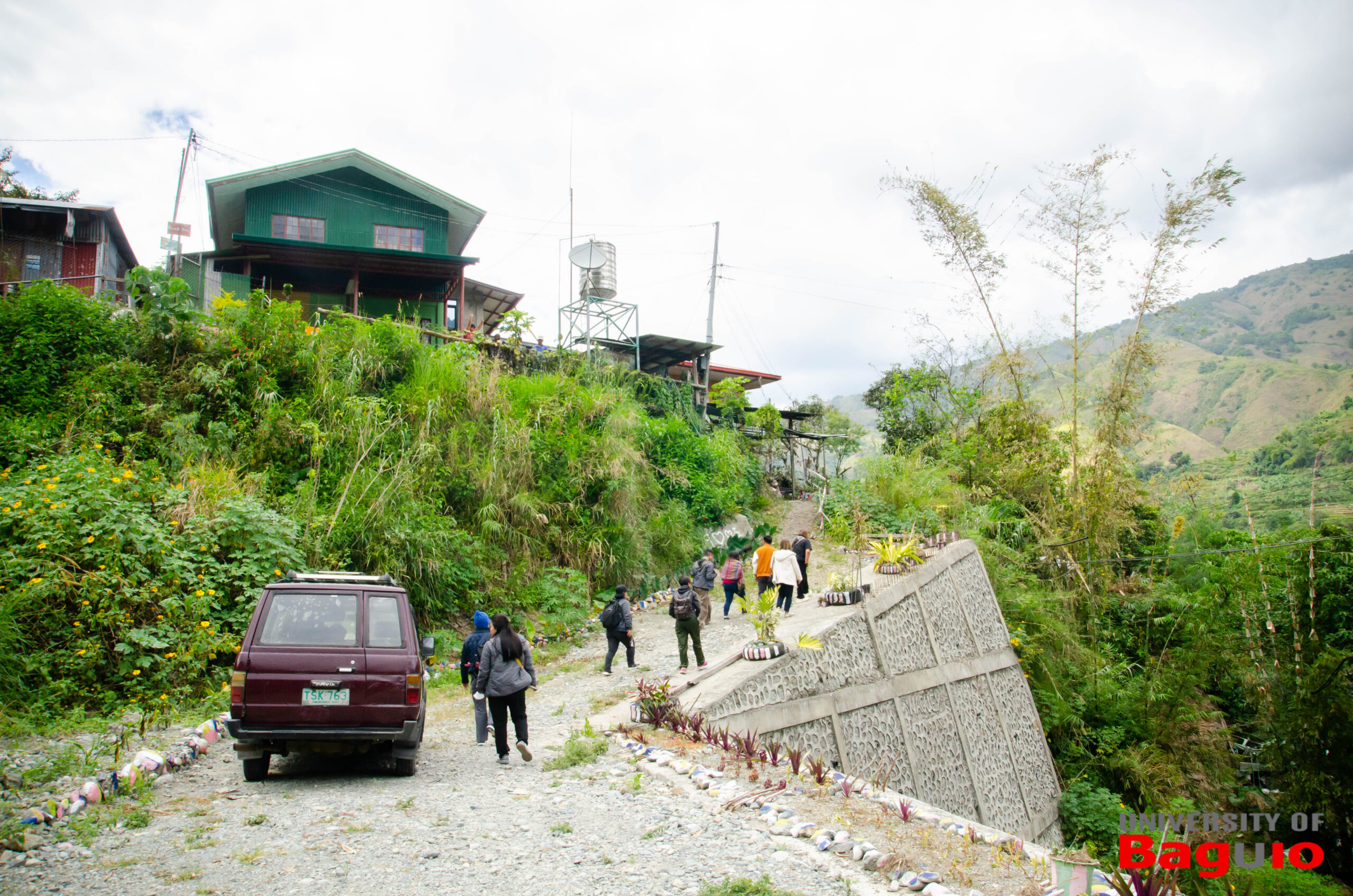
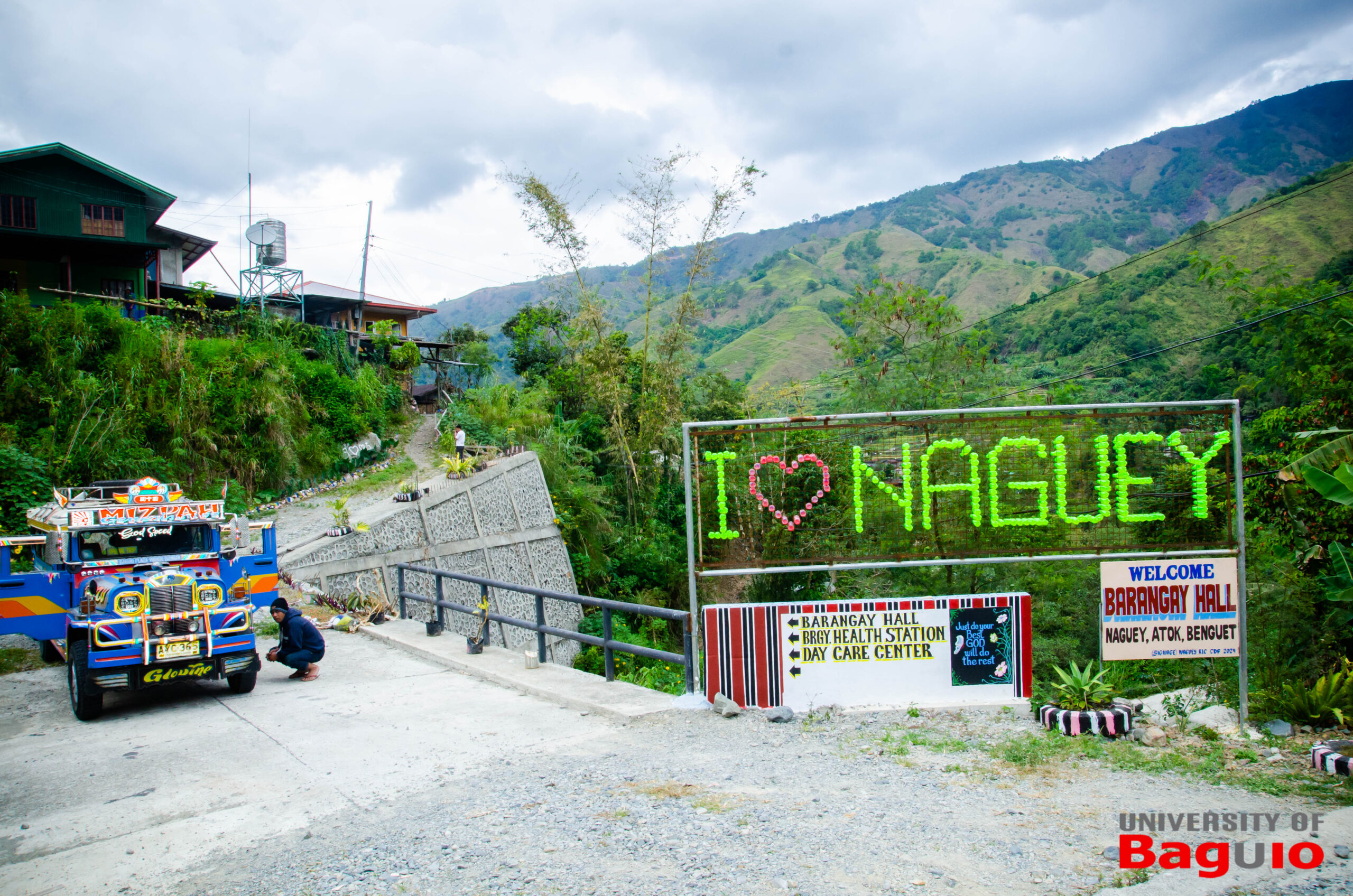
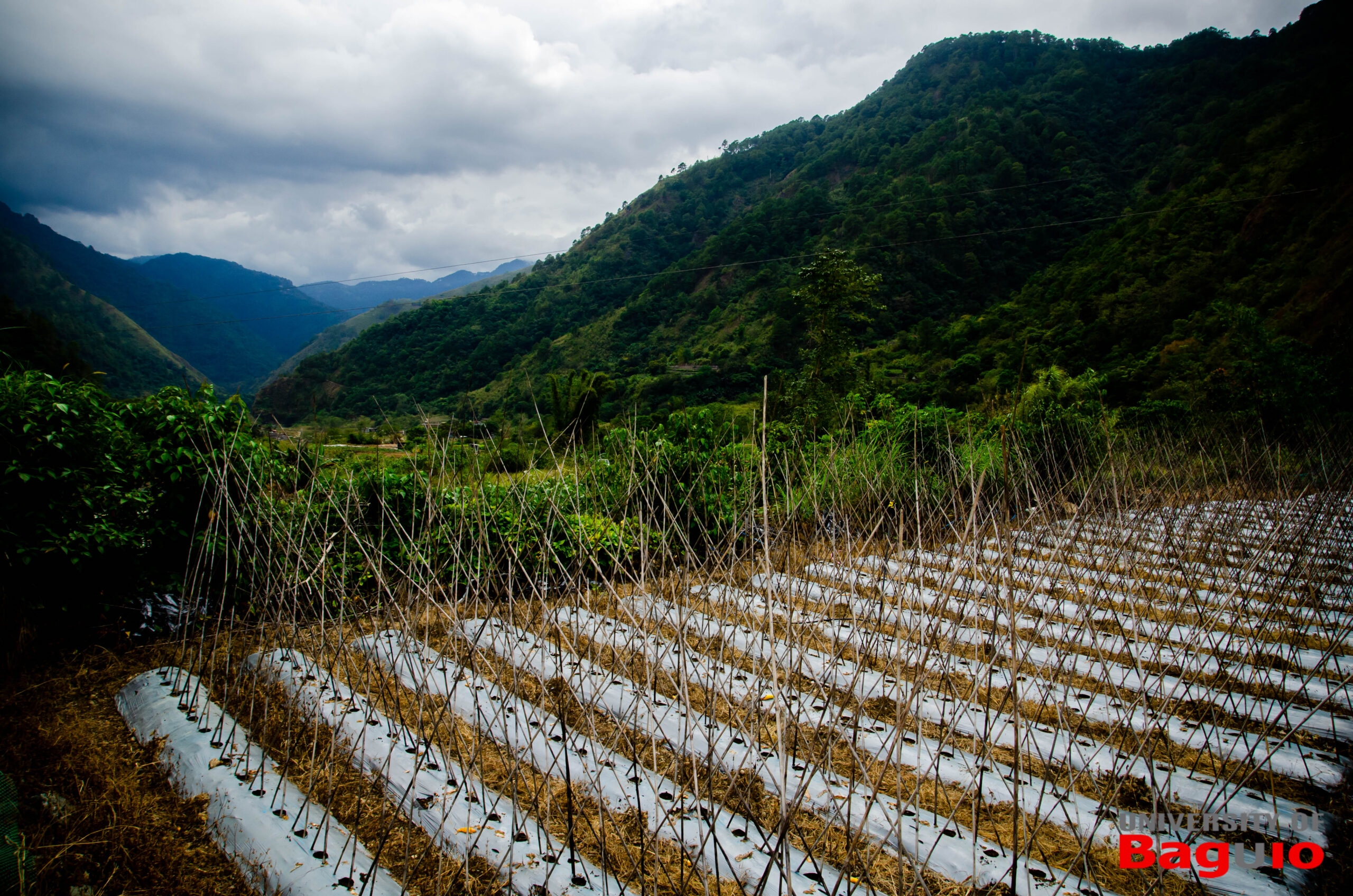
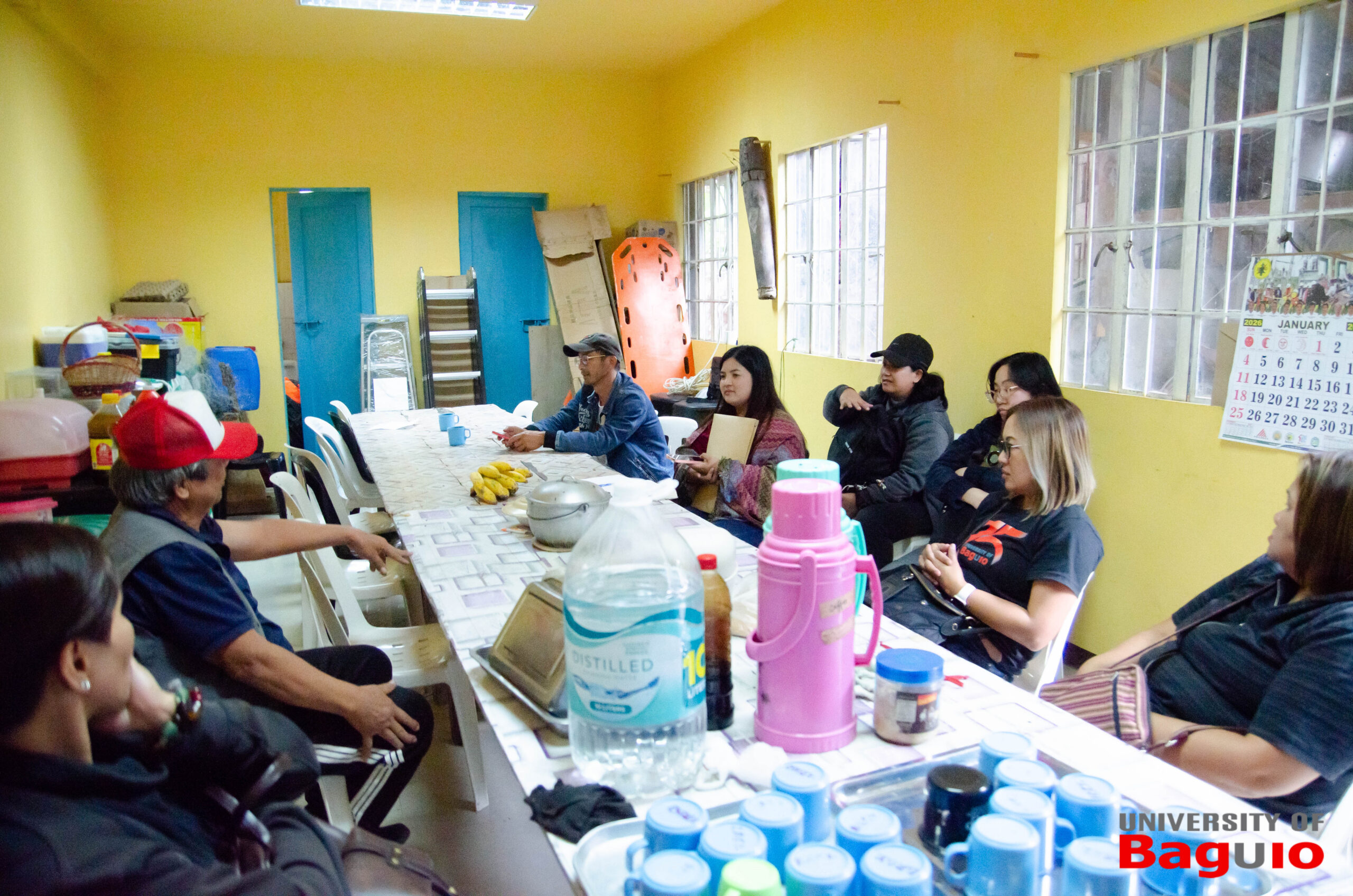
On January 30, 2026, the University of Baguio, visited Barangay Naguey and Barangay Pasdong Atok, Benguet to strengthen ties with the local communities. The activity was led by UB’s Research and Extension Staff, Mr. Oliver Richard Celi, Mr. Mark Rommel Supsupin, Mr. Joemarie Ituriaga, and Ms. Michelle Ann Chomayag, alongside the Community Extension and Outreach Coordinators from different schools of the university. These included Ms. Junamil Zamora from the School of Information Technology, Ms. Dixie Lidawan from the School of International Hospitality and Tourism Management, Ms. Cora Dogui-is from the School of Criminal Justice and Public Safety, Ms. Fawn Maday-a from the School of Nursing accompanied by Dr. Helen Alalag, Dean of the School of Nursing, and Ms. Hannah Christanelle Palmero from the School of Engineering and Architecture.
The purpose of the visit was to introduce the University of Baguio and its programs to the residents of Atok, fostering rapport and trust between the university and the community. This initiative also served as a preparatory step for a Needs Assessment to be conducted in the barangays, which will identify the specific challenges, priorities, and aspirations of the residents. The results will guide the formulation of a Community Development Plan designed to empower the people of Naguey and Pasdong and strengthen their resilience.
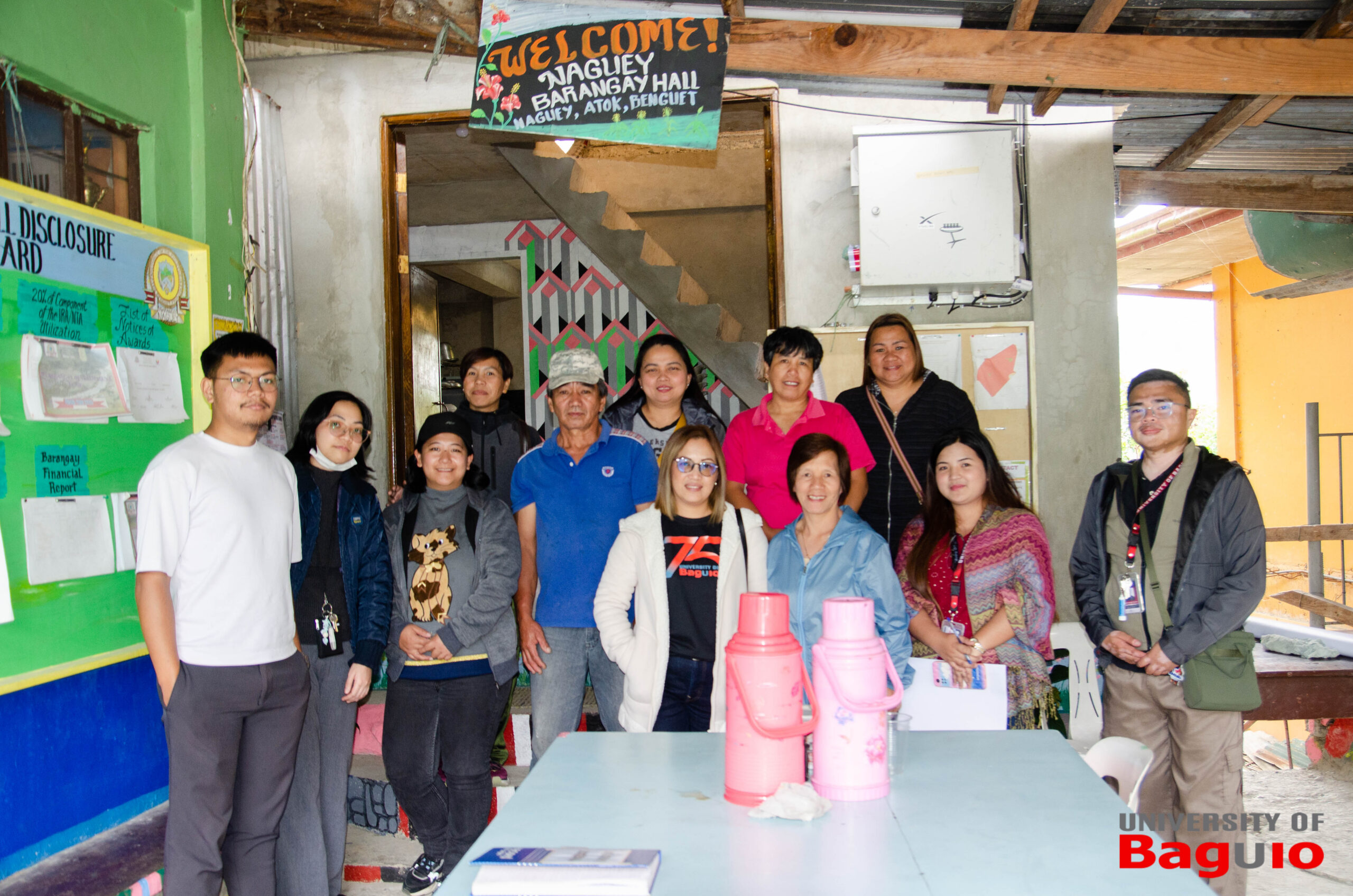
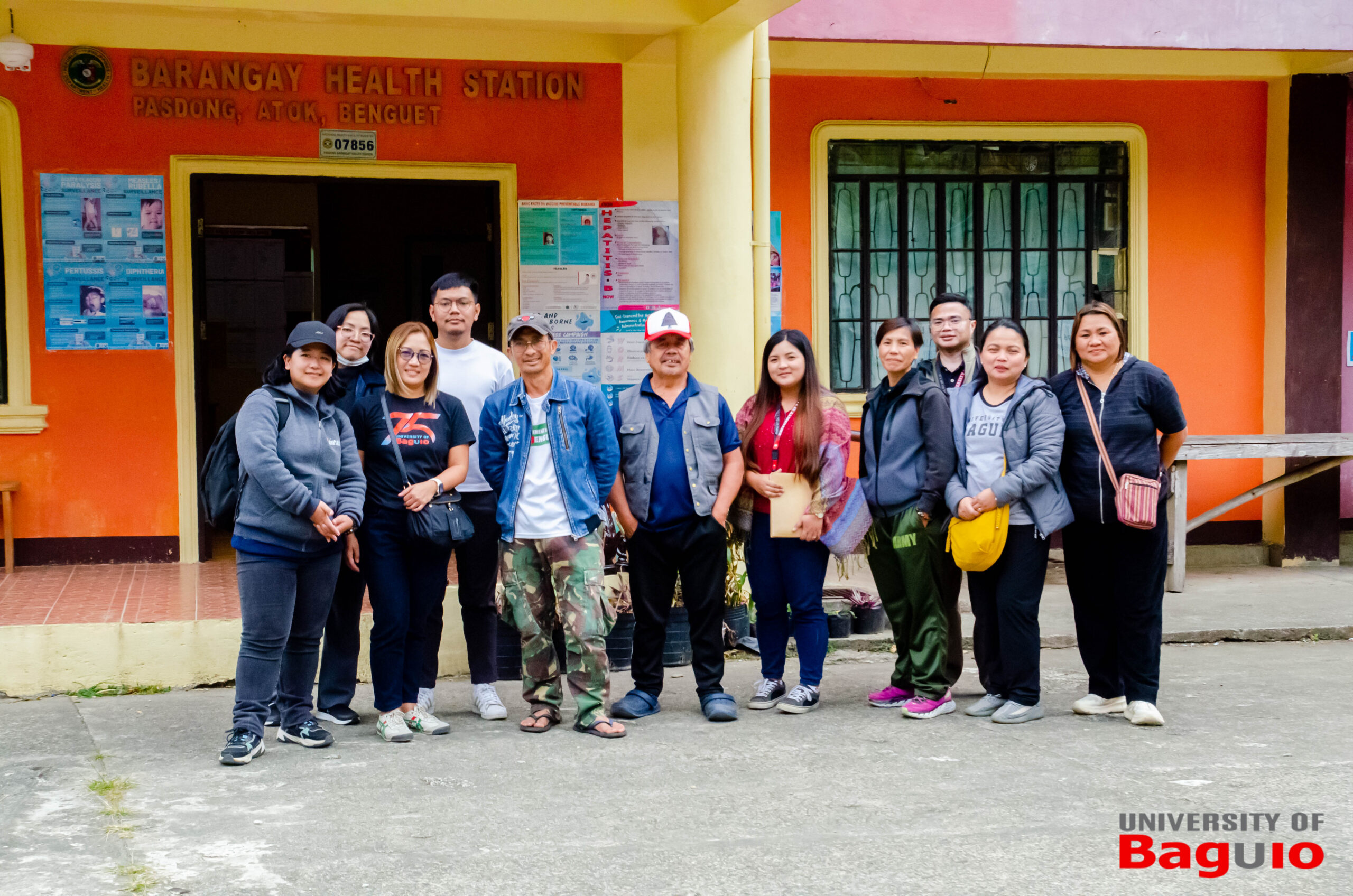
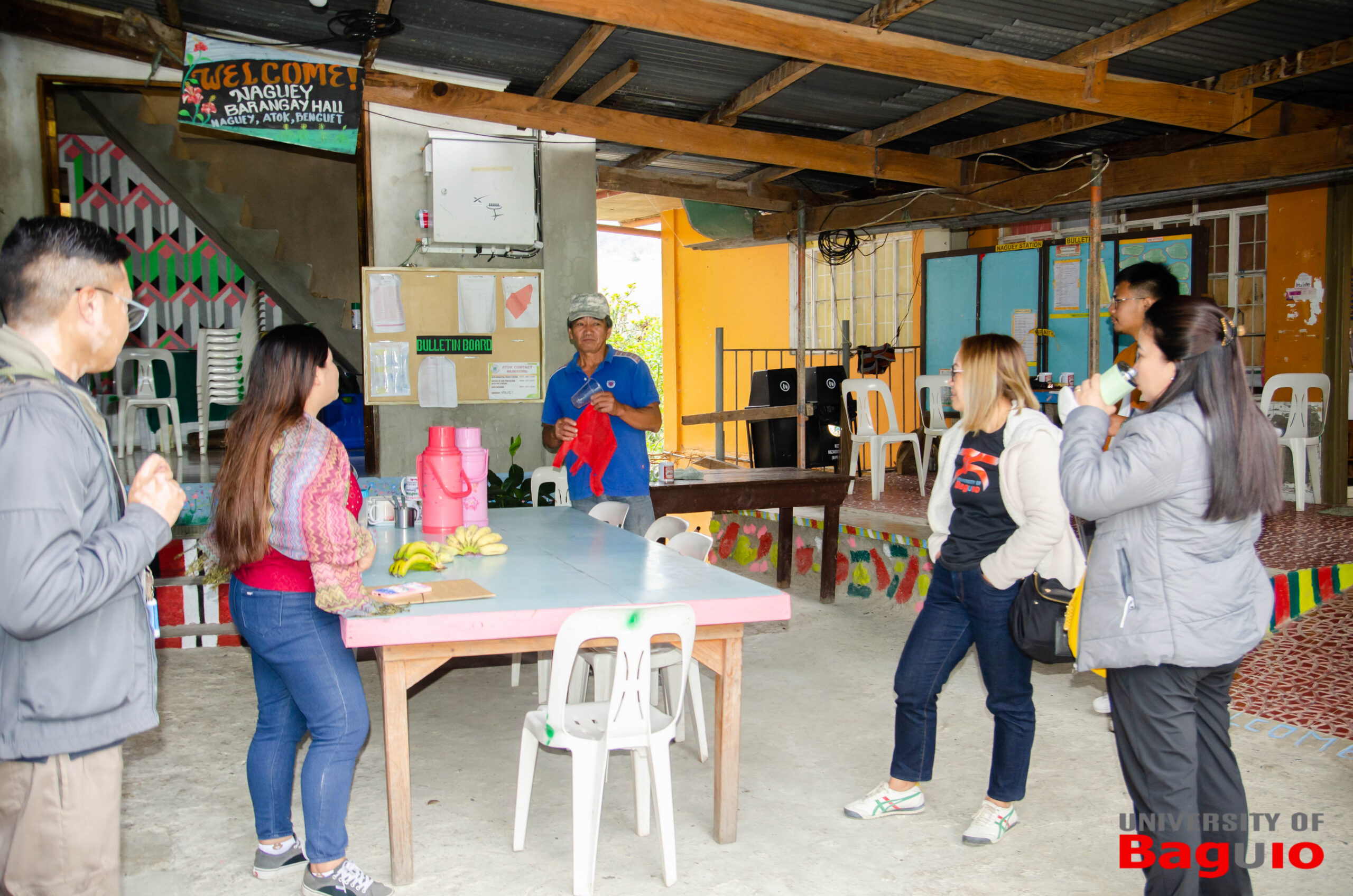
During the visit, the UB team engaged in meaningful conversations with the Barangay Kagawads present. These exchanges provided valuable background and insights about the two communities, helping the team understand their context, challenges, and opportunities. This dialogue gave UB a clearer idea of how it can extend its reach and support despite the geographical distance from the city, ensuring that programs remain relevant and responsive to local realities.
By bringing together representatives from diverse academic fields, the university demonstrated its holistic approach to extension work, one that integrates technology, health, safety, hospitality, engineering, literacy, and livelihood development to address the complex needs of communities. The conversations with barangay officials underscored the importance of inclusivity and collaboration, ensuring that the community’s voice remains central in shaping future programs.
The impact of the visit was immediate and promising. It fostered stronger relationships between the university and the community, built trust and openness, and created a sense of shared responsibility for development. The Barangay Kagawads expressed appreciation for the university’s effort to reach them, while the UB team gained a deeper understanding of the community’s aspirations. This mutual exchange laid the foundation for sustainable initiatives such as literacy programs, livelihood projects, health services, and skills training that will empower residents to become more resilient and self-reliant.

“The January 30 visit was not just a visit—it marked the beginning of a shared journey of empowerment and resilience, where the academe joins hands with community spirit to create lasting change for the people of Atok, Benguet.”