NEWS

Building Partnerships for Stronger Community Engagement: MOA Signing between CUBE and Atok, Benguet

“collective commitment to advance inclusive, sustainable, and community-driven development across the Cordillera region”​

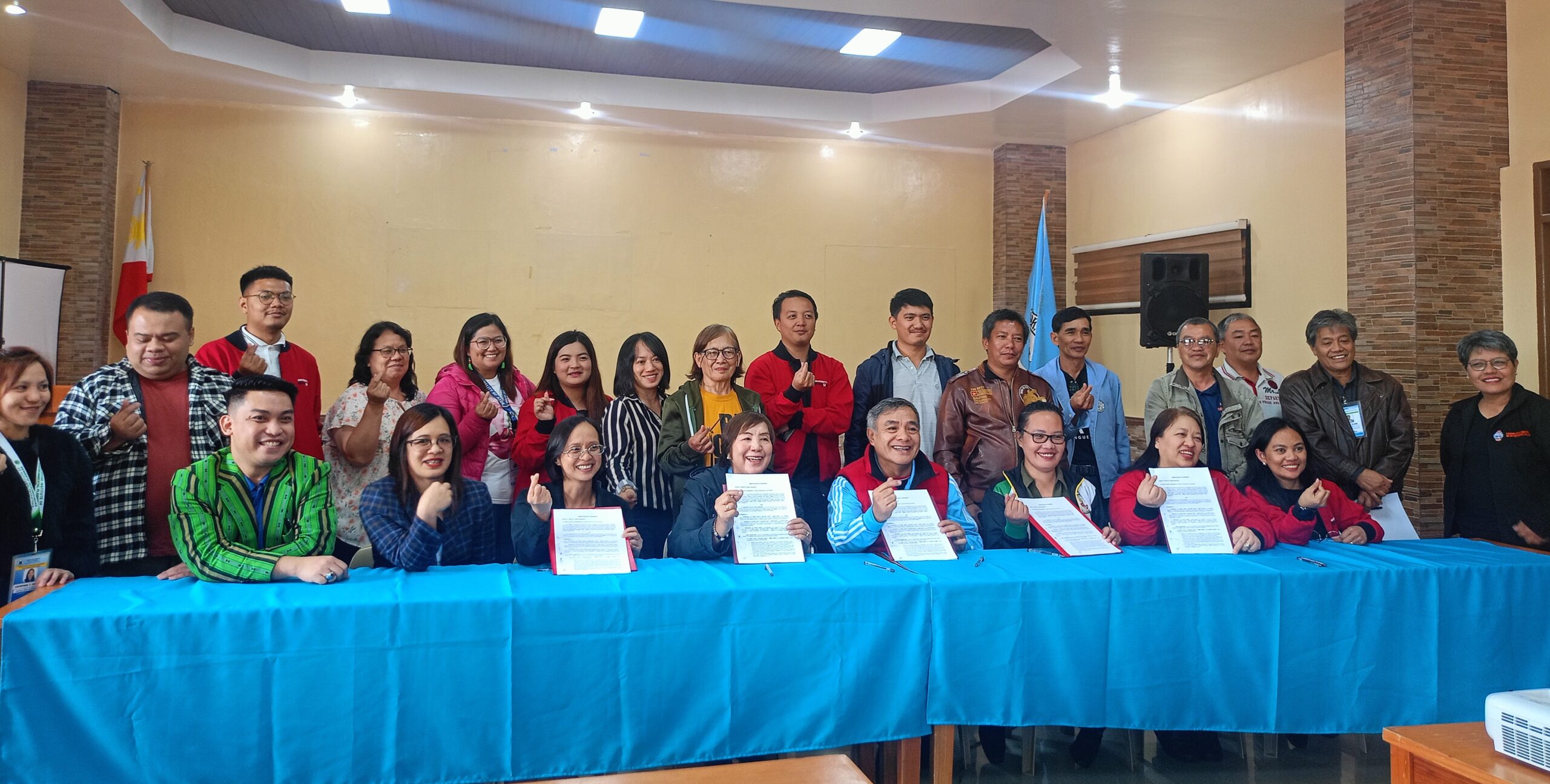
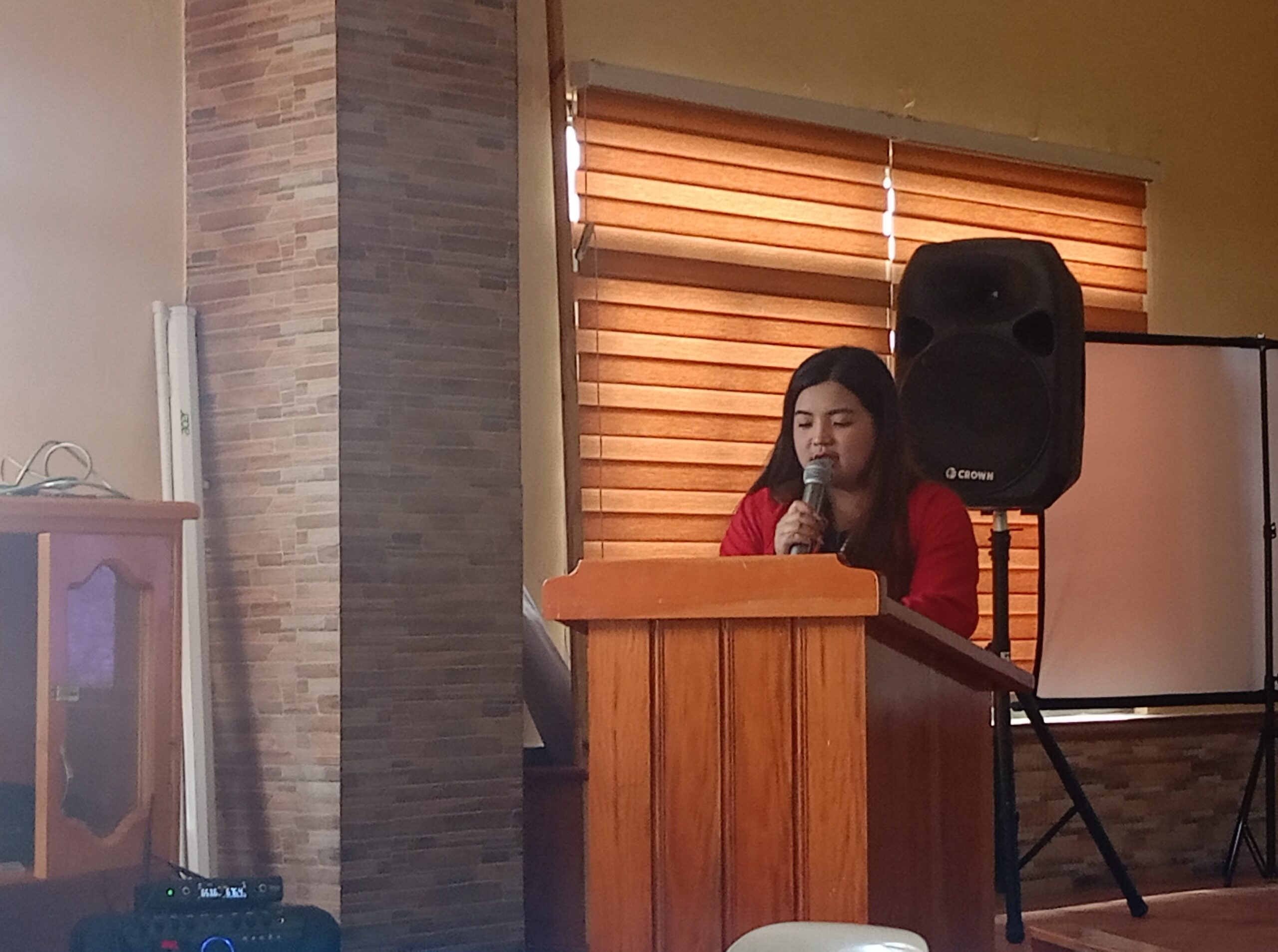
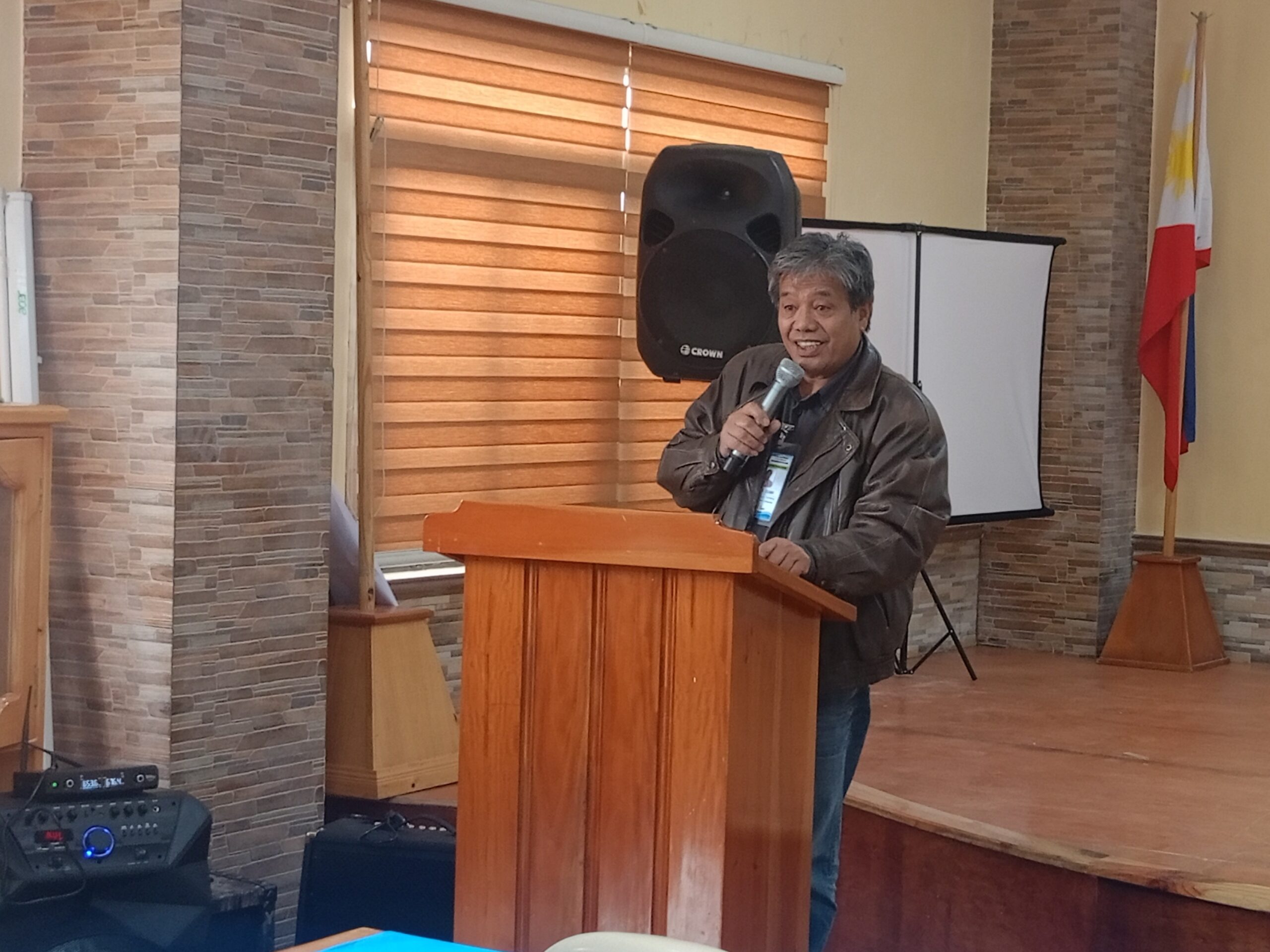
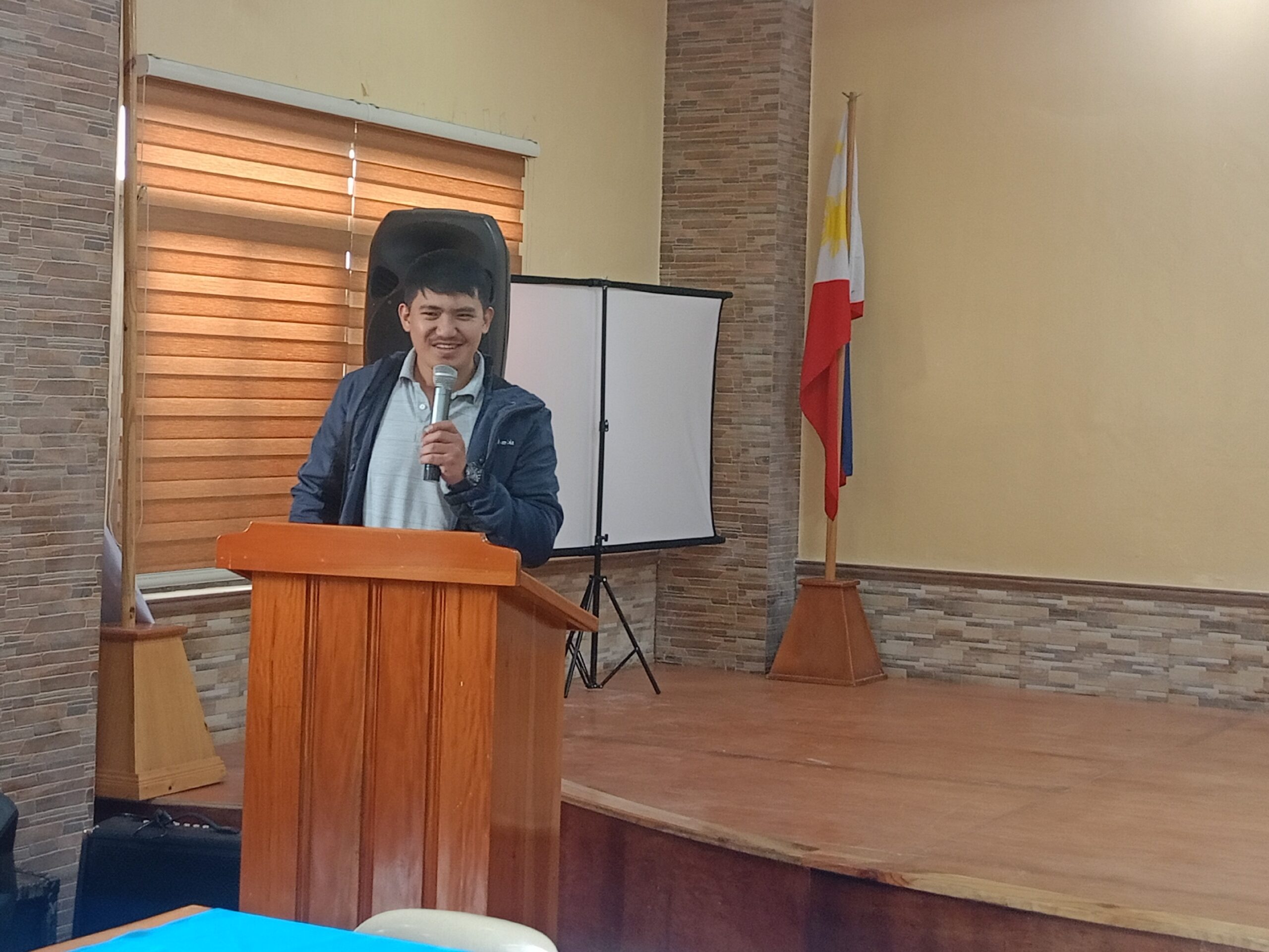
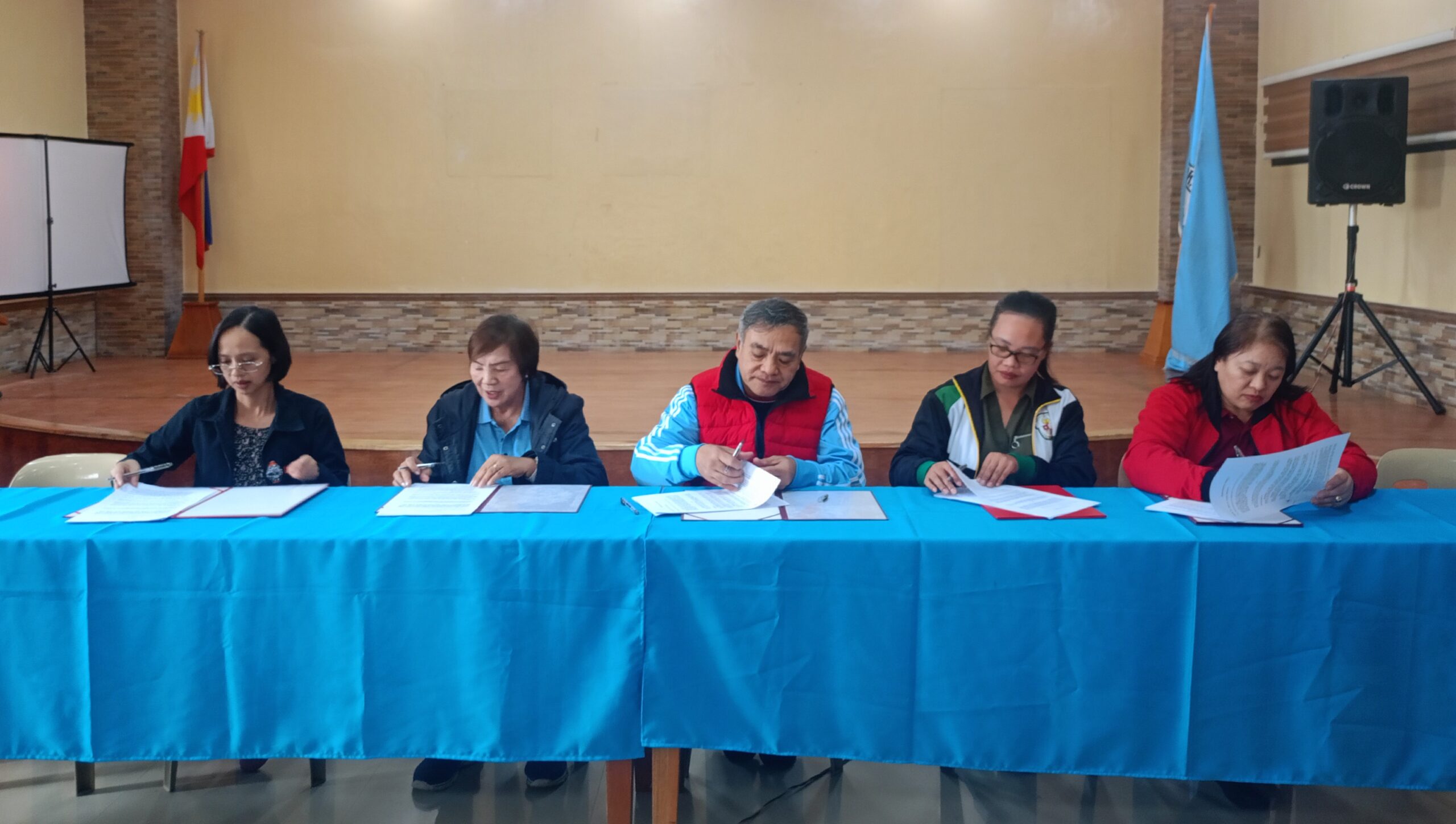
Atok, Benguet – September 12, 2025. The CUBE Partnership—comprising Cordillera Career Development College (CCDC), the University of Baguio (UB), Baguio Central University (BCU), and Easter College, Inc. (ECI)—formalized its collaboration with the Municipality of Atok through the signing of a three-year Memorandum of Agreement (MOA). This milestone event signaled a collective commitment to advance inclusive, sustainable, and community-driven development across the Cordillera region, in line with the United Nations Sustainable Development Goals (SDGs).
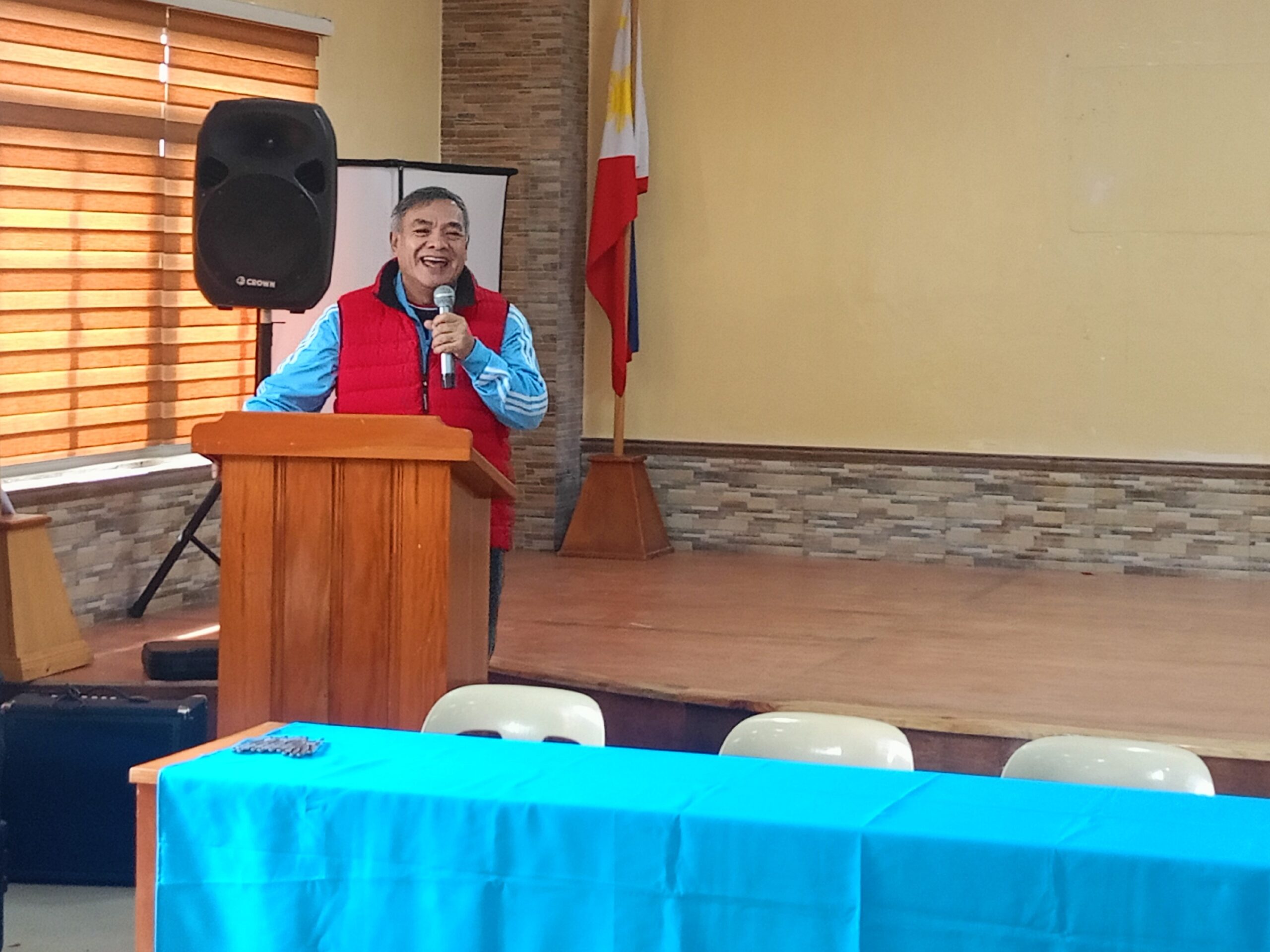
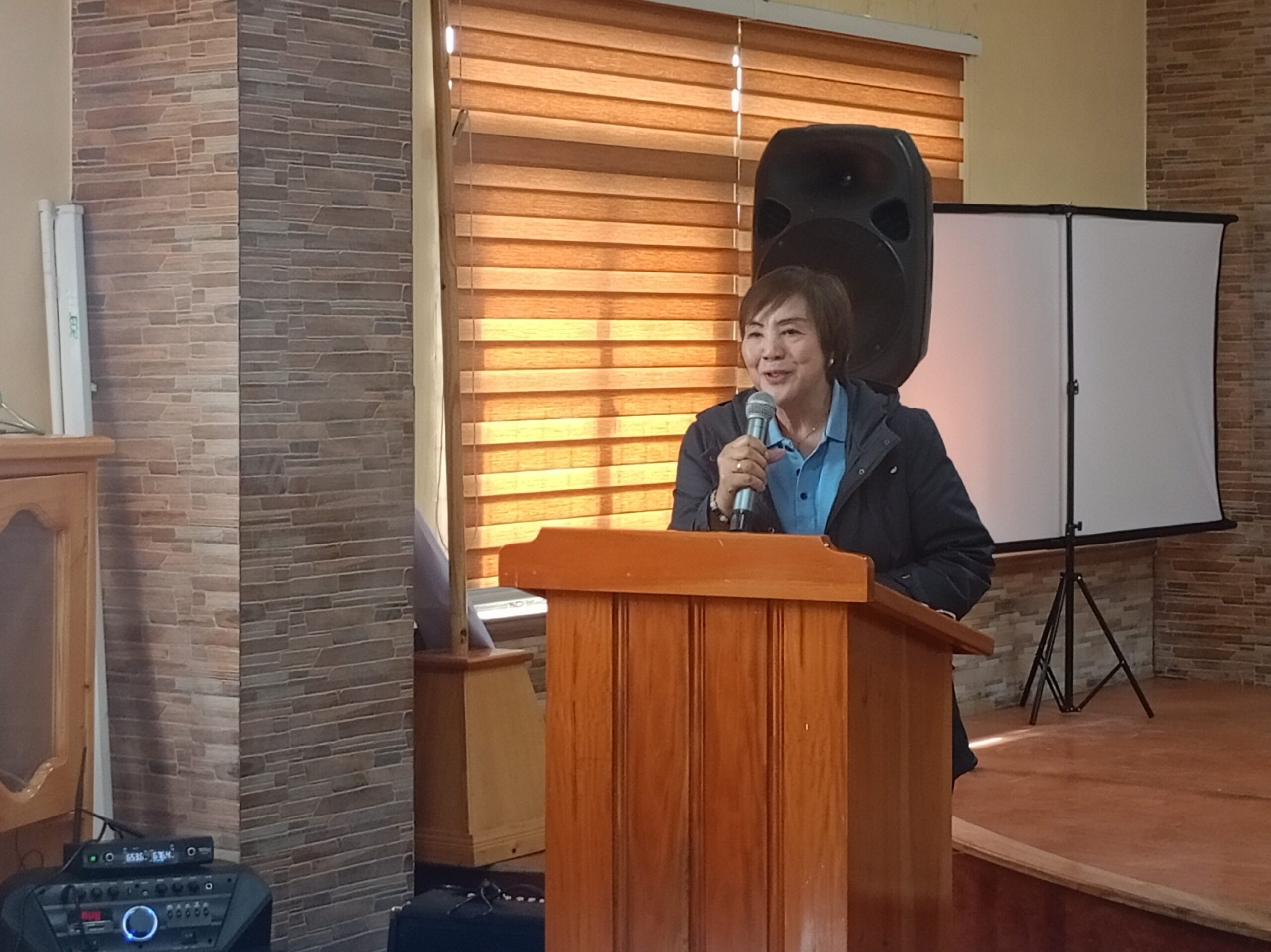
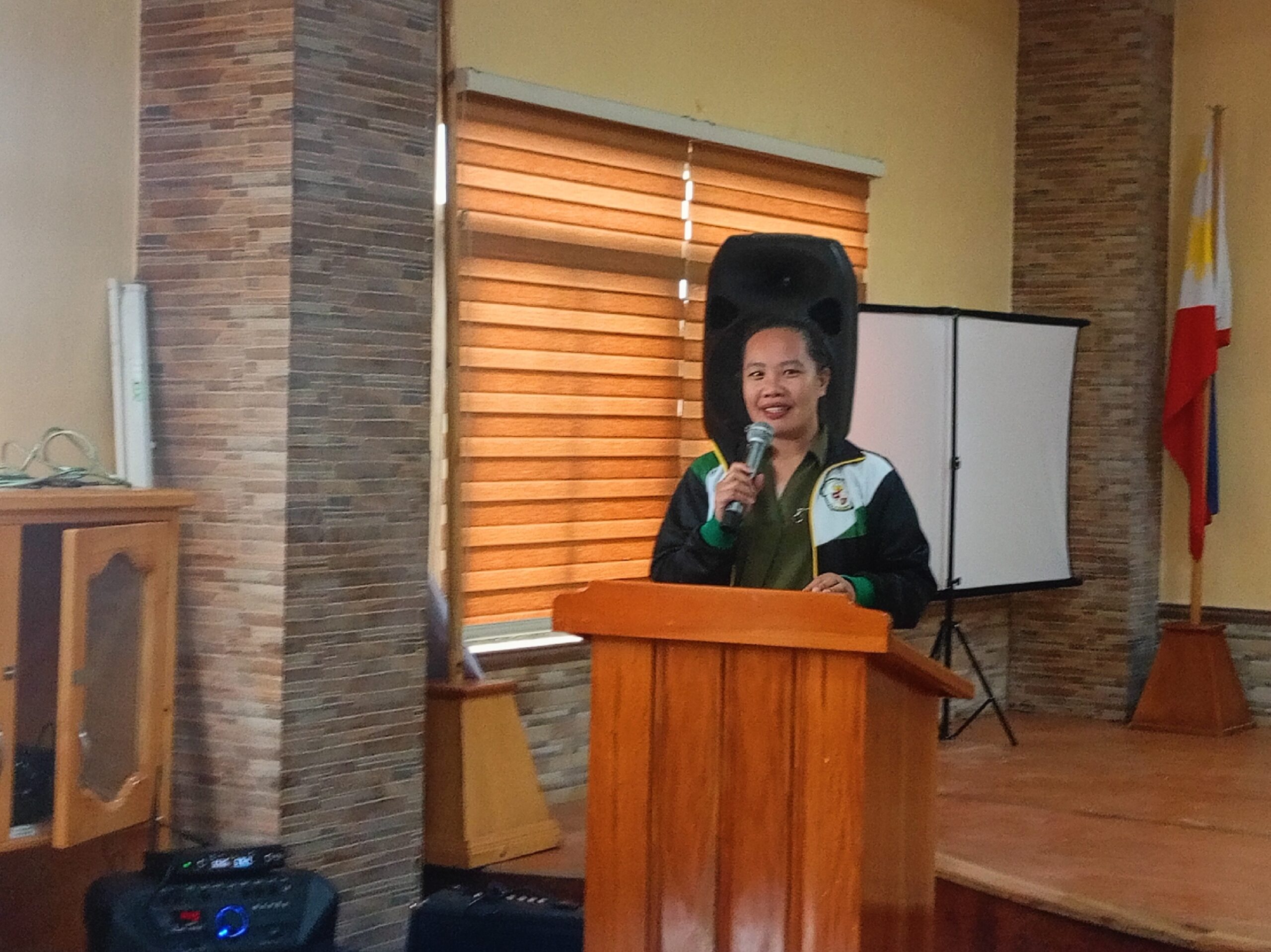
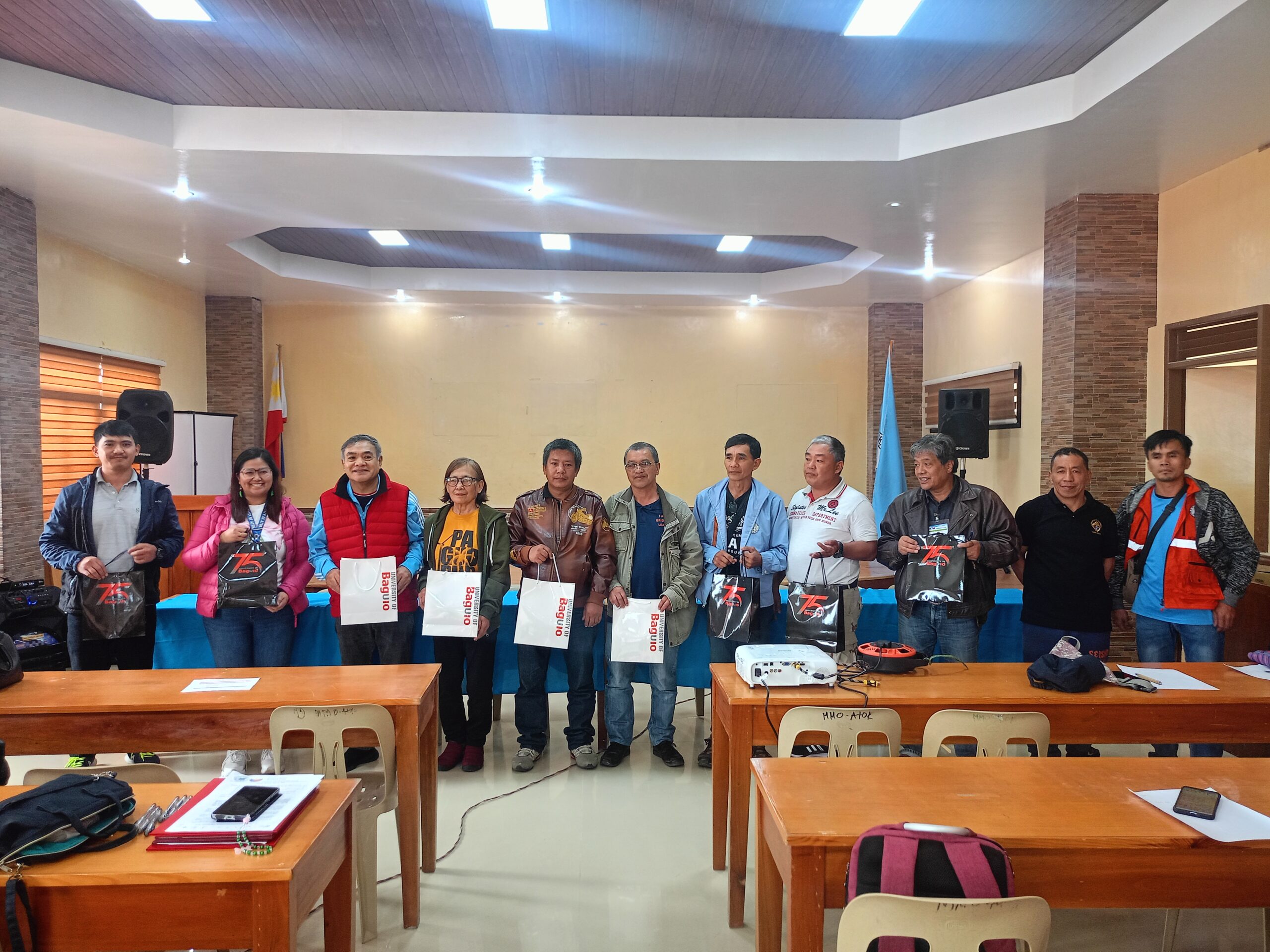
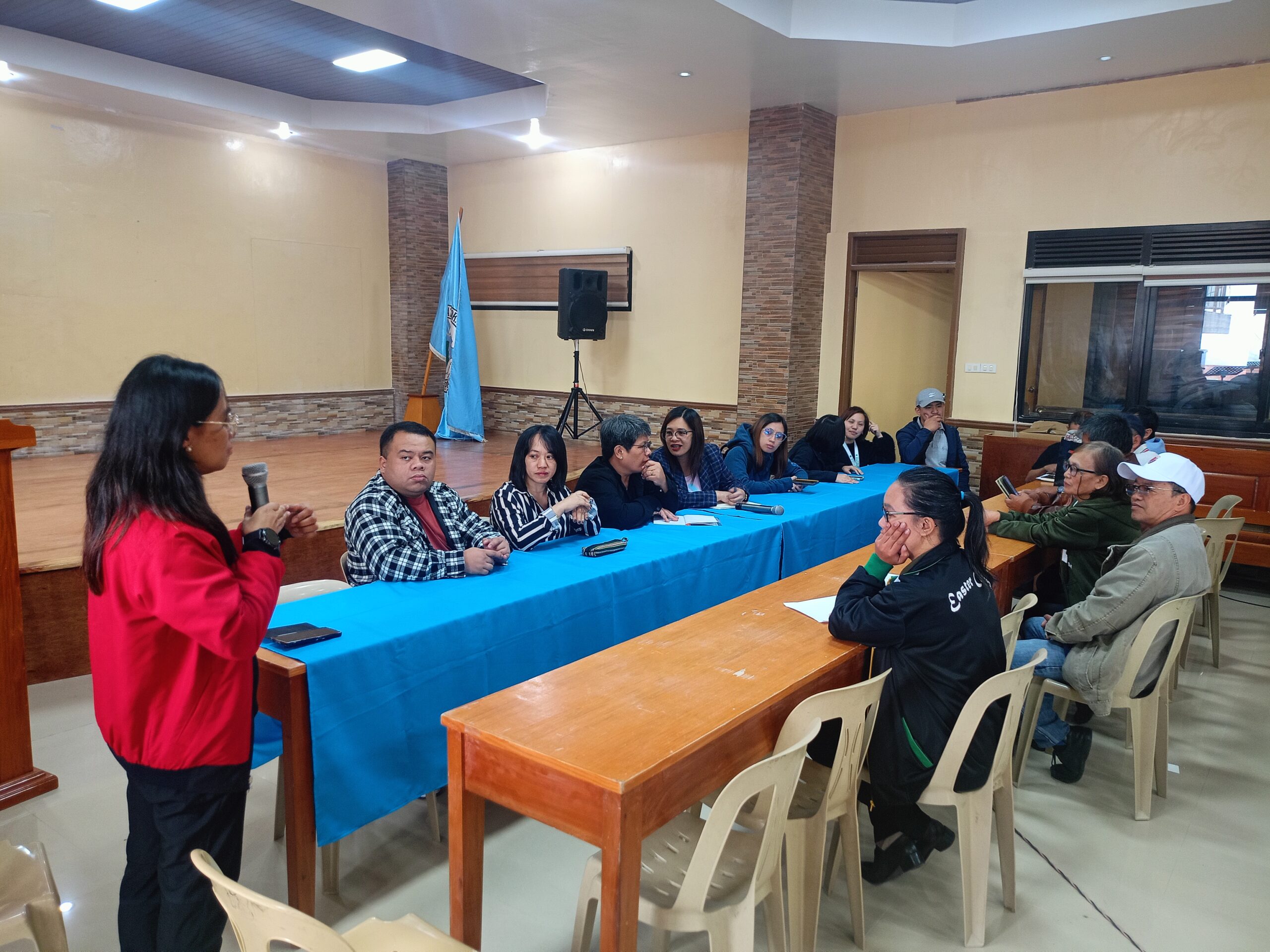
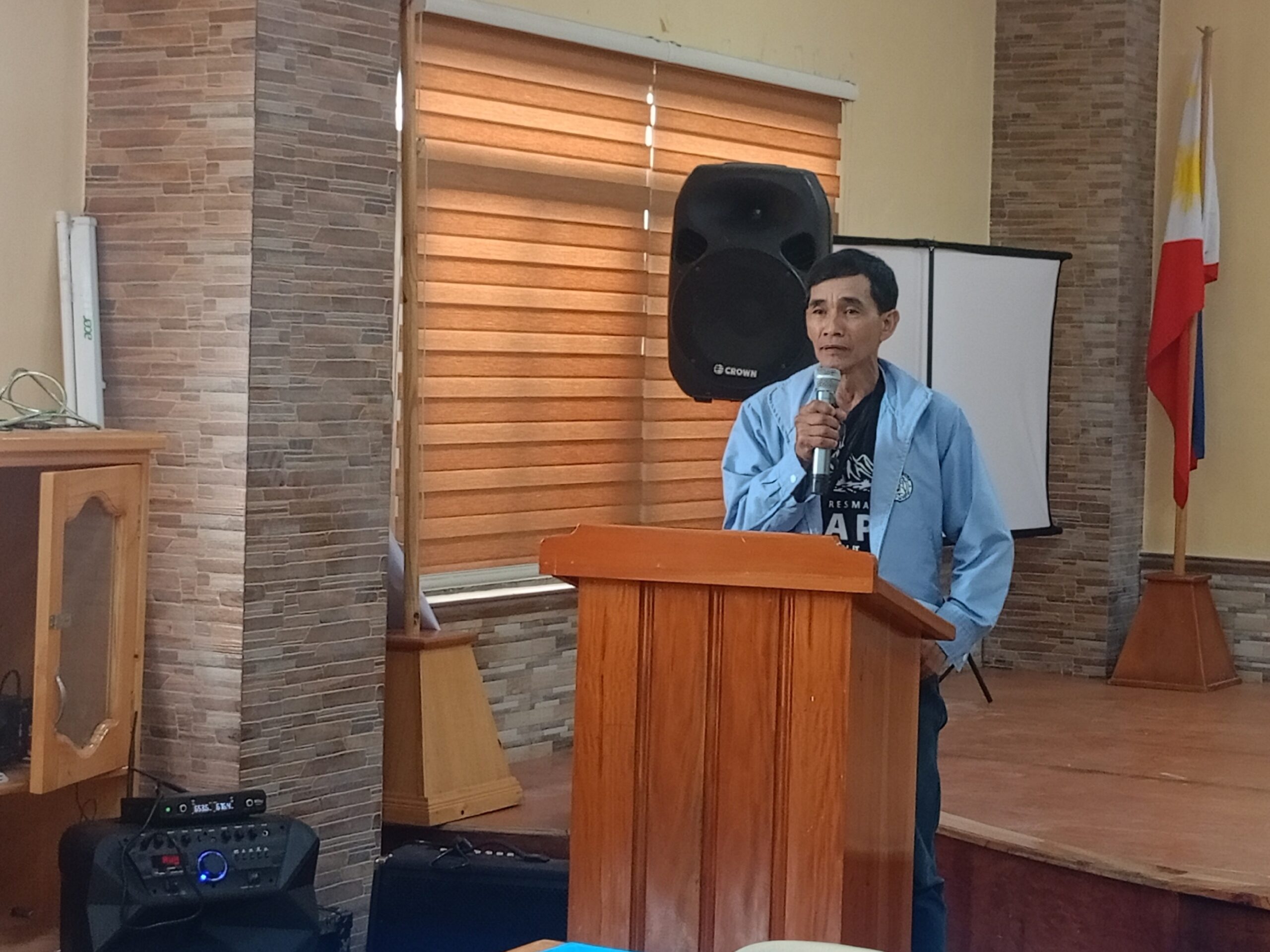
The ceremony, held at the Municipal Hall of Atok, was graced by Honorable Mayor Franklin Smith, five of the eight Punong Barangays of Atok, the Indigenous People’s Mandatory Representative (IPMR), Mr. Arwin Angway, and Municipal Tourism Officer, Ms. Johanna Mae Lopez-Balao, together with the active participation of the Sangguniang Bayan of Atok, Benguet.

Representing CCDC were its President, Dr. Sherry Junette M. Tagle; Dr. Corazon Ocden, Director for Research and External Quality Assurance; and Extension Coordinators, Ms. Bliss Bacacao and Ms. Rosaria Pes-Oyen. UB’s representatives included Dr. Janice Kaylyn K. Lonogan, Vice President for Academic Affairs; Dr. Donnavila Marie Panday-Herbster, Director for Research, Innovation, Extension, and Community Outreach; Ms. Michelle Ann P. Chomayag and Mr. Mark Rommel L. Supsupin from the Community Outreach and Extension Office; and Mr. Ralph Dean Aquino from the Medical and Dental Clinic. BCU was represented by Dr. Elma D. Donaal, Vice President for Academic Affairs; Dr. Michael Sebullen, Director for Research; Extension Coordinators Mr. Angelo Bayacsan and Ms. Arlene Mintas; and Ms. Lorelle Malit from the Quality Assurance Office. Easter College, Inc. was represented by Ms. Jessica Balag-ey, Director for Research and Extension, together with the institution’s Extension Coordinators.
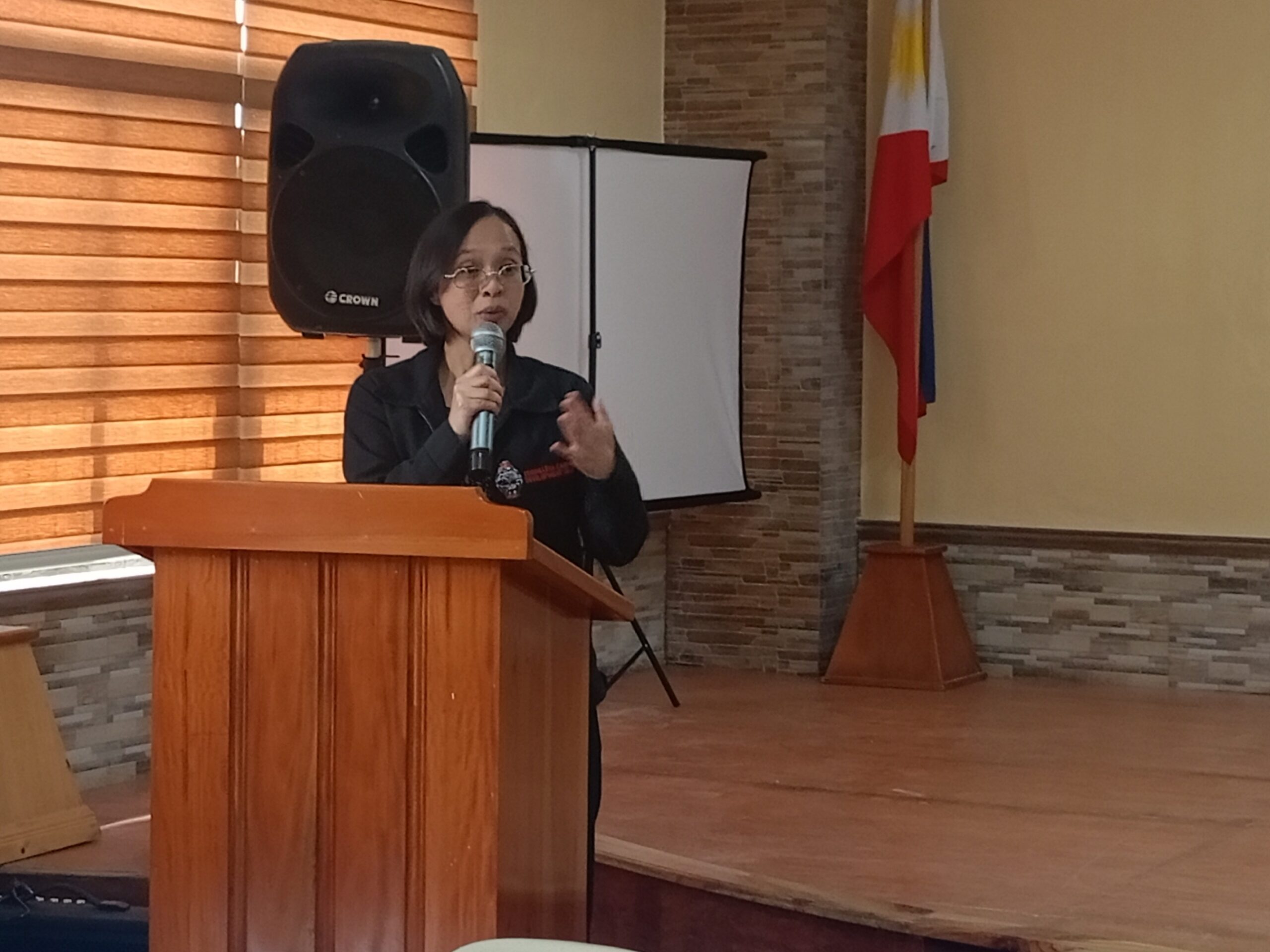
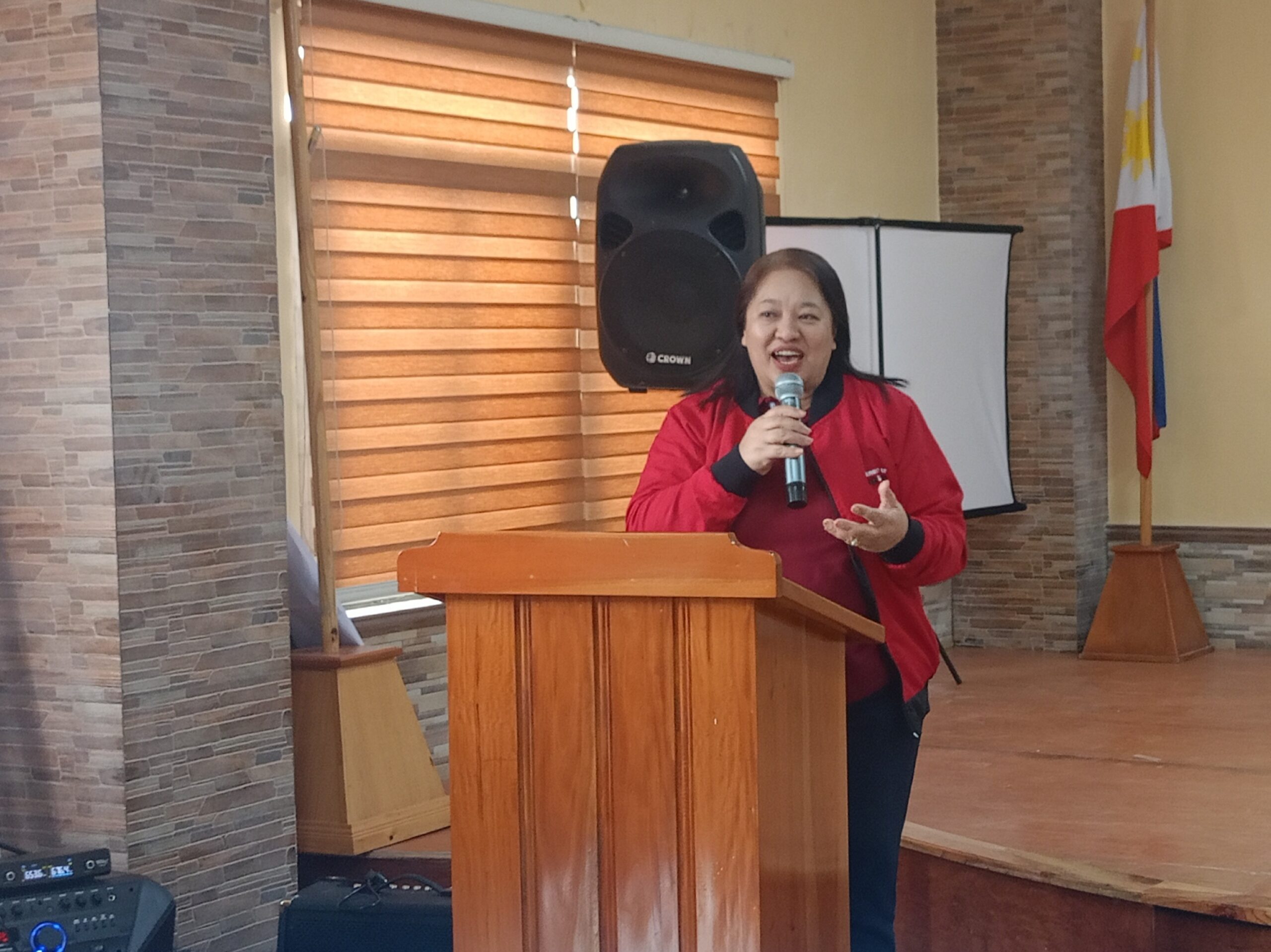
The program featured a courtesy call, the presentation and reading of the proposed MOA, the symbolic signing of the agreement, and a pre-planning session with barangay leaders. This sequence of activities underscored the shared vision of academe and local government in collaboratively addressing the multifaceted needs of the Atok community, aligning directly with SDG 17: Partnerships for the Goals.

The CUBE Partnership affirms that higher education institutions (HEIs) are not only centers of instruction and knowledge production but also vital catalysts of transformation. By consolidating academic expertise, research capacity, and outreach resources, the partnership creates a unified platform for service. Its guiding philosophy resonates with the belief that “a school’s greatness is not only in the excellence it produces within, but in the change it inspires beyond its walls.” In line with this principle, the CUBE institutions collectively commit to designing and implementing programs that directly respond to the realities of underserved communities, thereby advancing both individual growth and societal progress consistent with SDG 4: Quality Education and SDG 10: Reduced Inequalities.

Central to this initiative is the pre-planning session, which provided a structured avenue for dialogue between the CUBE and barangay leaders. During the session, local officials articulated pressing community concerns, including the need for community profiling to understand demographic and socioeconomic contexts, capacity-building trainings to strengthen governance and leadership, and legal assistance to support marginalized groups (SDG 10: Reduced Inequalities). Health challenges, particularly the prevalence of childhood malnutrition, were likewise highlighted, emphasizing the importance of preventive and responsive interventions in line with SDG 3: Good Health and Well-being. Additionally, literacy programs for students and livelihood development emerged as priorities, with calls for skills training, entrepreneurship support, and sustainable income-generating activities, directly linking to SDG 4: Quality Education and SDG 8: Decent Work and Economic Growth.

This collaborative exchange allowed barangay leaders to voice their challenges while enabling the participating HEIs to assess these concerns and identify priority areas for action. By integrating academic resources with community realities, the partnership is positioned to develop targeted, sustainable, and holistic programs that respond to both immediate needs and long-term development goals. The planning session concluded with an agreement to form a core group and schedule a separate dialogue to present community workplans based on the identified concerns, before finalizing and executing the planned activities.

Beyond service delivery, the CUBE Partnership exemplifies inter-institutional and academic–government cooperation. It highlights the value of shared responsibility, wherein universities extend their role beyond traditional instruction and research to active engagement in community development. Such collaboration demonstrates the spirit of SDG 17: Partnerships for the Goals, showing how education, governance, and community participation can be harmonized to address complex social challenges.