NEWS
UB GIFTS Lecture Series 1 SDG 4: Empowering Out-of-School Youth: Addressing Challenges and Creating Opportunities
“through collective efforts, communities can help provide OSY with opportunities to succeed and contribute meaningfully”
- Hosea Kim Palmero
- November 17, 2025
- 4:21 pm
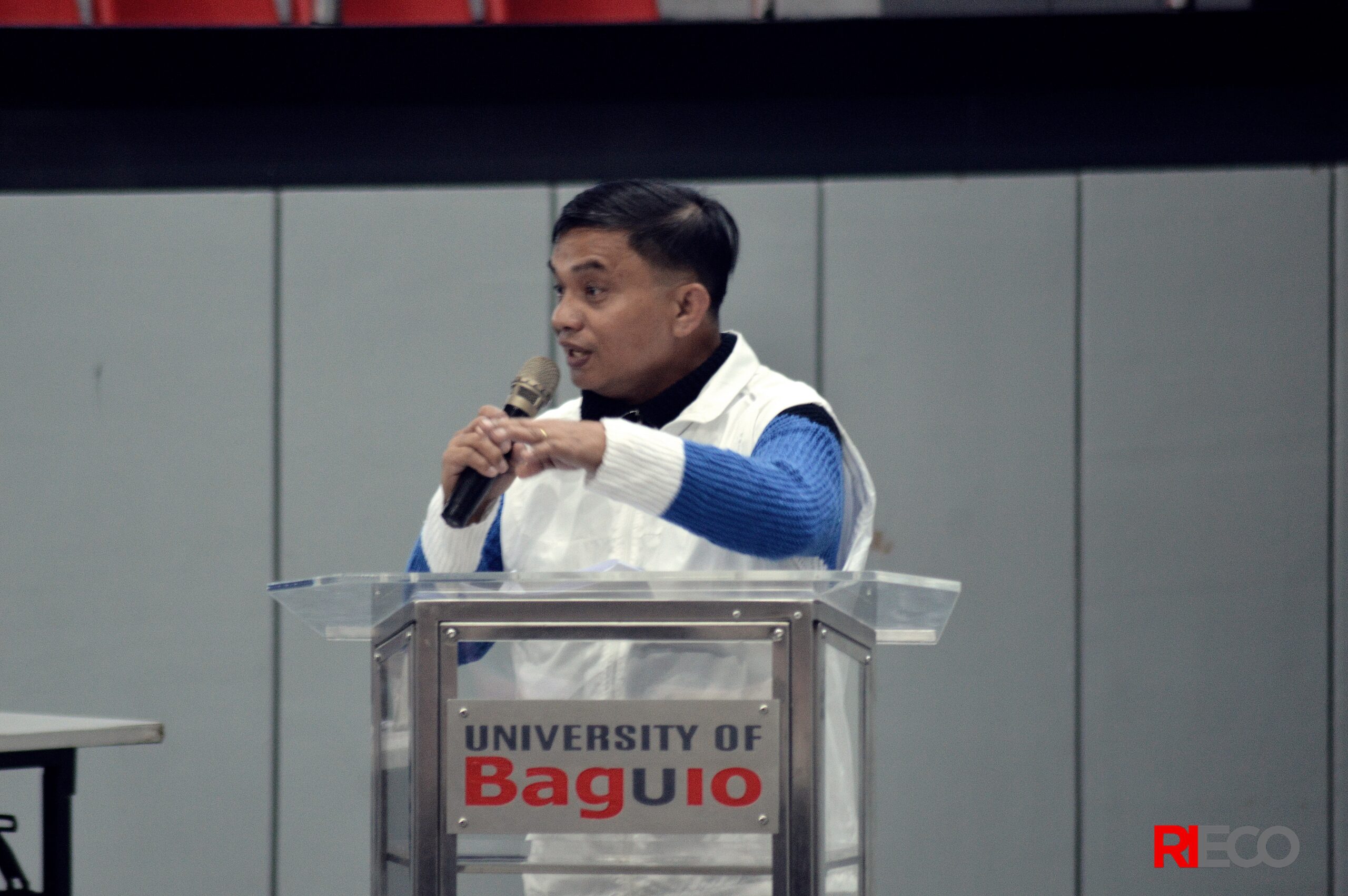
In his lecture on addressing the needs of out-of-school youth (OSY), Dr. Julius Gat-eb provided key insights into the challenges faced by young people who are unable to continue formal schooling. He explained that OSY, typically aged 16 to 24, often face a range of barriers, including poverty, limited access to education, early parenthood, conflict, and health-related issues. These factors result in missed educational opportunities, but each OSY has a unique story behind their situation. Dr. Gat-eb stressed that understanding and responding to the needs of OSY is crucial, not just for the youth themselves, but also for the broader community. He pointed out that the struggles of OSY impact their personal development and hinder the growth of entire communities.
The lecture also highlighted the complex challenges OSY face. Financial hardship is a major barrier that limits access to education, while social and personal issues, such as low self-esteem, mental health concerns, and unstable home environments, further complicate their circumstances. Dr. Gat-eb noted that limited access to training and employment opportunities makes these challenges harder. He emphasized that addressing the needs of OSY requires more than just academic support; it also requires mentorship, community involvement, and a compassionate approach.
One of the key solutions Dr. Gat-eb discussed was the role of the Alternative Learning System (ALS). He highlighted ALS as a practical approach to providing education and skills training to OSY. He also recommended community-based programs that offer support beyond the classroom, such as after-school initiatives, youth development programs, learning hubs, job counseling, and leadership training. He also underscored the critical role of teachers in this process, emphasizing that educators are integral to any program aimed at helping OSY. He suggested that these programs should incorporate regular feedback and continuous improvement. He concluded his lecture by quoting Vilma Santos: “If we don’t act, who will? If not now, when?”
Finally, Dr. Gat-eb reminded the audience that addressing the needs of OSY is a shared responsibility. He noted that universities and educational institutions should recognize that learning is not confined to the classroom and should support lifelong education initiatives. He concluded by stressing that, through collective efforts, communities can help provide OSY with opportunities to succeed and contribute meaningfully.