NEWS
UB GIFTS Lecture Series 2 SDG 5: Building an Inclusive and Empowered Community: Gender and Development and Women Empowerment
“empowering women involves providing them with the confidence, autonomy, and opportunities to make choices that determine their own futures”
- Sittie Al-meerah Darimbang
- November 17, 2025
- 3:08 pm
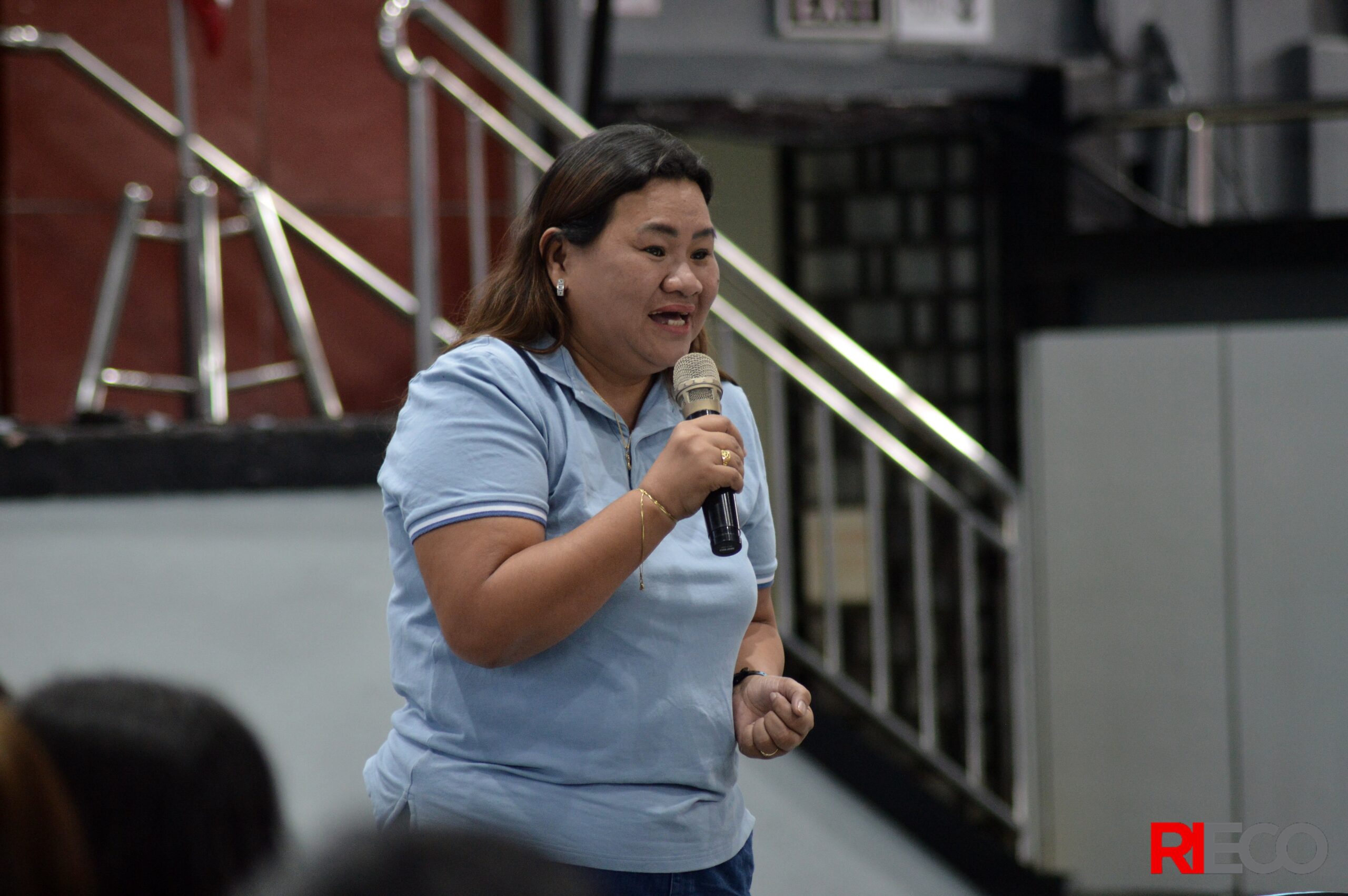
In line with the University of Baguio’s unwavering dedication to community development and social progress, the institution, through its Research Innovation Extension and Community Outreach office, organized UB GIFTS 2025 on November 15, 2025, at the UB AU-Gym.
Among the program’s highlights was Dr. Helen D. Alalag’s lecture on Gender and Development and Women Empowerment. Dr. Alalag presented a thought-provoking and relevant discussion on Gender and Development (GAD) and Women Empowerment during this year’s UB GIFTS event. Her presentation emphasized the collective duty of institutions and communities to advance equality, safeguard rights, and establish inclusive environments for everyone—particularly women, solo parents, and persons with disabilities (PWDs).


Dr. Alalag opened her discussion by establishing the essential difference between sex and gender, explaining how gender roles—molded by family, culture, and societal norms—frequently give rise to entrenched gender biases. These biases restrict opportunities, perpetuate discrimination, and validate unequal treatment between men and women. Supporting her message with concrete evidence, she shared crime statistics from the Cordillera Administrative Region, revealing the continuing prevalence of violence against women (VAW). By 2024, over 11,000 VAW-related incidents have been documented nationwide from January through November, highlighting the critical need to intensify advocacy and protective strategies. In CAR, offenses including rape, physical injury, and theft continue to rank among the most frequently reported crimes. These statistics serve as a stark reminder to communities about the immediate necessity to ensure safety, protection, and justice for vulnerable populations. Dr. Alalag further elaborated on the central goals of GAD programs: heightening awareness about gender issues, rights, and the essential contributions women make to society; and reinforcing institutional and community support frameworks that guarantee equitable access to education, employment, healthcare, and social services. Central to her presentation was a powerful assertion: women’s empowerment starts with acknowledging women’s rights as fundamental human rights. Every woman is entitled to education, leadership roles, economic opportunities, healthcare services, and—crucially—dignity and respect. However, many continue to encounter systemic obstacles including inequitable treatment, discrimination, and inadequate access to justice.
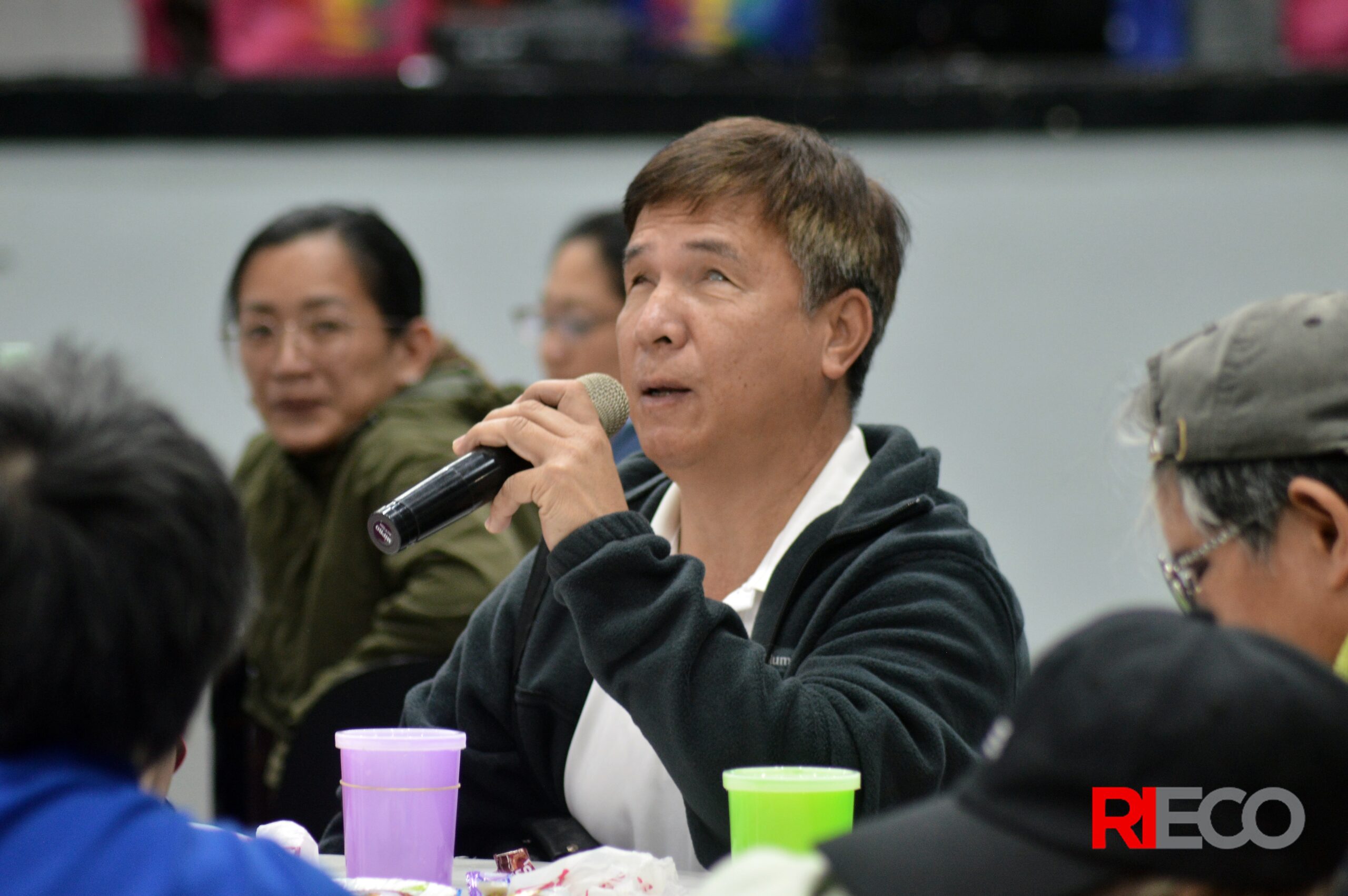
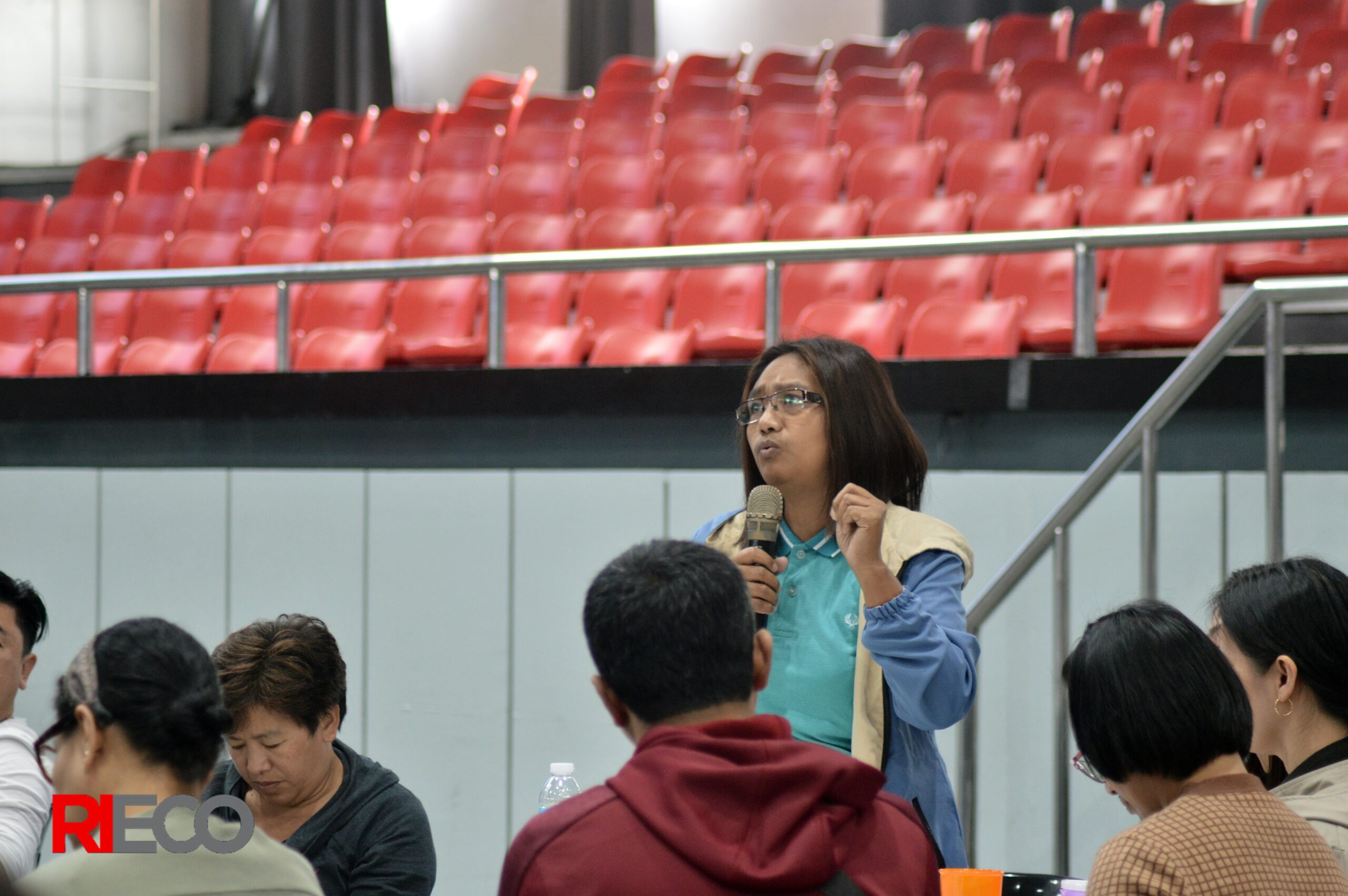
Dr. Alalag stressed that empowering women involves providing them with the confidence, autonomy, and opportunities to make choices that determine their own futures. It is not about strengthening women—as they possess inherent strength, she observed, referencing G.D. Anderson—but rather about transforming societal attitudes and removing the obstacles that prevent women from achieving their full capabilities and participation. Her presentation ended with an appeal for unified effort: families, communities, institutions, and government bodies must collaborate to create an inclusive society where women, solo parents, and PWDs are respected, protected, and empowered. Through heightened awareness, active advocacy, and continuous support, UB reaffirms its commitment to nurturing compassionate and empowered communities—a vital foundation for building a more equitable and gender-responsive society.