NEWS
Cordillera Civicademy Component 3: Strengthening Strategic Influence for Sustainable Development
“promotes active citizenship, participatory governance, leadership development, and community engagement through a series of learning and capacity-building activities for diverse stakeholders across the region.”
- Michelle Ann P. Chomayag
- Mark Rommel L. Supsupin
- September 19, 2026
- 9:18 pm
- Yna Bianca Arceo | Rene Pascua
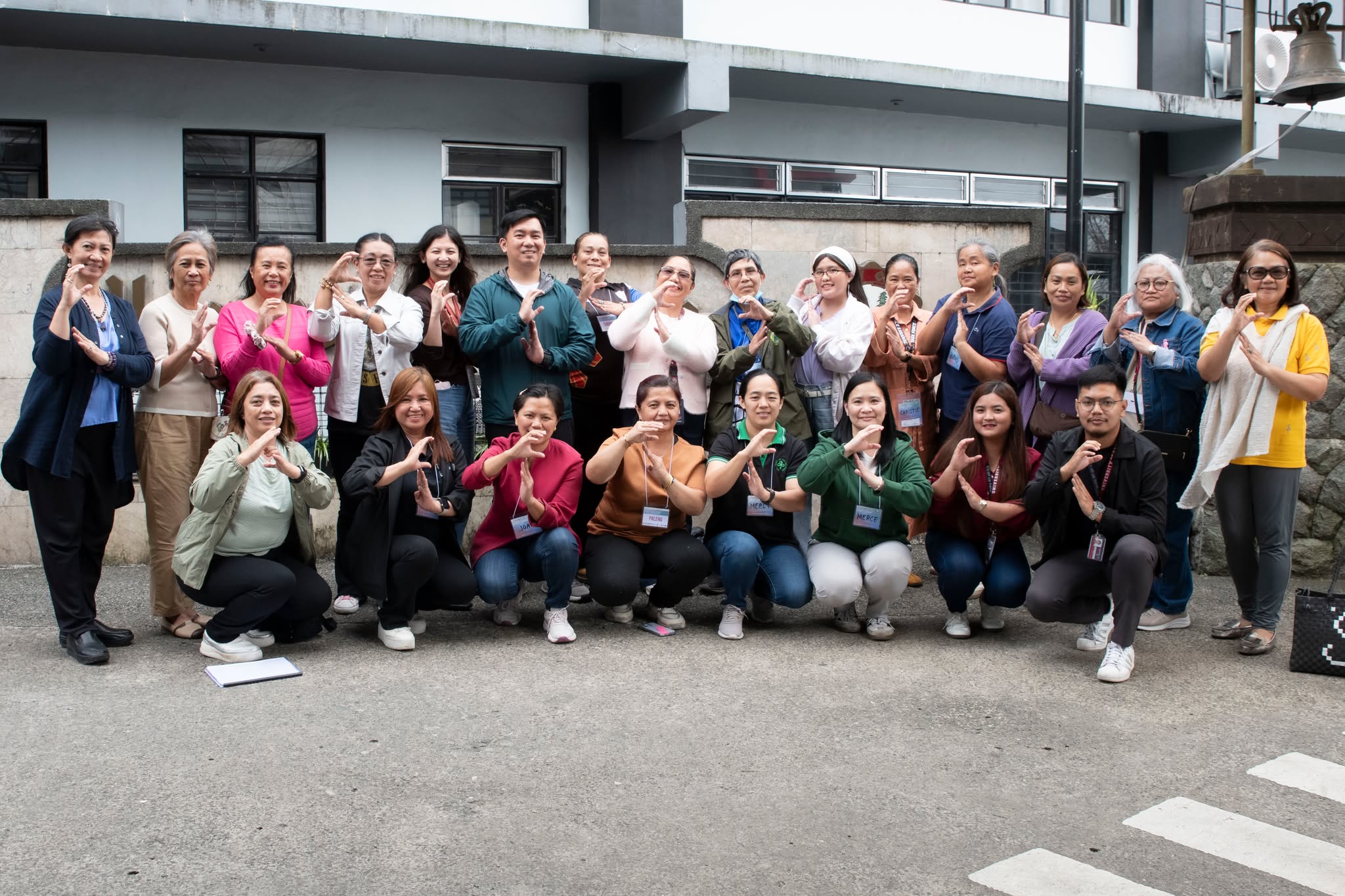
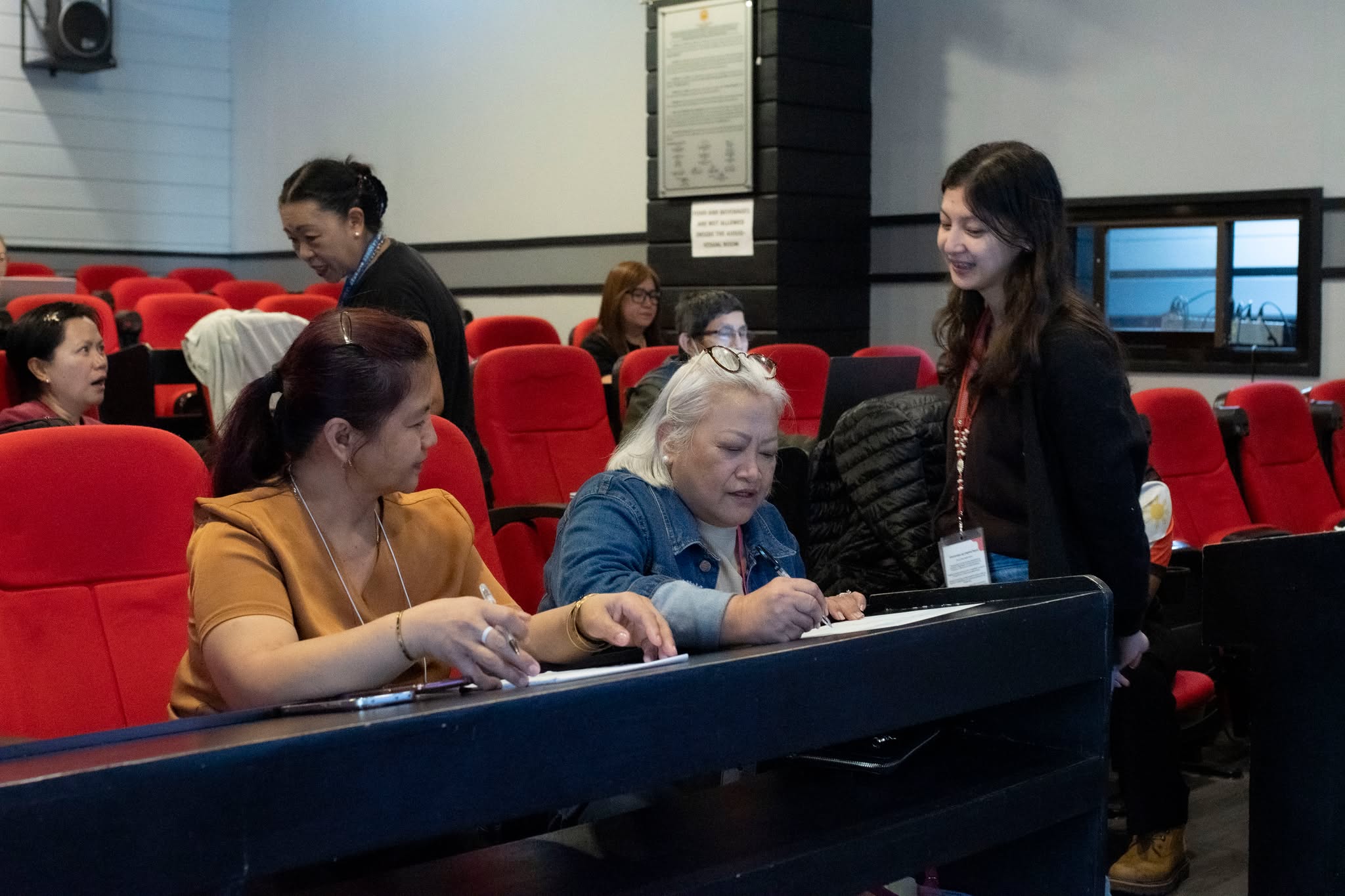
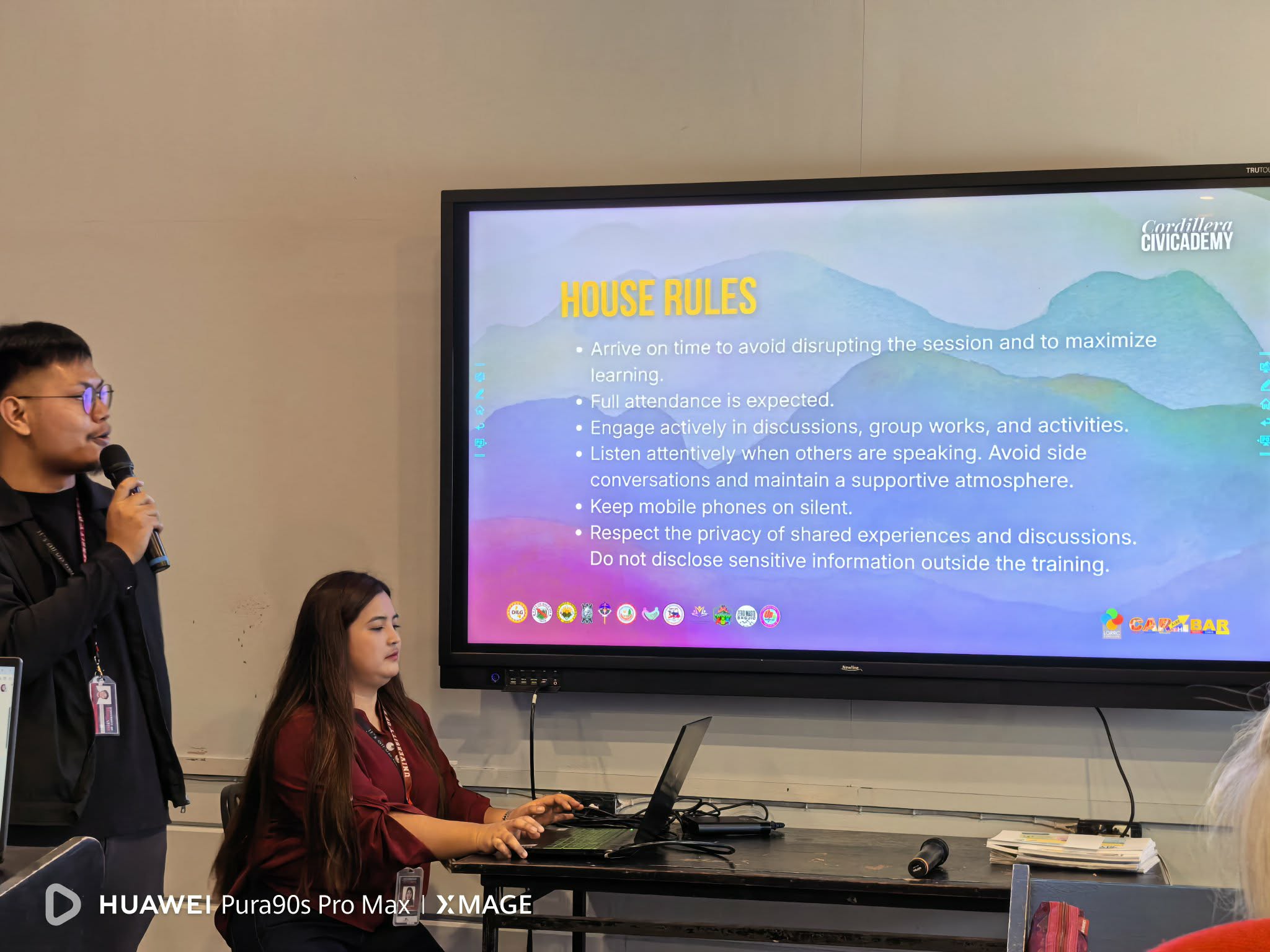
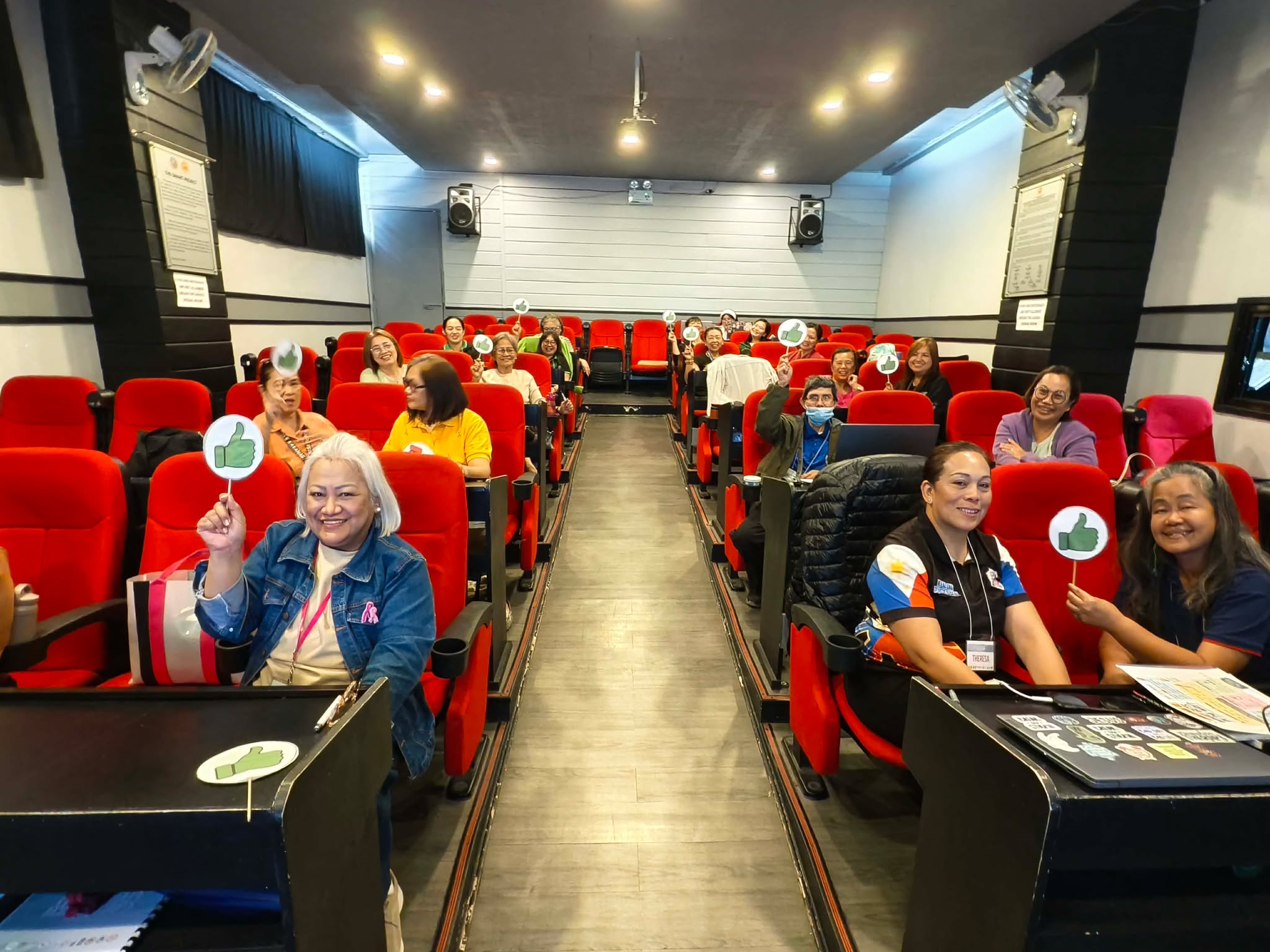
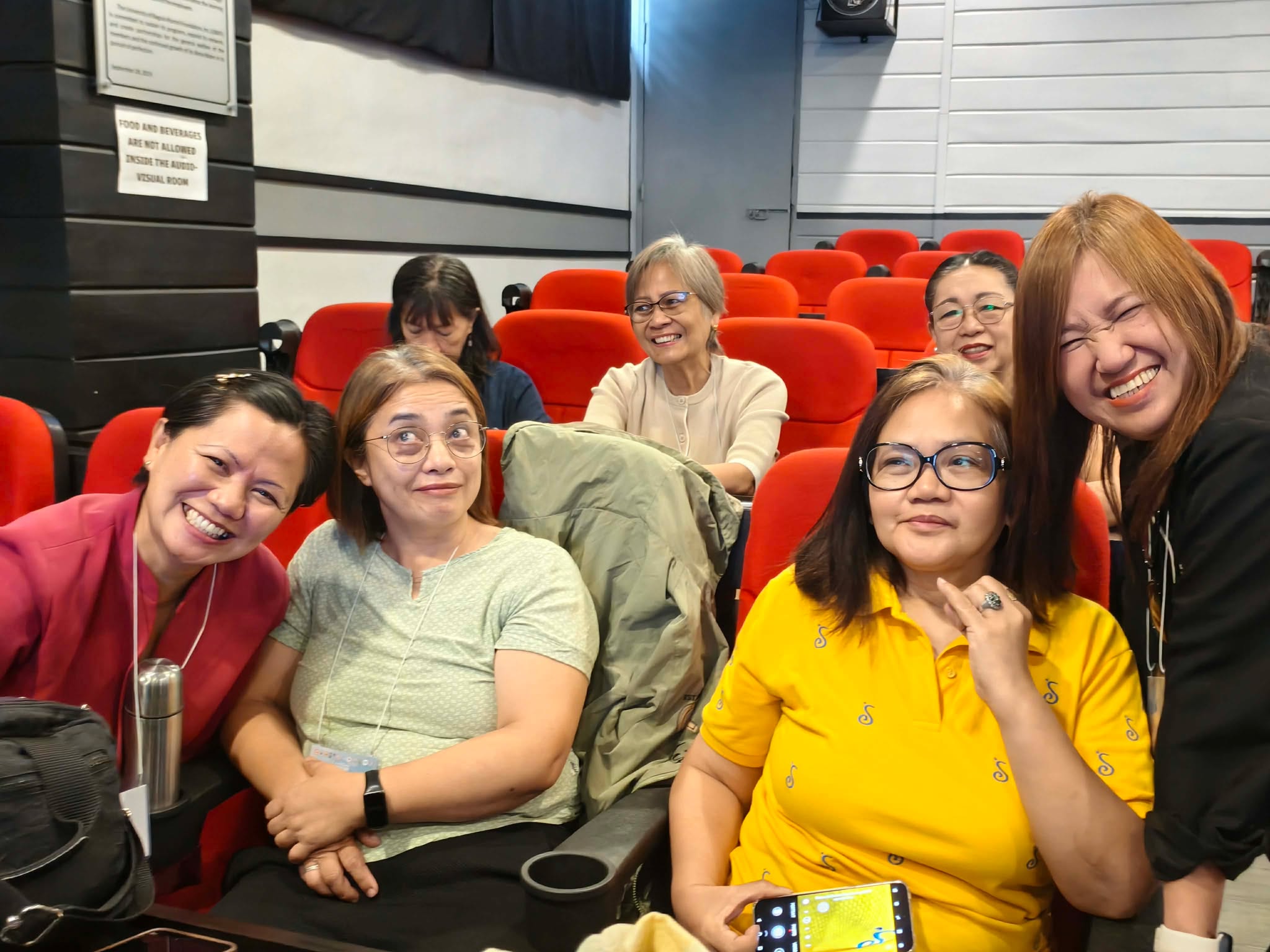
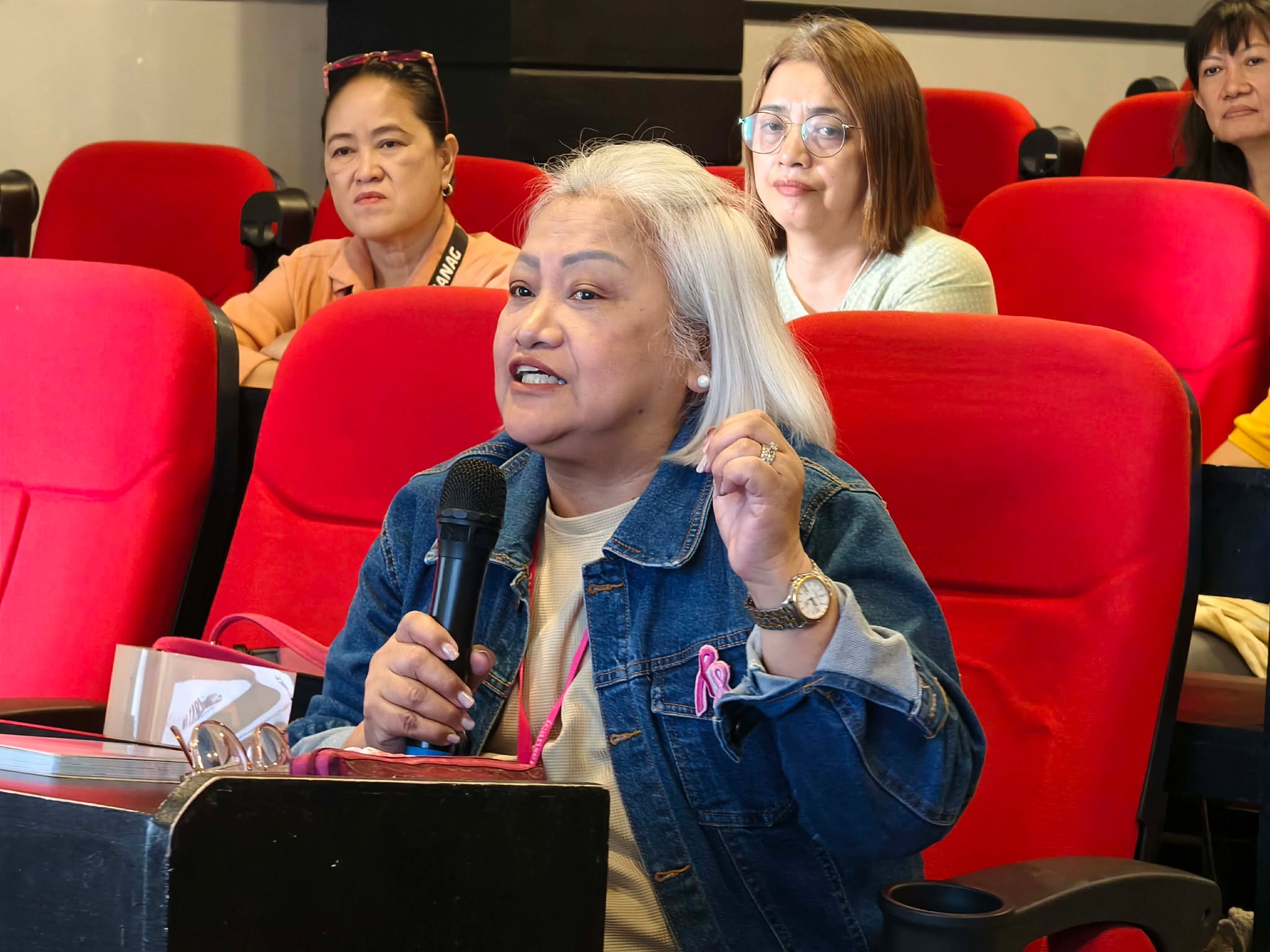
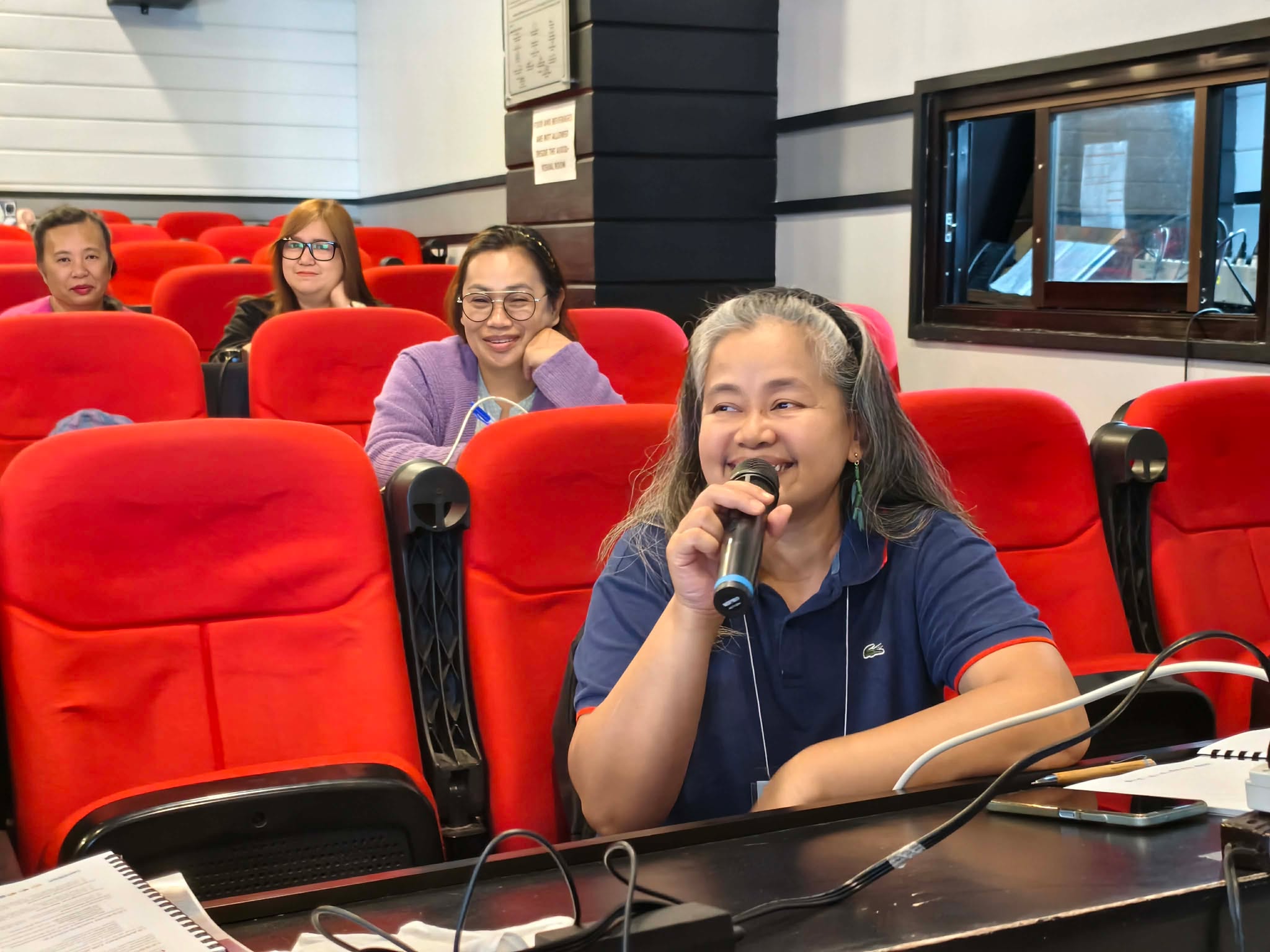
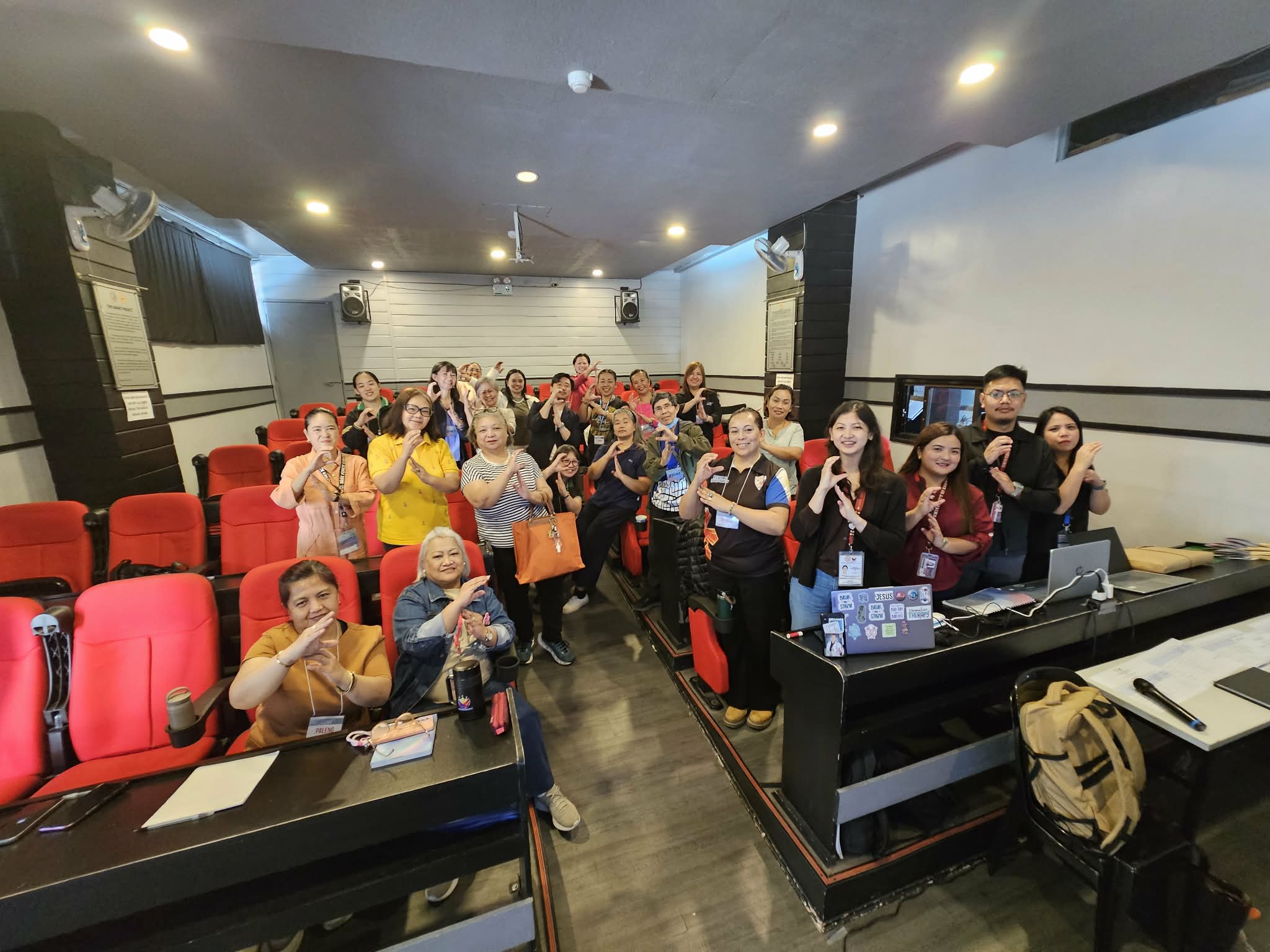
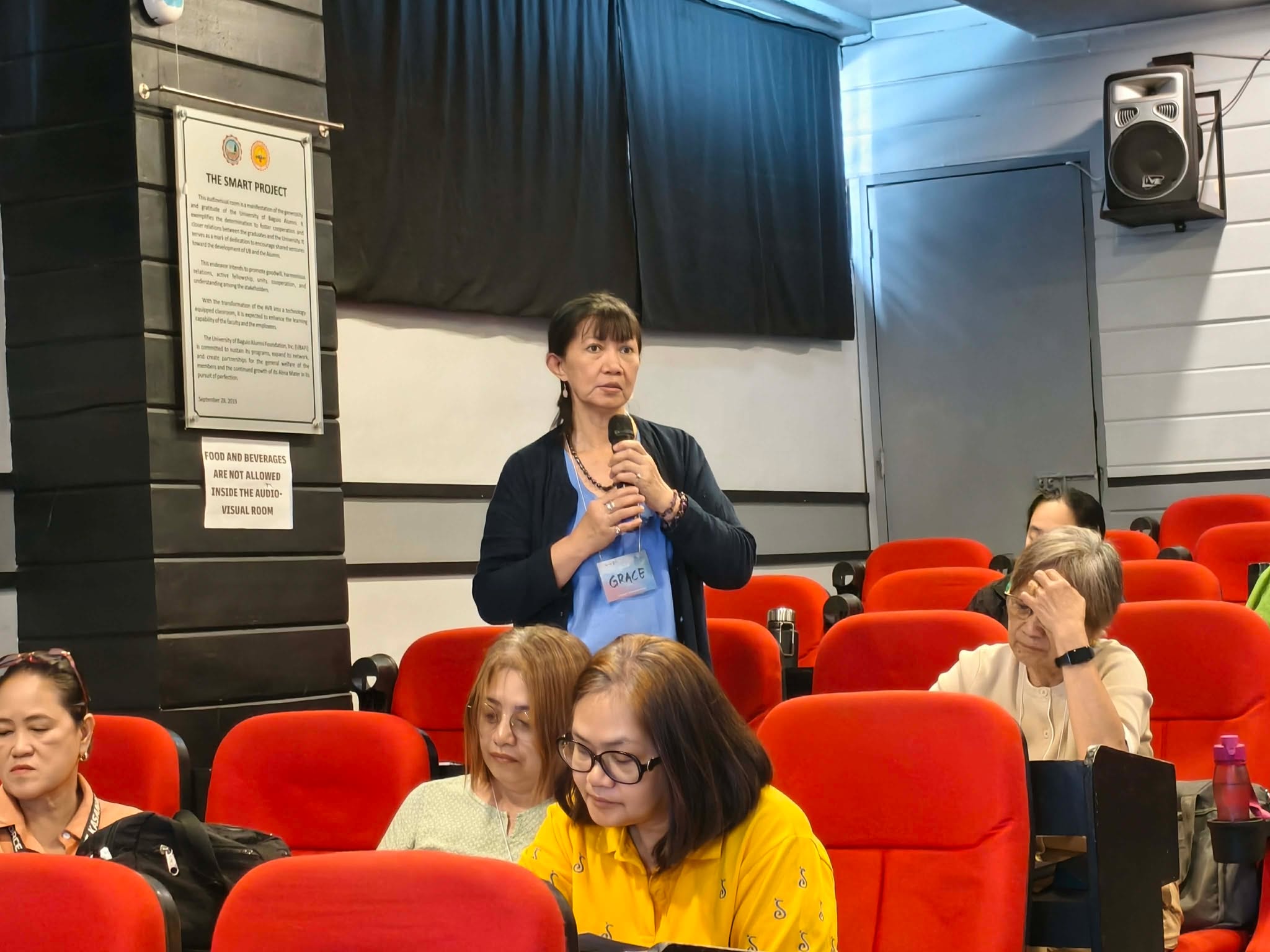
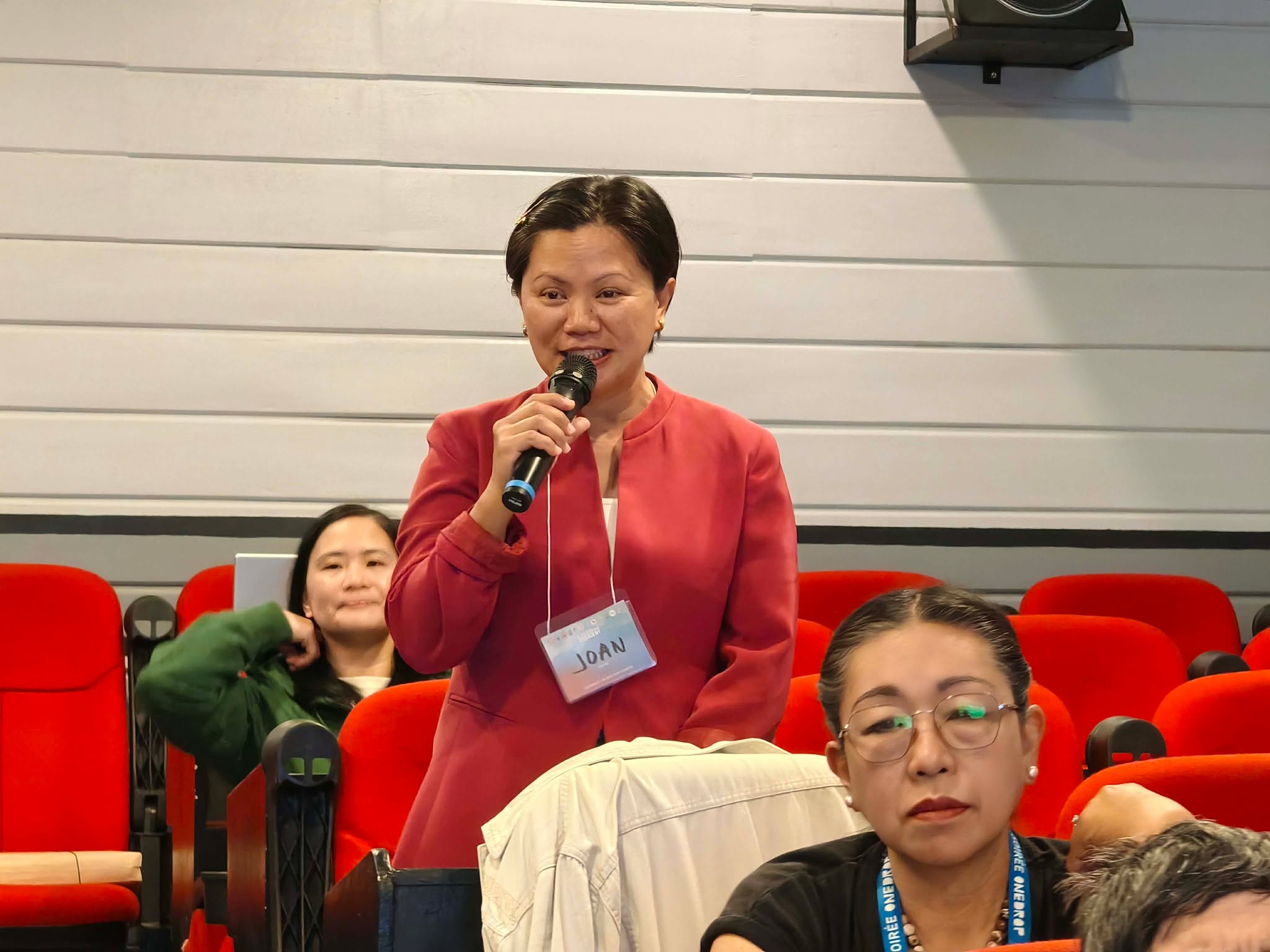
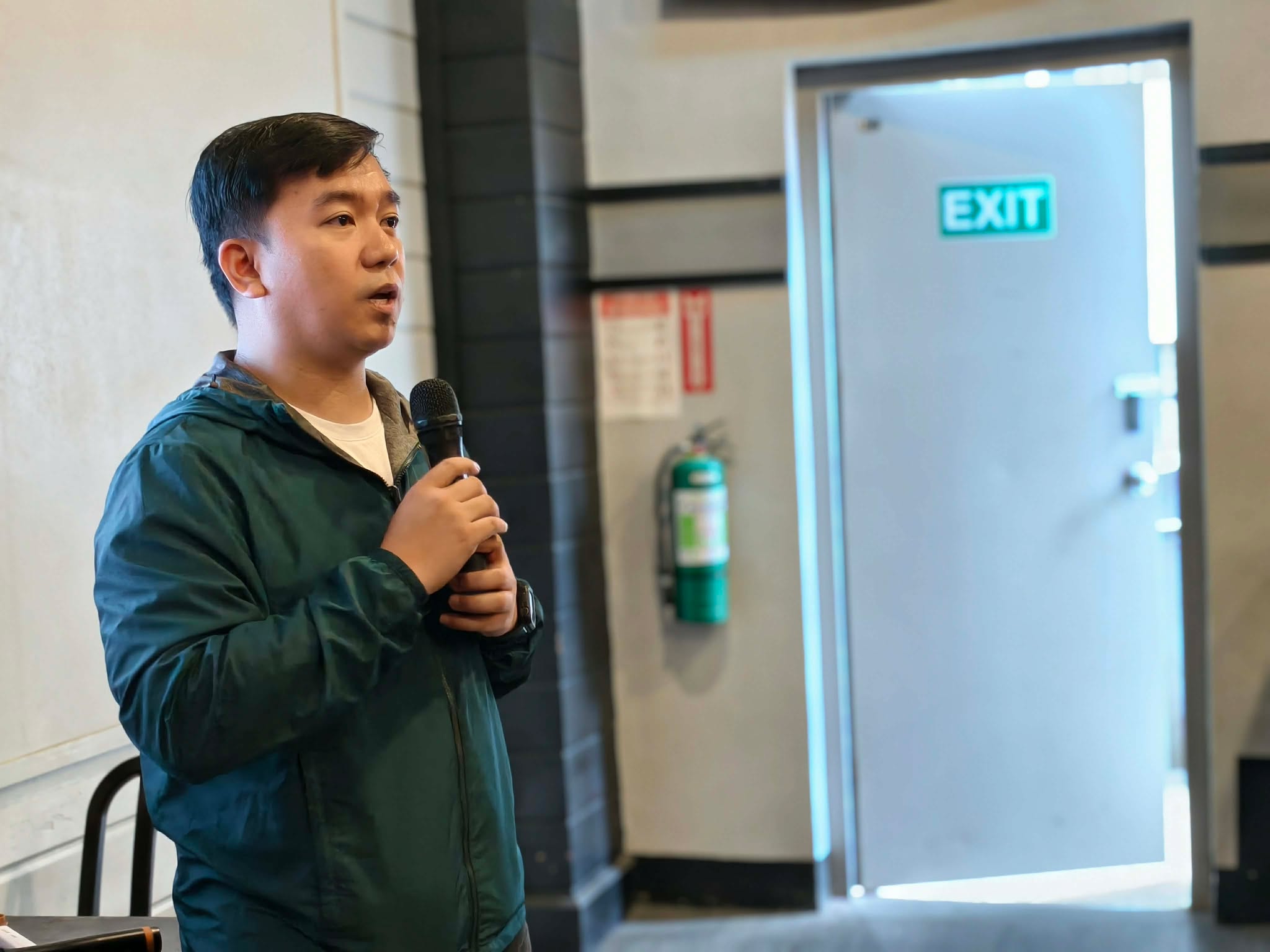
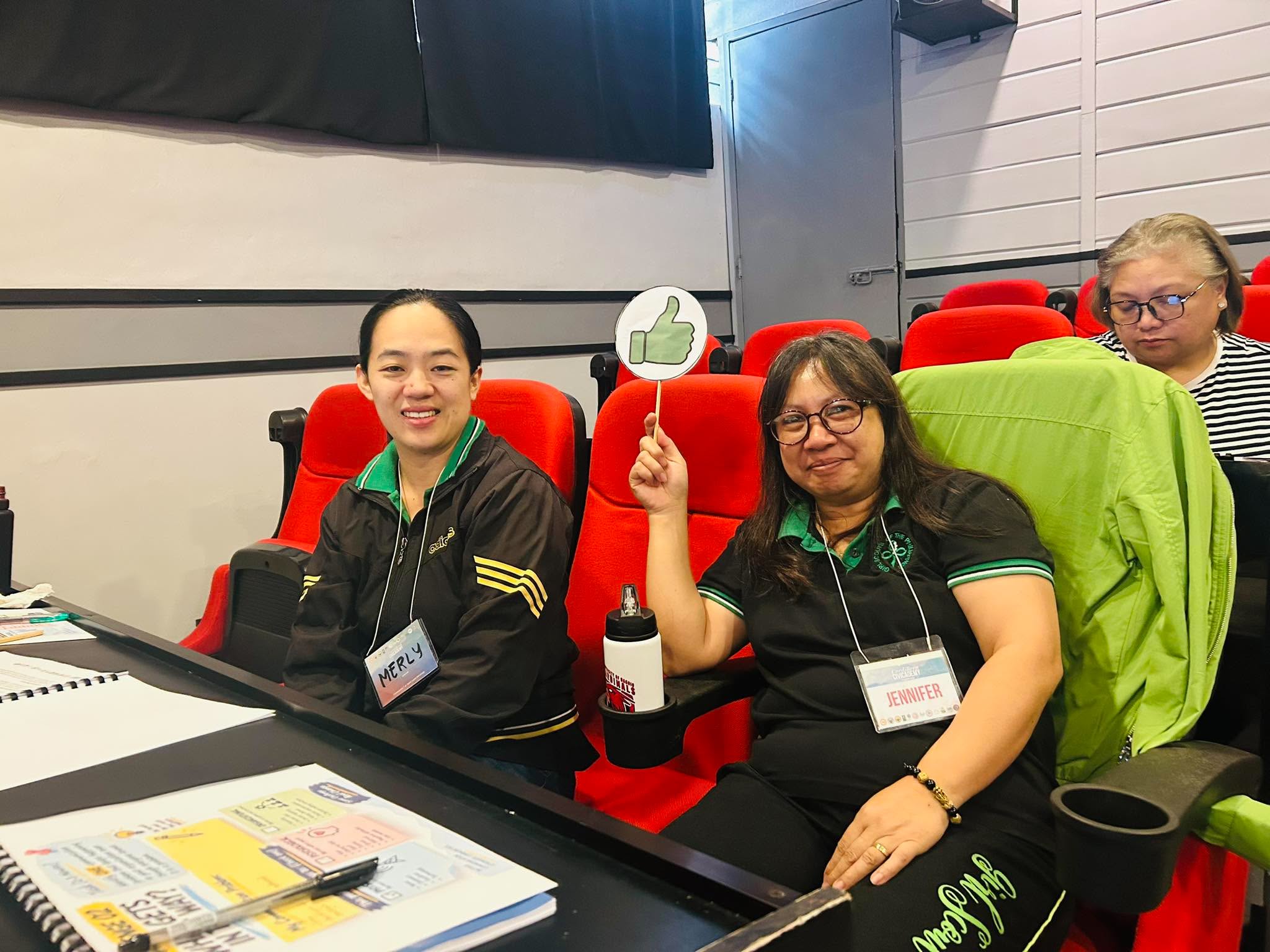
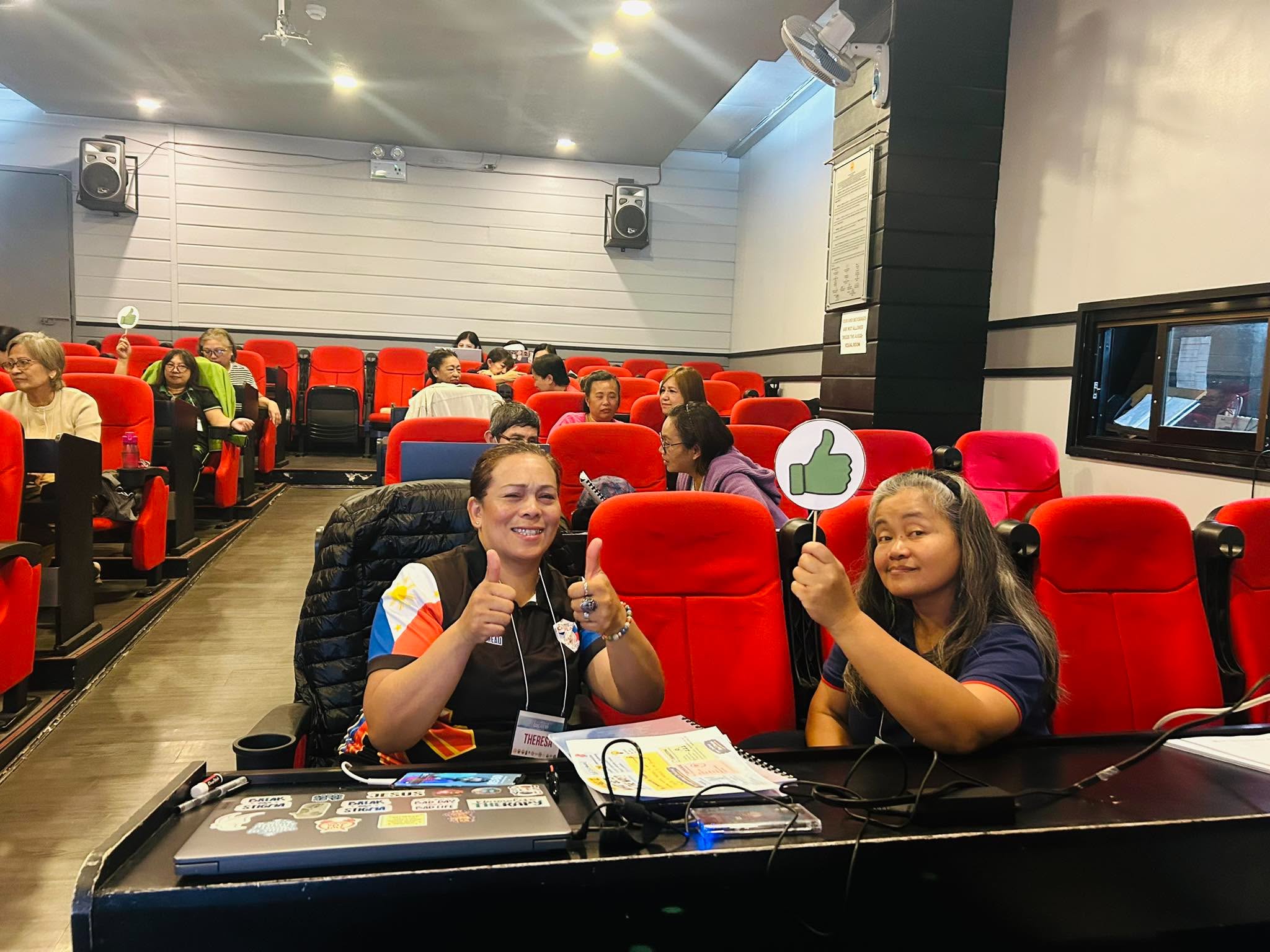
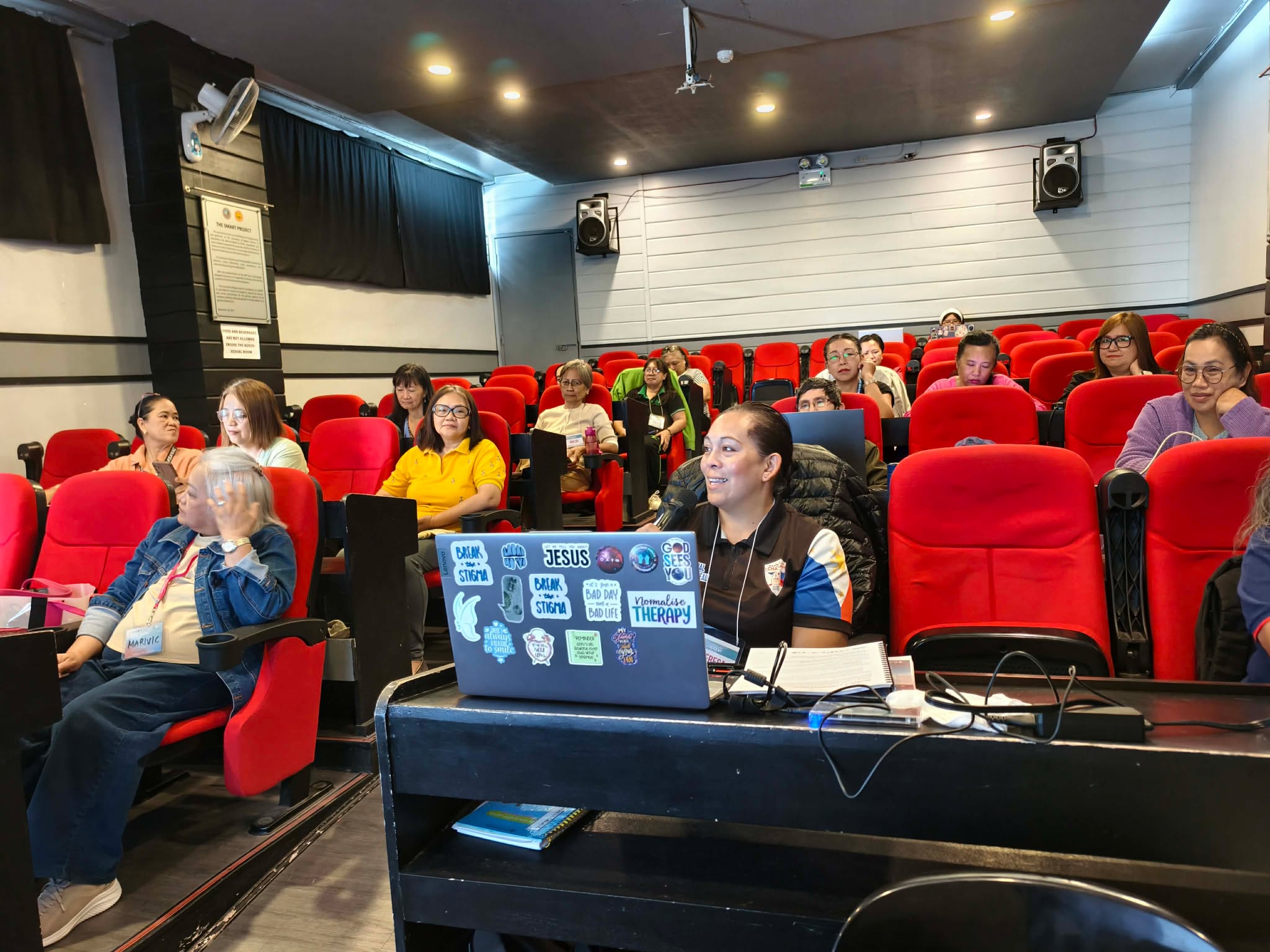
The University of Baguio, through its Research Innovation, Extension, and Community Outreach (RIECO) Office, hosted the Cordillera Civicademy Component 3: Strategic Influence on September 19, 2026, at the Smart Alumni AVR. The activity brought together CSO leaders and representatives from various institutions and organizations across the Cordillera Region to engage in meaningful discussions and learning experiences centered on communication and advocacy branding. This event formed part of the continuing implementation of the Cordillera Civicademy, a regional civic education initiative that promotes active citizenship, participatory governance, leadership development, and community engagement through a series of learning and capacity-building activities for diverse stakeholders across the region.
By enhancing civic education and leadership, this training advances SDG 4 (Quality Education), which emphasizes lifelong learning and global citizenship. The training sessions equip CSO leaders with practical knowledge and skills, directly supporting Indicator 4.7.1 on integrating education for sustainable development into policies and practices. At the same time, the focus on participatory governance embodies SDG 16 (Peace, Justice, and Strong Institutions), as it strengthens inclusive decision-making and empowers civil society groups to contribute to transparent and accountable institutions, aligning with Indicator 16.7.1. Additionally, the collaboration among CSOs, HEI’s, and government agencies like the DILG highlights SDG 17 (Partnerships for the Goals), which underscores the importance of multi-sectoral cooperation. This partnership-driven approach mirrors Indicator 17.17.1, which promotes effective public-private and civil society collaborations to achieve sustainable outcomes.
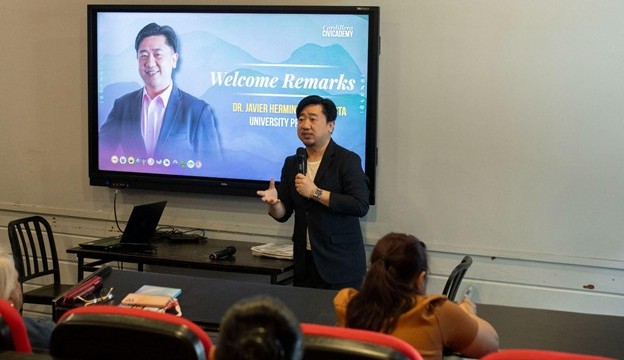
tThe program commenced with an inspiring message from Dr. Javier Herminio D. Bautista, University President, who underscored the vital role of CSOs in nation-building and highlighted their capacity to serve as catalysts for social transformation. He emphasized that civil society organizations are not only partners of government but also key drivers of participatory governance, community empowerment, and sustainable development. Dr. Bautista encouraged participants to remain steadfast in their commitment to advancing community development and promoting positive change, reminding them that their collective efforts contribute to building a more inclusive, resilient, and progressive society. His message set a tone of purpose and motivation, reinforcing the importance of collaboration, leadership, and active citizenship in addressing the challenges faced by communities across the Cordillera Region.
The opening of Component 3, which consists of three modules covering a series of topics and activities scheduled across four consecutive Saturdays until October 10, 2026, was attended by 19 participants representing various civil society organizations in Baguio. Key partner institutions such as the Department of the Interior and Local Government (DILG) also joined the event, with their continued support contributing to the successful implementation of Module 1 under Component 3.
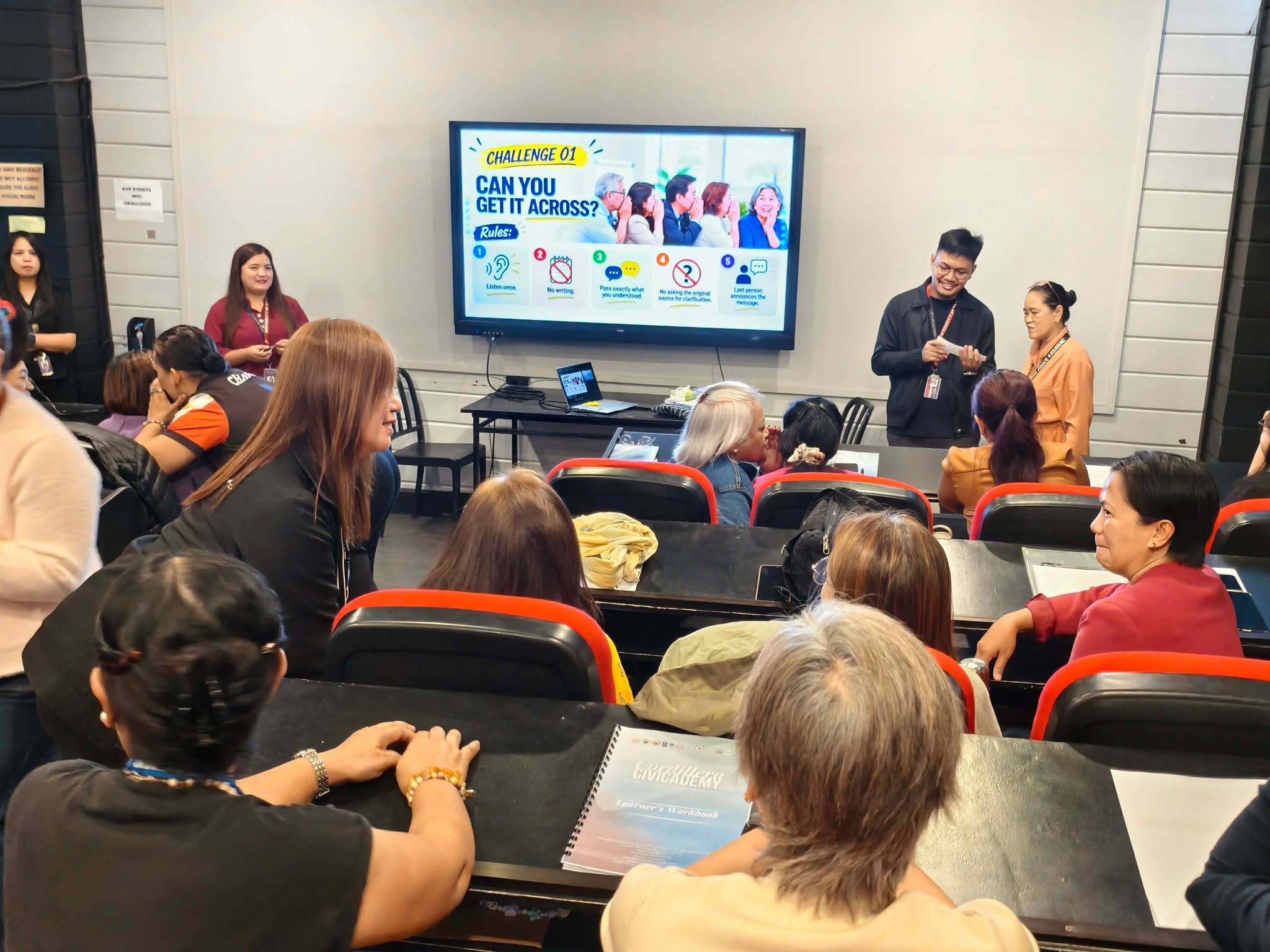
Furthermore, the above-mentioned component sought to strengthen interpersonal skills, which are indispensable in the day-to-day communication of CSOs as they fulfill their functions and responsibilities. It also aimed to revisit and refine their organization’s advocacy, ensuring that it becomes more appealing, relevant, and impactful to society. In addition, the component focused on deepening the understanding of essential dispute settlement strategies, equipping CSOs with practical tools to manage conflicts constructively and foster collaboration within their organizations and communities. Through a series of lectures, discussions, and collaborative activities, participants were encouraged to enhance their communication skills while developing practical strategies for application in their respective communities and organizations. This initiative reflects the University of Baguio’s enduring commitment to academic excellence, social responsibility, and community empowerment by creating opportunities for lifelong learning and active citizenship.
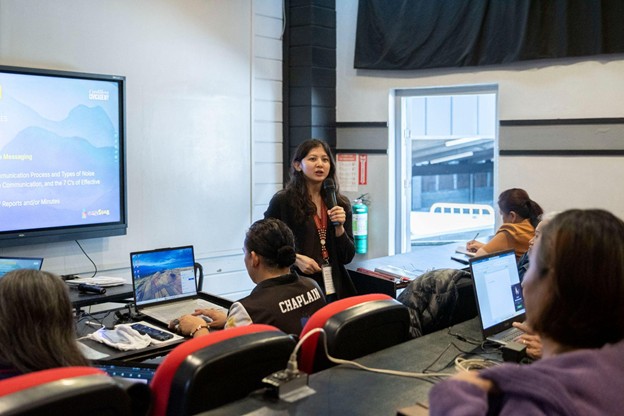
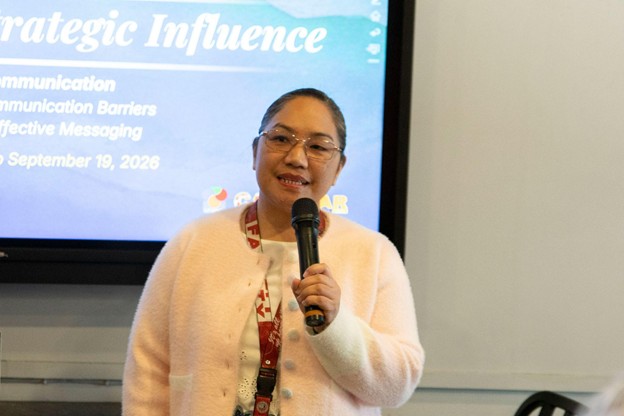
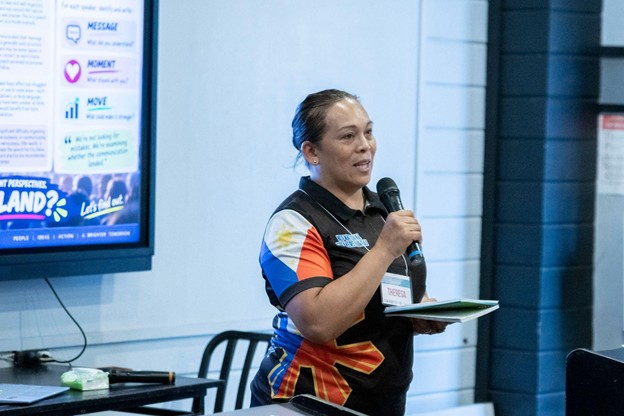
The learning sessions were facilitated by Dr. Violeta Fag-ayan Apiles, Principal of the University of Baguio High School, who shared valuable insights on the barriers to communication and effective strategies for facilitating messaging. Drawing from her expertise and experience, she provided participants with relevant perspectives and practical knowledge that enriched the discussions and enhanced their understanding. Her contributions not only clarified common challenges in communication but also offered actionable approaches and strategies that participants could apply within their organizations and communities. Participants then engaged in presentations and discussions facilitated by Dr. Apiles, focusing on overcoming communication barriers and the principles of effective messaging. In the afternoon, they further honed their communication competencies through a public speaking workshop, followed by a feedback session that allowed them to reflect on key learnings and areas for improvement. The engagement highlighted the participants’ commitment to applying the lessons learned beyond the event and into their respective communities and organizations.
As the Cordillera Civicademy continues to advance civic education and community engagement throughout the region, the University of Baguio remains steadfast in its mission to foster responsible citizenship, participatory governance, and sustainable development.