NEWS
Asian Research and Innovation for Sustainable Education Congress Promotes Resilient and Humanitarian Learning Communities
“Building Resilient and Humanitarian Learning Communities Through Research and Sustainable Innovations”
- Michelle Ann P. Chomayag
- October 1, 2026
- 8:12 pm
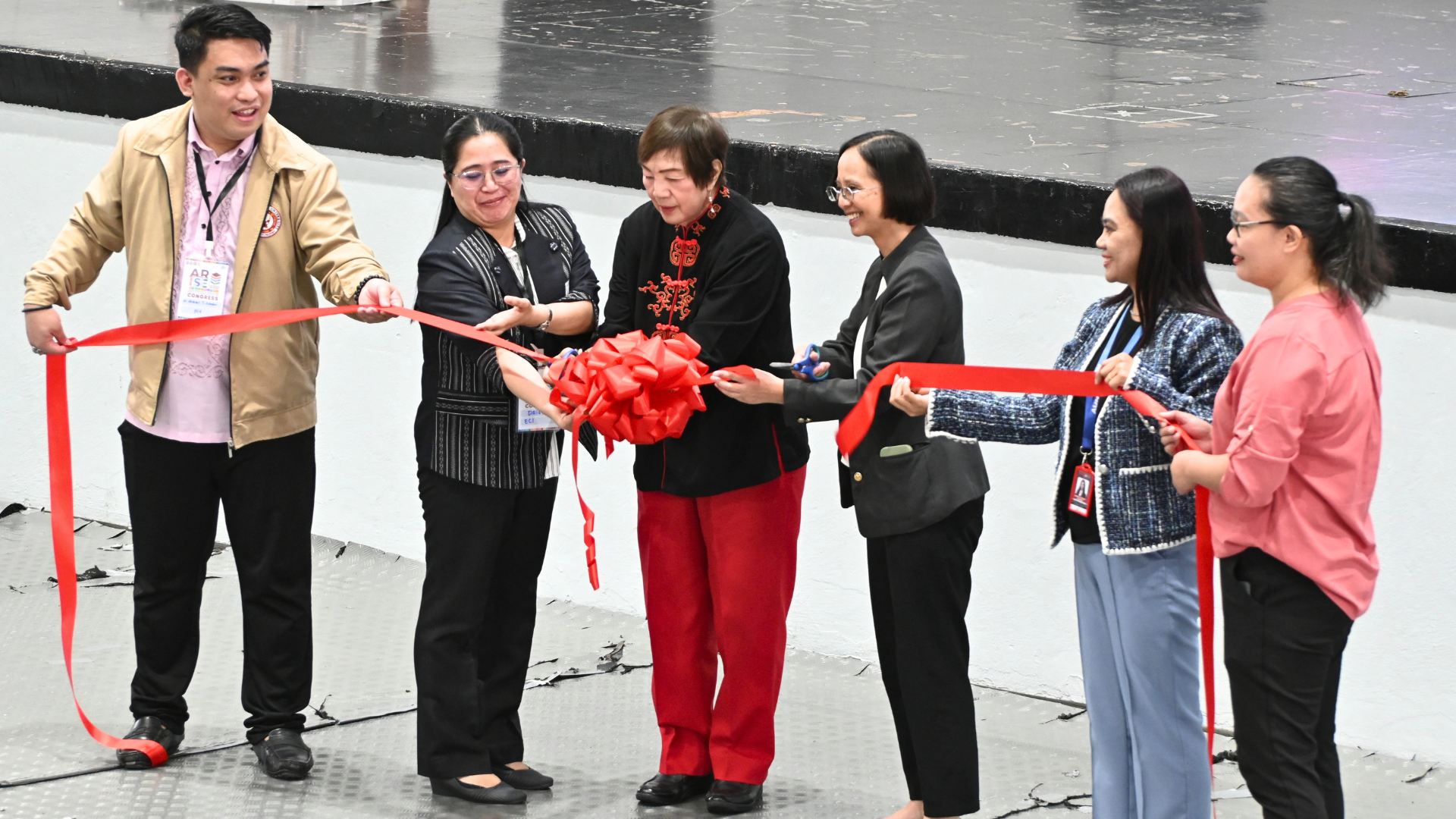
The CUBE Consortium, comprising Cordillera Career Development College (CCDC), University of Baguio (UB), Baguio Central University (BCU), and Easter College, Inc. (ECI), successfully organised the Asian Research and Innovation for Sustainable Education (ARISE) Congress 2026 on 1 October 2026 at the University of Baguio Cardinal’s Gymnasium. Anchored on the theme, “Building Resilient and Humanitarian Learning Communities Through Research and Sustainable Innovations,” the congress served as a dynamic platform for educators, researchers, administrators, policymakers, and higher education leaders from across the Philippines and the international academic community to exchange knowledge, share research findings, and explore innovative solutions to contemporary educational challenges.
Through its strong emphasis on research dissemination, innovation, inclusivity, and international collaboration, the congress advanced several United Nations Sustainable Development Goals (SDGs). It contributed to SDG 4: Quality Education (Indicator 4.7.1) by promoting the knowledge, skills, and competencies necessary for sustainable development. The event also supported SDG 9: Industry, Innovation and Infrastructure (Indicators 9.5.1 and 9.5.2) through the promotion of scientific research, technological advancement, and innovation-driven educational practices. Furthermore, the congress fostered inclusive engagement among academic institutions and stakeholders, contributing to SDG 10: Reduced Inequalities (Indicator 10.2.1). By strengthening partnerships among higher education institutions, research organisations, and international collaborators, the event likewise advanced SDG 17: Partnerships for the Goals (Indicators 17.16.1 and 17.17.1), reinforcing the importance of multi-stakeholder cooperation in achieving sustainable development and transformative educational outcomes.
Reflecting the diversity and strength of Philippine higher education, the ARISE Congress brought together representatives from leading academic institutions across the country, including Ateneo de Naga University, Baguio Central University, Cordillera Career Development College, Easter College, Jose Rizal University, Manuel S. Enverga University Foundation, Philippine College of Science and Technology, Quezon City University, Urdaneta City University, University of Baguio, and University of Saint Anthony. The participation of these institutions underscored the congress’s growing role as a premier platform for research collaboration, academic exchange, and innovation-driven partnerships, fostering meaningful dialogue and collective action toward sustainable and inclusive educational development.
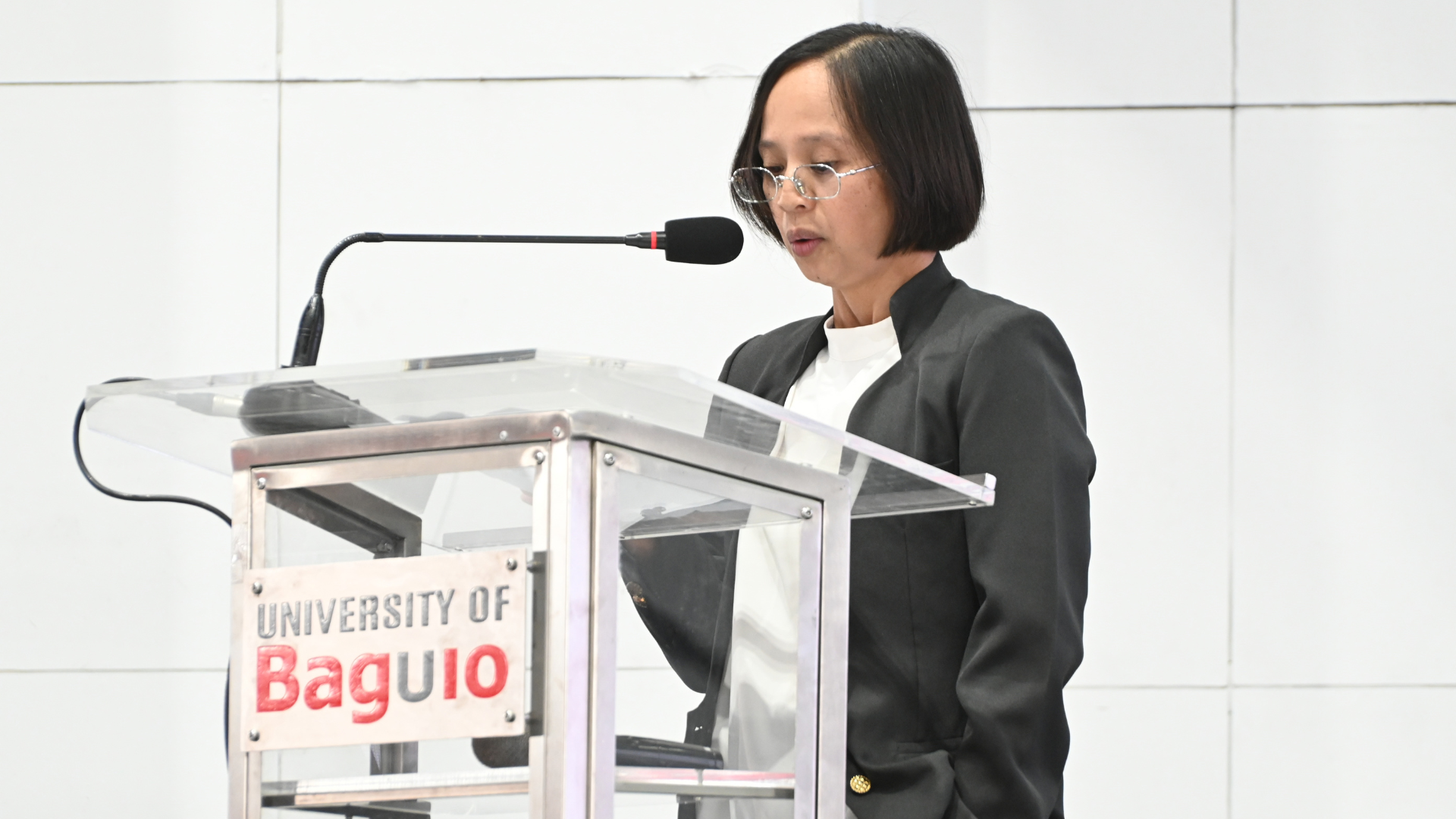
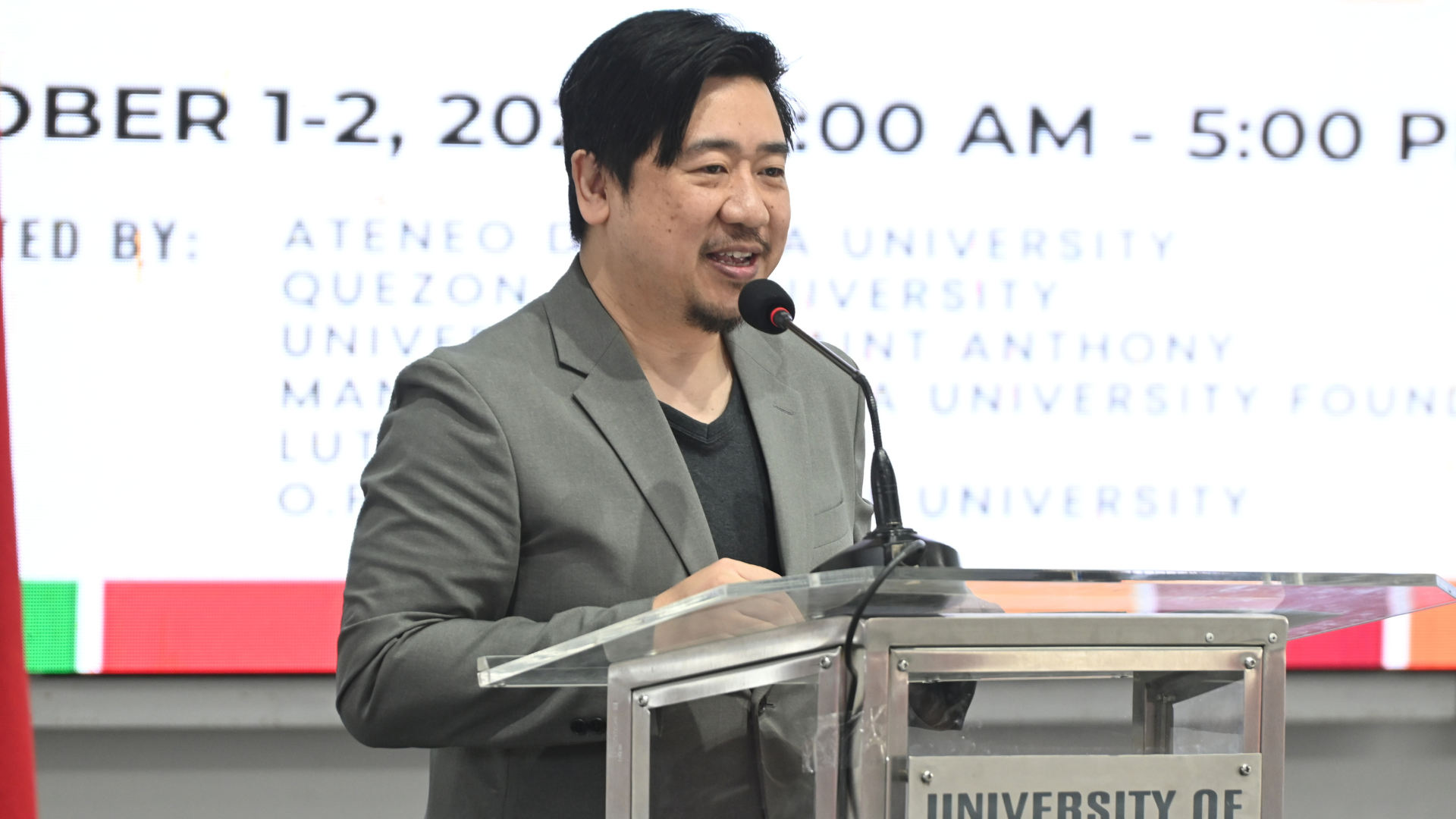
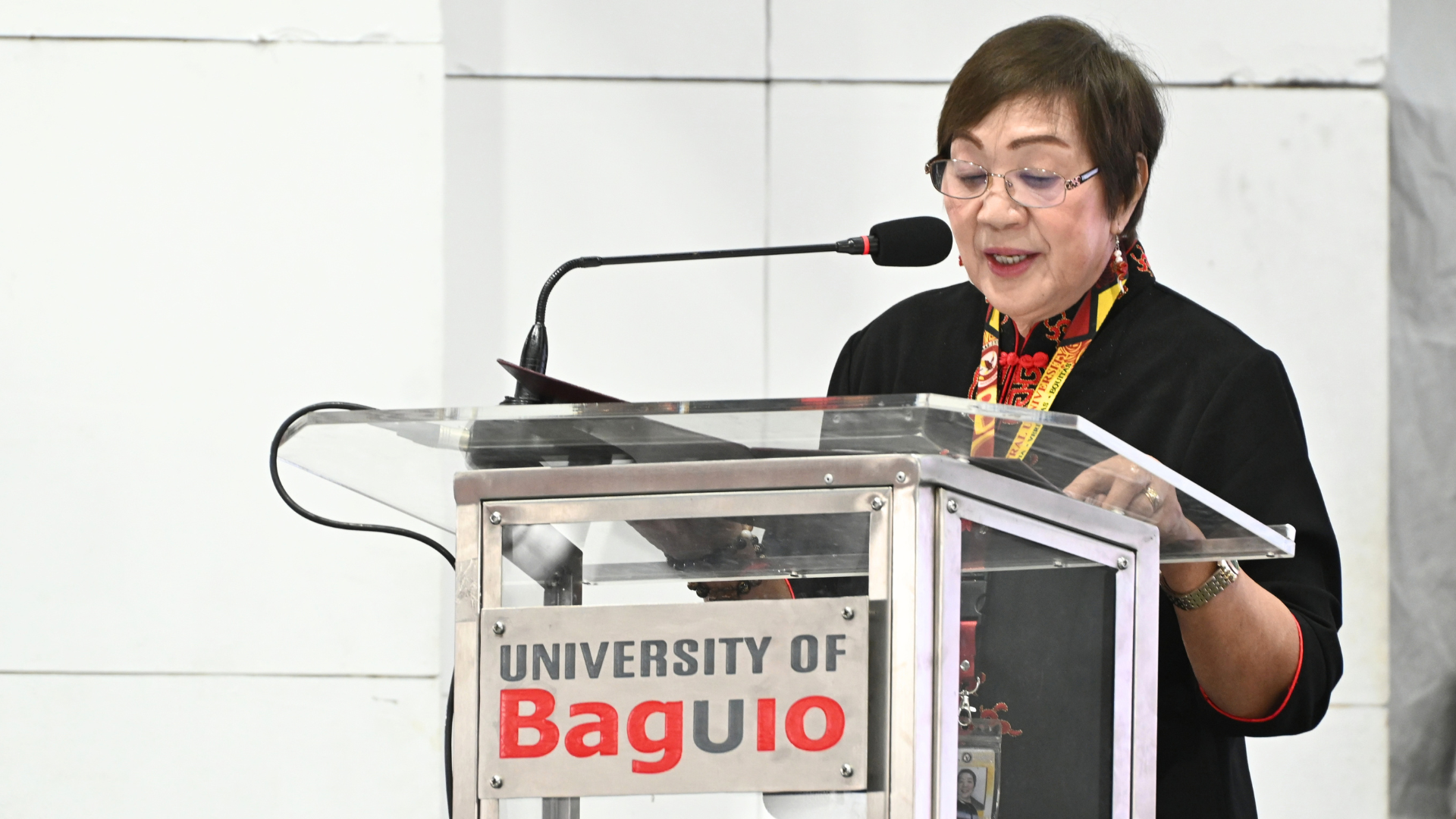
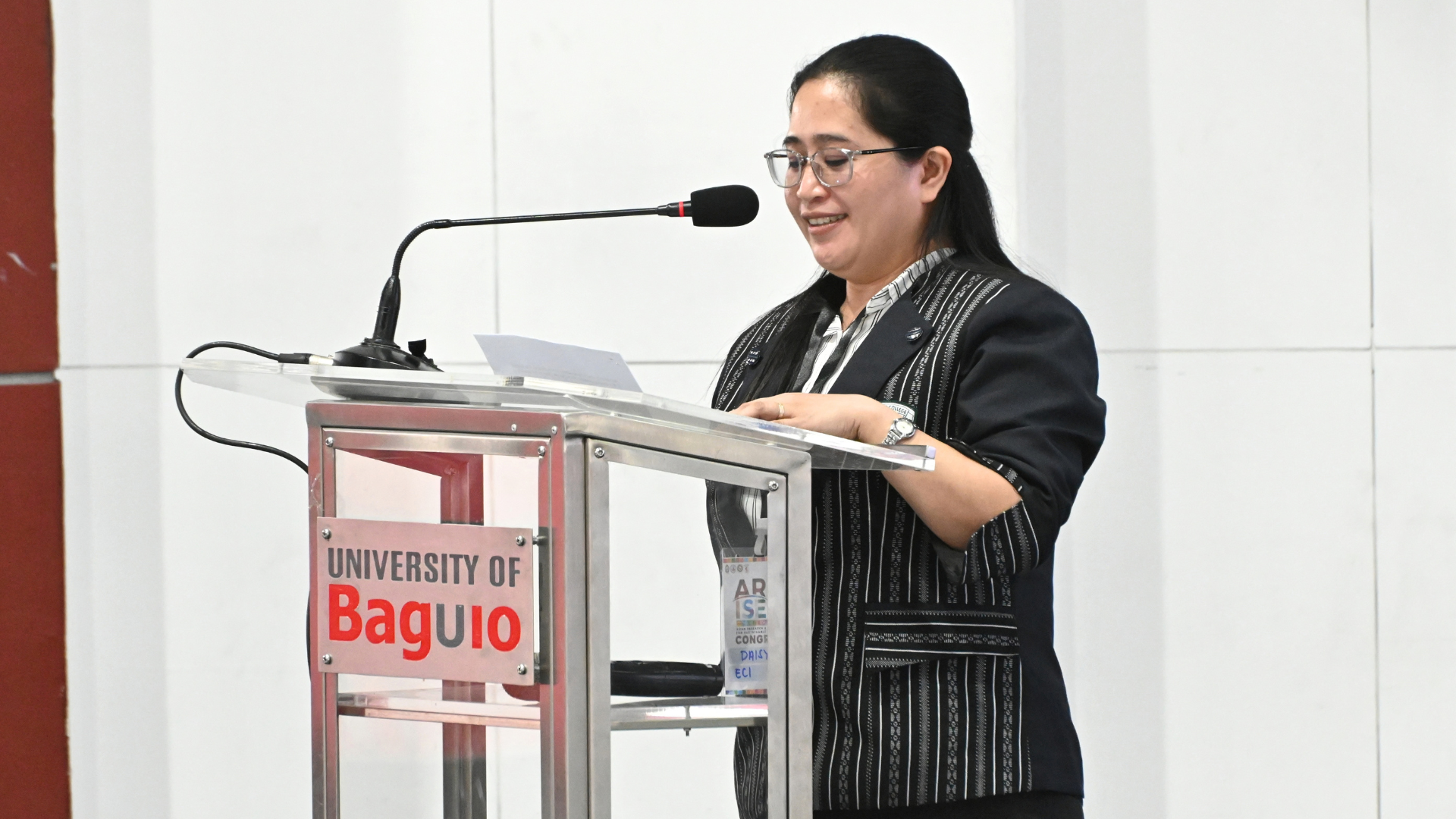
The congress was formally opened with inspiring messages from the presidents and representatives of the four lead higher education institutions: Dr. Sherry Junette M. Tagle, Dr. Javier Herminio D. Bautista, Dr. Elma Dona-al, and Dr. Daisy B. Olli. Their messages underscored the vital role of research, innovation, and academic collaboration in addressing the evolving needs of communities and educational institutions. The speakers emphasized that research serves as a powerful tool for responding to societal challenges, strengthening community resilience, and transforming lives through the generation and application of knowledge. They likewise highlighted the CUBE Consortium as a model of inter-institutional partnership, demonstrating how collective action can create meaningful opportunities for knowledge exchange, professional development, and sustainable growth. Throughout the opening program, a common message resonated: meaningful collaboration enables institutions to maximize their strengths and develop innovative solutions to emerging educational and social concerns.
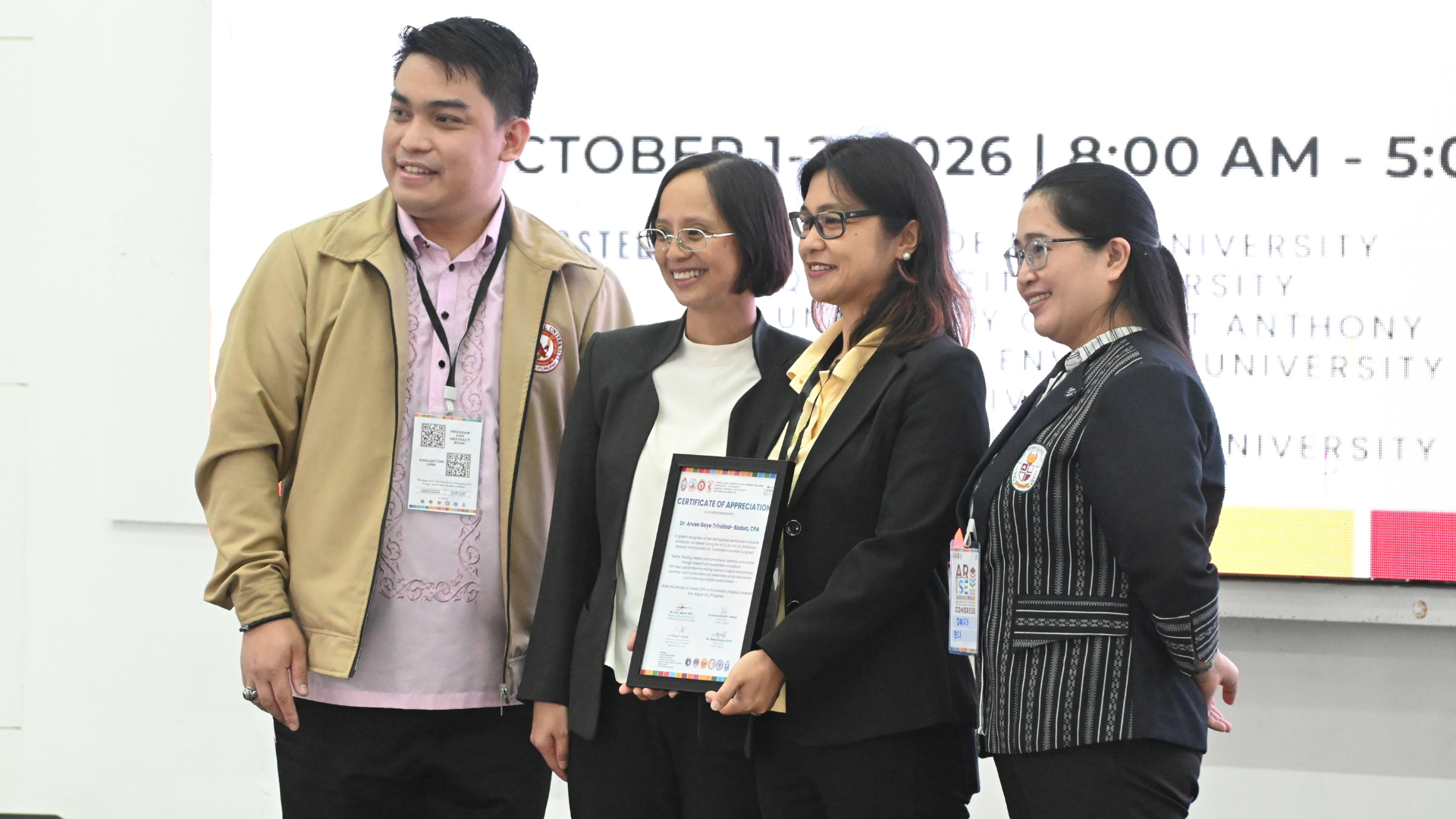
Furthermore, Dr. Arvee Gaye Trinidad-Badua from the Commission on Higher Education Cordillera Administrative Region (CHED-CAR), commended the CUBE Consortium for establishing a unified platform that advances research excellence, innovation, and academic collaboration among higher education institutions. She emphasized the significance of ARISE 2026 as a venue for researchers, educators, and academic leaders to exchange knowledge, showcase evidence-based practices, and collaborate on solutions to pressing educational and community challenges. She further noted that initiatives such as ARISE strengthen the region’s research culture, encourage innovation-driven development, and empower communities through active academic engagement and strategic partnerships.
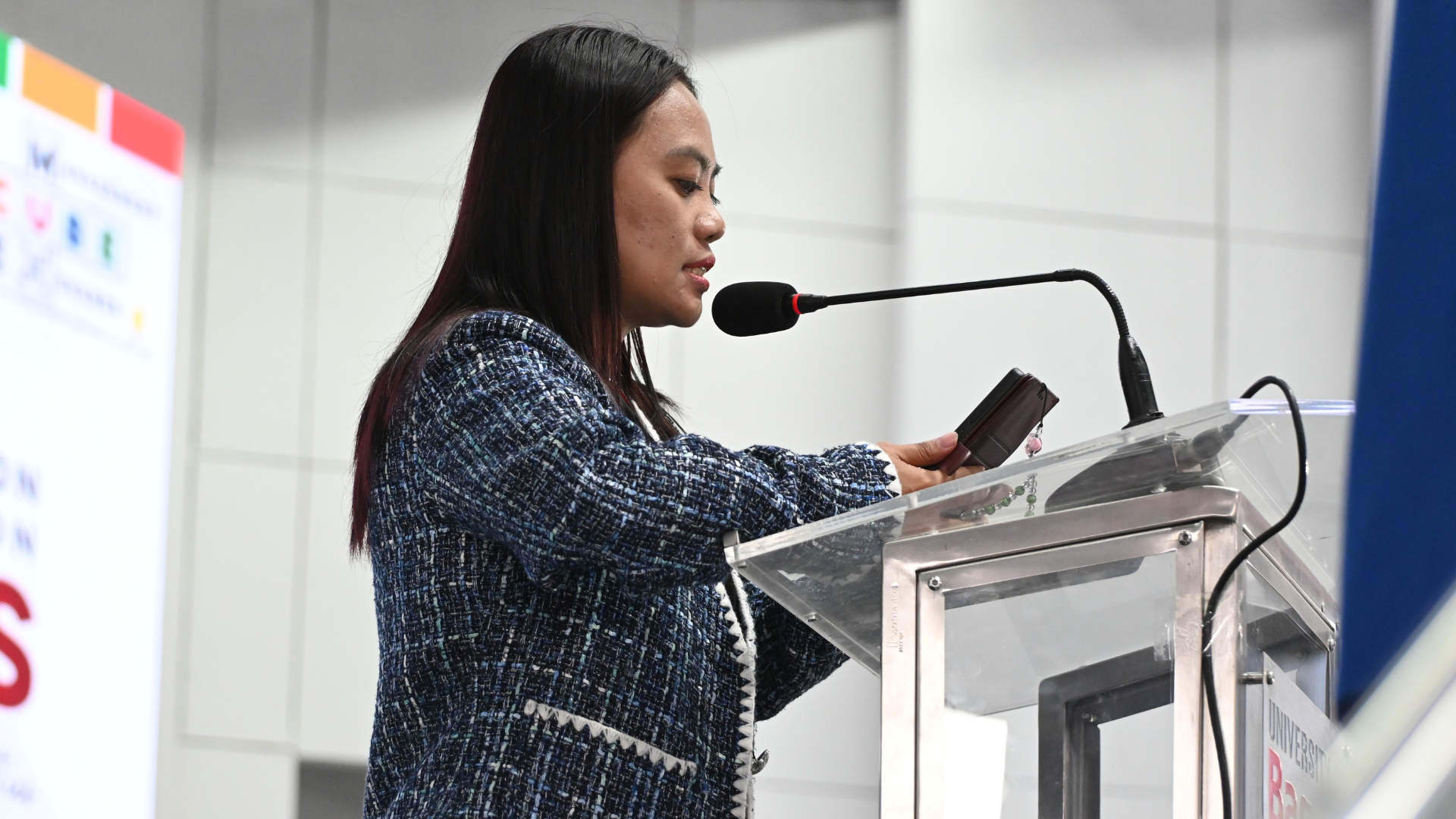
Additionally, to provide an overview of the congress, Dr. Donnavila Marie Panday-Herbster highlighted research, innovation, extension, instruction, and quality assurance as the core pillars of transformative educational development. She stressed that scholarly work extends beyond publication and presentation, emphasizing that “a paper presented today can become a policy tomorrow.” Her message reinforced the importance of research as a catalyst for informed decision-making, institutional improvement, and sustainable community development.
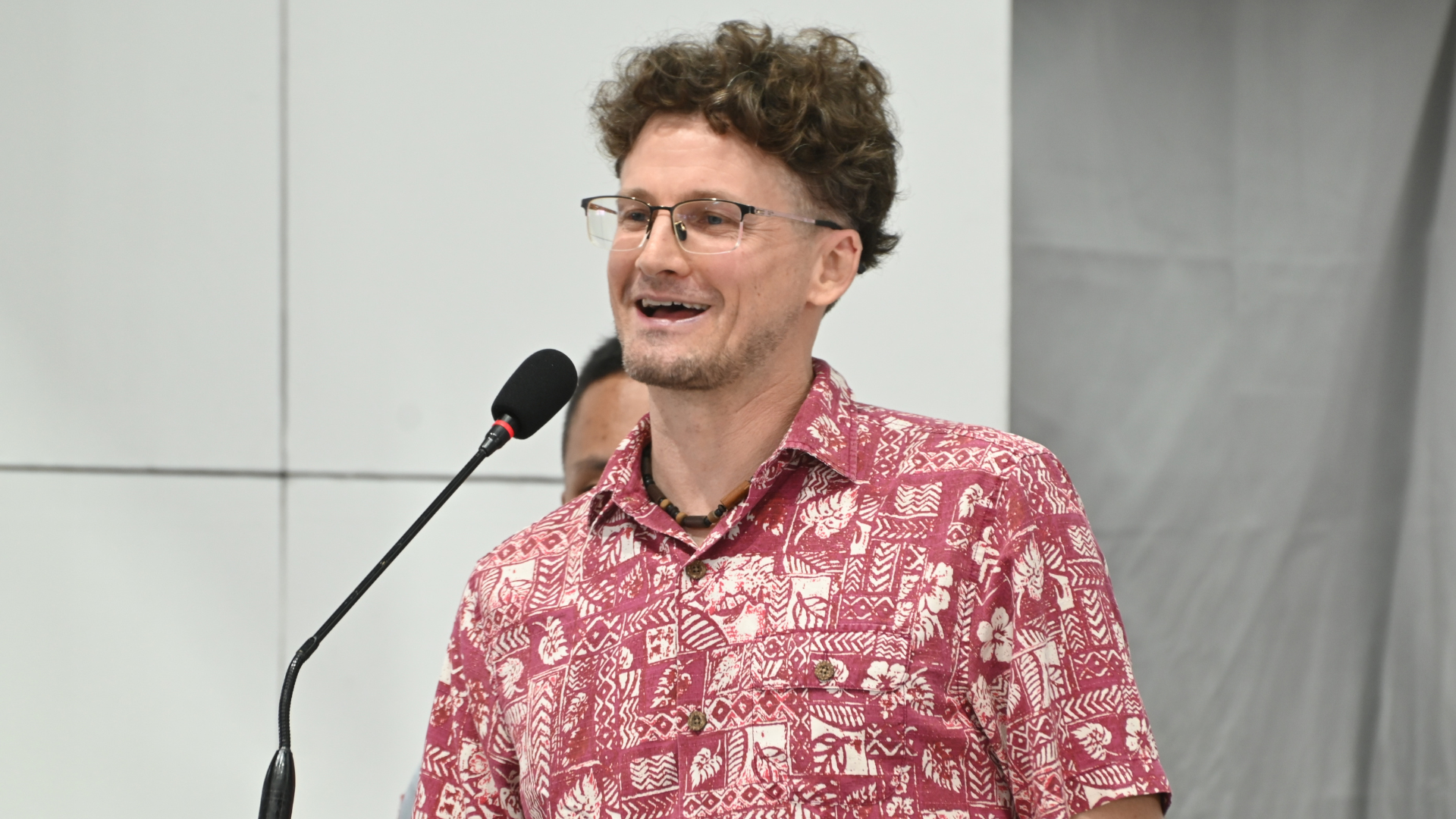
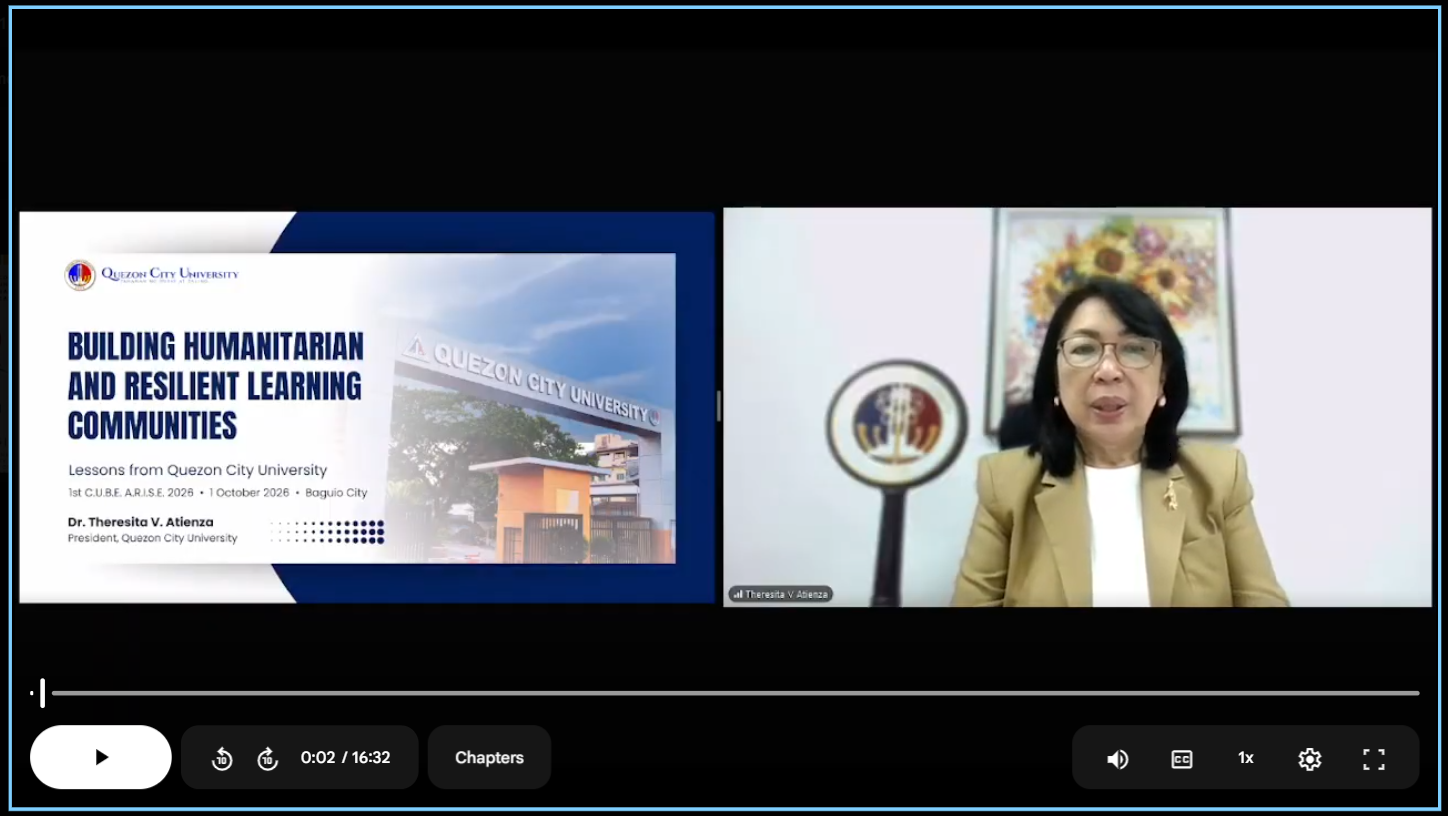
To dig deeper on the highlights of the congress, the first keynote speaker, Firth McEachern of the University of British Columbia, delivered a thought-provoking presentation titled, “Our Languages, Education, and Sustainable Development.” He began his session with an interactive activity that encouraged participants to actively engage themselves using their first language, highlighting the intrinsic connection between language, identity, culture, and resilience. McEachern emphasized that multilingualism fosters innovation, inclusivity, and deeper social understanding. He advocated for the preservation and promotion of indigenous and local languages, stressing that sustainable development must recognize linguistic diversity and ensure that communities are empowered through their own cultural and linguistic heritage.
Moreover, Dr. Rahul Bhandari, Associate Dean and Director at O.P. Jindal Global University, India. In his presentation, “Resilient Universities in a Disrupted World,” he explored how higher education institutions can remain relevant amid rapid and continuous global change. He identified climate challenges, artificial intelligence, research accountability, and regional integration as four major forces reshaping higher education across Asia. According to Dr. Bhandari, resilient universities are not merely institutions that survive disruptions; they are institutions that ensure no learner is left behind during times of uncertainty and transition. Dr. Bhandari further emphasized the importance of generating meaningful research impact by addressing local problems through evidence-based approaches, co-creation, adoption, and measurable outcomes. He challenged participants to evaluate research through three key questions: Who benefits? What changes? How can those changes be measured? He also underscored that innovation does not always require substantial financial resources; rather, sustainable innovation frequently begins with small, practical, and scalable interventions that improve learning outcomes and community well-being. Addressing the rise of artificial intelligence, he remarked that “AI is not an educational crisis; it is a leadership test,” highlighting the need for thoughtful, ethical, and strategic integration of emerging technologies in education.
The keynote sessions were followed by a panel discussion facilitated by Dr. Donnavila Marie Panday-Herbster, featuring Mr. James G. Rush, Firth McEachern, and Dr. Rahul Bhandari. Through an engaging question-and-answer segment, the panel explored critical issues surrounding sustainability, resilience, multilingualism, artificial intelligence, and inclusive development. The speakers emphasized that sustainability requires long-term commitment, strong communication, and shared responsibility, while resilience is demonstrated through the ability to recover, adapt, and thrive amidst challenges. The discussion also highlighted the importance of ensuring accessibility, inclusivity, and community engagement as educational institutions navigate a rapidly changing landscape.
Another major highlight of the congress was the research paper presentation sessions, with a total of forty-four (44) presenters, and the evaluation of seven (7) research posters, which provided participants with opportunities to disseminate findings, exchange ideas, and contribute evidence-based solutions to contemporary educational and societal concerns. Research presentations were organized into thematic clusters, including Humanitarian Resilience and Learning Communities, Sustainable Innovation and Educational Transformation, Partnerships, Peace, and Inclusive Development, and Gender and Development. On the other hand, the evaluation for the research posters were done simultaneously with the presentation. These parallel sessions fostered scholarly dialogue and reinforced the congress’s commitment to advancing innovative and sustainable solutions through research.
Through the collective efforts of the CUBE Consortium and its partner institutions, ARISE 2026 successfully brought together diverse voices from the academic community united by a shared commitment to transforming education through research, innovation, and collaboration. More than a gathering of scholars and practitioners, the congress served as a platform for building partnerships, strengthening resilience, and generating ideas that can shape the future of education.
Photo credit: Gabriel John Madriaga / LINKAGES-MAP