EVENTS

University of Baguio Advances Research Excellence and Global Competitiveness through Extensive Scientific Publication Training

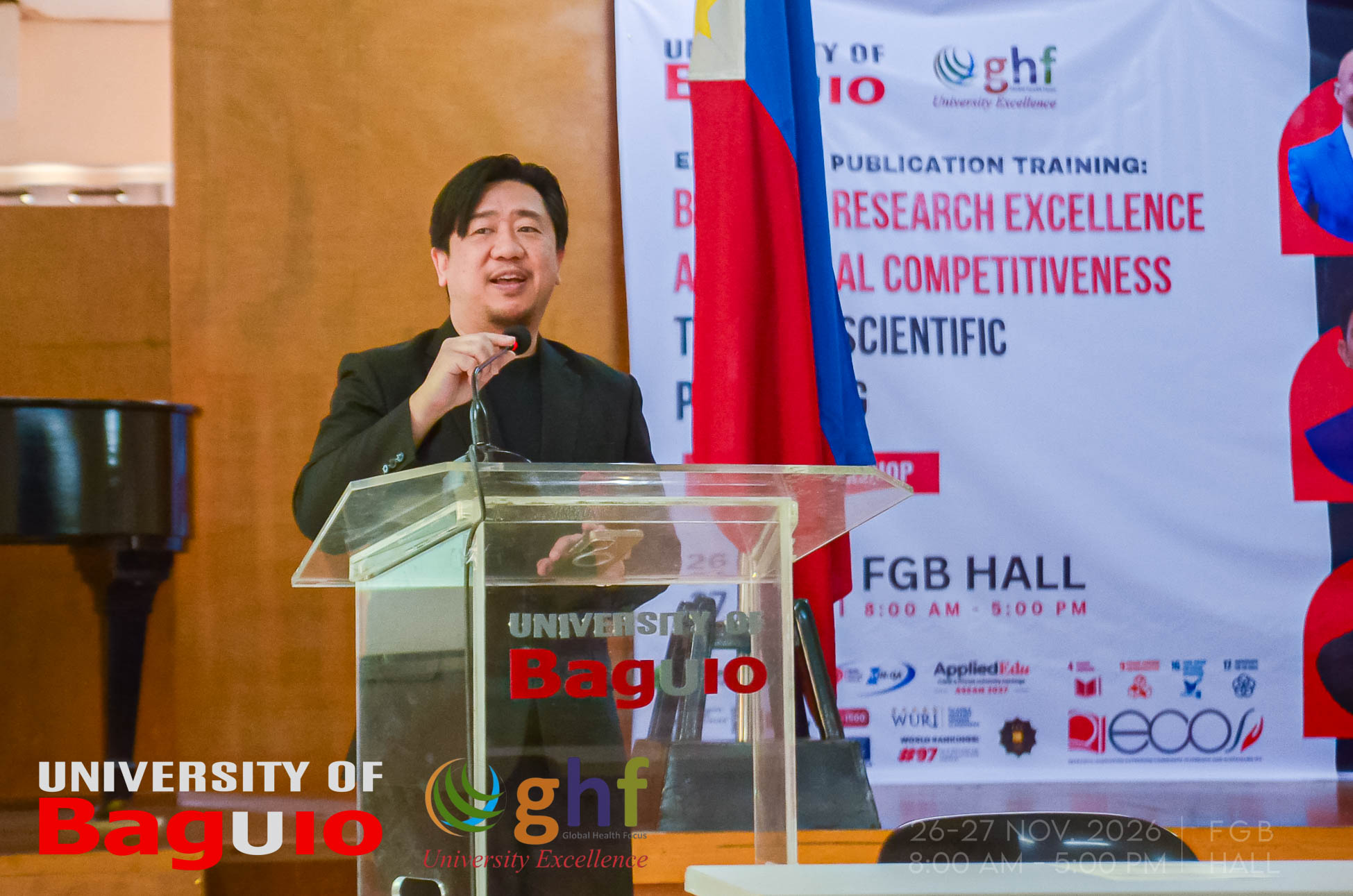
the beginning of a continuing journey toward strengthening the University’s research culture and establishing UB as an institution recognized for its research impact on society. – Dr. Javier Herminio D. Bautista, President, University of Baguio

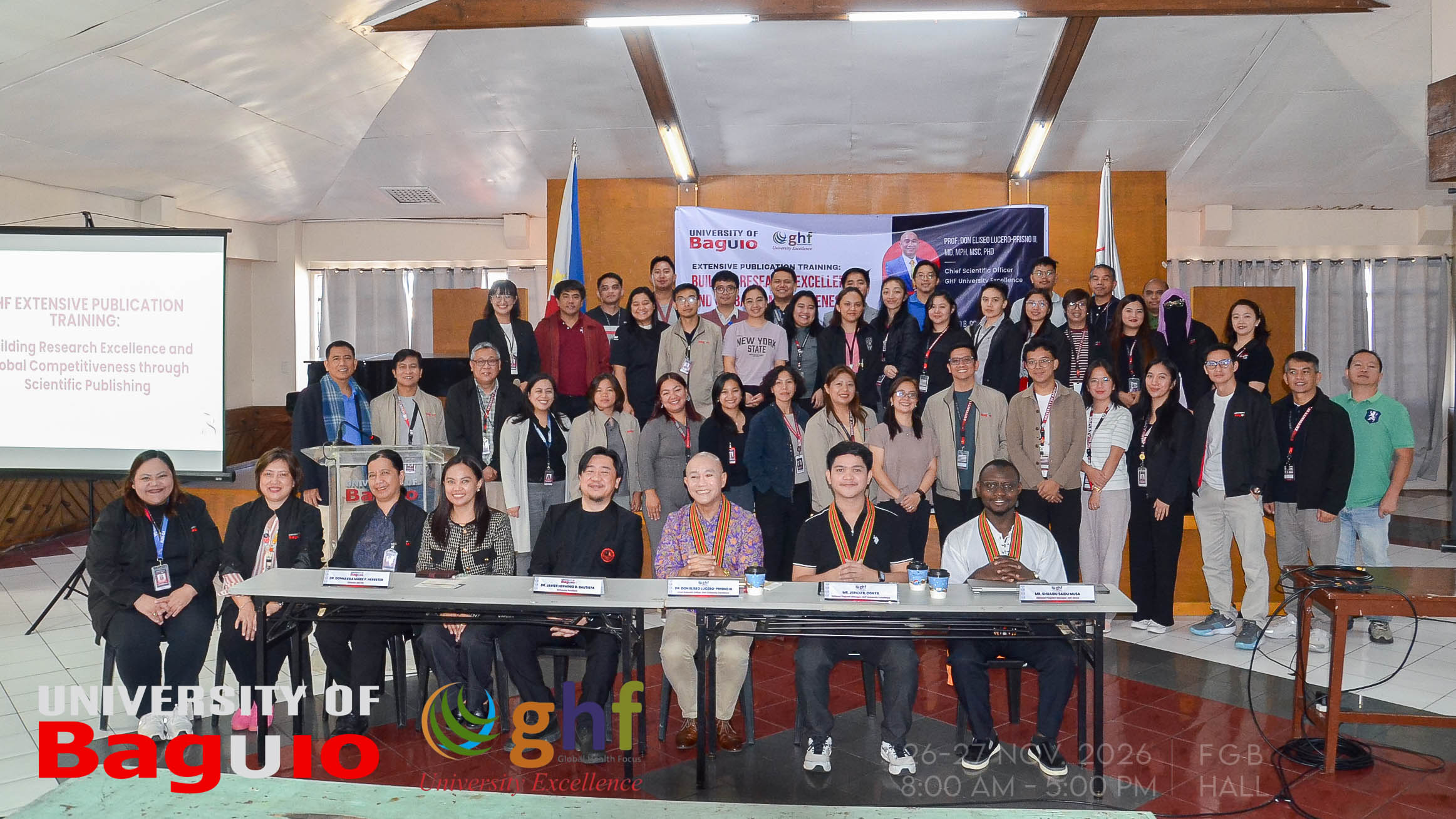
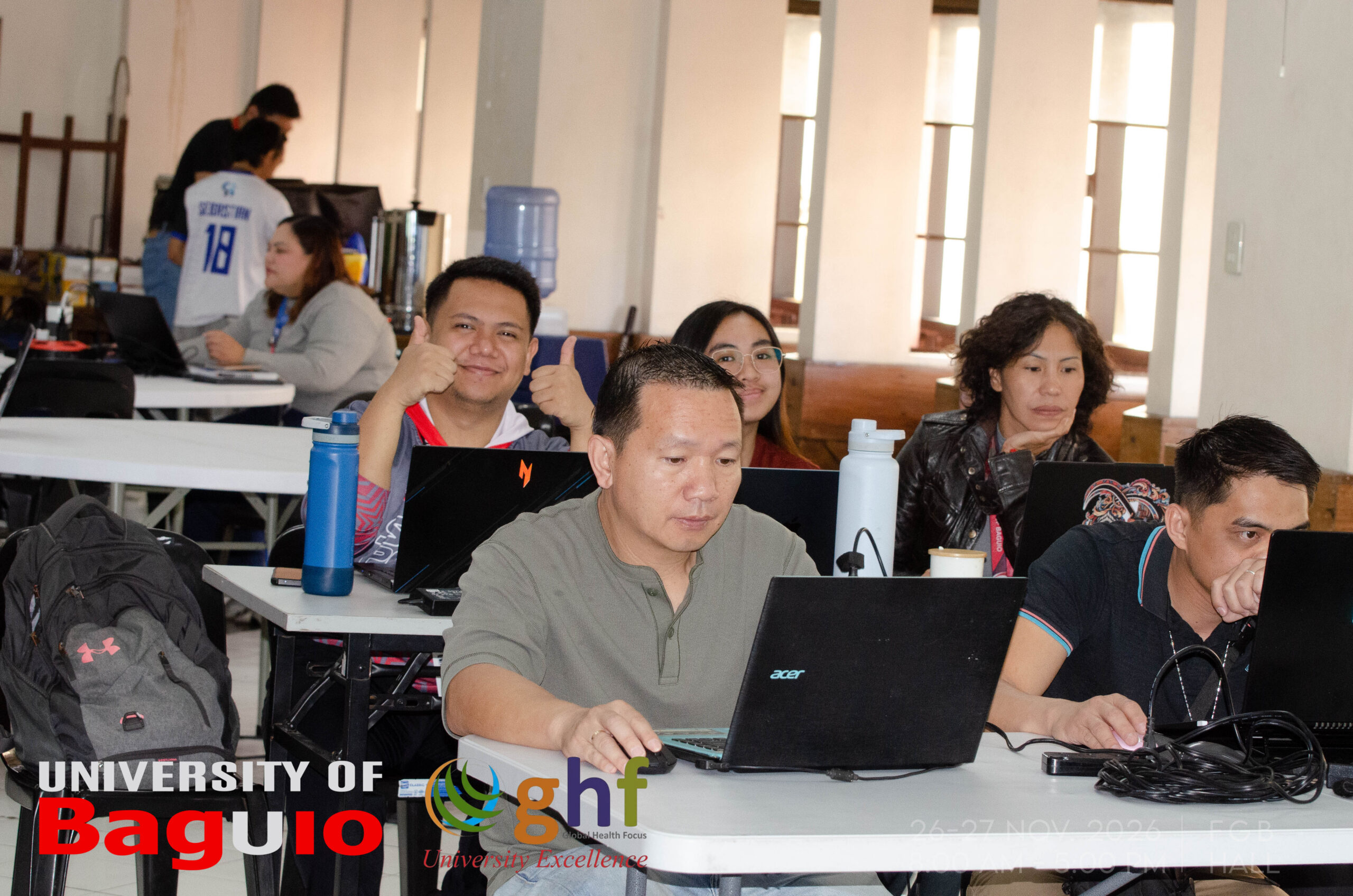
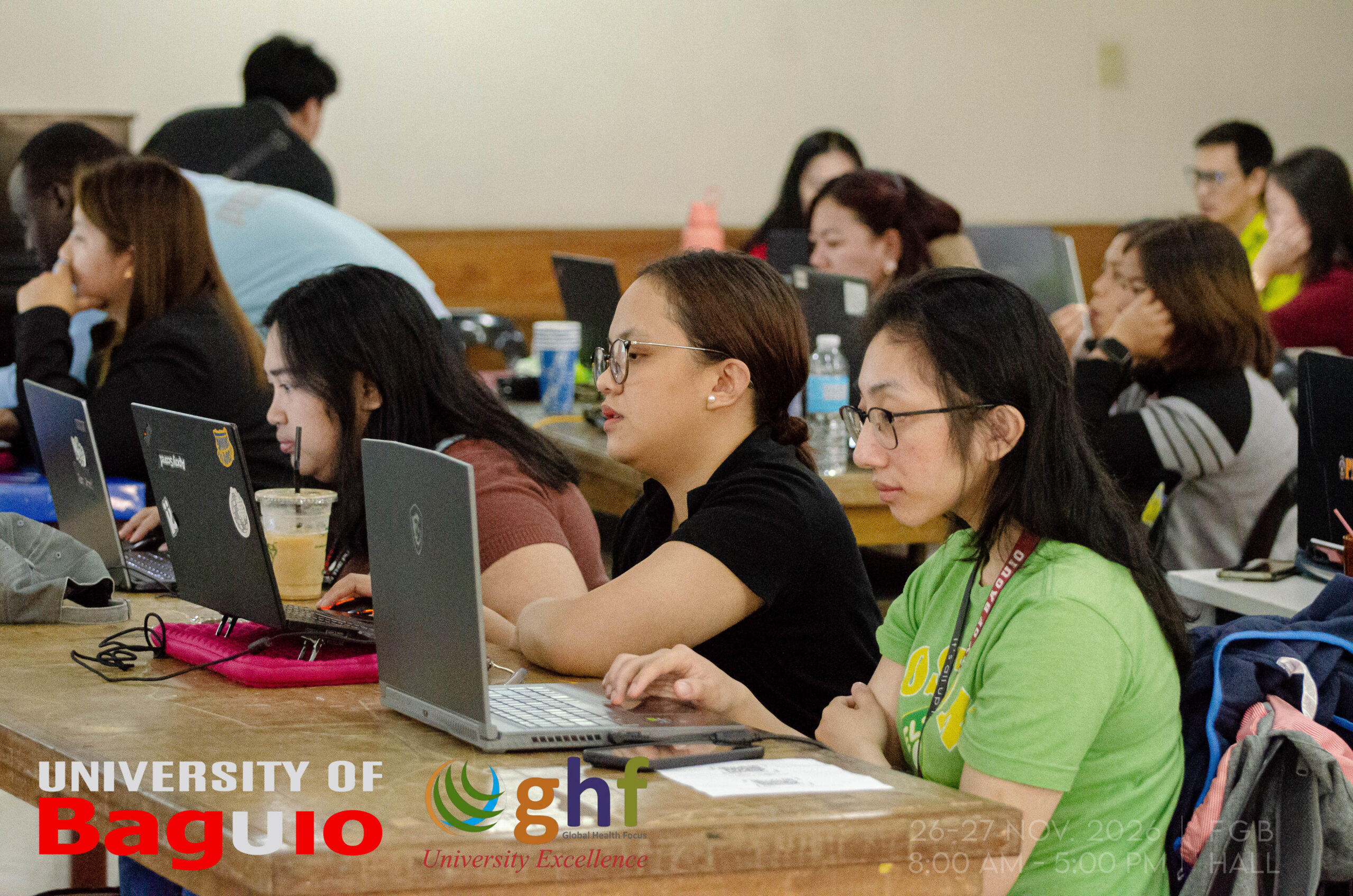
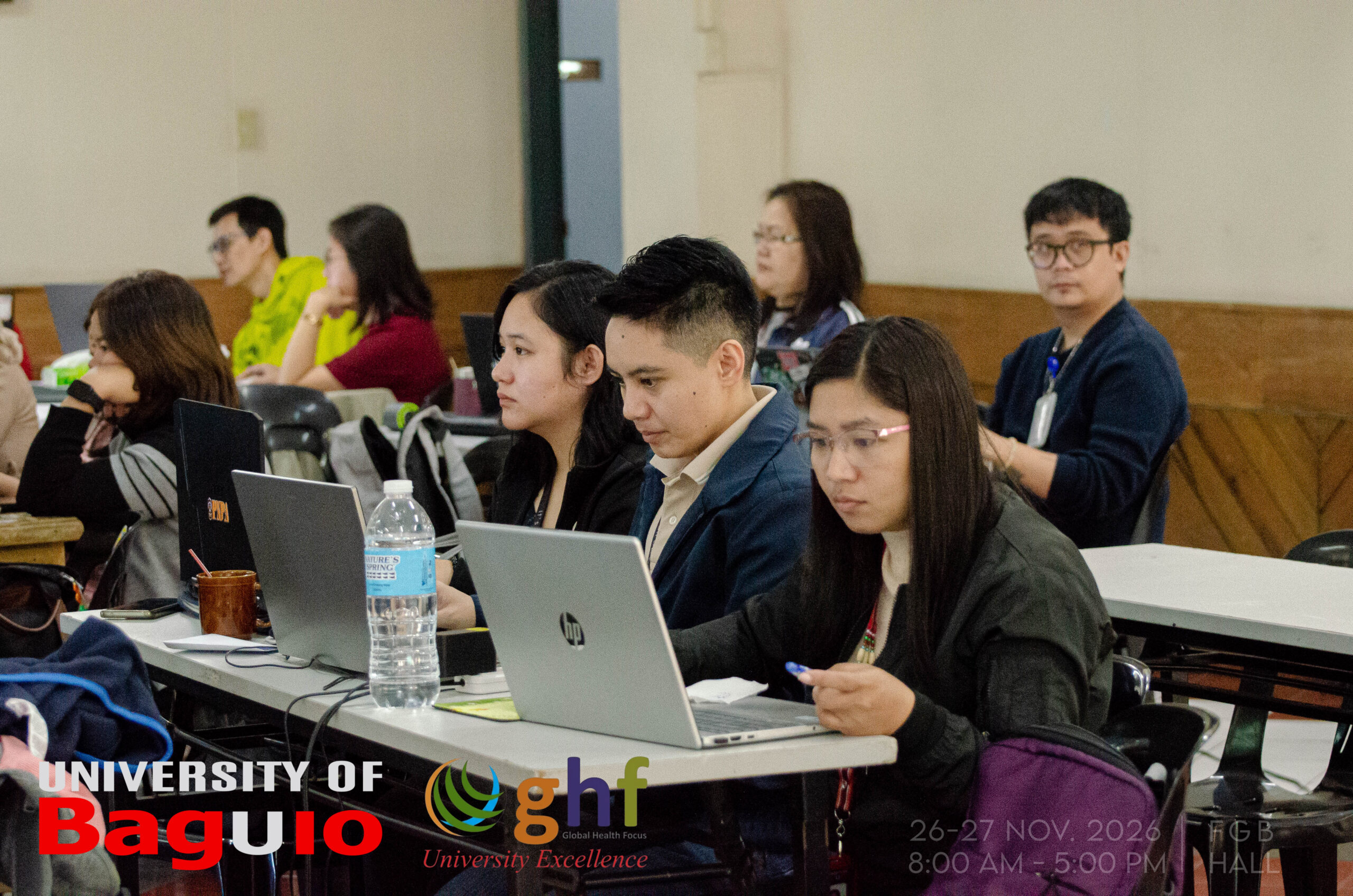
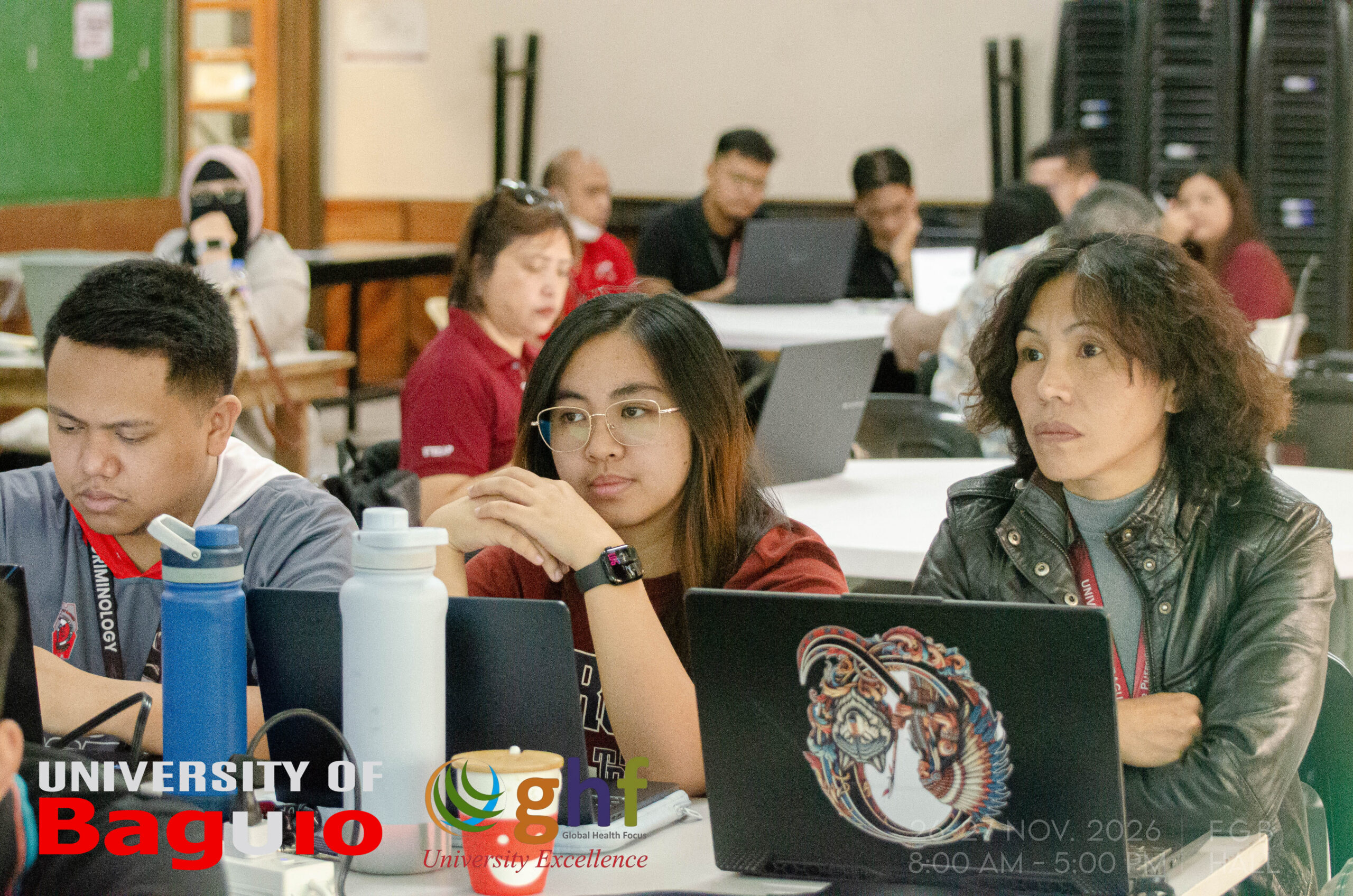
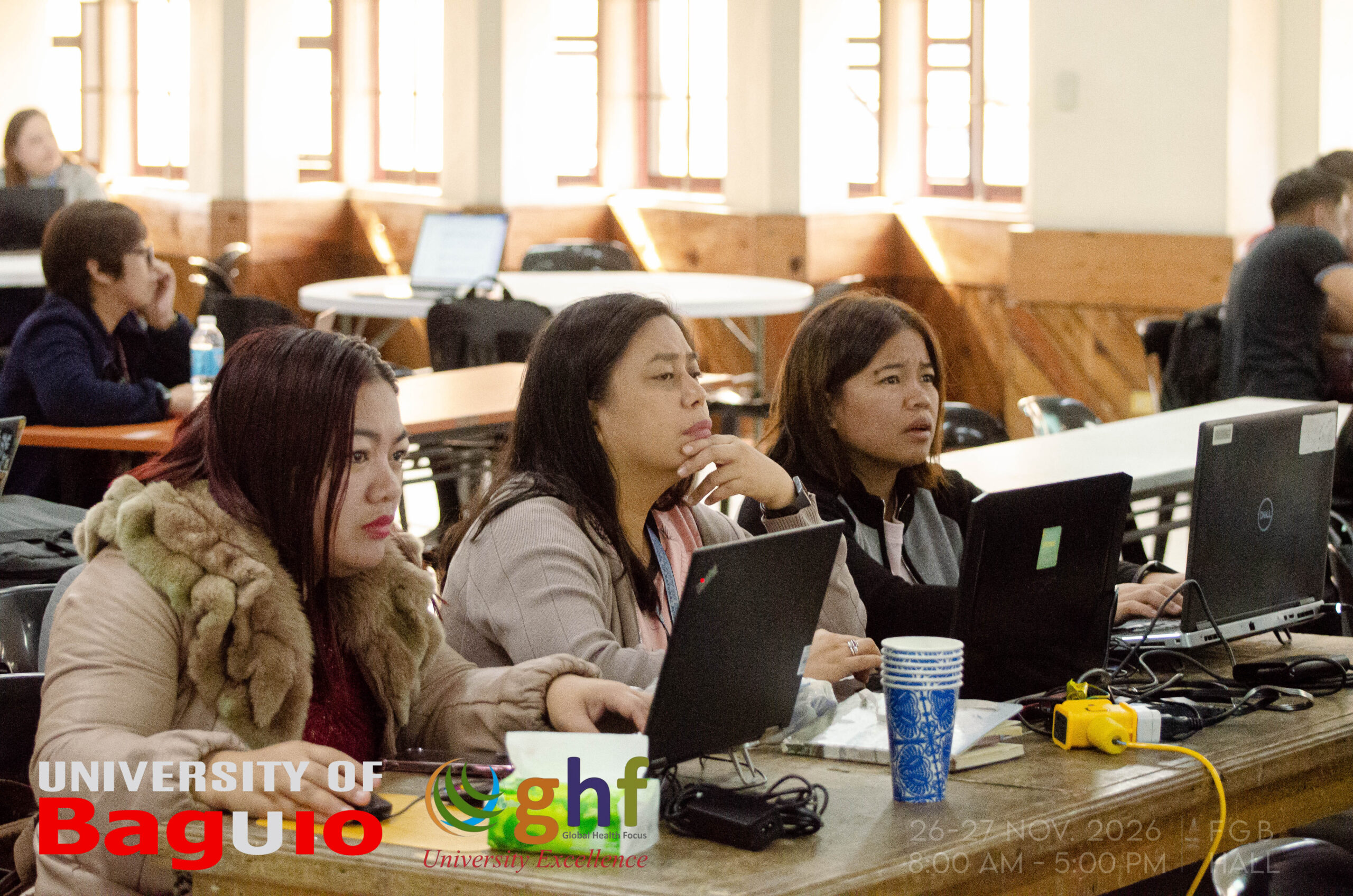
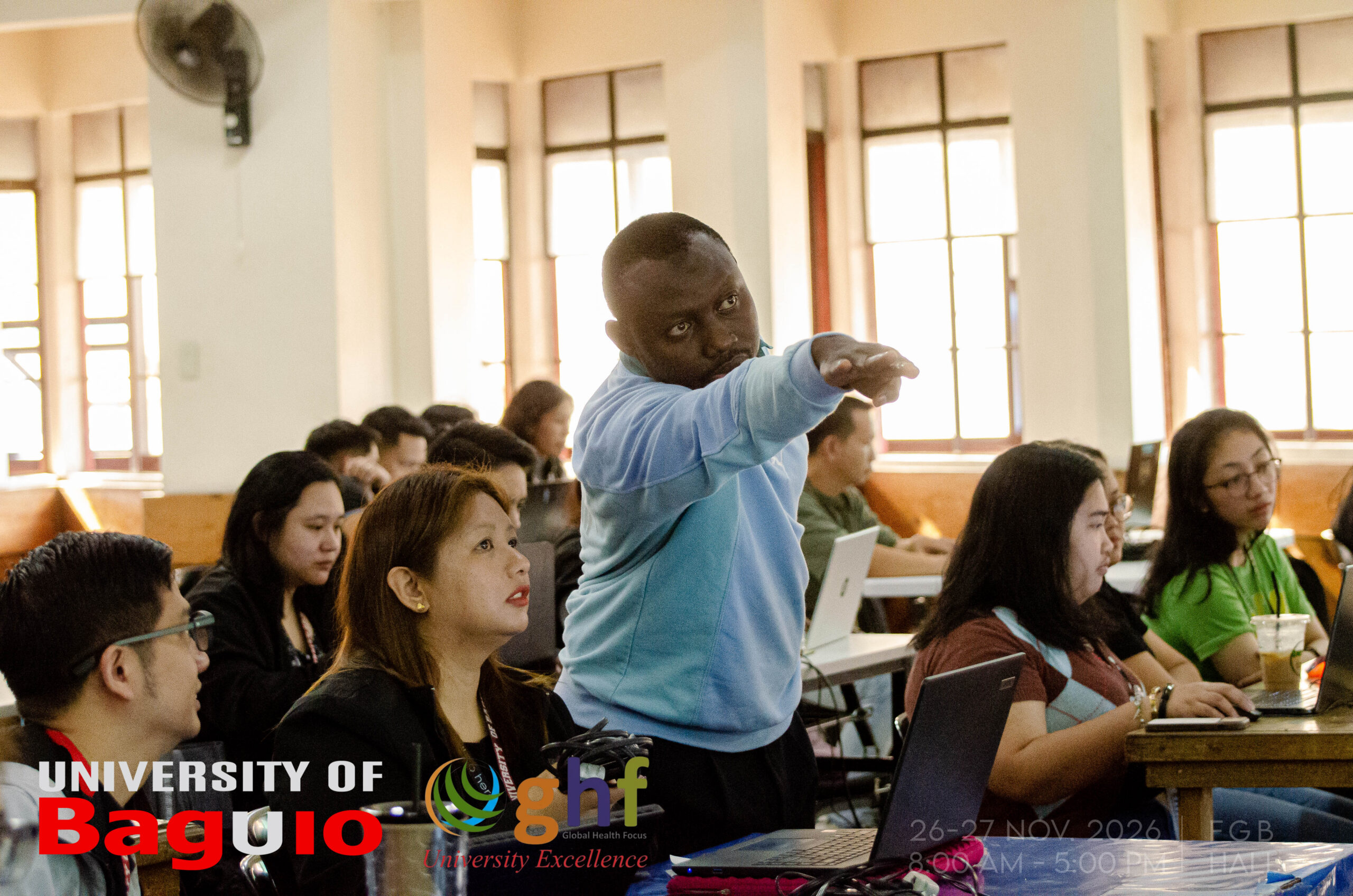
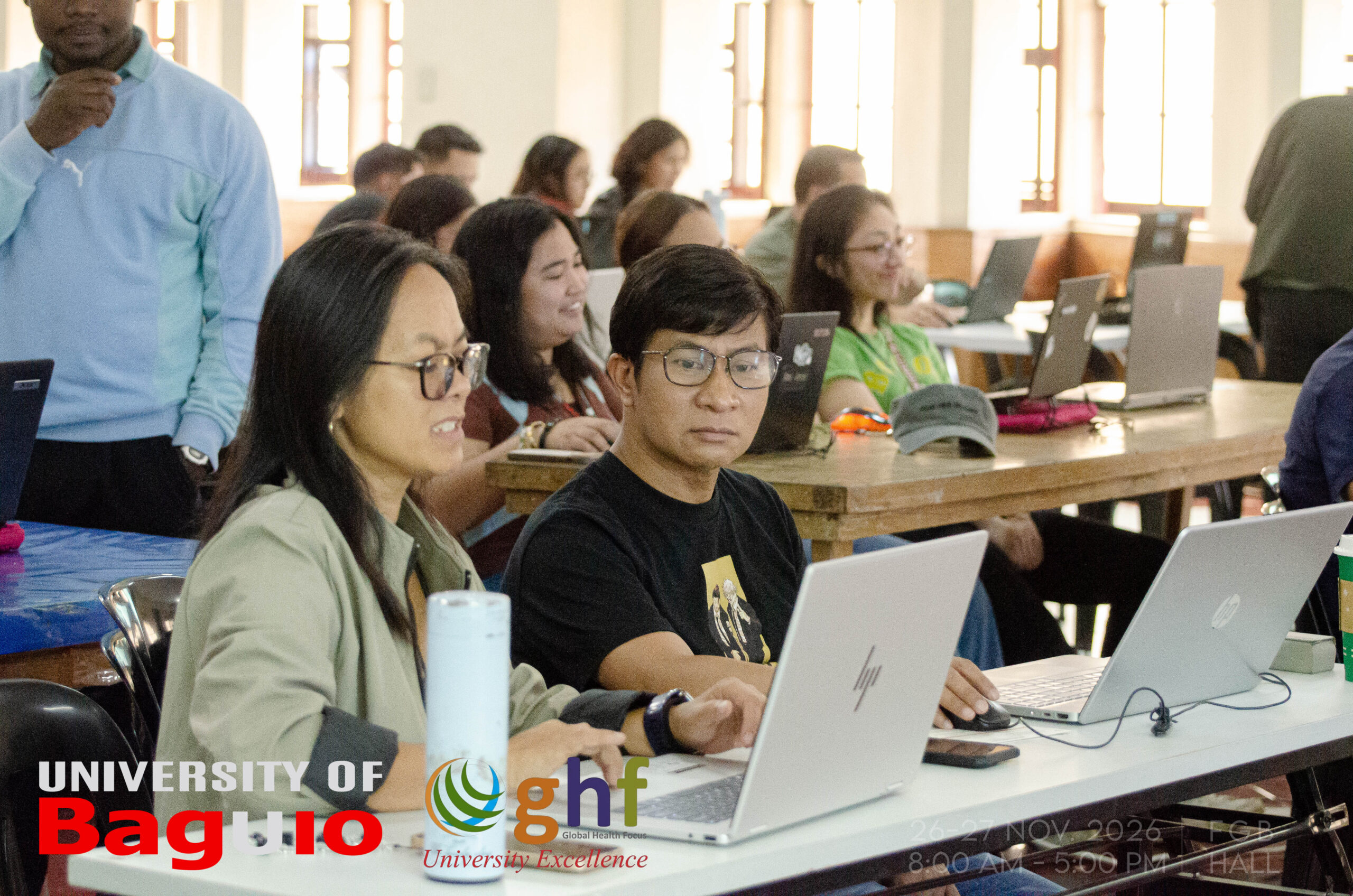
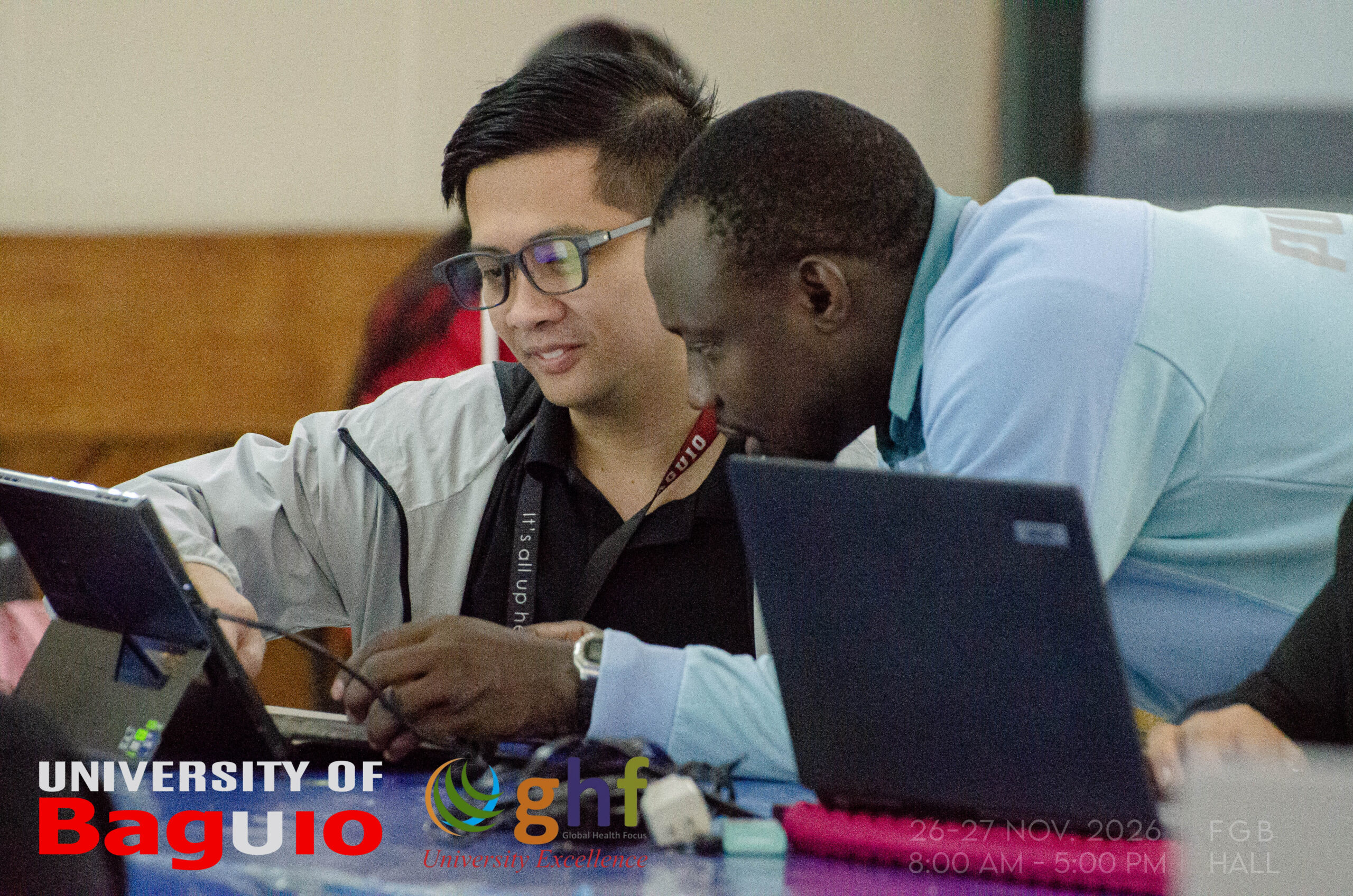
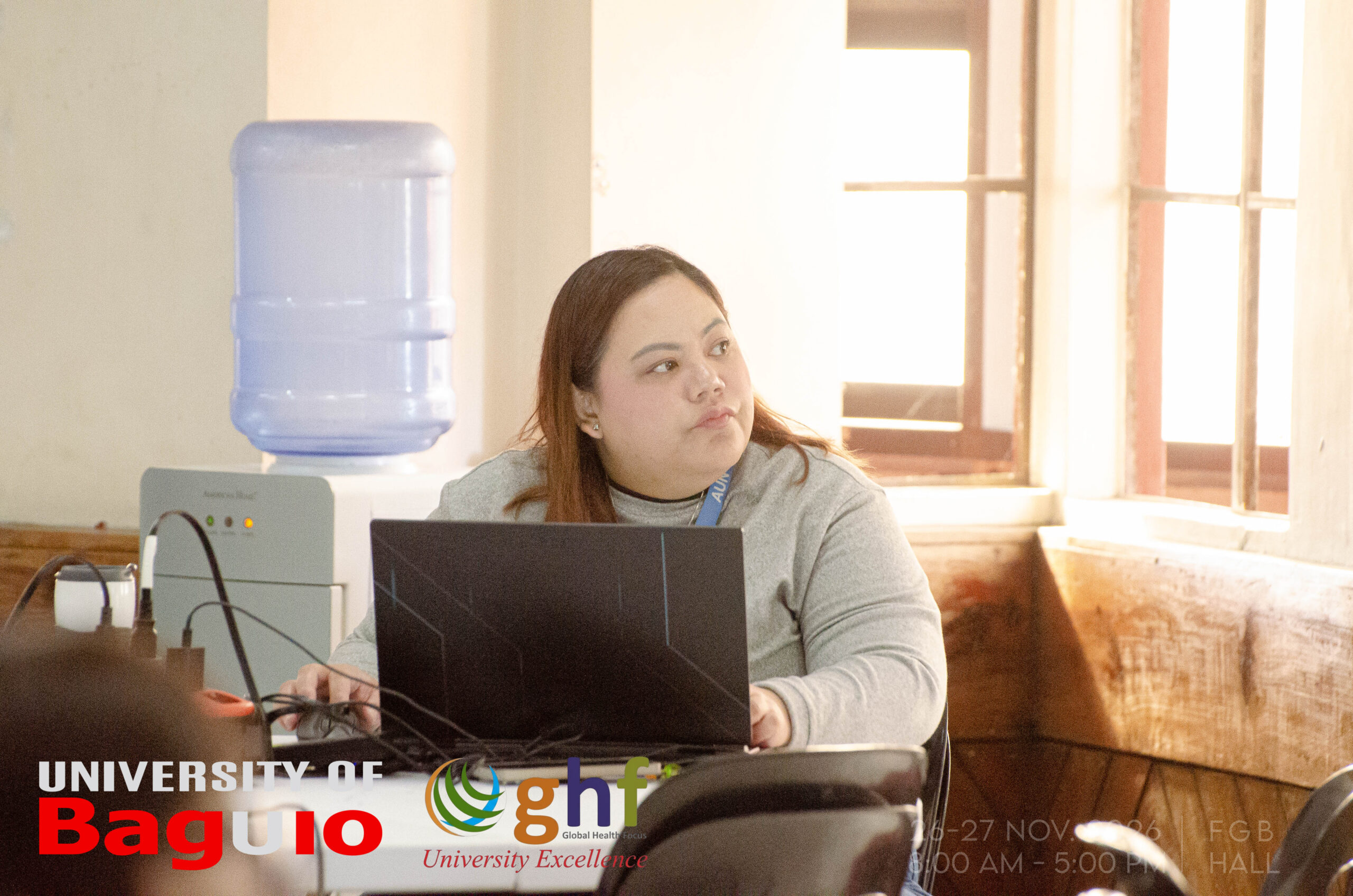
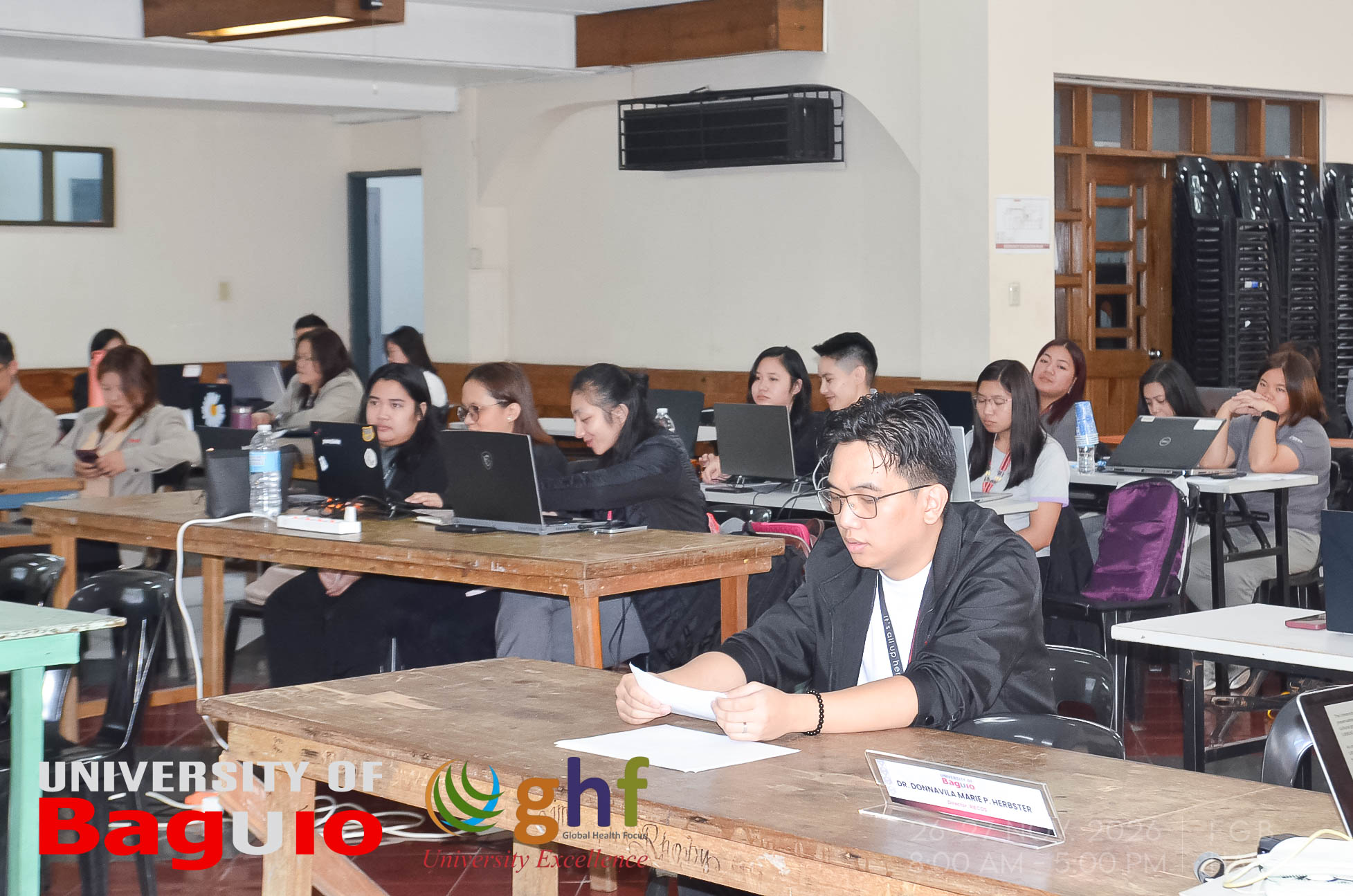
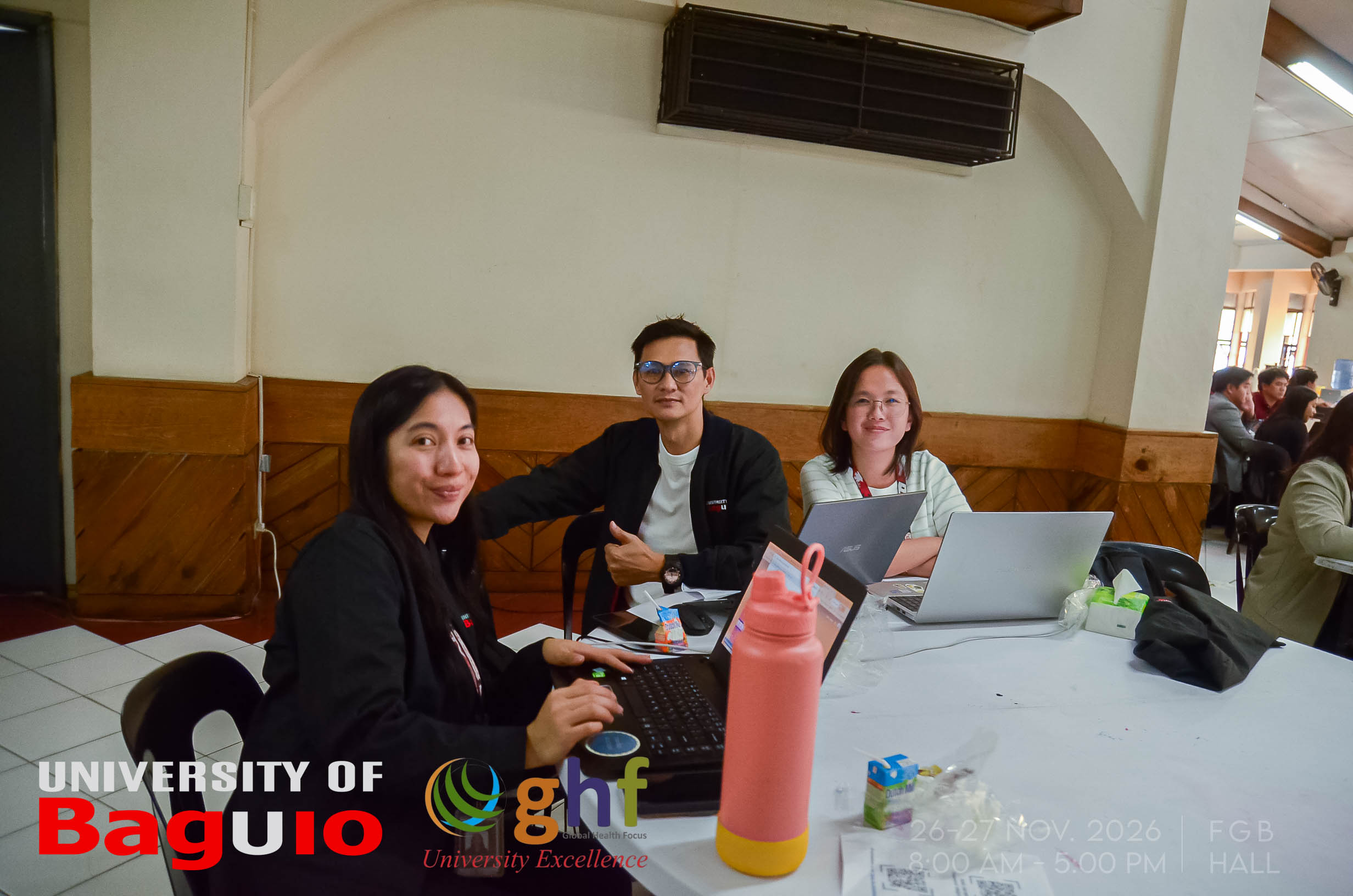
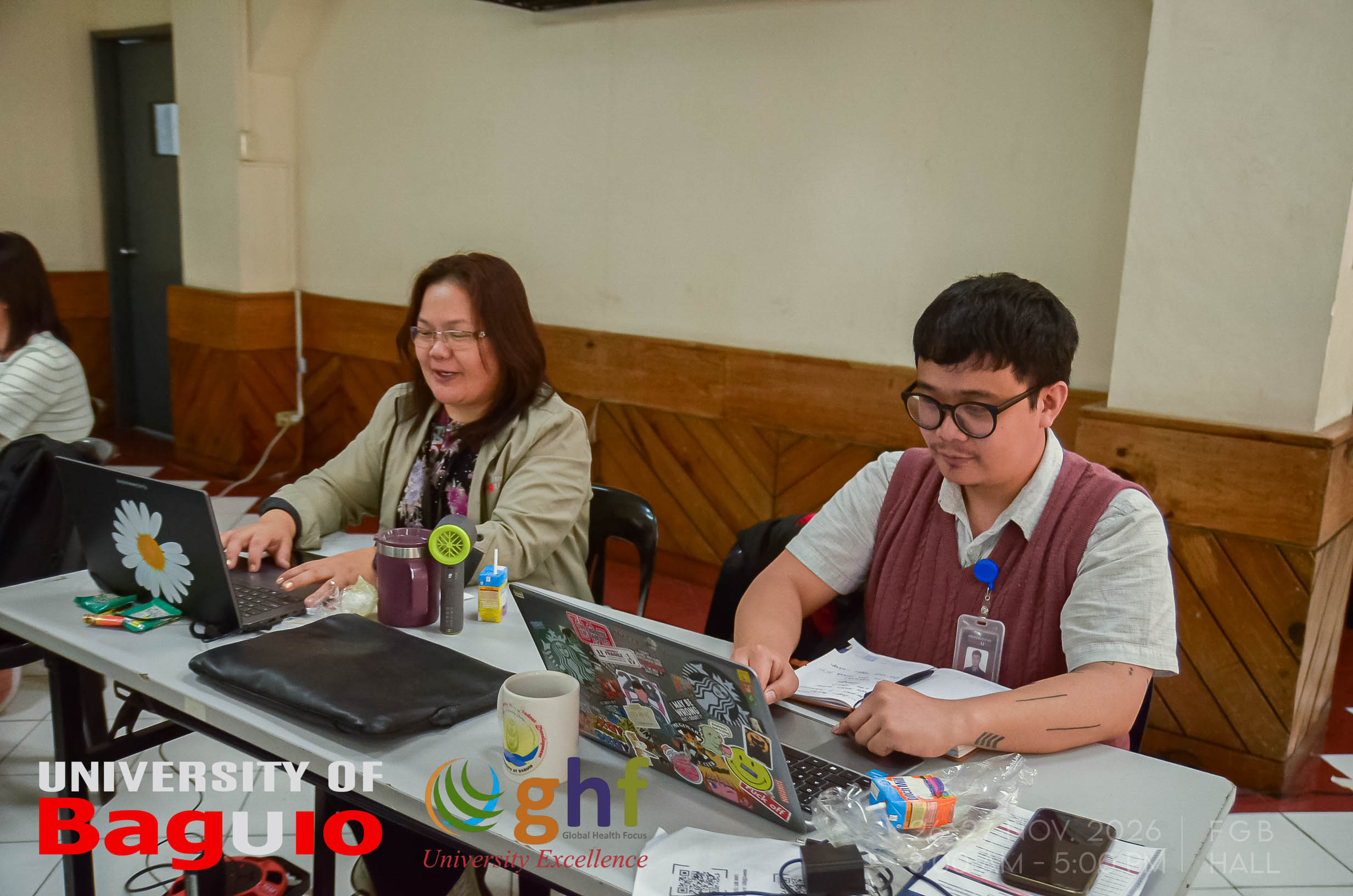
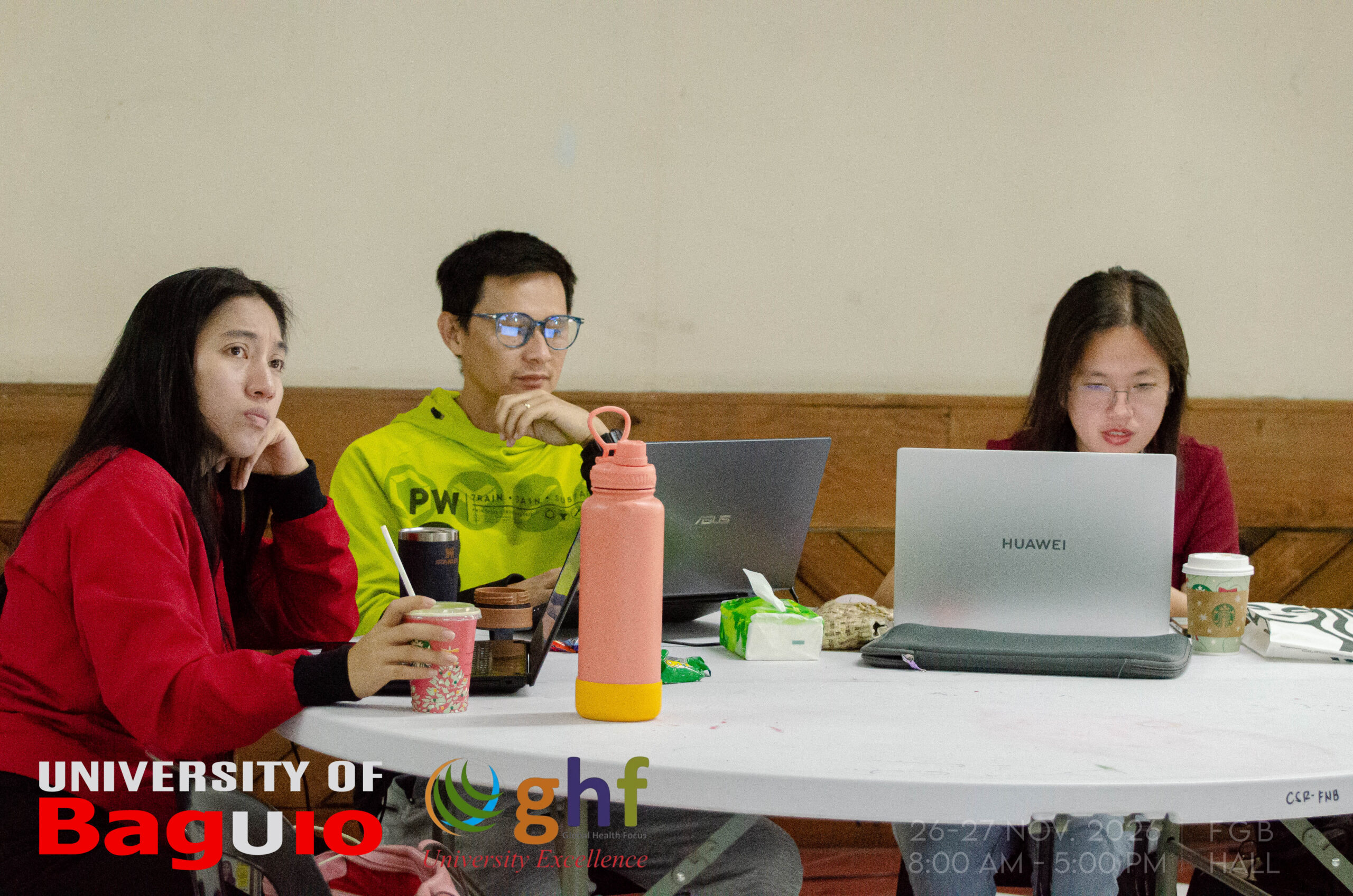
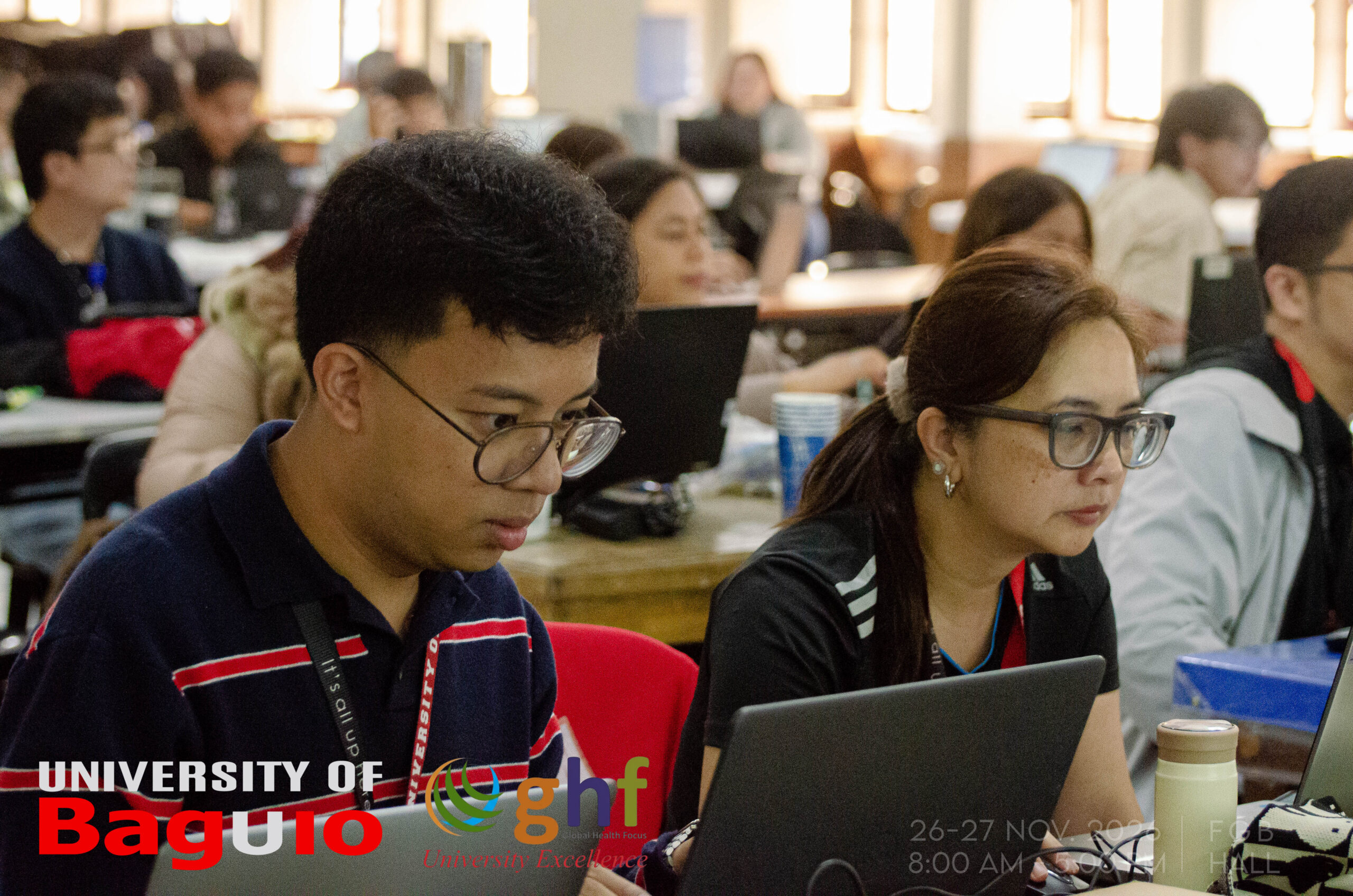
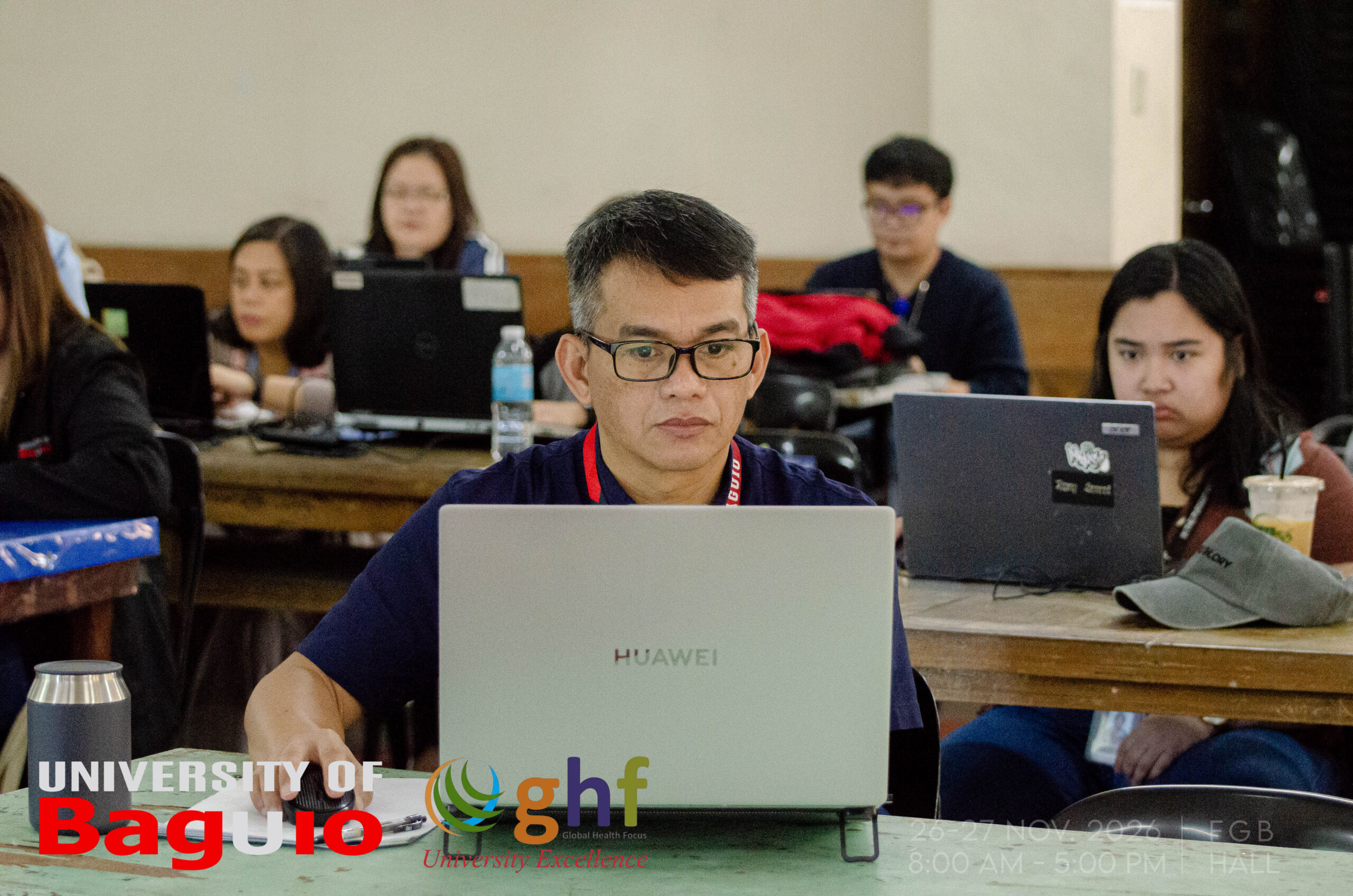
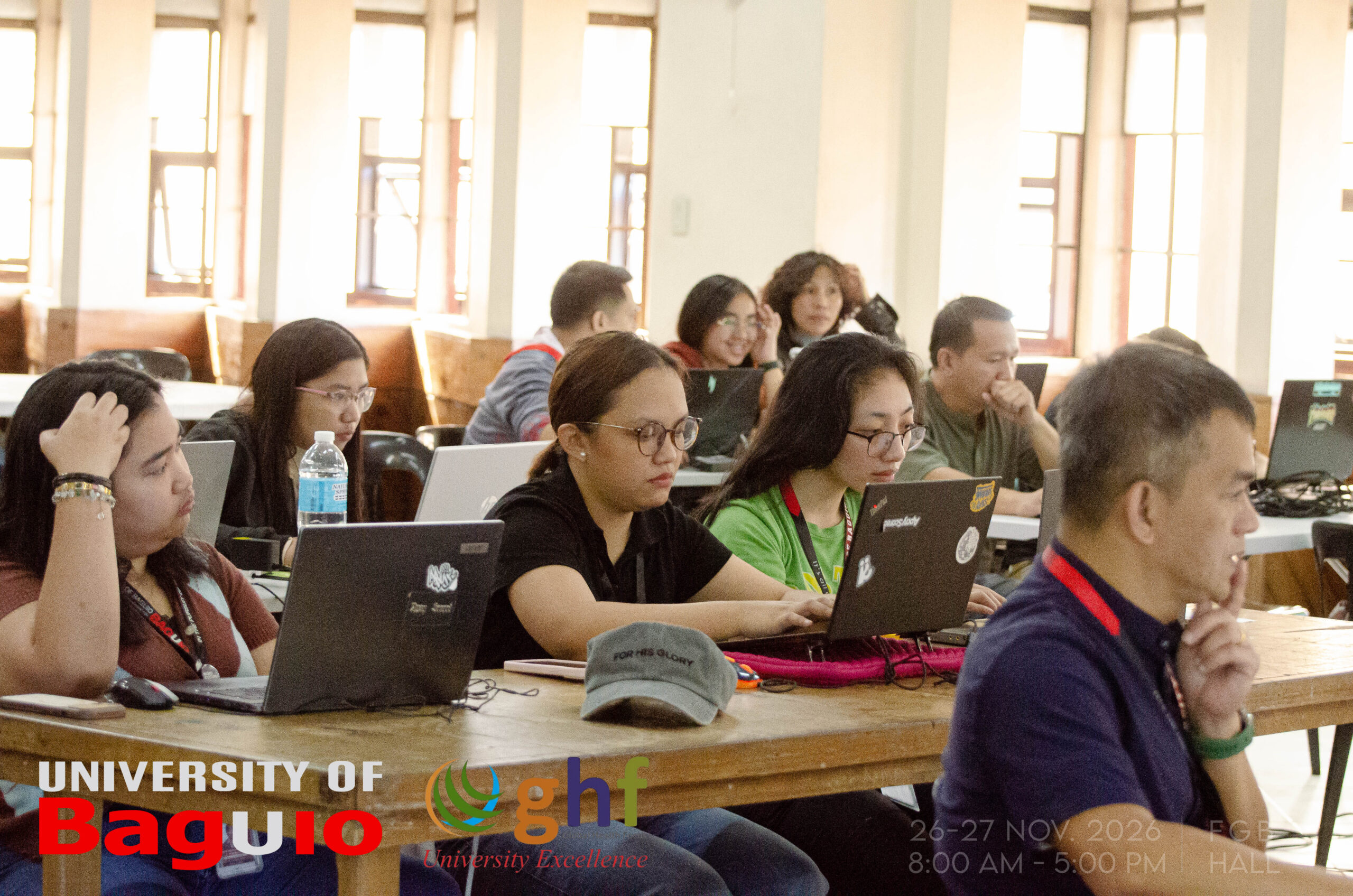
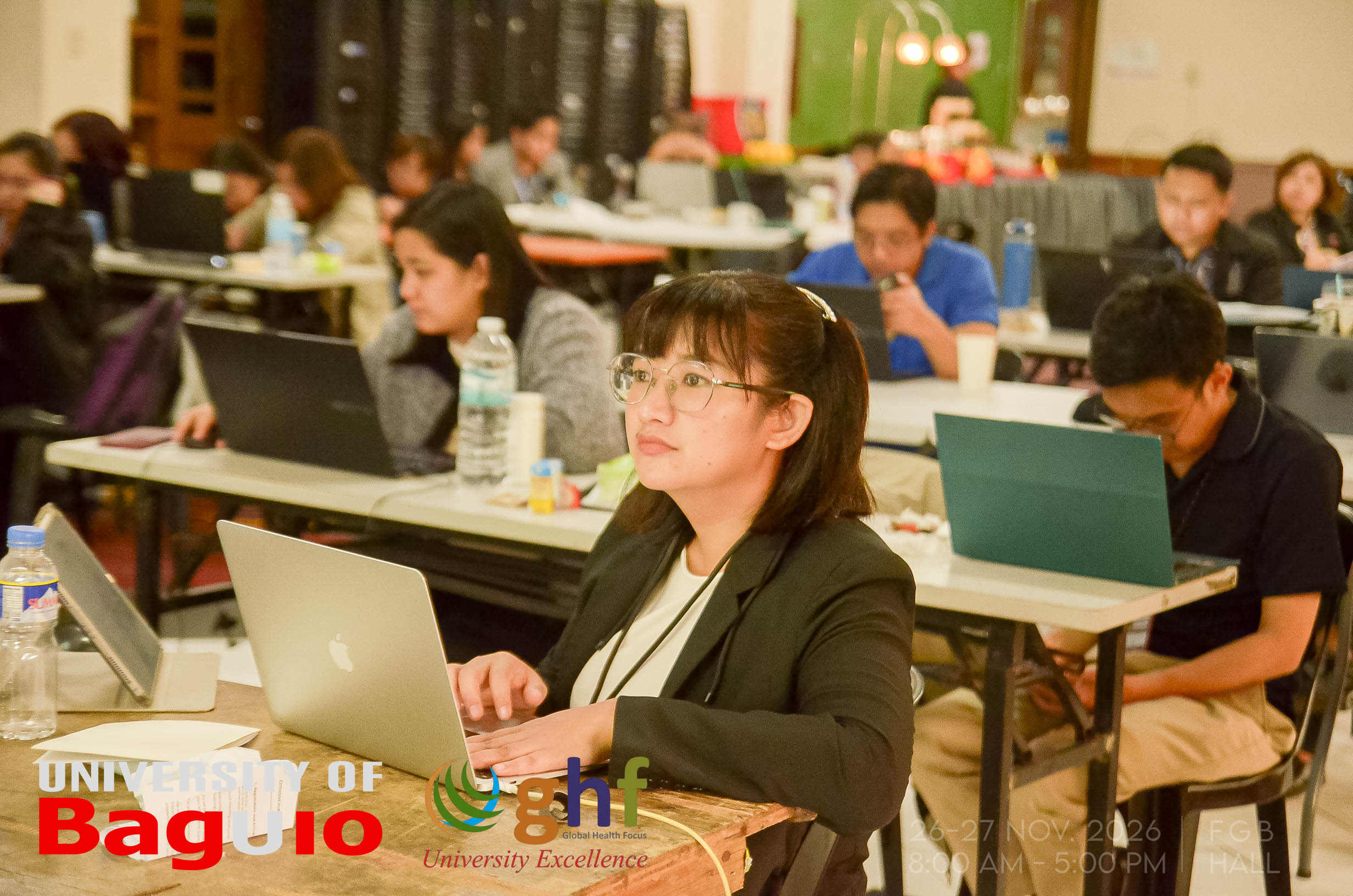
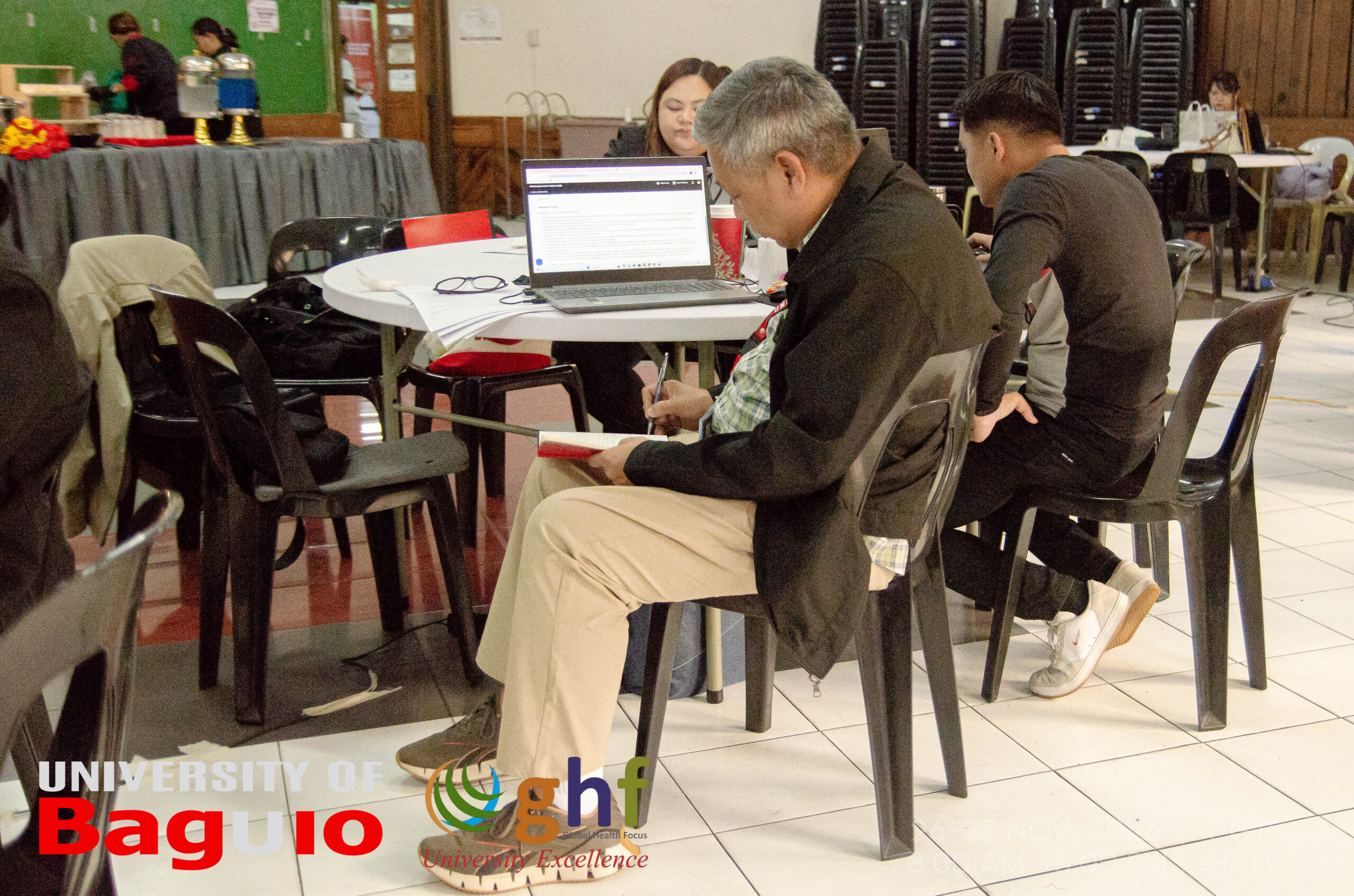
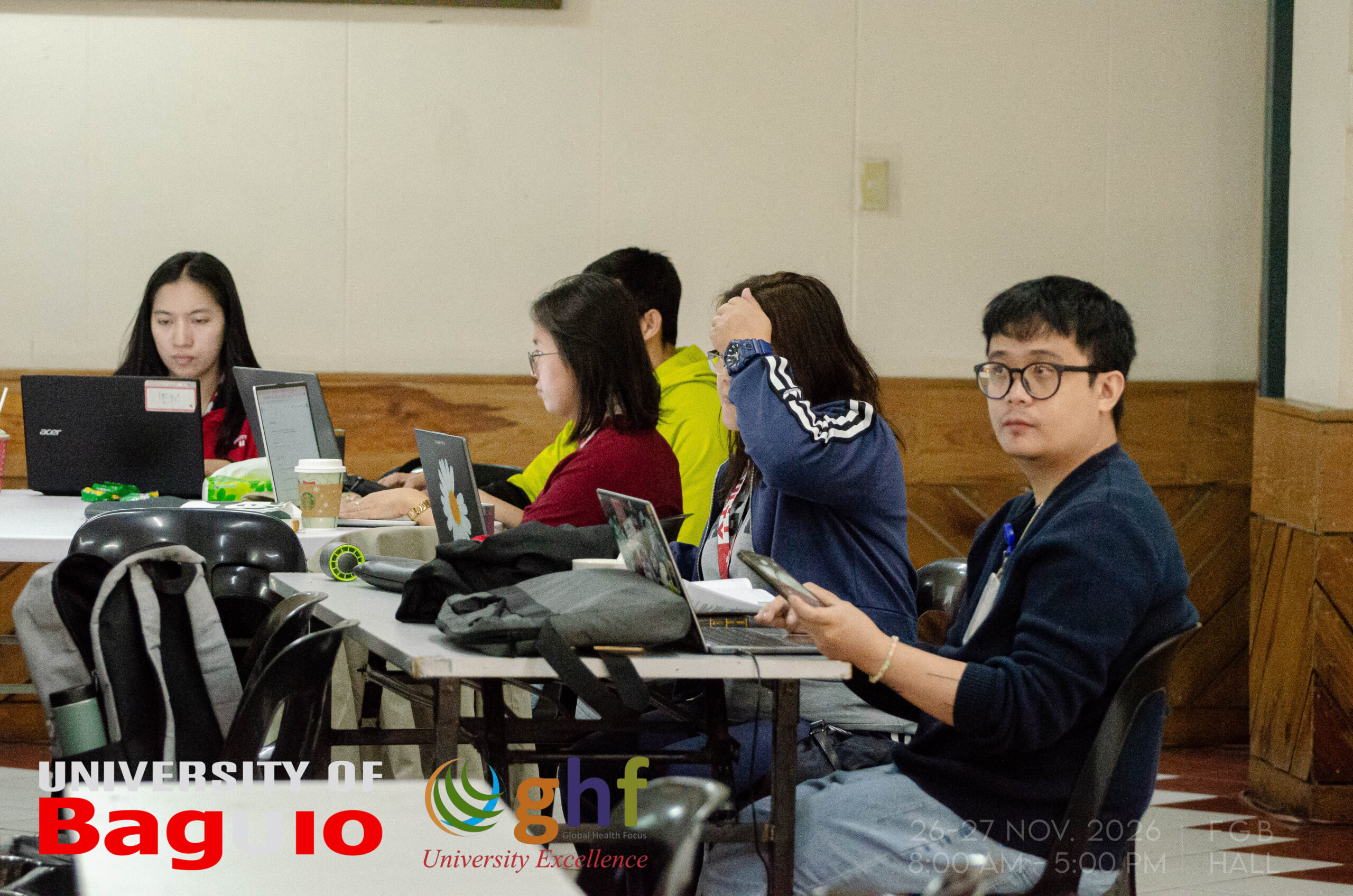
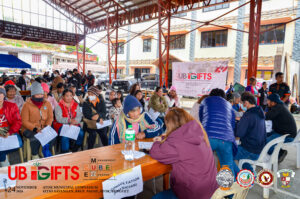
In its continuing commitment to advancing research excellence, strengthening academic capabilities, and contributing to the global research community, the University of Baguio, through the Research Innovation Extension Community Outreach and Sustainability (RIECOS), conducted the Extensive Publication Training: Building Research Excellence and Global Competitiveness through Scientific Publishing on November 26–27, 2026, at the FGB Hall. The two-day seminar-workshop brought together 52 participants including faculty members, researchers, and academic personnel to deepen their understanding of scholarly publication, explore strategies for producing internationally recognized research, and strengthen the University’s research productivity and visibility. Anchored in the University’s commitment to sustainable development, the training-workshop supports SDG 4: Quality Education, by promoting continuous learning and strengthening research competencies; SDG 9: Industry, Innovation, and Infrastructure, by advancing scientific knowledge and innovation; and SDG 17: Partnerships for the Goals, by encouraging research collaboration, knowledge sharing, and engagement with the international academic community. Through this initiative, the University reinforces the importance of generating credible, relevant, and impactful research that addresses societal needs and contributes to meaningful transformation.

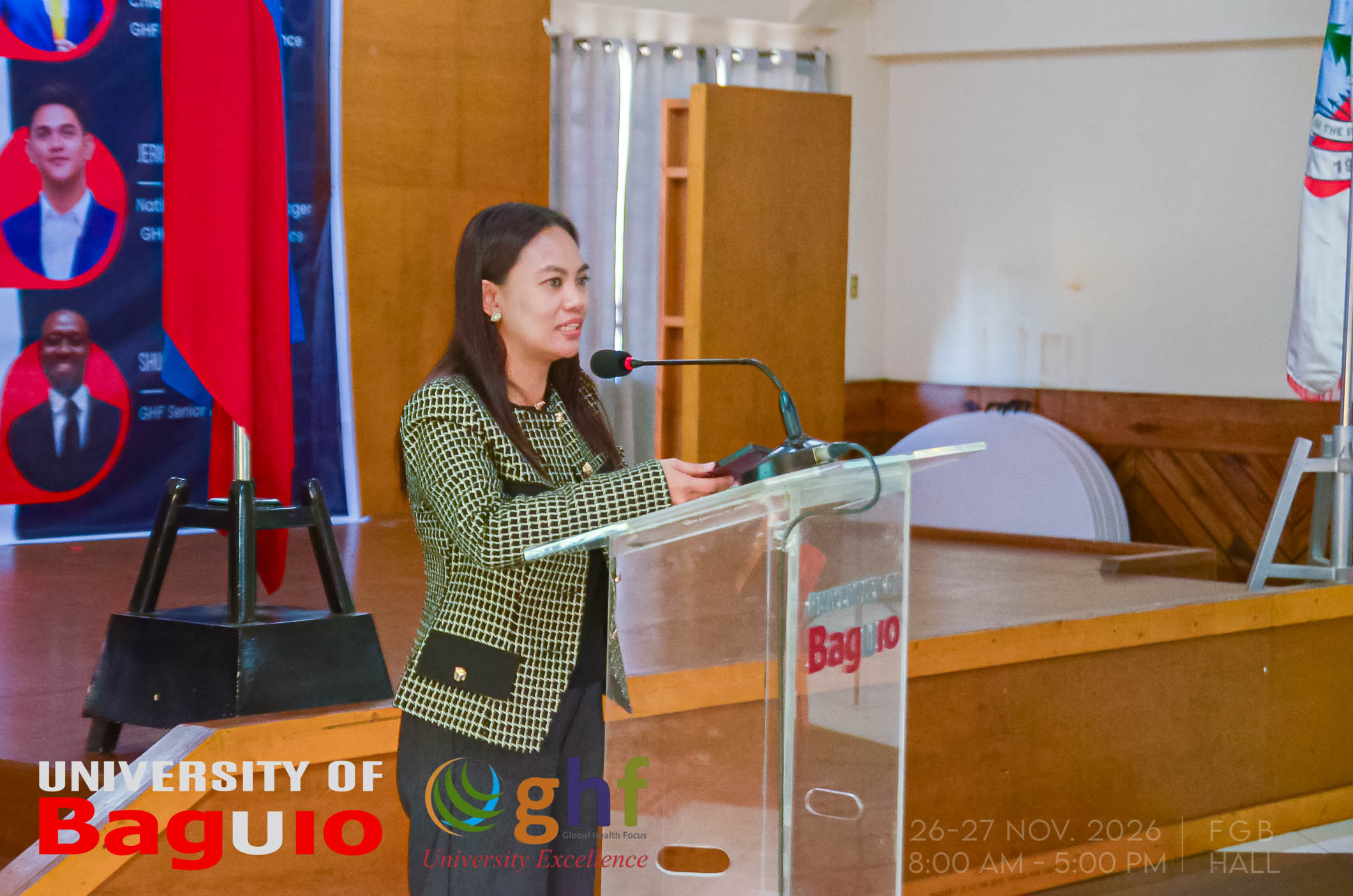
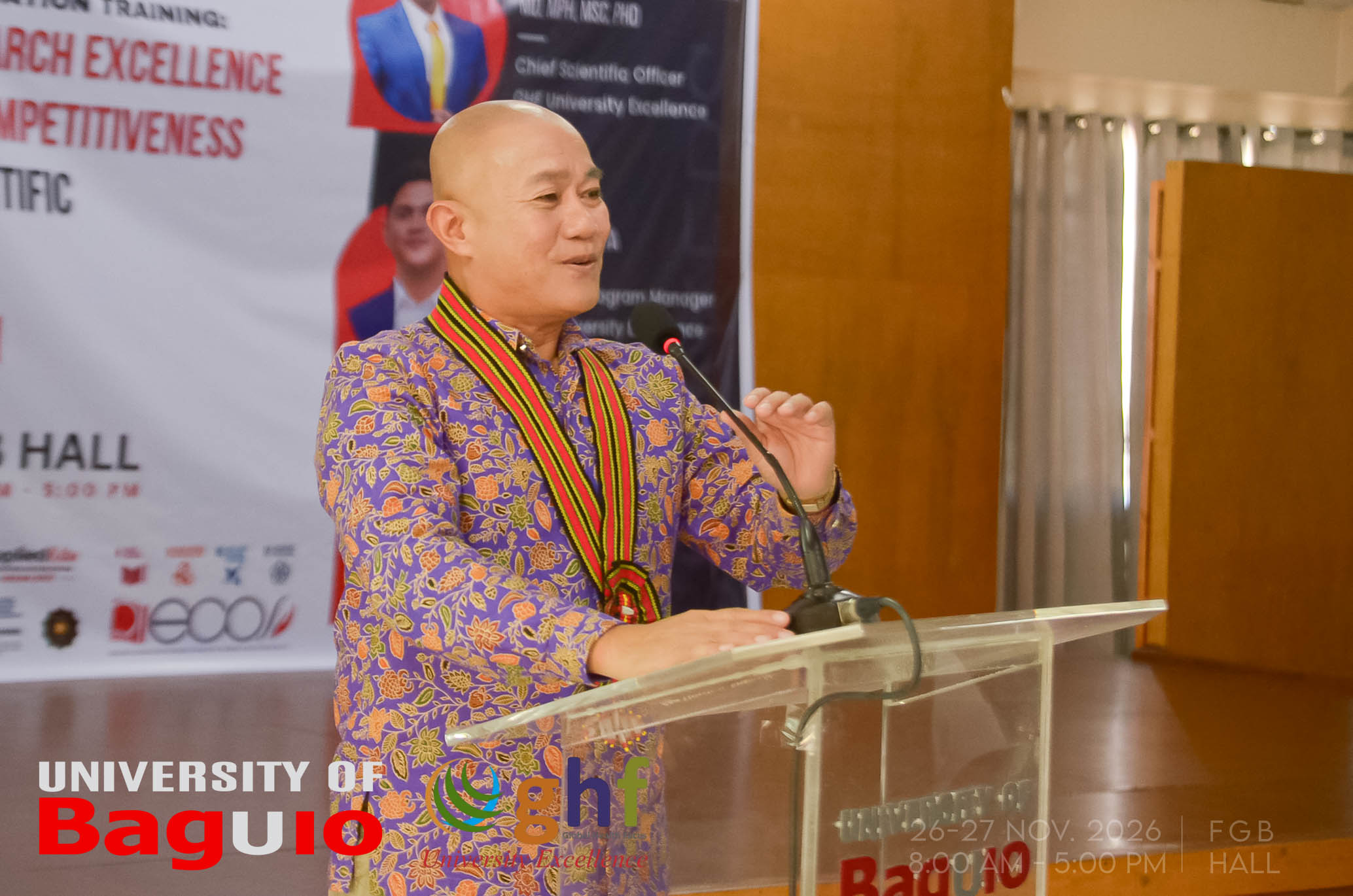
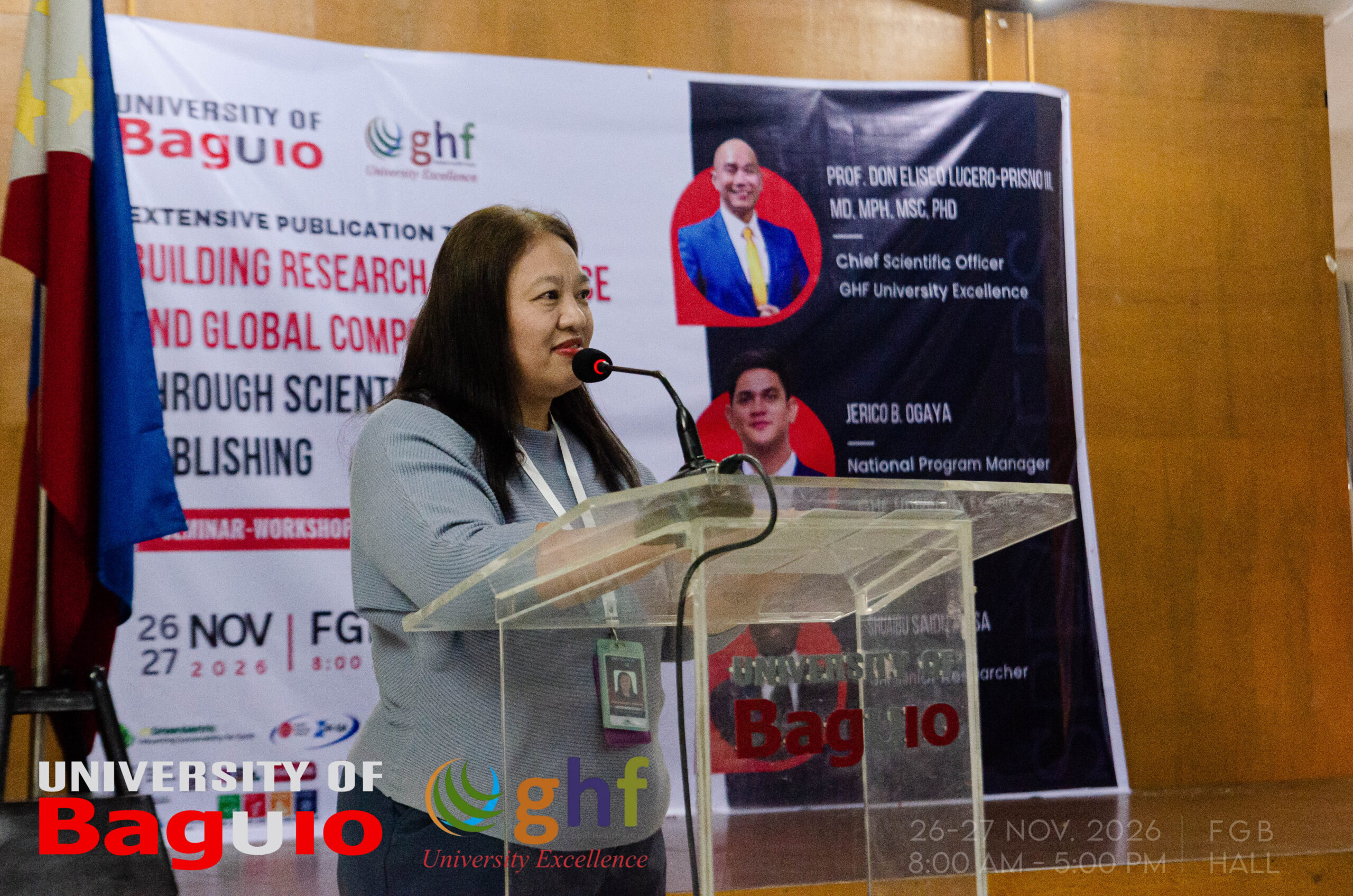
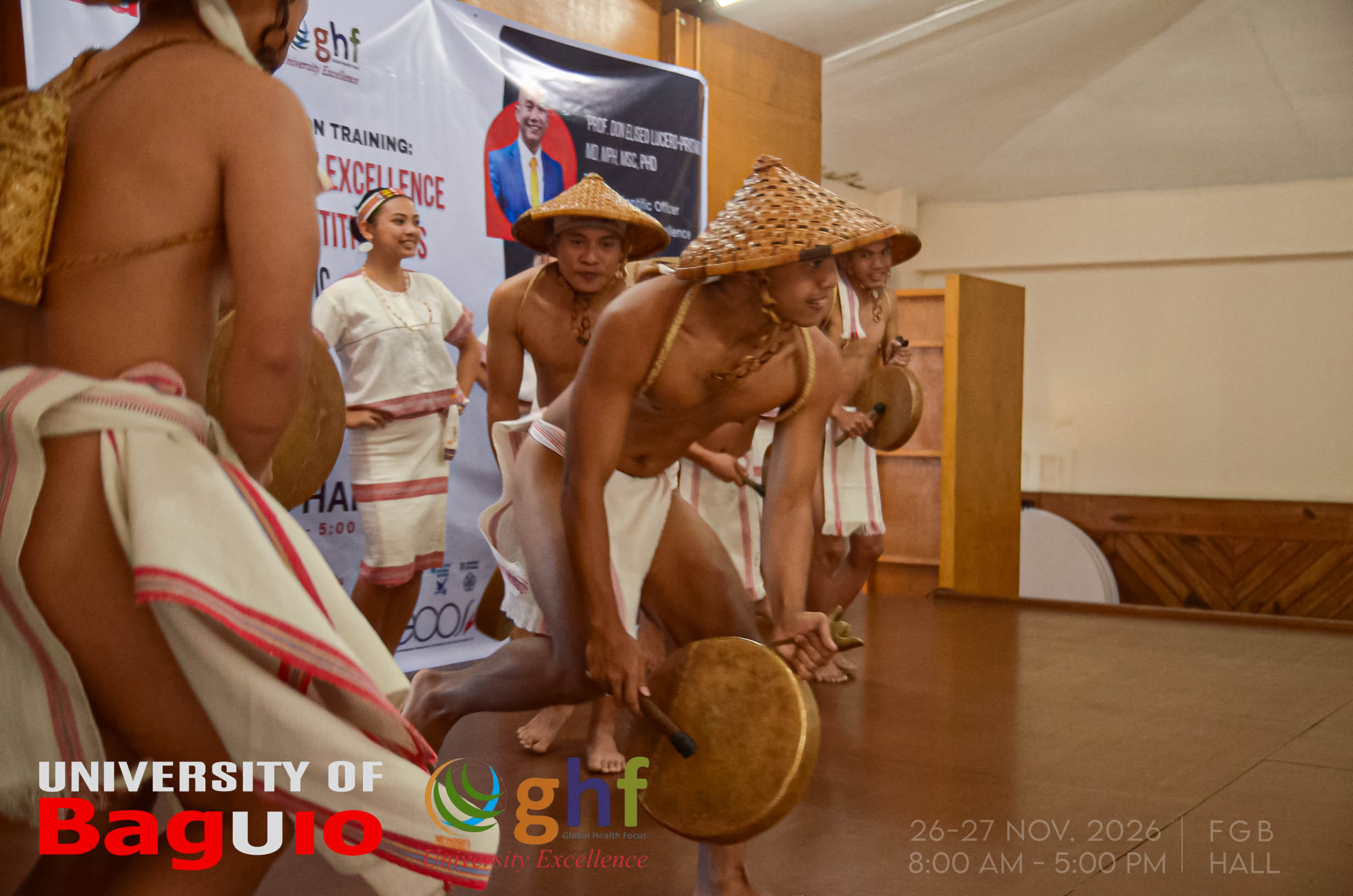
During the opening program, the University President Dr. Javier Herminio D. Bautista emphasized the importance of pursuing research that seeks answers to pressing societal concerns and transforms knowledge into meaningful contributions to communities. He described the training as the beginning of a continuing journey toward strengthening the University’s research culture and establishing UB as an institution recognized for its research impact on society. Similarly, Dr. Donnavila Marie Panday-Herbster underscored the importance of cultivating curiosity and maintaining a strong desire to discover, learn, and seek answers among academic workers and educators. Their messages highlighted the University’s vision of fostering an academic environment where research is not merely an institutional requirement but a continuing pursuit of knowledge that responds to the needs and challenges of society.

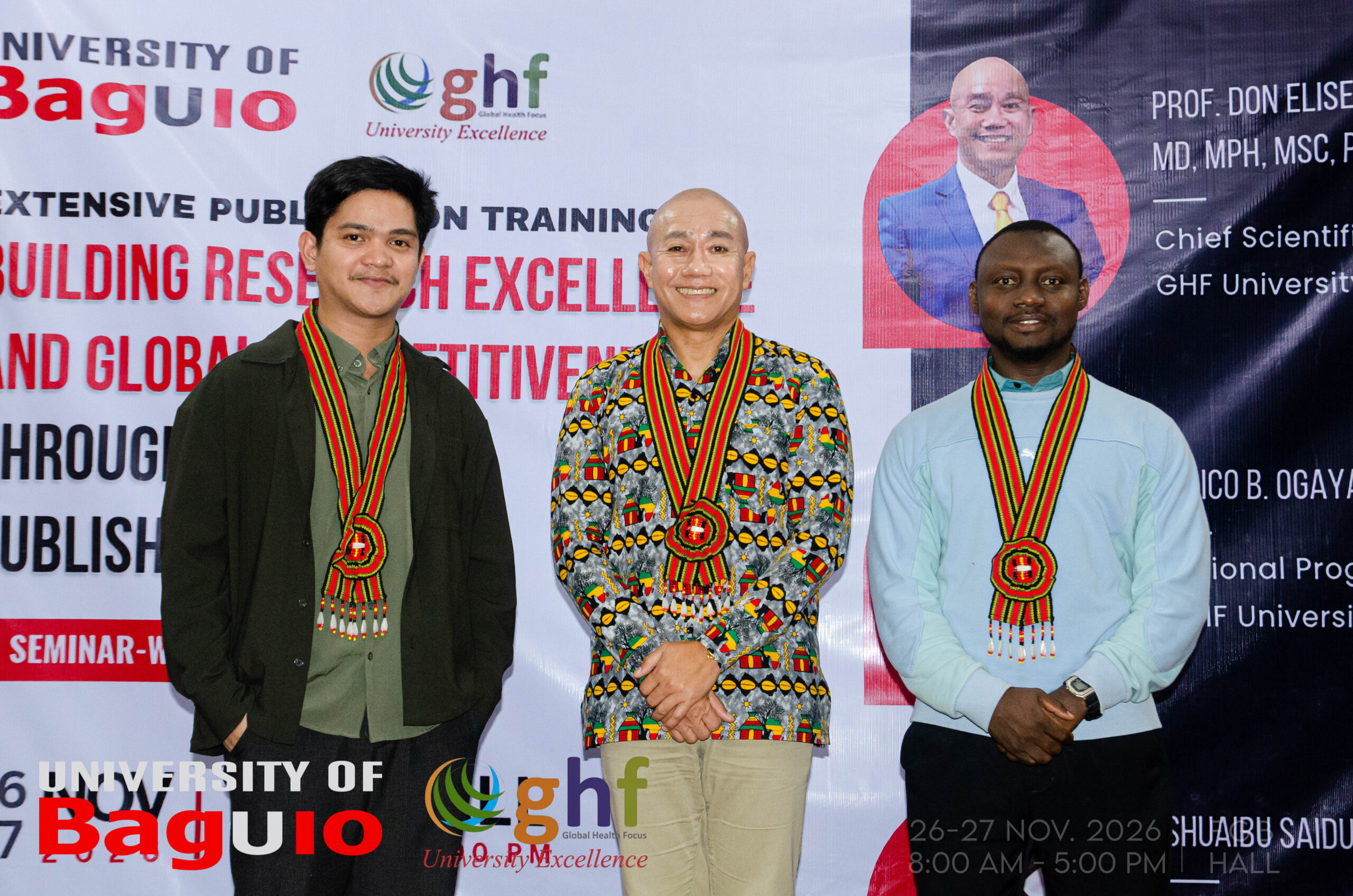
The first day of the training featured discussions led by Prof. Don Eliseo Lucero-Prisno III, who explored the foundations of research-driven university excellence. His presentation examined the relationship between research productivity, scientific publication, and university rankings, highlighting the importance of increasing institutional research outputs through publication in reputable international journals, particularly those indexed in Scopus. He also presented the latest publication statistics of higher education institutions in the Cordillera Administrative Region as of November 24, 2026, providing participants with an overview of the region’s research publication landscape and opportunities for improvement. The discussion further emphasized the importance of conducting bibliometric analysis when preparing research for publication, establishing and maintaining ORCID accounts for proper researcher identification, and exercising caution when selecting academic journals to avoid predatory publishing practices. Through these discussions, participants gained insights into how universities can strengthen their research productivity, enhance the visibility of their scholarly contributions, and establish a stronger presence in the global academic community.

Expanding the discussion on scholarly communication, Prof. Lucero-Prisno III, also encouraged participants to explore different forms of academic writing and publication opportunities. He introduced the possibility of submitting concise essays and poems, including potential contributions to Nature and Christian Journal Global Health, while encouraging researchers to develop and publish full-length articles in Scopus-indexed journals. He likewise demonstrated how to navigate Scopus conferences and Presentations. Moreover, he clarified that there is no fixed limit to the number of co-authors in scholarly publications, emphasizing the importance of collaboration in advancing research and knowledge production. 

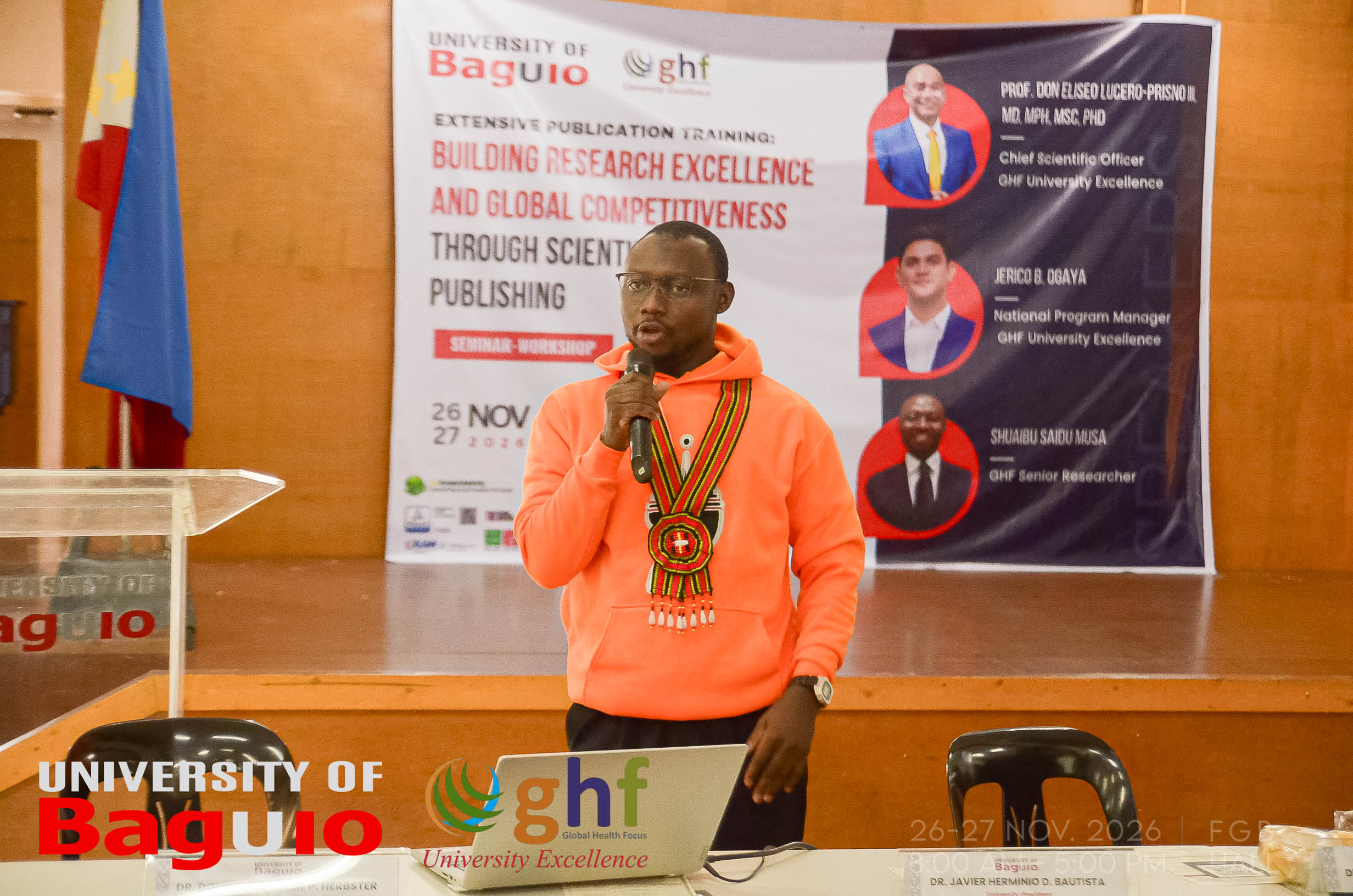
Another highlight of the first day was the discussion led by Dr. Shiaobu Saidu Musa, who introduced thought papers and essays as alternative forms of scholarly publication. He discussed the different categories of thought papers, including commentaries, perspectives, editorials, viewpoints, and letters to the editor. He emphasized that these forms of academic writing serve a distinct purpose by translating existing evidence into direction, allowing researchers to present informed perspectives and propose meaningful responses to emerging issues. Participants were also introduced to the essential elements of developing a compelling thought paper, including establishing a central claim, using specific evidence, and presenting its implications. The discussion further highlighted the importance of constructing a clear argument, acknowledging counterarguments, and ending with a strong call to action rather than merely summarizing existing literature. By exploring these publication formats, participants gained a broader understanding of how scholarly contributions can influence academic discussions and inform decisions beyond conventional empirical research.

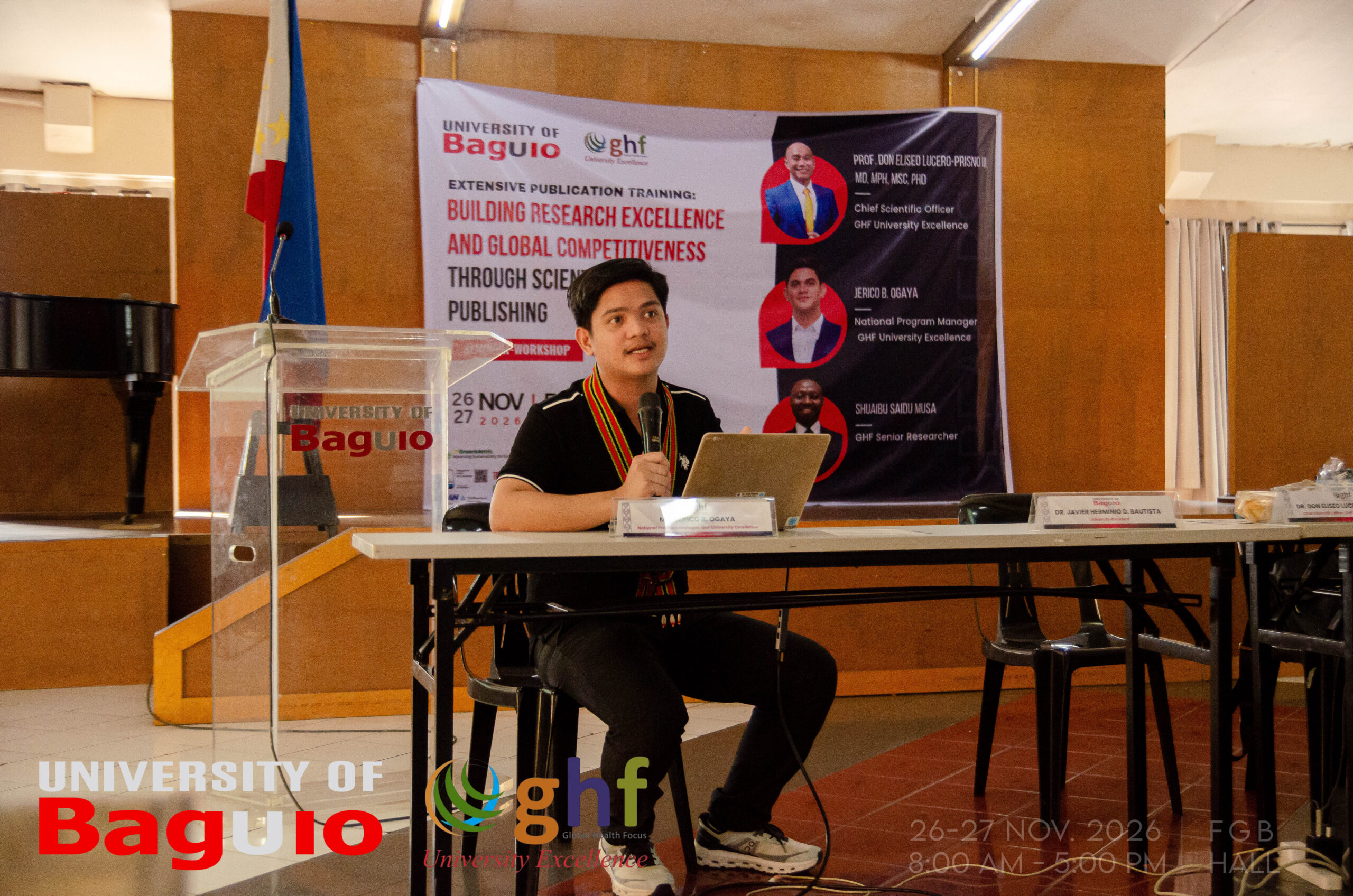
The training also addressed the growing role of artificial intelligence in academic research and scientific publication through a session facilitated by Mr. Jericho B. Ogaya. His presentation emphasized the responsible and critical use of AI tools in the research process, particularly in ensuring the accuracy and integrity of scholarly outputs. Participants were reminded to provide original research data, including numerical information, when using AI-assisted tools and to carefully verify references and citations generated by these platforms. He also cautioned researchers against citing retracted publications, emphasizing the importance of ensuring that references used in academic manuscripts are reliable and credible.  His discussion reinforced that while artificial intelligence can assist in research development and writing, the responsibility for the accuracy, validity, and integrity of published work remains with the researchers.

Furthermore, Mr. Ogaya introduced scientometric and bibliometric analyses as approaches to examining the broader landscape of scientific research. He discussed how scientometric analysis encompasses original research and review studies, while bibliometric analysis provides systematic approaches to examining research productivity, publication patterns, and scholarly connections. Participants were introduced to two broad techniques in bibliometric analysis: performance analysis, which focuses on quantitative research data, and science mapping, which explores qualitative relationships and connections within the research landscape. He also outlined the essential steps in conducting bibliometric analysis, beginning with data collection from Scopus-indexed journals, followed by data preprocessing, topic alignment, and research conceptualization and planning. 
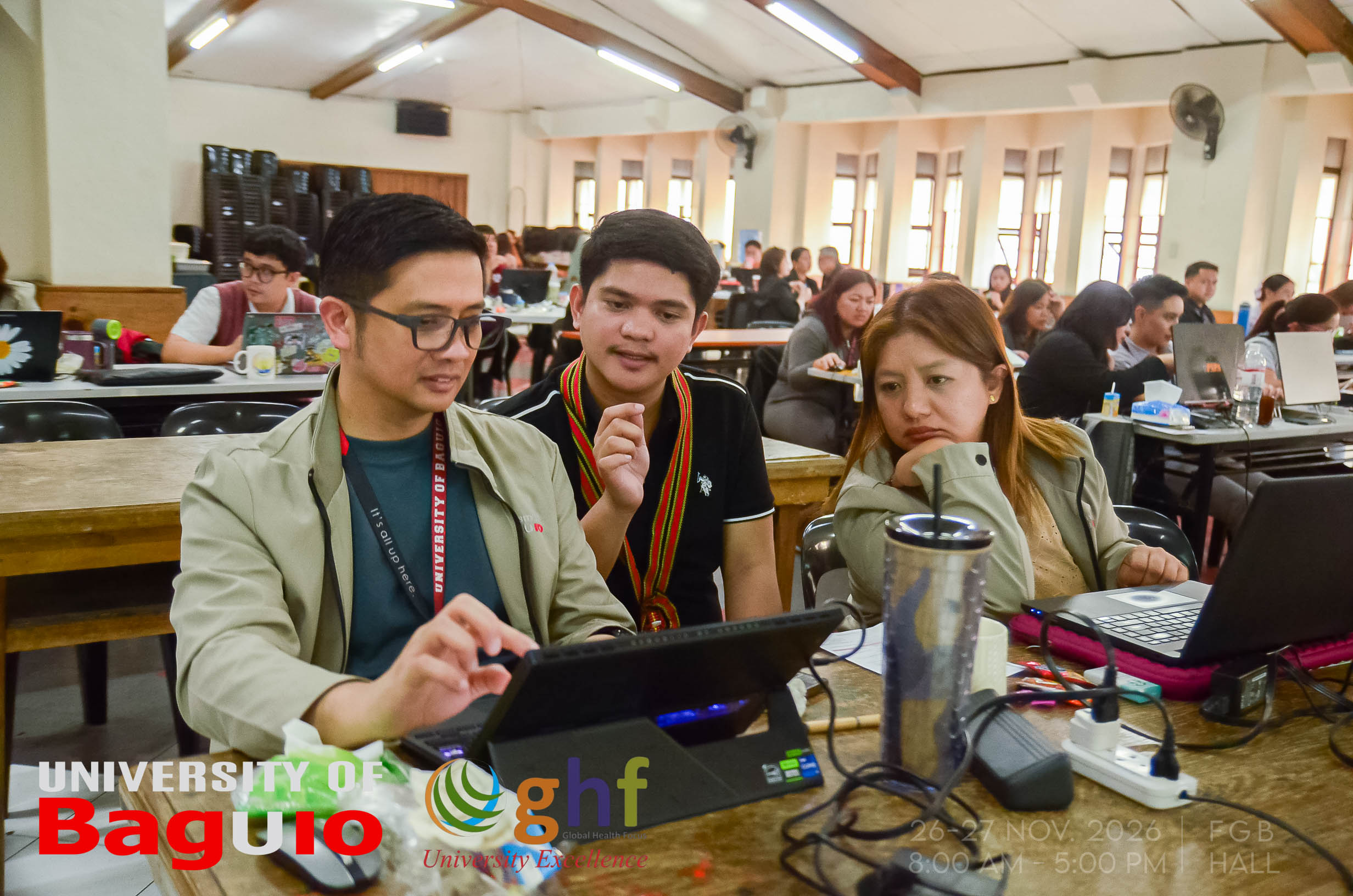
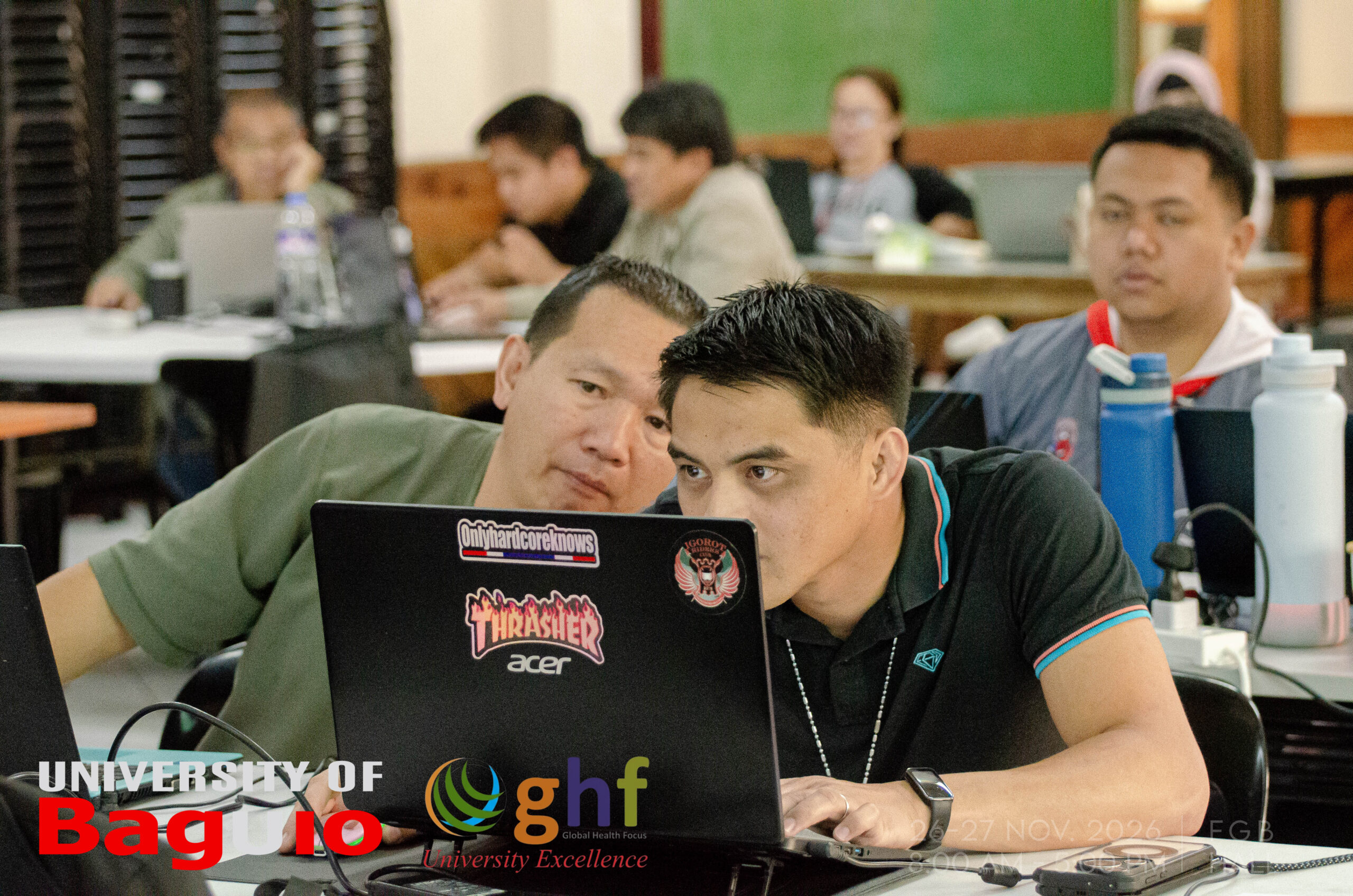
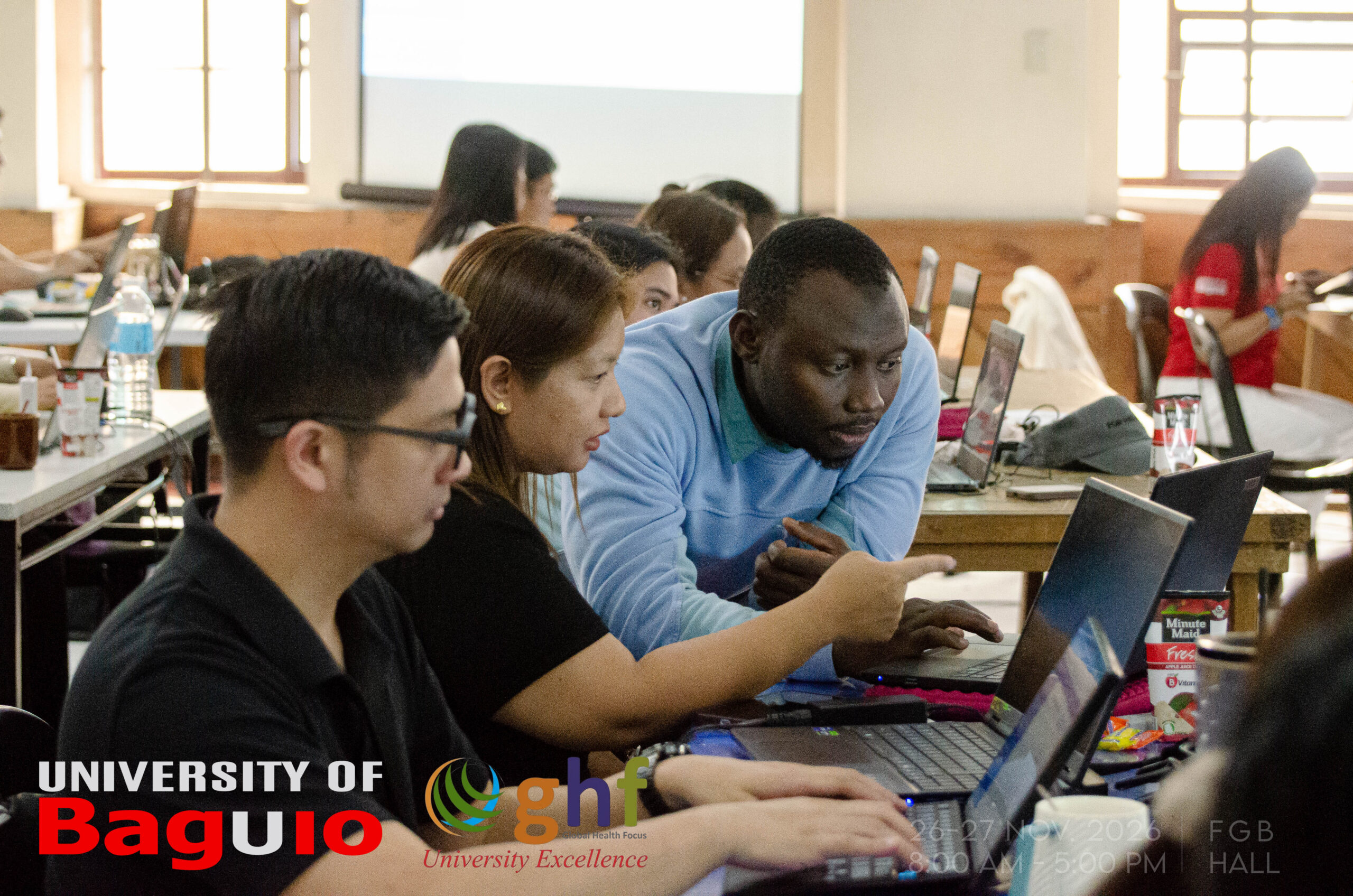
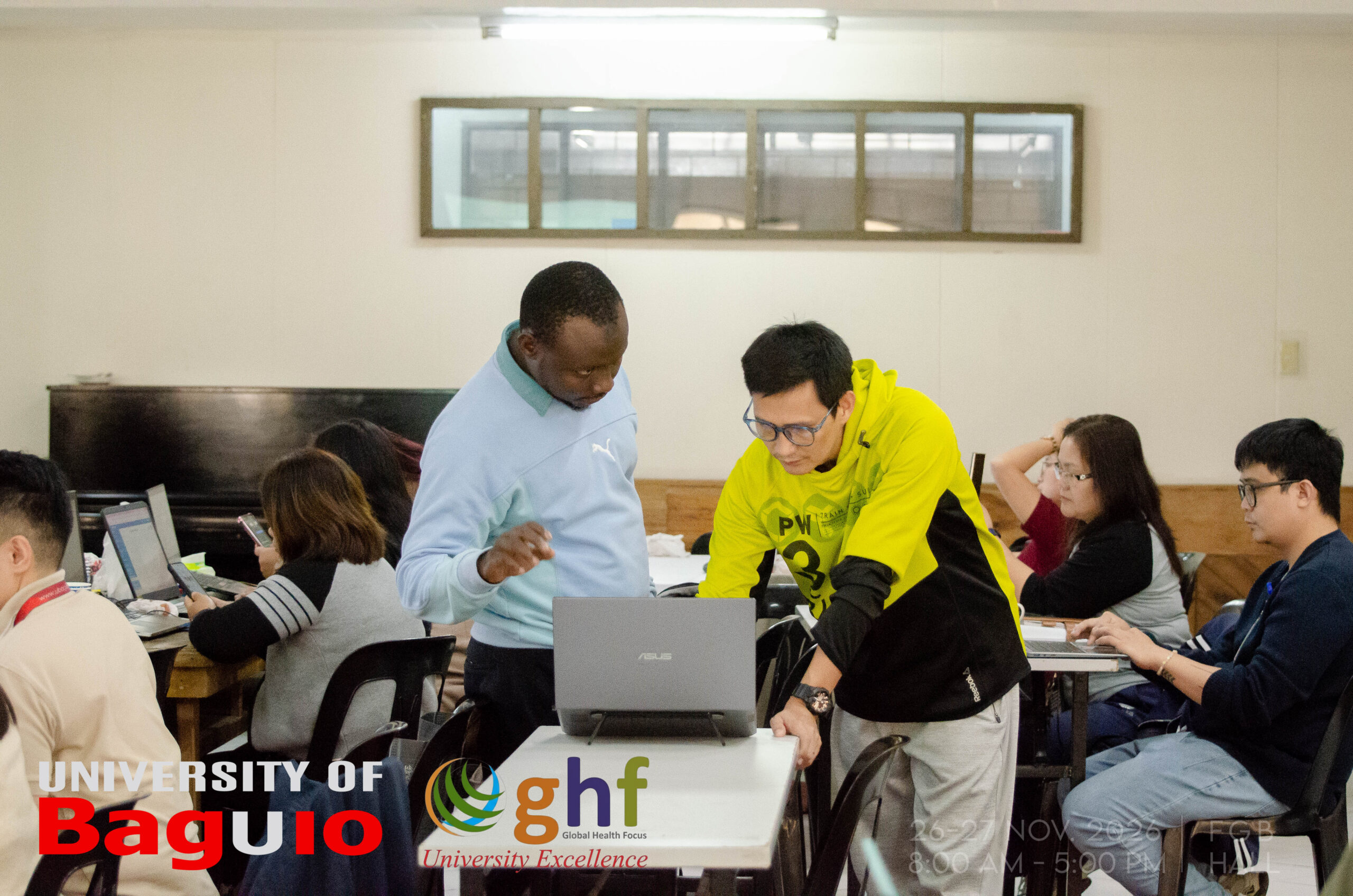
On the second day, the training focused on the practical application of the concepts and methodologies introduced during the previous sessions. Mr. Jericho B. Ogaya guided the participants through the step-by-step process of conceptualizing research topics and developing validated search strings to support their respective research endeavors. He also introduced research tools and platforms such as RStudio, Biblioshiny, and Bibliometrix, which facilitate the analysis, organization, and visualization of bibliographic data.
Prof. Don Eliseo Lucero-Prisno III also discussed Qualitative and Quantitative Research, explaining their distinct approaches and applications in scholarly research.  He provided examples of the phenomenological approach in qualitative research and policy analysis, illustrating how different research methodologies can be utilized to explore experiences, examine existing conditions, and address relevant issues. His discussion further strengthened the participants’ understanding of research designs and emphasized the importance of selecting appropriate methodologies aligned with their research objectives.

As part of the training’s expected outputs, participants were tasked to write and submit ten research papers, including articles, following the workshop. This output-oriented approach aimed to translate the knowledge and skills gained during the training into tangible scholarly manuscripts while encouraging participants to pursue publication opportunities in reputable academic journals.

The training concluded with Dr. Janice Kaylyn K. Lonogan sharing key insights and takeaways from THE Summit 2026, emphasizing the importance of sustaining a strong research culture within higher education institutions. She underscored that universities must continuously pursue research and transform ideas into innovations and impactful solutions that address pressing global challenges. She further emphasized that if the University of Baguio aspires to strengthen its standing in global university rankings, it must continuously enhance its research productivity and increase its publication outputs in reputable international databases, particularly Scopus and Web of Science. As a final message to the participants, she reaffirmed the importance of their role in advancing the University’s research agenda, encouraging them “to write with purpose, collaborate with impact, and compete with excellence.“

Through this two-day training-workshop, the University of Baguio continues to strengthen its commitment to building a research-oriented academic community where knowledge generation, innovation, and collaboration are valued as essential components of institutional development. By equipping faculty members and researchers with relevant publication strategies, research methodologies, and technological competencies, the University creates opportunities for its academic community to contribute more actively to scholarly discussions at the national and international levels.

Aligned SDG Goals

Gallery