NEWS
“Sowing Hope, Growing Forests” The UB Management Team Propagates 658 Pine Seeds in CALL FOR PLANTERS Series II
“nurturing a greener future begins with small but purposeful steps”
- Michelle Ann P. Chomayag
- October 17, 2026
- 4:28 pm
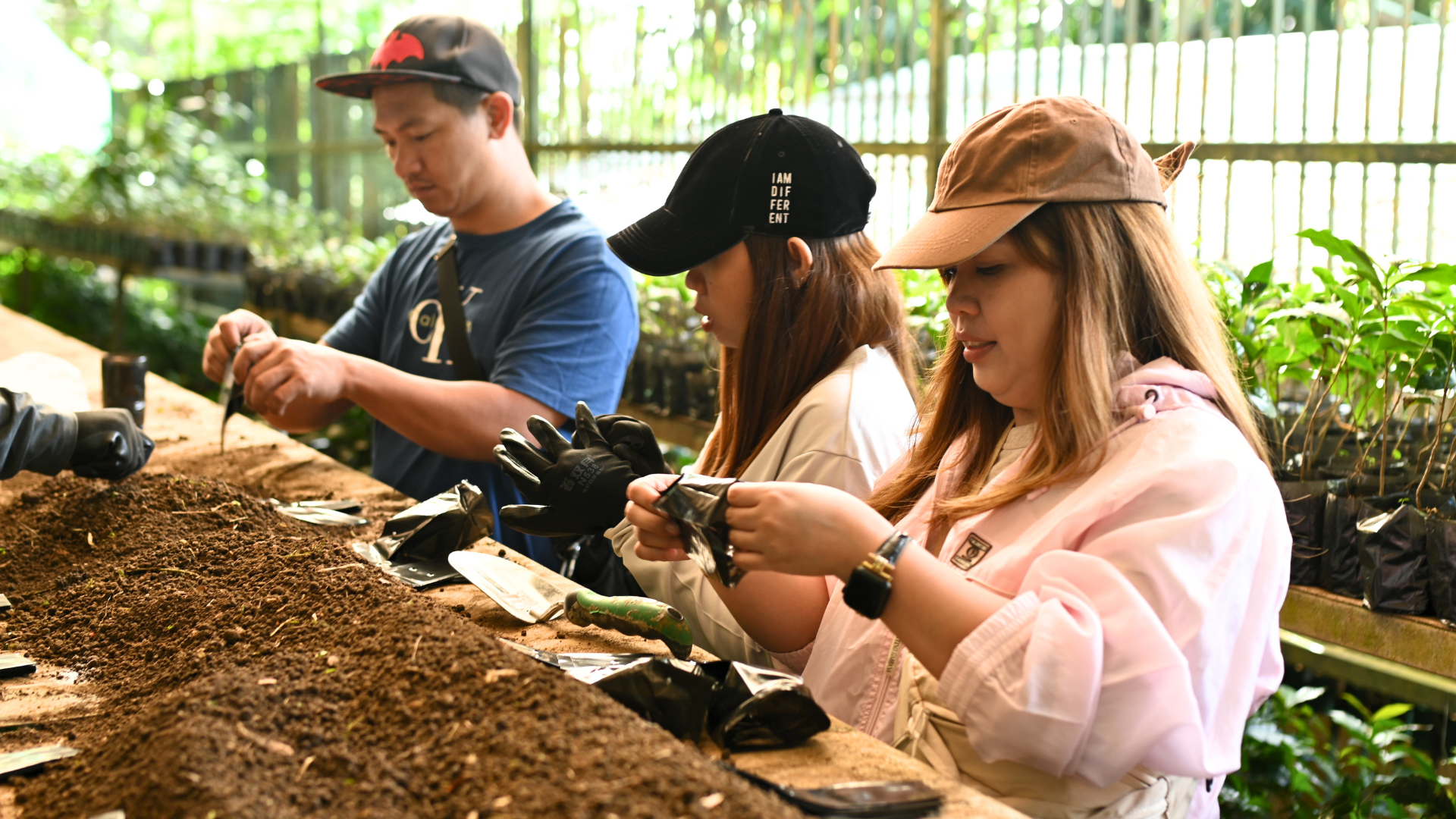


Advancing its commitment to environmental sustainability, the University of Baguio, in partnership with the John Hay Management Corporation (JHMC), conducted a Seed Propagation activity on October 17, 2026, at Camp John Hay, Baguio City. The activity forms part of Project GROOM ME (Greening, Optimizing, Orchestrating, and Magnifying Mother Earth), a series of environmental sustainability programs designed to promote environmental stewardship, encourage collective action, and translate ecological awareness into meaningful, practical initiatives. Under this project, the CALL FOR PLANTERS series also provides opportunities for members of the UB community and its partner agencies to participate in hands-on environmental activities that support nature conservation and the responsible management of natural resources.
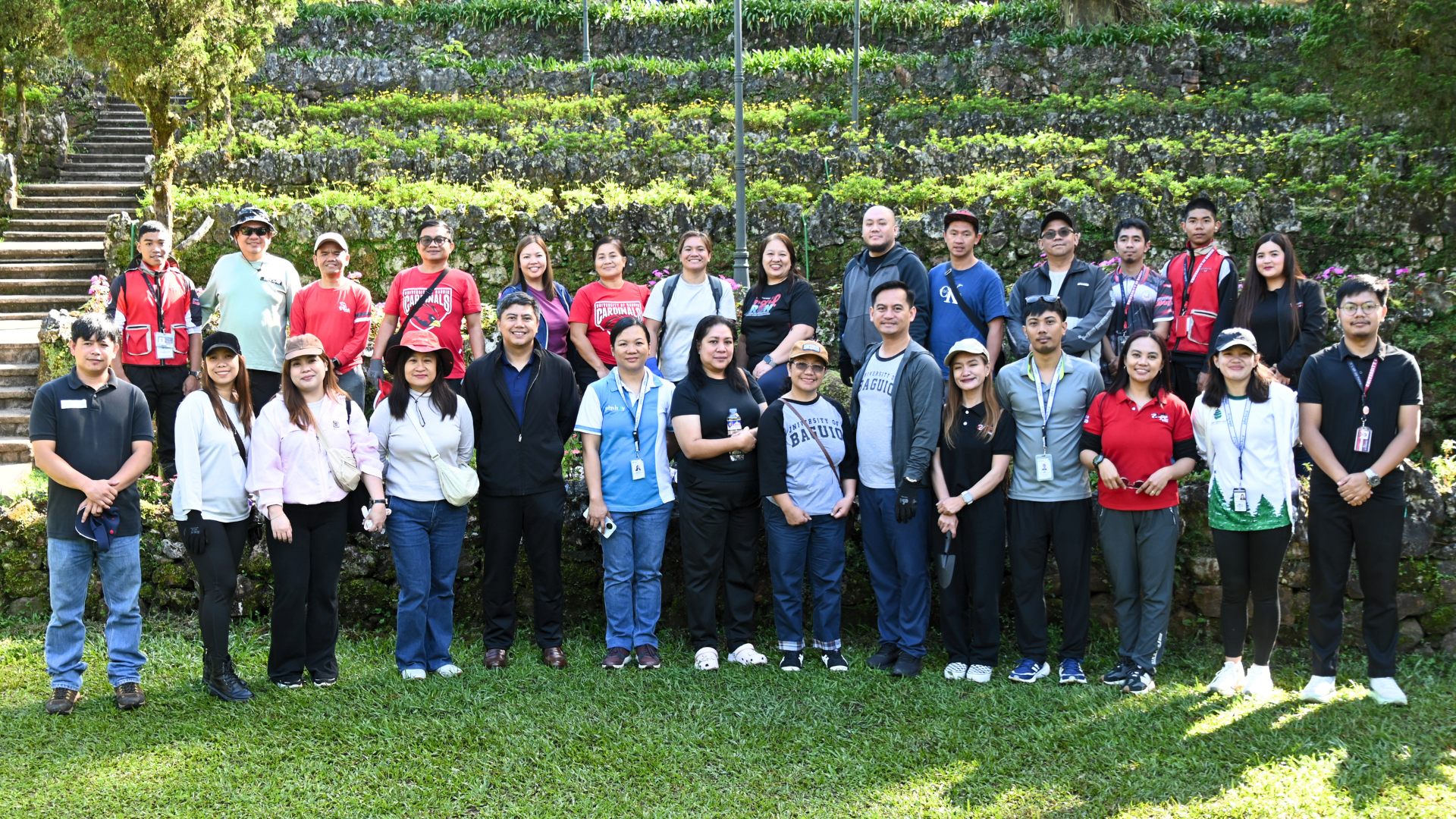
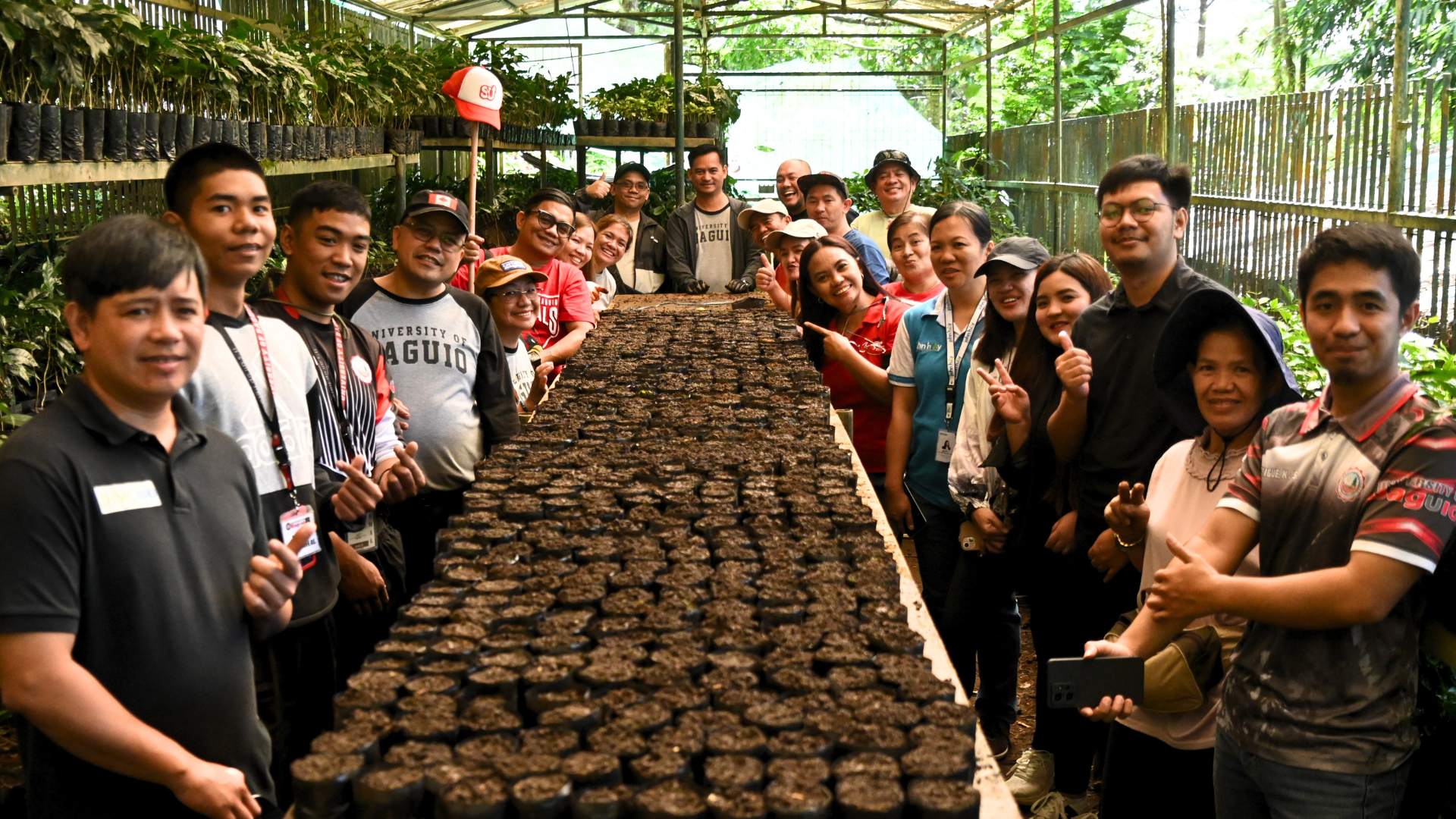
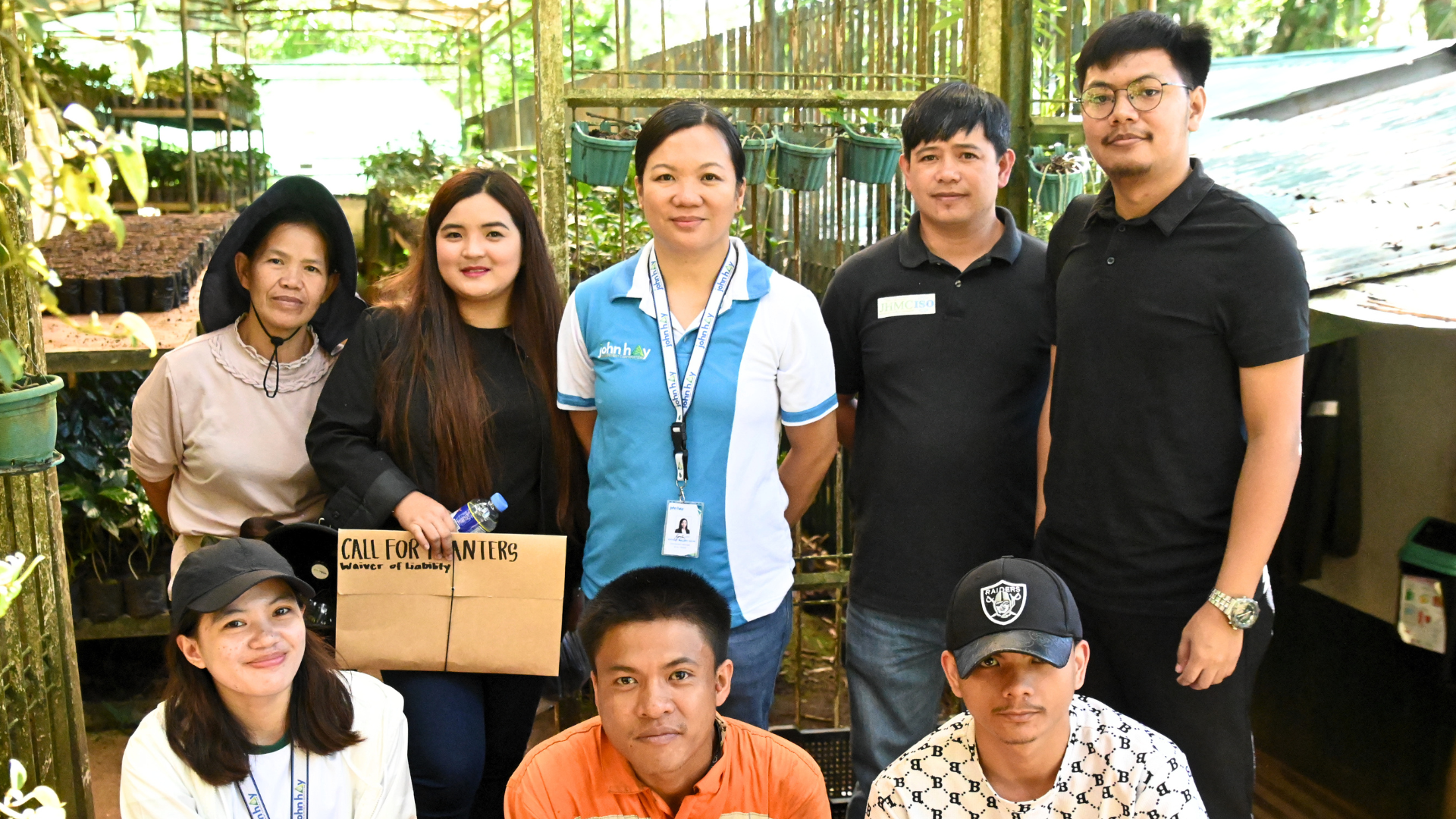
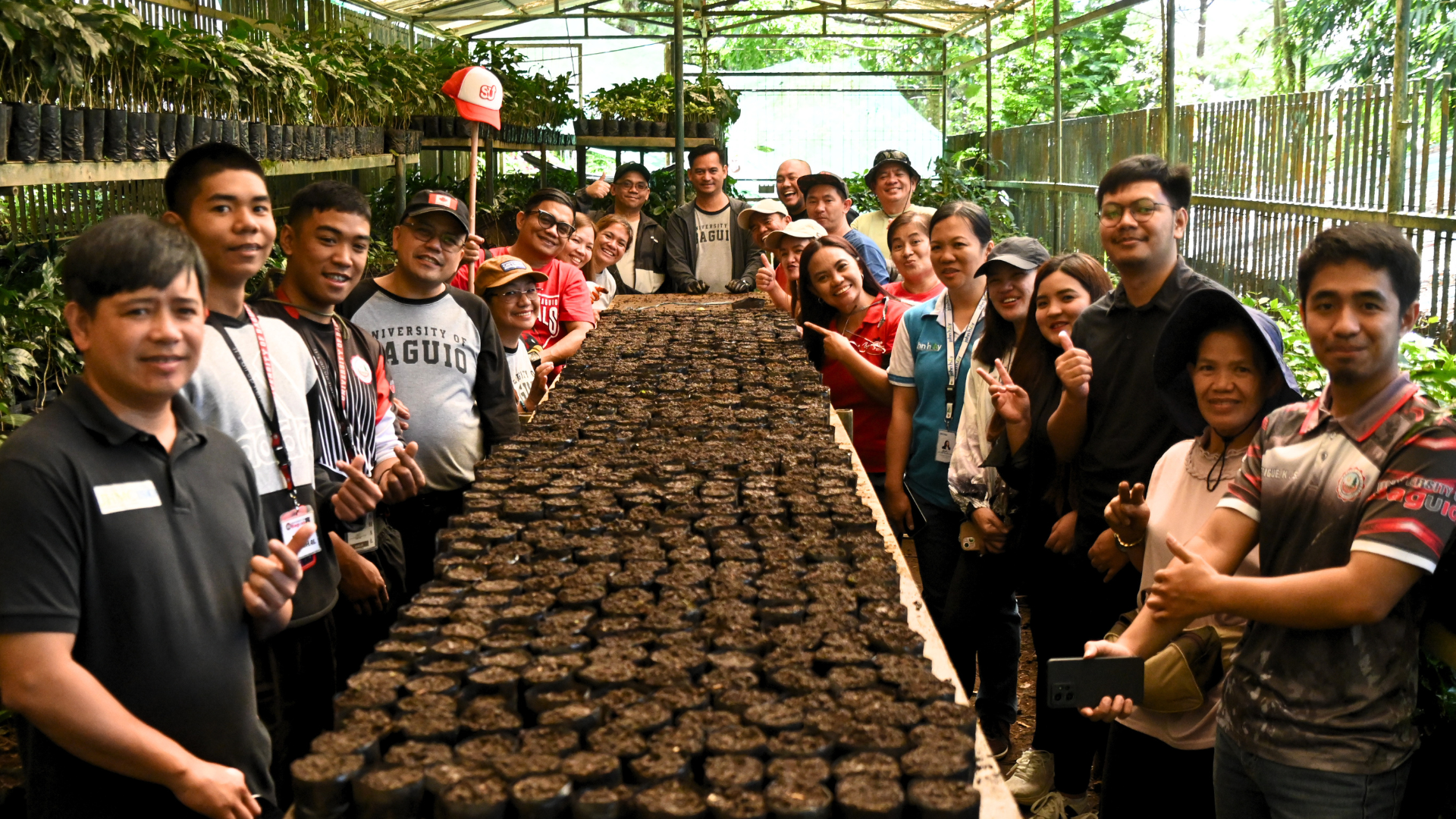
The activity engaged 25 UB participants, composed of 19 members of the Management Team, three non-teaching personnel, and three UB Marshals, alongside representatives from JHMC. Through the successful propagation of 658 pine seeds, the activity contributed to the University’s environmental stewardship efforts and aligned with the United Nations Sustainable Development Goals (SDGs), particularly SDG 15: Life on Land, which promotes the protection, restoration, and sustainable use of terrestrial ecosystems. It supports Target 15.2, which calls for the promotion of sustainable forest management, halting deforestation, and restoring degraded forests, with Indicator 15.2.1, which measures progress through sustainable forest management practices, forest area change, and forest biomass. The activity also supports SDG 13: Climate Action, particularly Target 13.3, by strengthening environmental awareness and institutional capacity for climate change mitigation and adaptation. The 658 pine seeds propagated serve as a tangible activity-level output and a measurable contribution to the University’s continuing reforestation and environmental education initiatives.
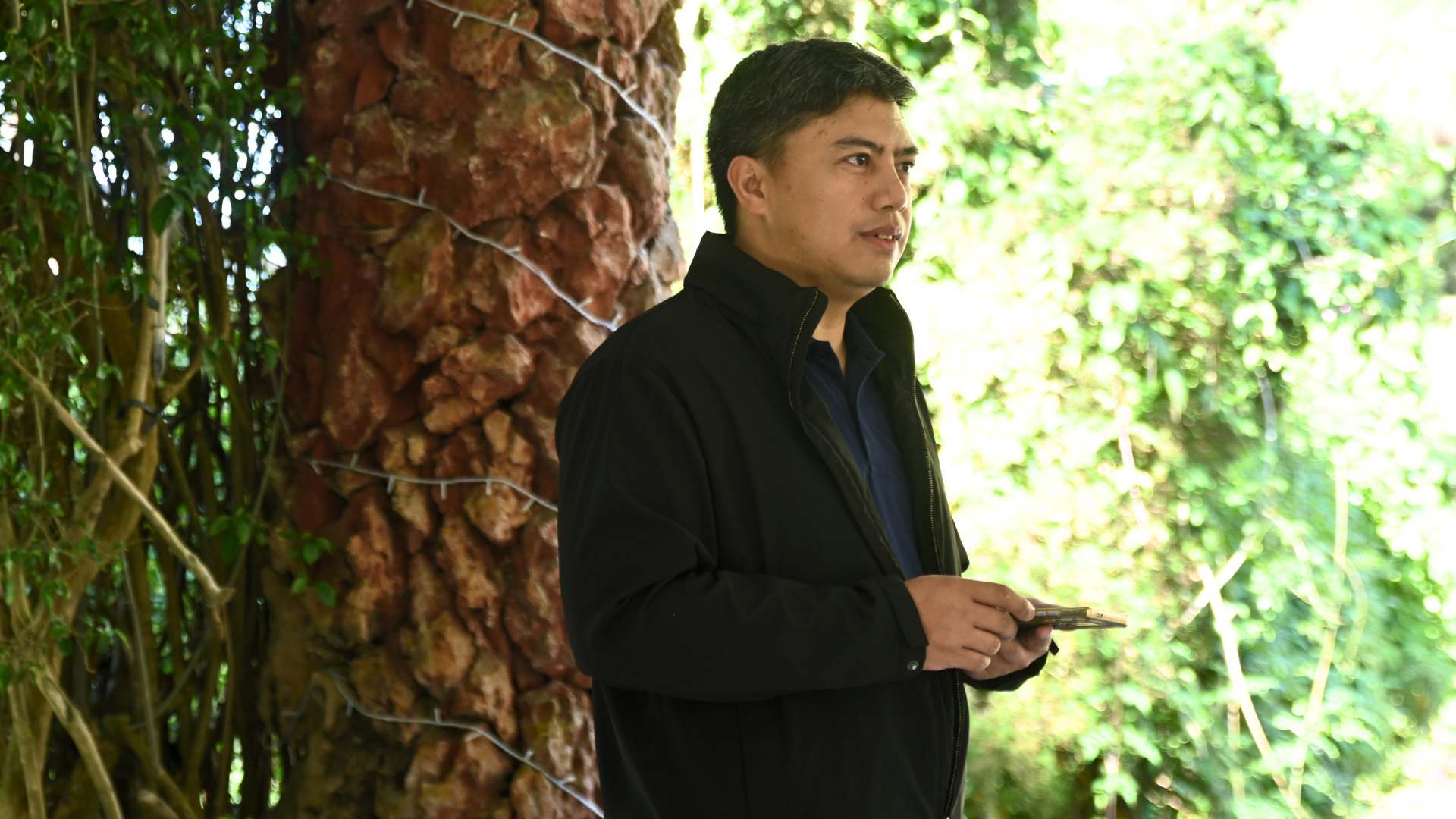
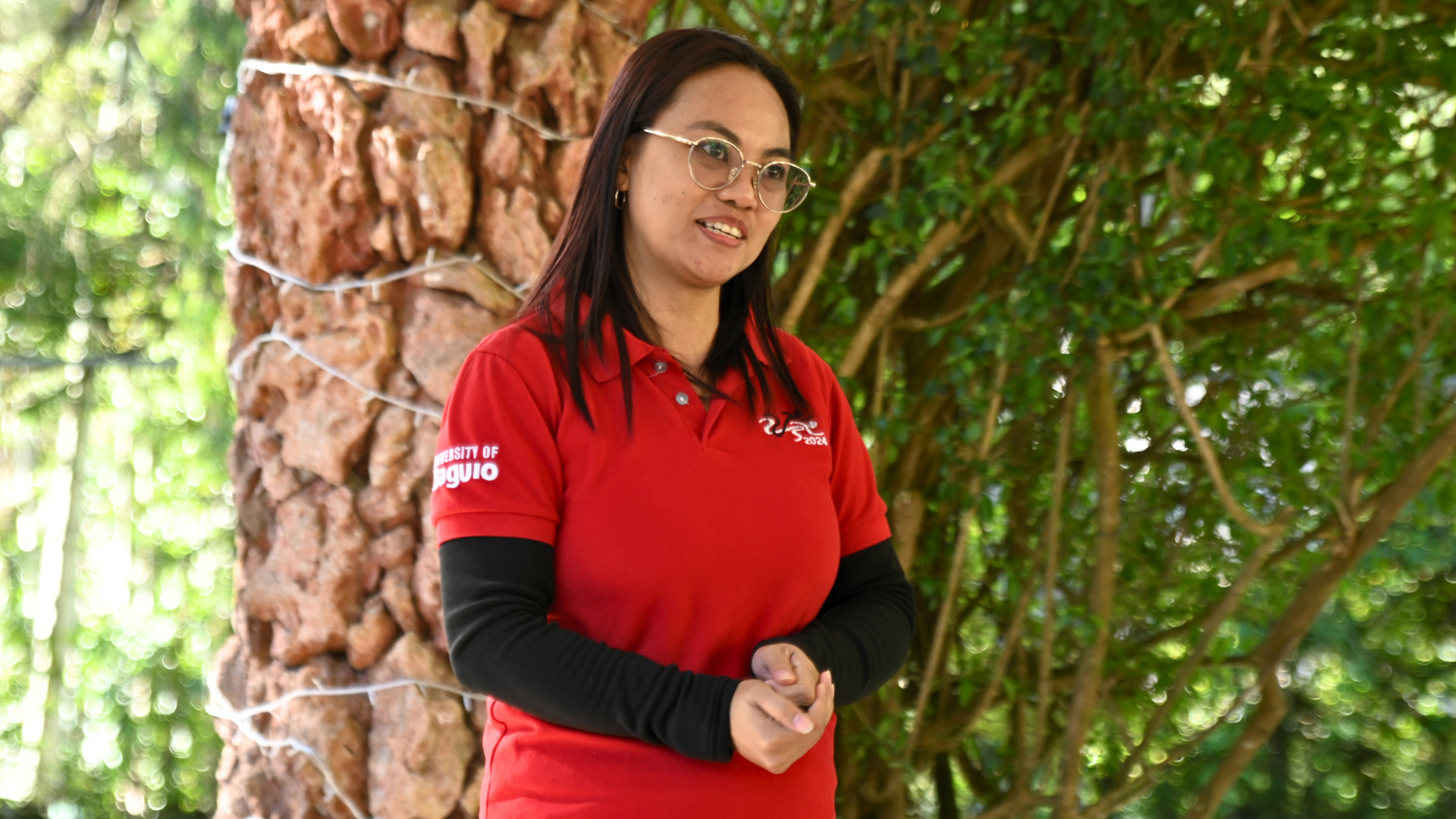
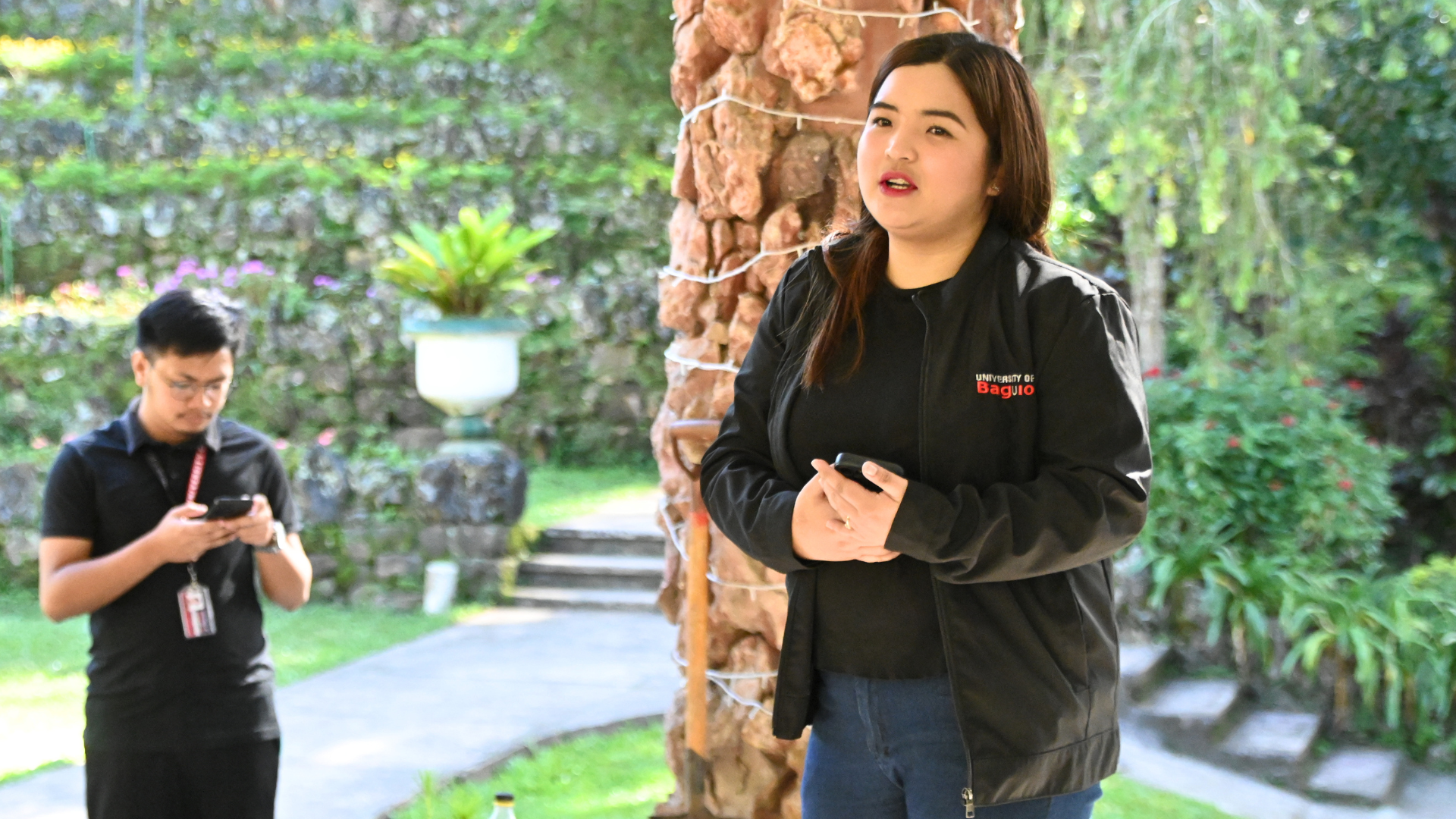
The activity was warmly welcomed by representatives of both institutions, who emphasized the importance of collective action in protecting the environment and sustaining the natural heritage of Baguio City. Atty. Michael Remington A. Nerez, represented JHMC, while Dr. Donnavila Marie Panday-Herbster represented the University of Baguio. In their respective messages of support, they reiterated the relevance of environmental initiatives in promoting ecological responsibility, strengthening institutional partnerships, and encouraging meaningful participation in sustainability efforts. Their messages highlighted the value of translating environmental commitments into practical actions that can contribute to the preservation of forest ecosystems for present and future generations.
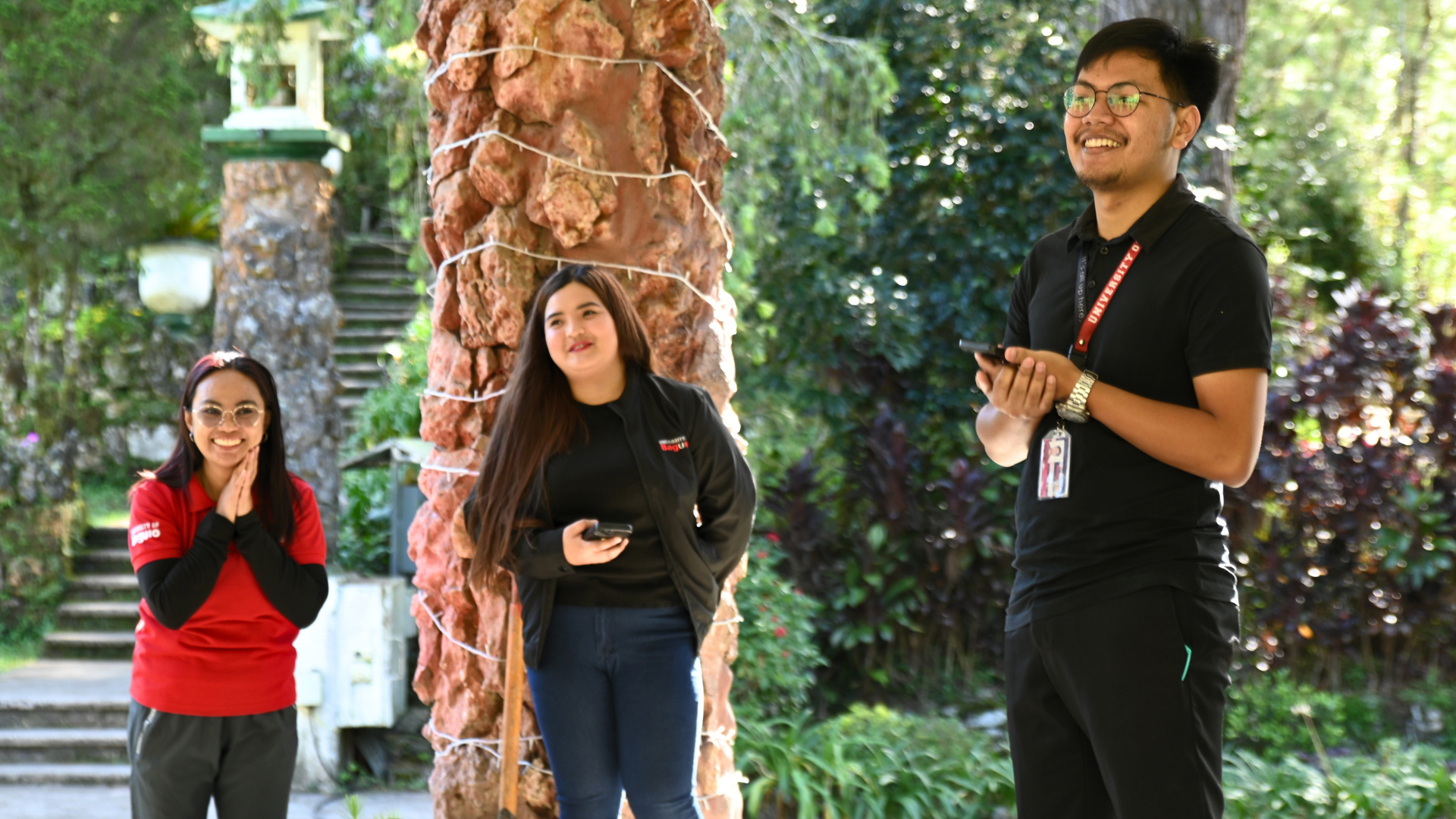
The activity also highlighted the importance of collaboration between academic institutions and environmental partners. By working with JHMC, the university provided its management personnel with an opportunity to participate directly in an environmental initiative within the Camp John Hay landscape. The partnership demonstrated how institutions can work together to advance environmental responsibility through shared resources, practical learning, and community-oriented action.
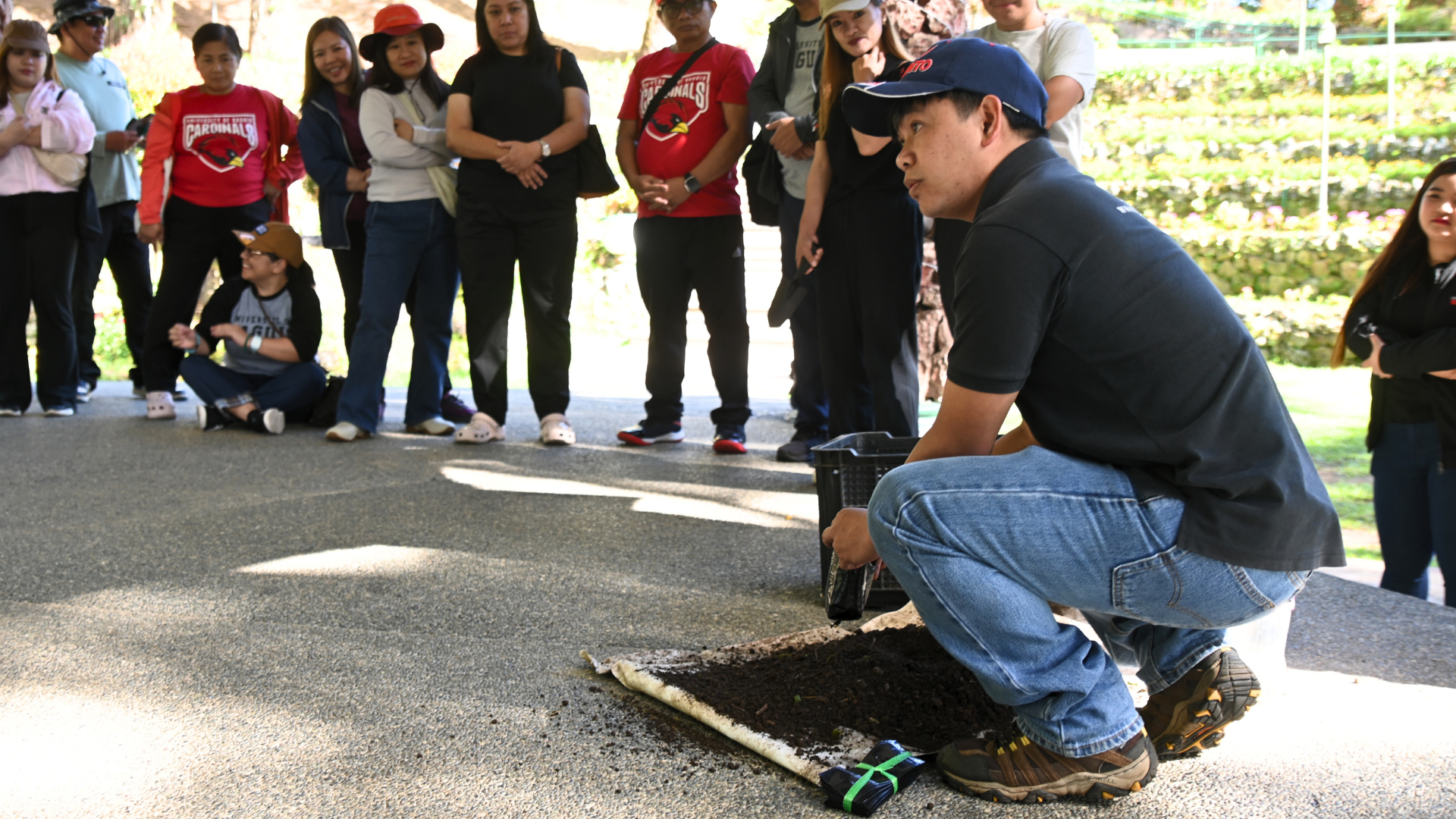
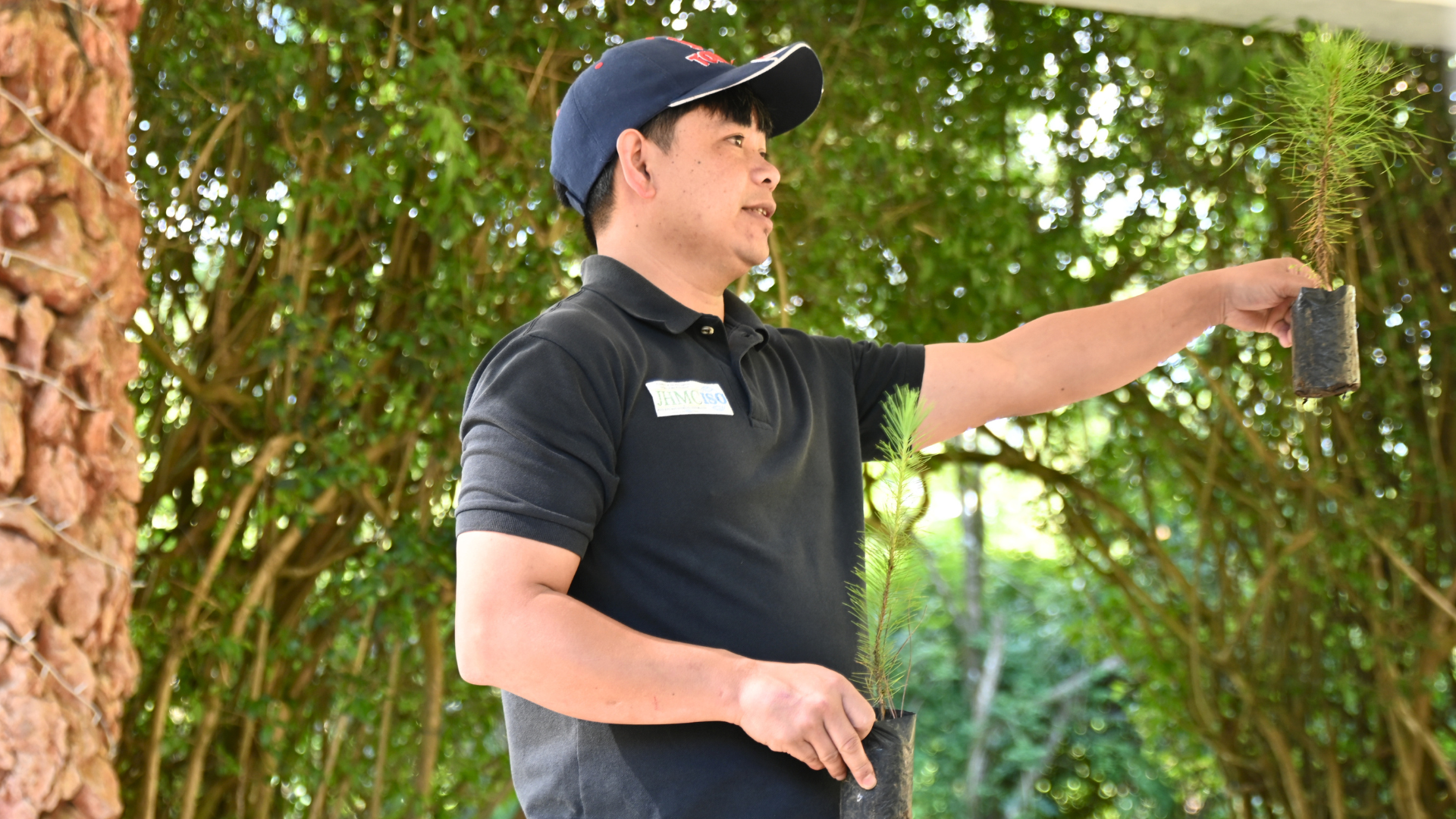
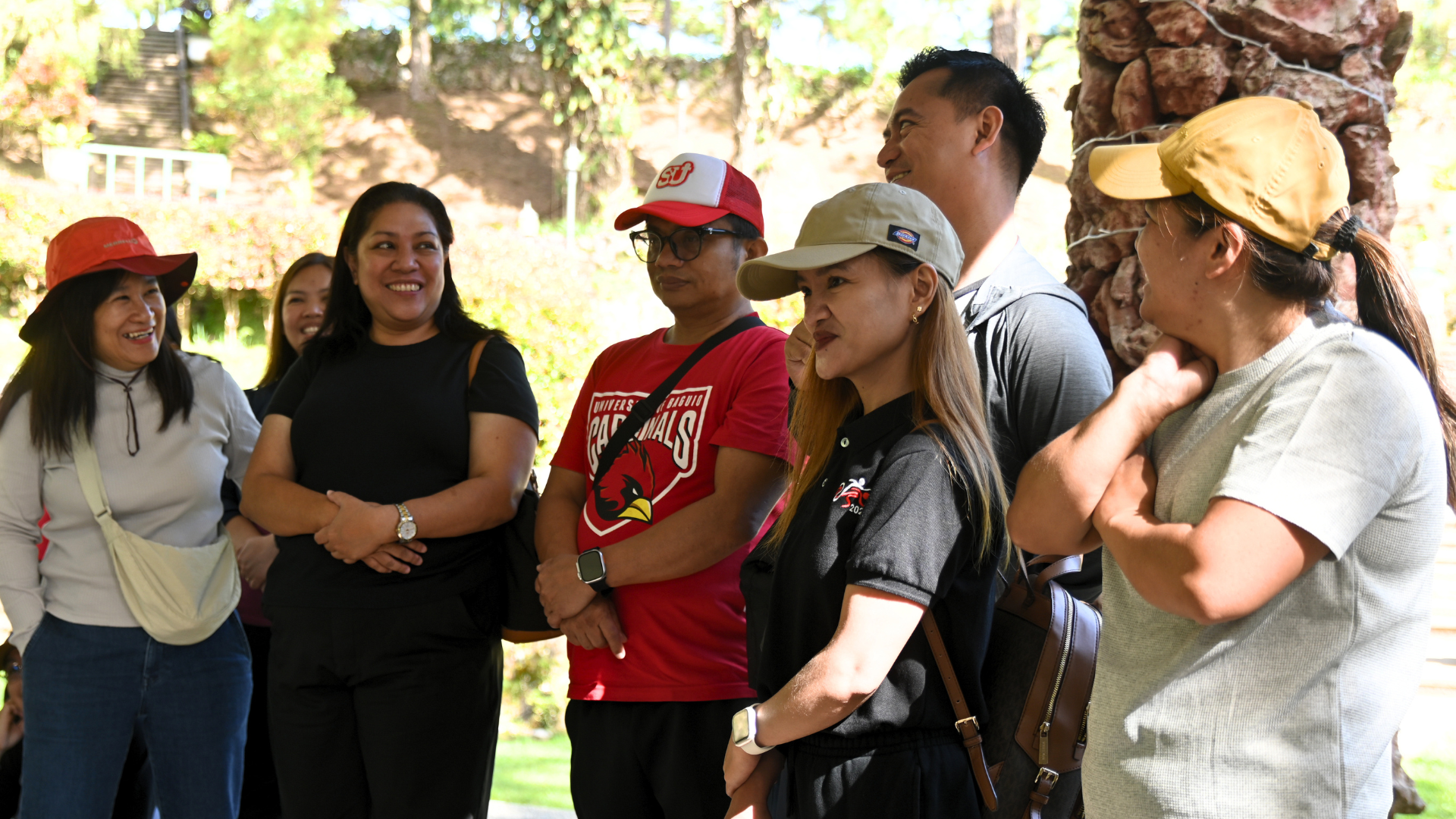
To equip the participants with the necessary knowledge and skills, Forester Peter Calpasi Jr. led the orientation and demonstration on the proper procedures for pine seedling propagation. He explained the importance of appropriate soil preparation, and proper sowing techniques in supporting seed germination and the eventual growth of healthy seedlings. The orientation also emphasized that successful propagation requires patience, attention to detail, and consistent care, as the process does not end with sowing but continues through the nurturing and maintenance of the seedlings.
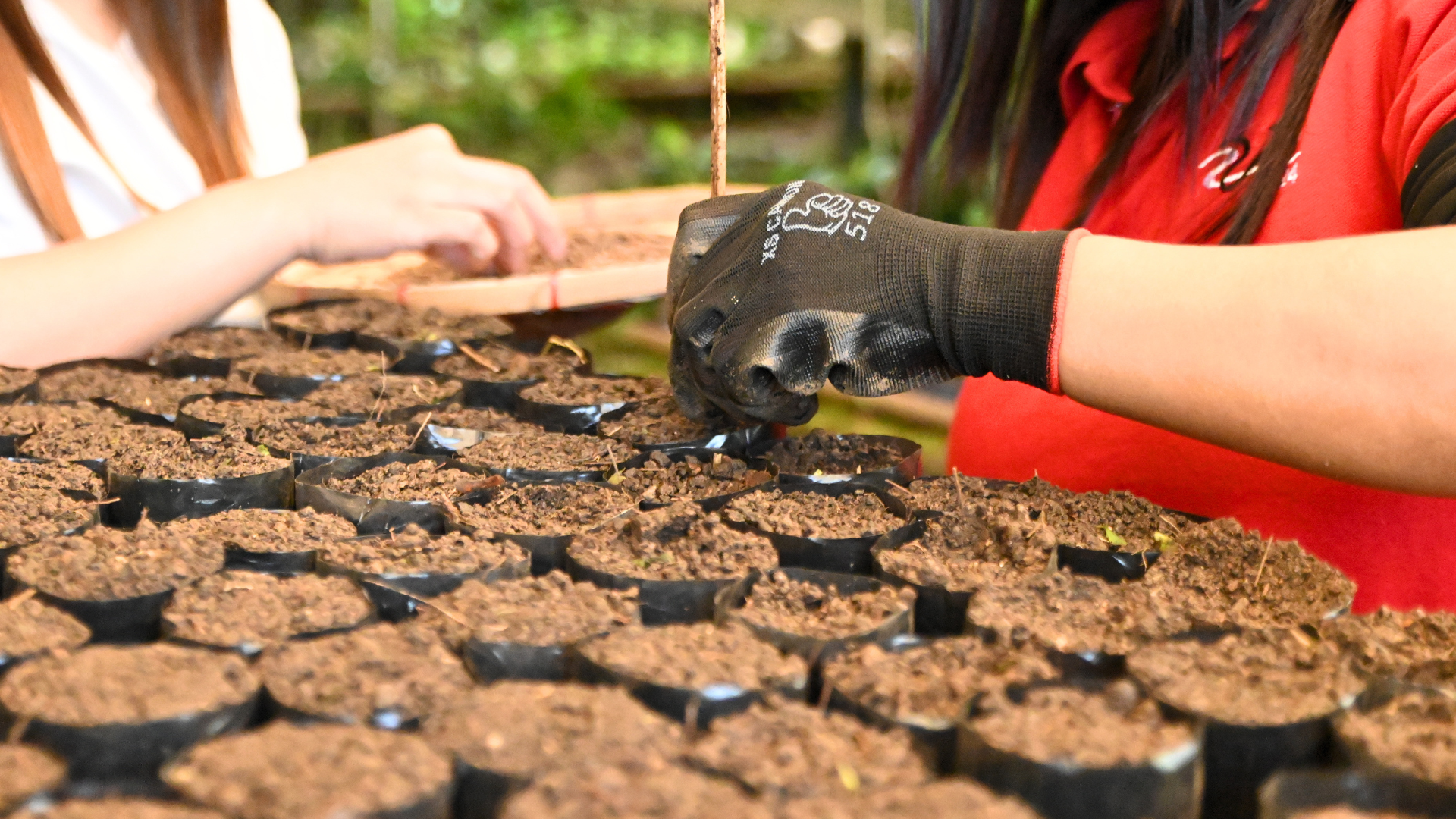
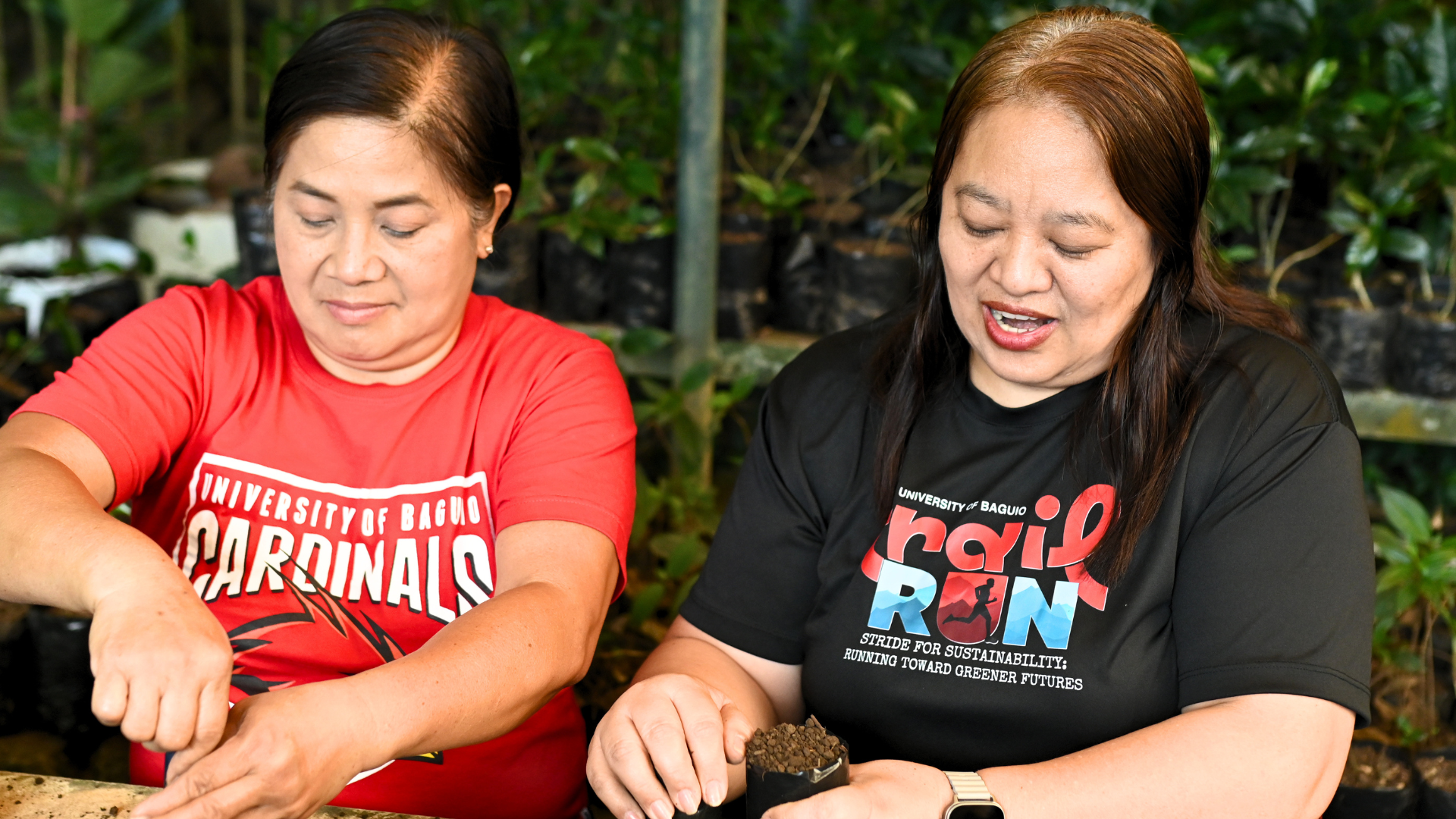
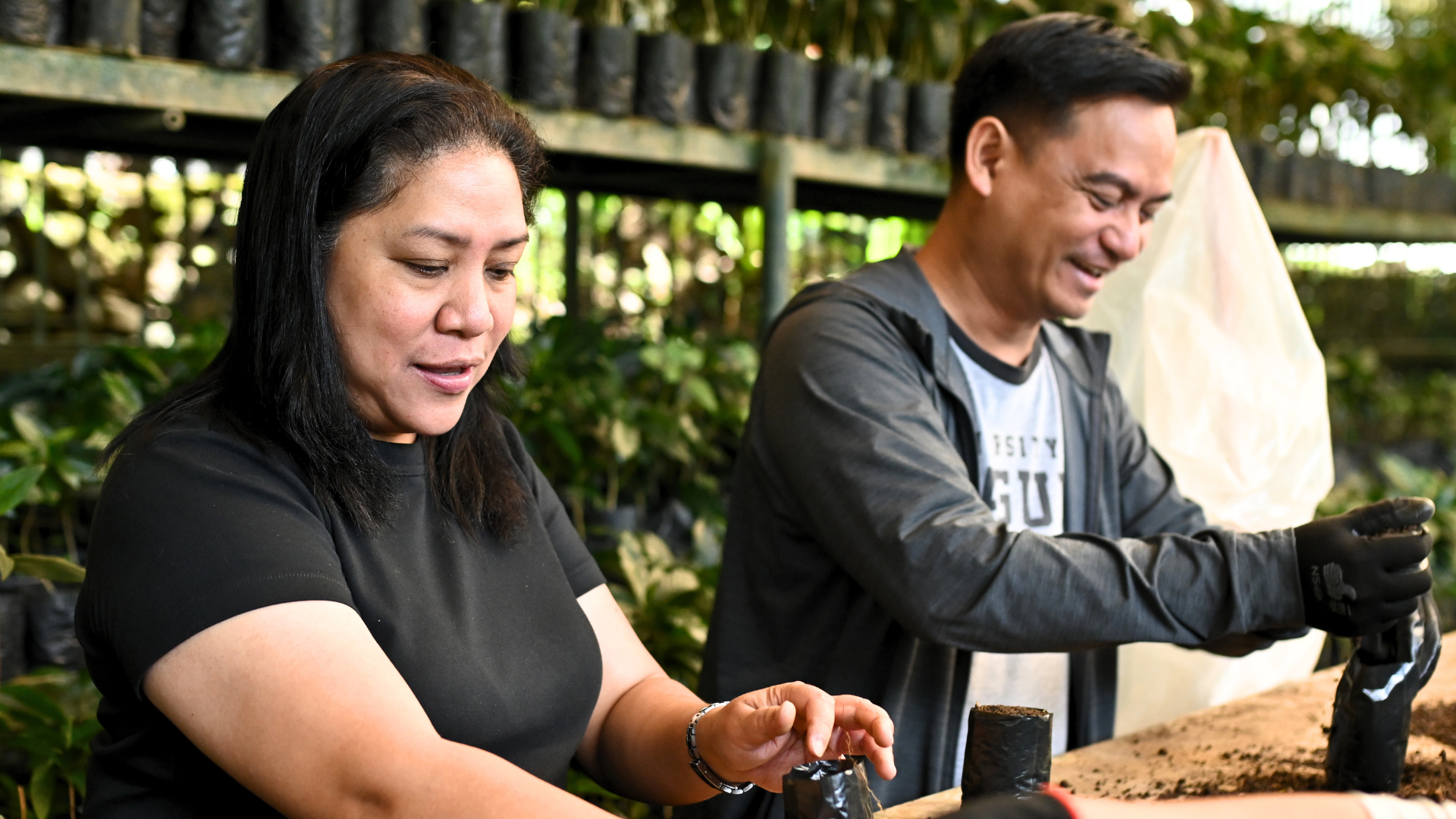
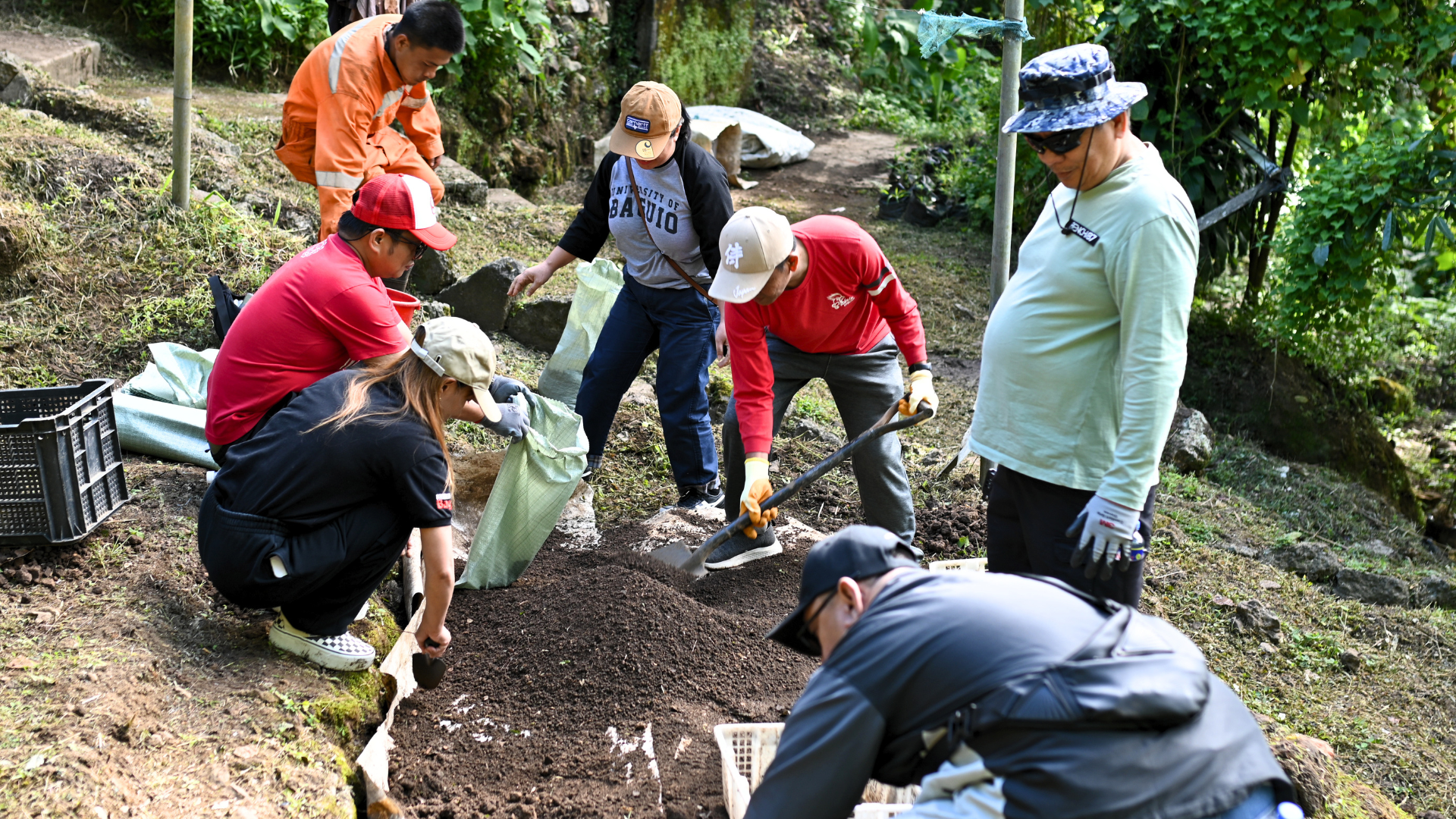
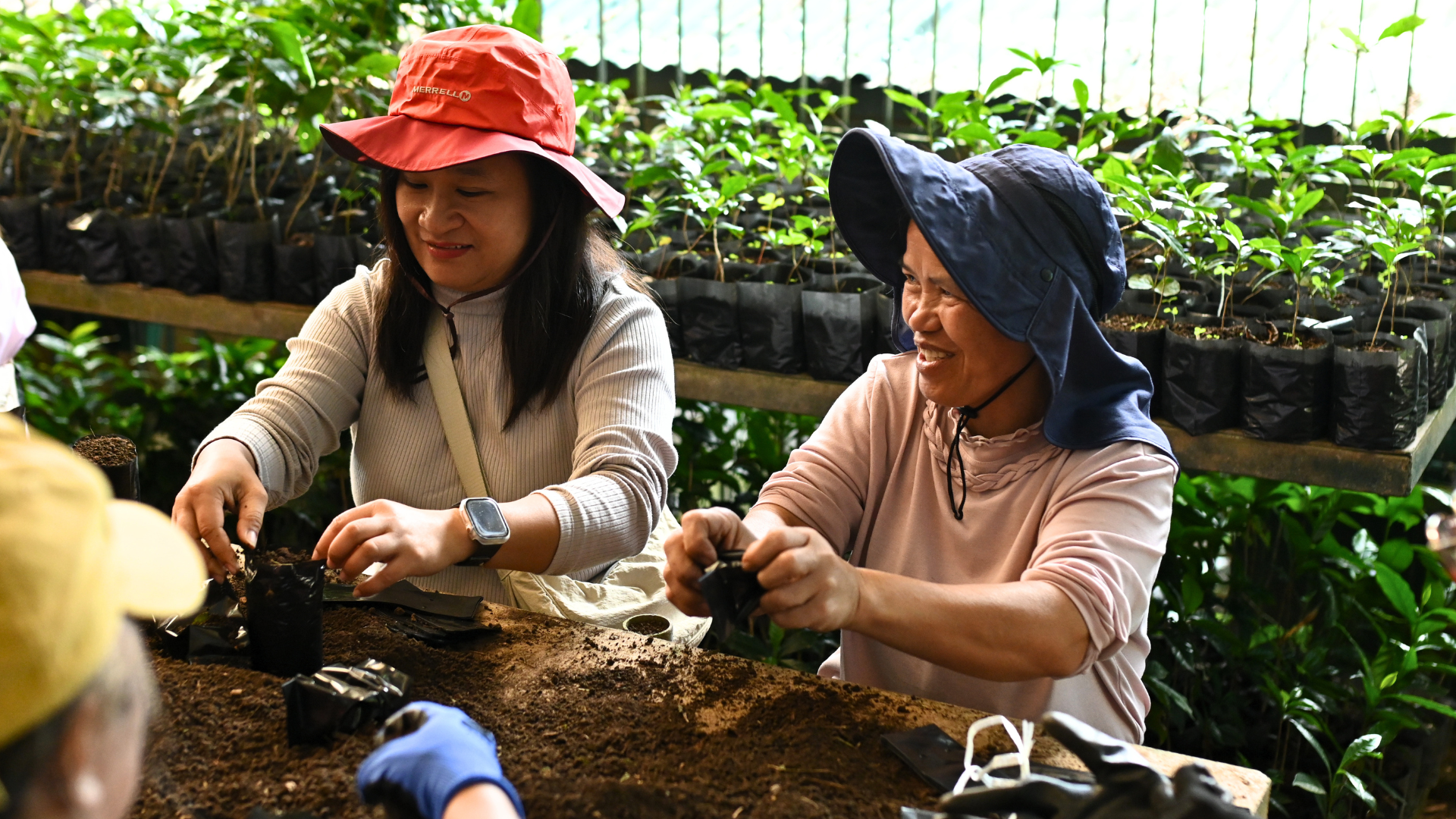
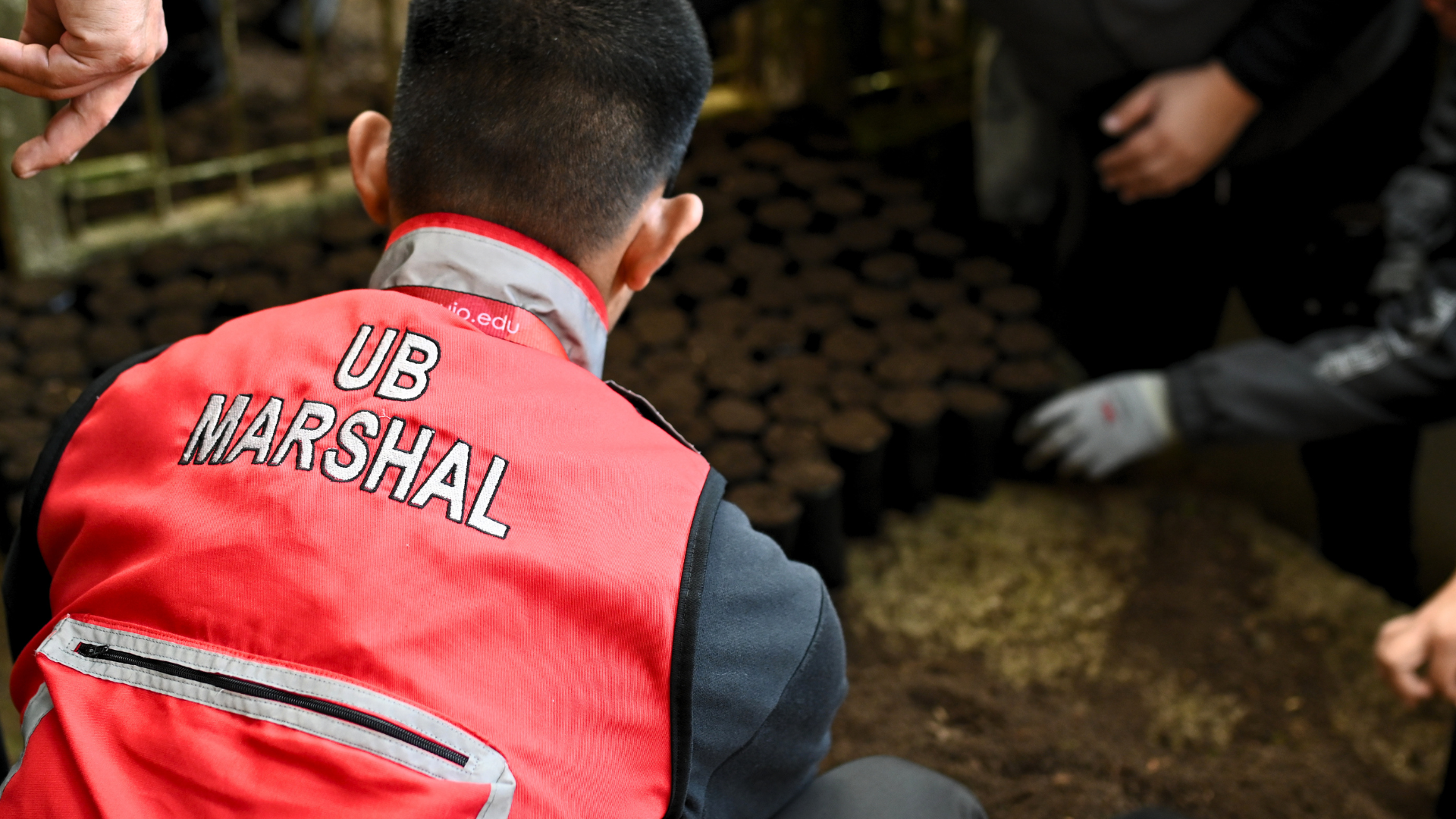
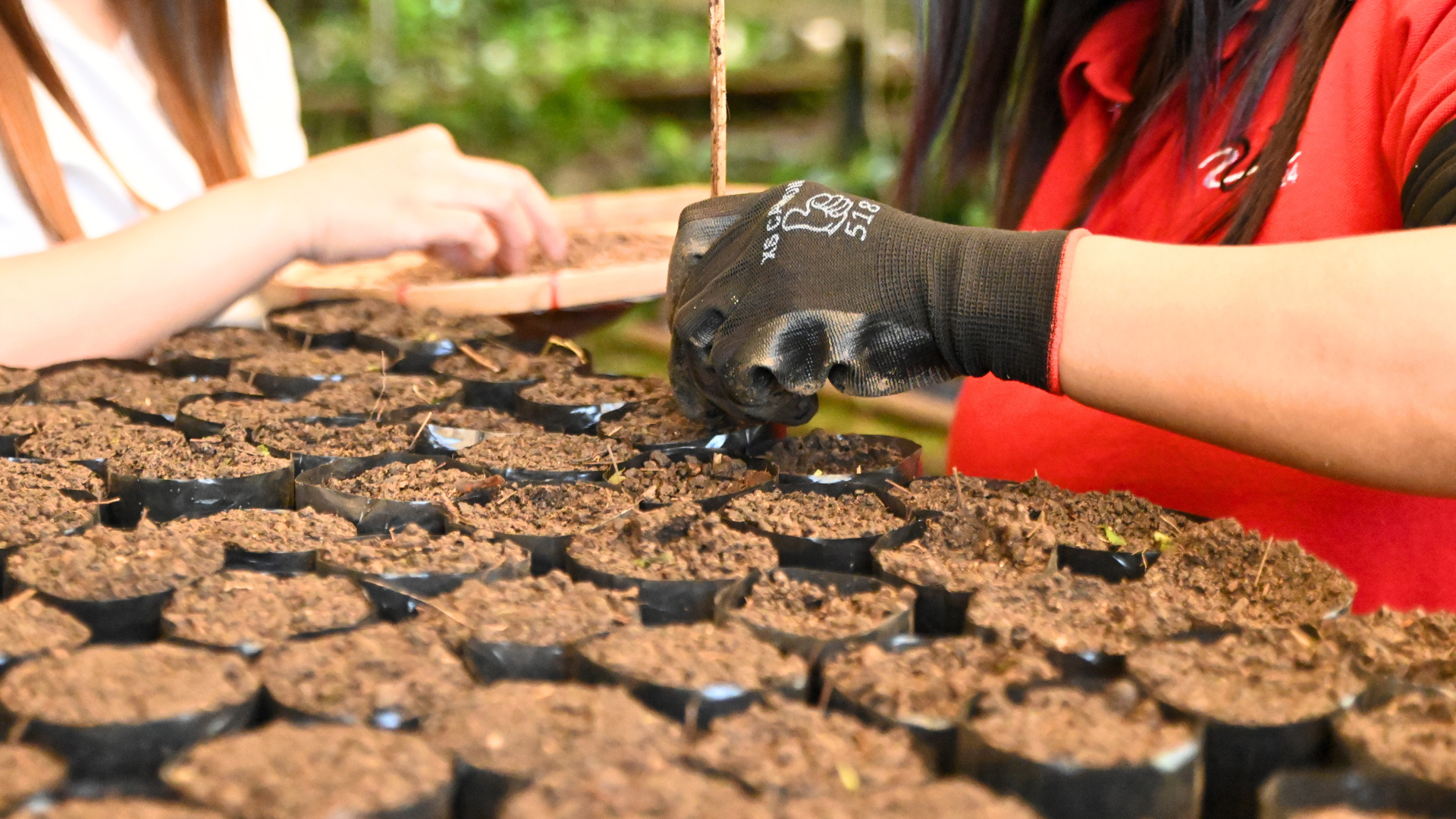
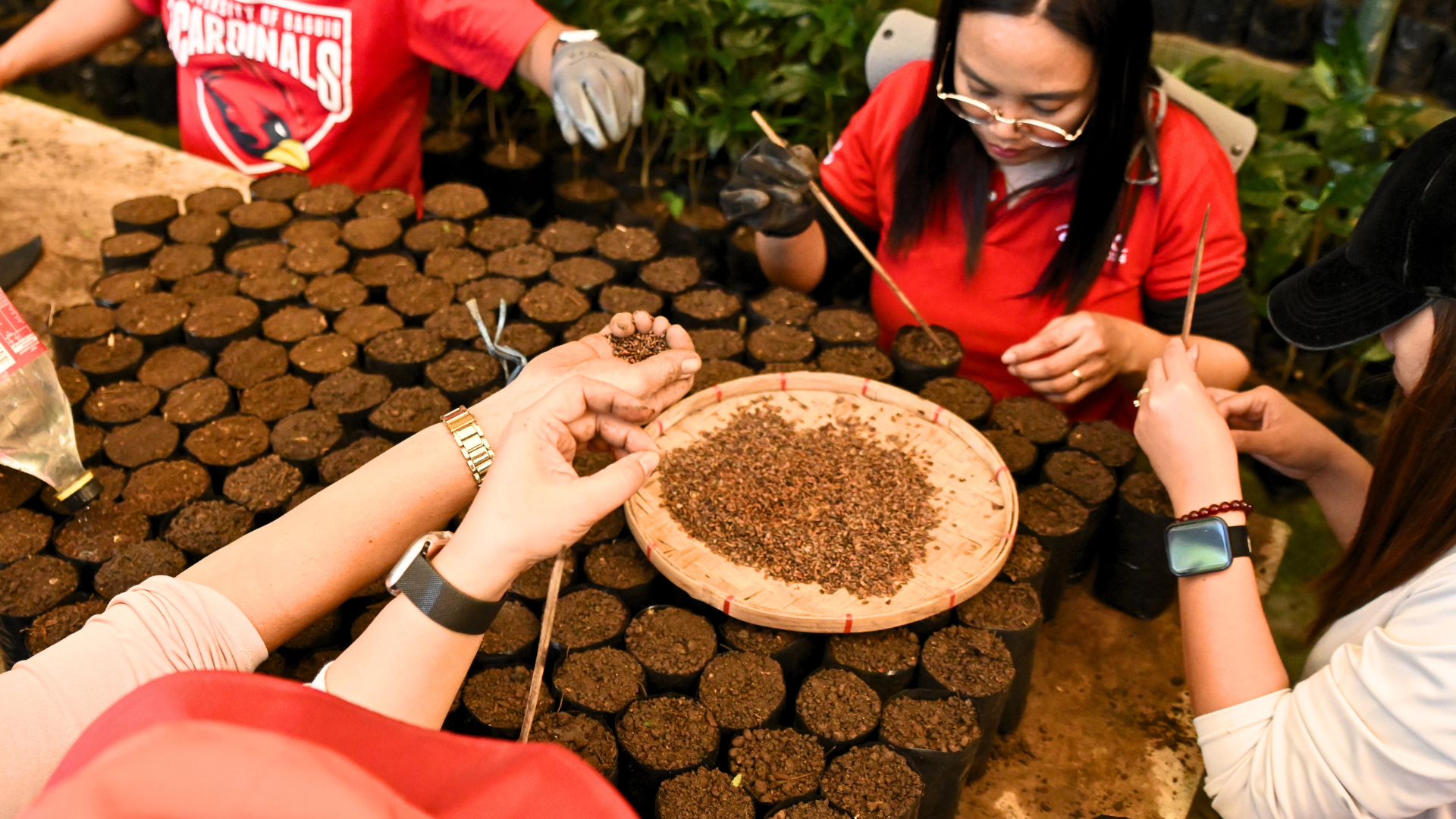
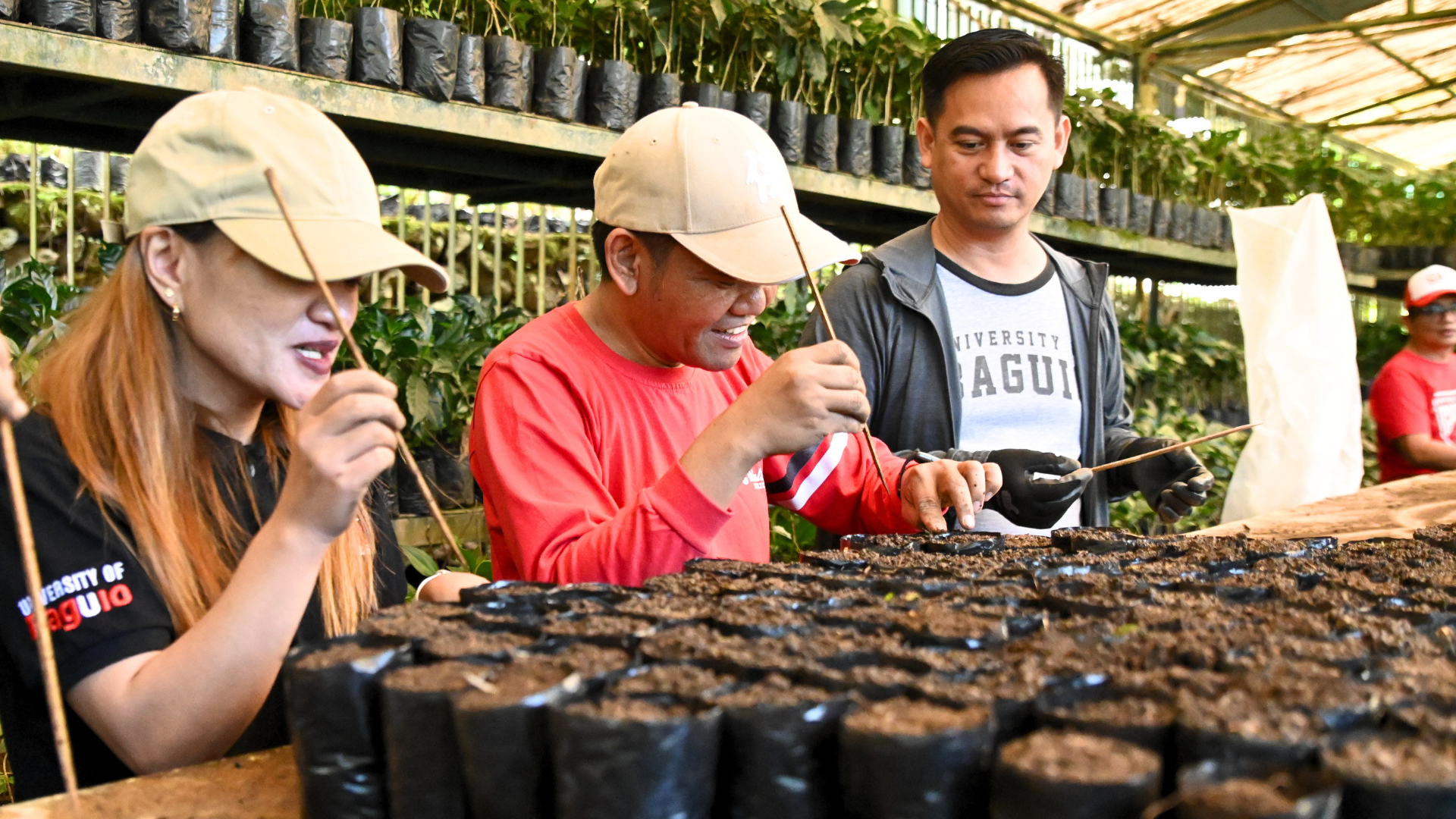
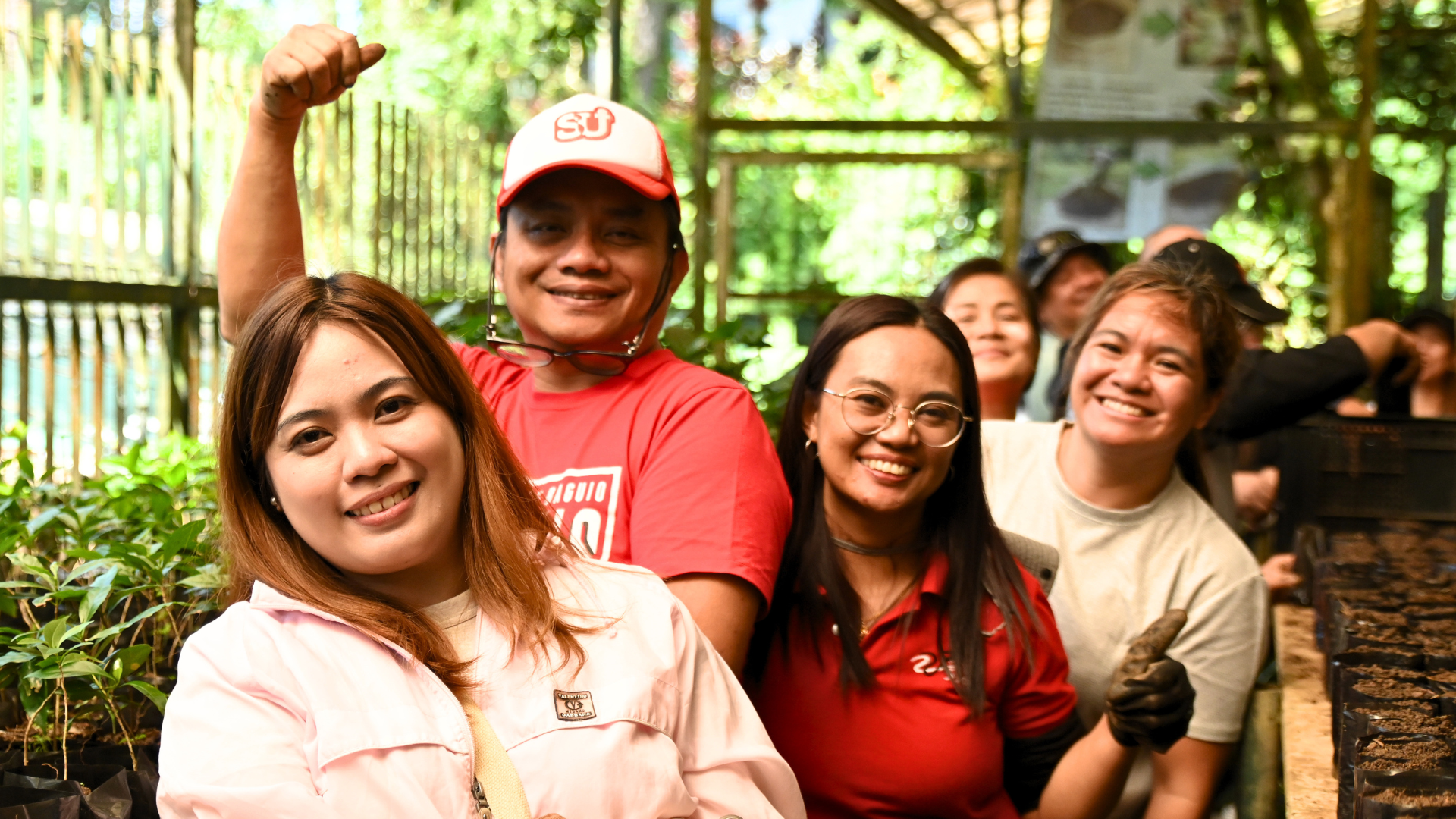
Following the orientation, the participants proceeded with the two essential stages of pine seedling propagation: soil potting and seed sowing. Working in groups, the UB Management Team actively engaged in preparing the soil, filling individual pots, and carefully sowing the pine seeds, applying the proper techniques demonstrated by Forester Peter Calpasi Jr. Through this hands-on experience, the participants gained a deeper appreciation of the care, patience, and attention required to nurture seeds into healthy seedlings.
More than a practical environmental activity, the sowing process symbolized a collective commitment to sustainability and the responsibility of nurturing nature for future generations. The successful propagation of 658 pine seeds stood as a tangible achievement of the initiative, reflecting the participants’ shared efforts and dedication to environmental stewardship. Each seed represented a promise of growth and a step toward a greener future, reinforcing the belief that meaningful environmental change begins with small, purposeful actions and a collective willingness to make a lasting difference.
Beyond the number of seeds propagated, CALL FOR PLANTERS Series II emphasized the importance of sustained environmental action. Pine seedling propagation is an initial step in a longer process that requires appropriate monitoring, watering, maintenance, and care to support germination and seedling development. The eventual survival and growth of the propagated seedlings will be important in determining their potential contribution to future planting and forest restoration efforts. Thus, continued coordination with the partner agency and proper seedling management will be essential in translating the activity’s immediate output into lasting environmental benefits.
Through this environmental initiative, the University of Baguio and JHMC reaffirmed the value of partnership in promoting environmental awareness and responsible action. The initiative is a reminder that nurturing a greener future begins with small but purposeful steps. As the seeds are cared for and monitored, the activity’s impact may extend beyond the propagation area, contributing to the broader goal of protecting forest ecosystems and inspiring continued participation in sustainability initiatives.