NEWS
Blaze Breakers & Earth Shakers: Green Warriors in Action
“The greatest threat to our planet is the belief that someone else will save it.” — Robert Swan.
- Michelle Ann P. Chomayag
- March 14, 2026
- 9:04 pm
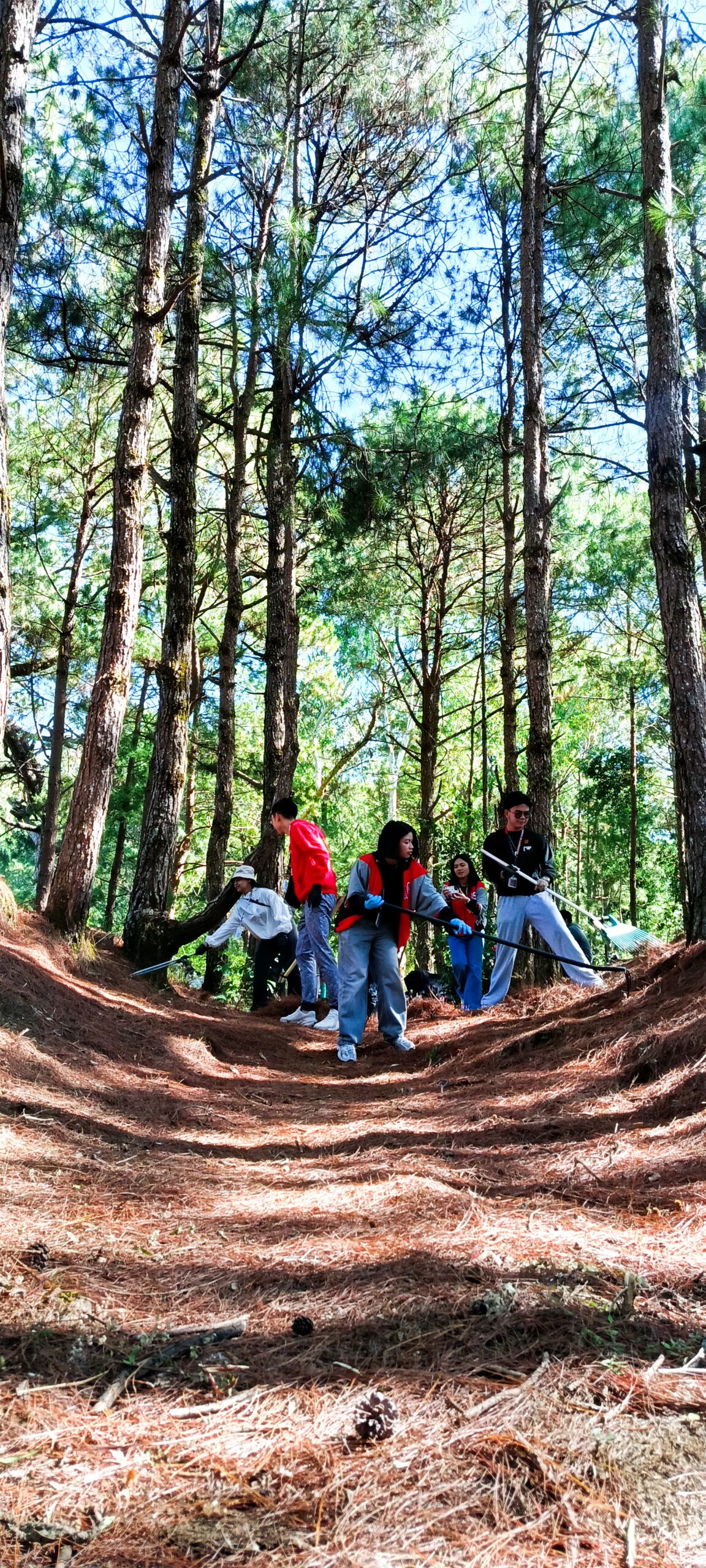
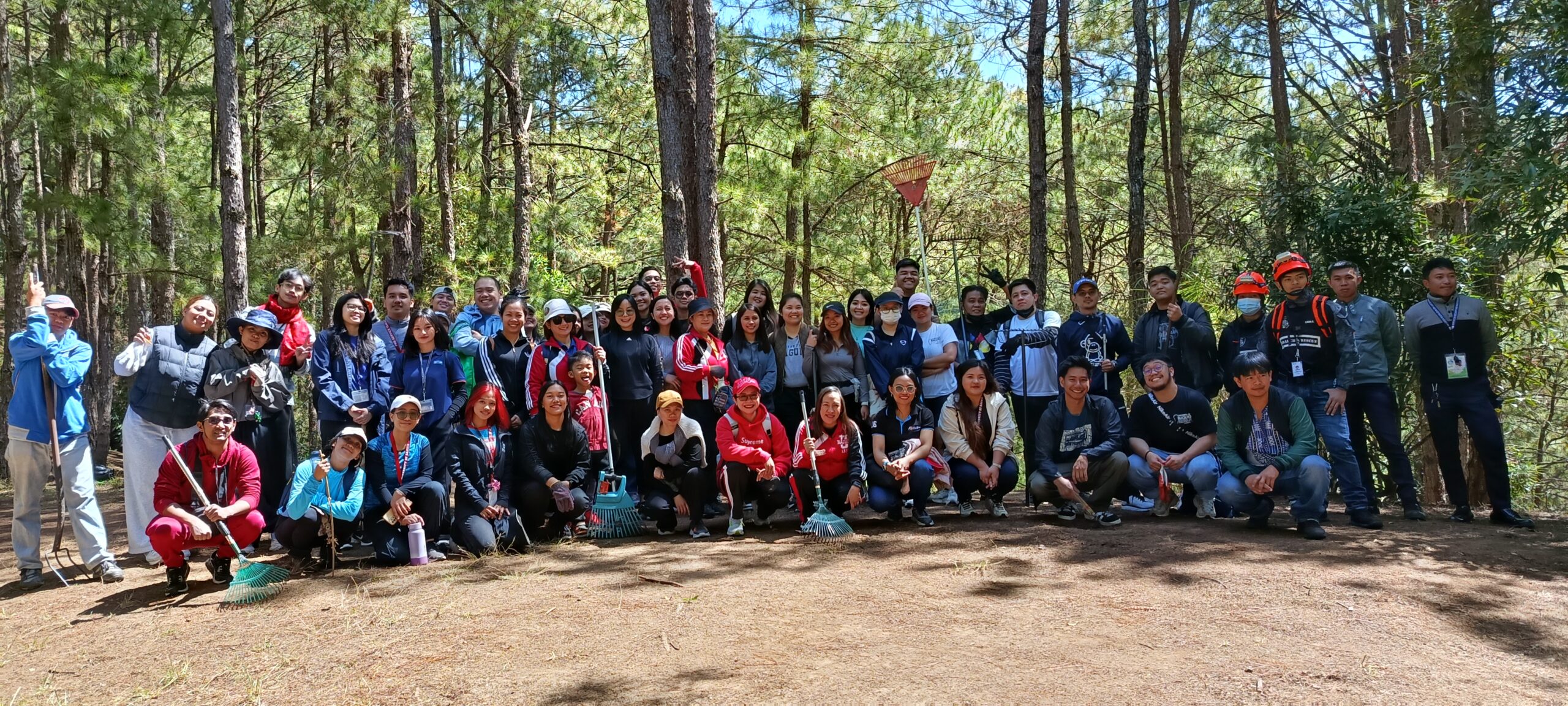
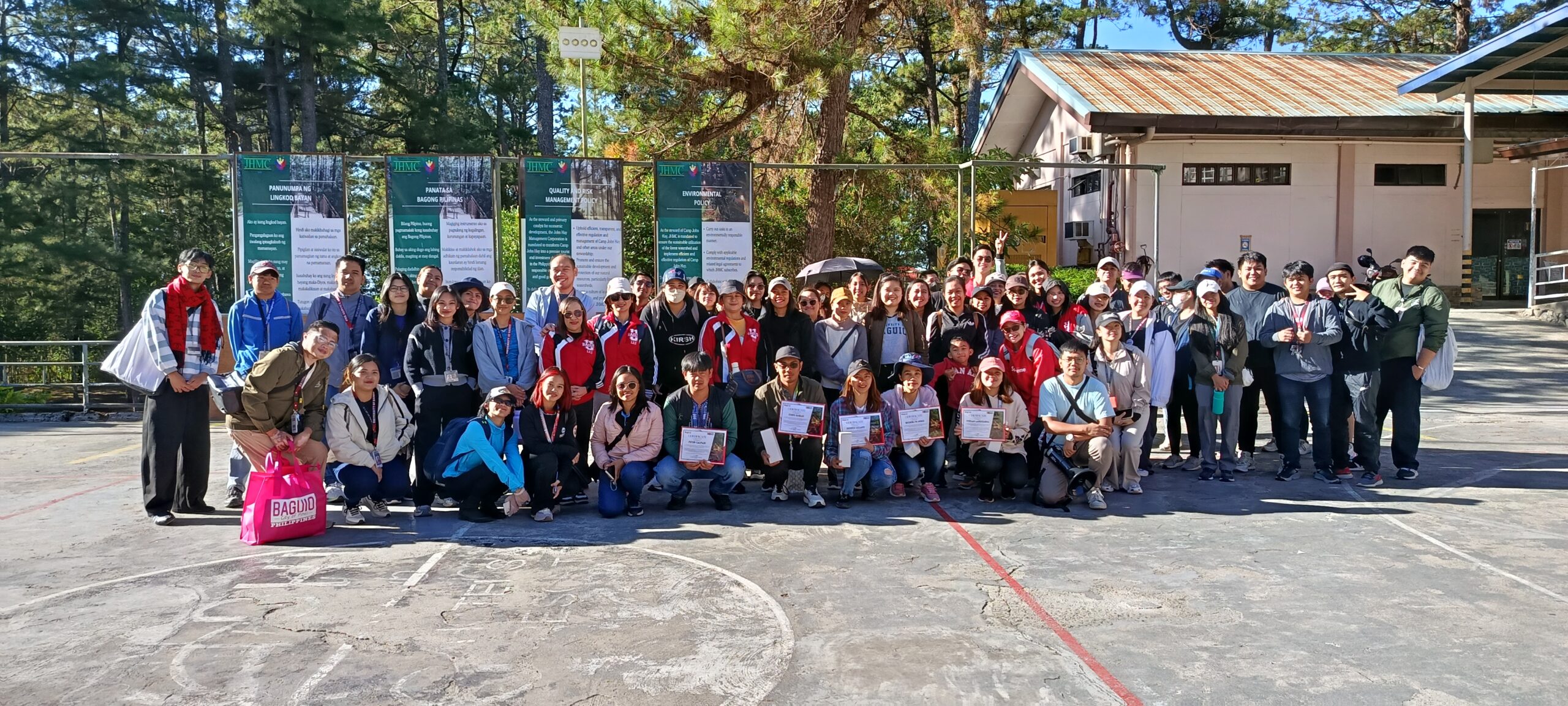
This powerful reminder accentuates the urgent need for individuals and institutions to take an active role in protecting the environment. In an era where forests, ecosystems, and natural resources face increasing threats from pollution, climate change, and human activities, meaningful and collective action has become more important than ever. Demonstrating a shared commitment to environmental stewardship and sustainable development, the University of Baguio (UB), in partnership with the John Hay Management Corporation (JHMC), successfully implemented the “Blaze Breakers and Earth Shakers” Fireline and Plogging Activity on March 14, 2026, at the trails of Camp John Hay. The initiative brought together students, faculty members, and non-teaching personnel from the University of Baguio alongside environmental officers and foresters from JHMC, reinforcing a collaborative effort to protect and sustain the environment.
A diverse group of volunteers participated in the activity, including 13 teachers from UBLES and STELA, 9 students from SIHTM, 8 from SIT, 10 Dentistry students, 10 STELA students, 4 from SEA, 1 student from UBLES, and 1 from SON. In addition, five personnel from the RIECO Office and ten representatives from the John Hay Management Corporation joined the initiative, demonstrating strong institutional collaboration and support for environmental conservation efforts.
The activity reflects UB’s continuing commitment to community engagement and environmental sustainability. By combining environmental education with hands-on conservation work, participants were able to strengthen their understanding of sustainable practices while directly contributing to forest protection and waste reduction. In doing so, the initiative promoted healthier communities, advancing good health and well-being (SDG 3); enriched student learning experiences, supporting quality education (SDG 4). At the same time, the conservation efforts underscored the importance of climate action (SDG 13) and the protection of ecosystems, thereby contributing to the preservation of life on land (SDG 15). Through these outcomes, the activity demonstrated how localized initiatives can meaningfully advance global sustainability goals while empowering students and stakeholders to become active agents of change.
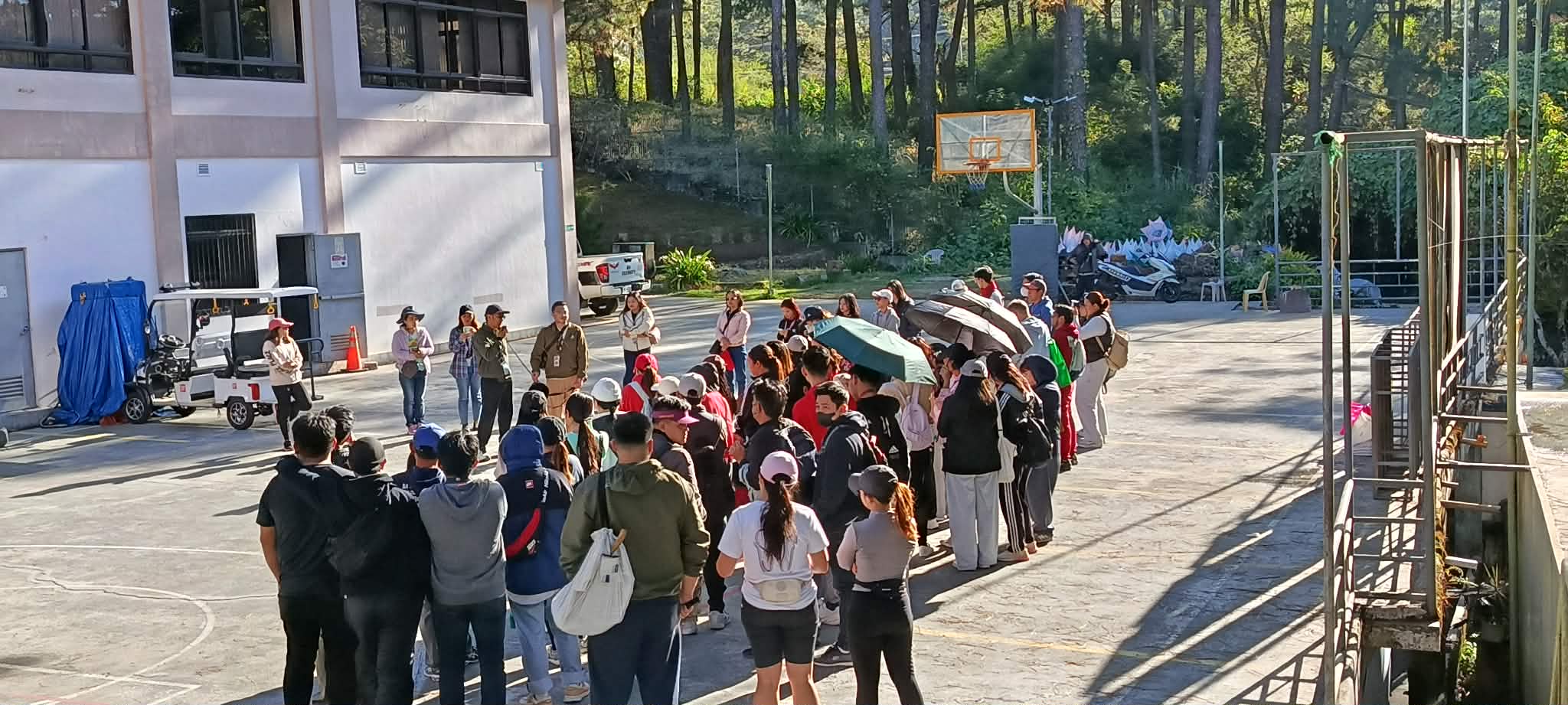
Prior to the field activities, the JHMC team conducted a short environmental education orientation to equip participants with essential knowledge on environmental protection and safety practices. The orientation was facilitated by Mr. Chris Haban, Forester Peter Calpasi, Ms. Miriam Lardizabal, Forester Desiree Luzano, and Forester Richerlyn Mino, who discussed key topics including Solid Waste Management, Fireline and Forest Protection, site safety, and general trail orientation. This learning component emphasized the importance of environmental awareness and responsible stewardship, highlighting the role of education in promoting sustainable practices.
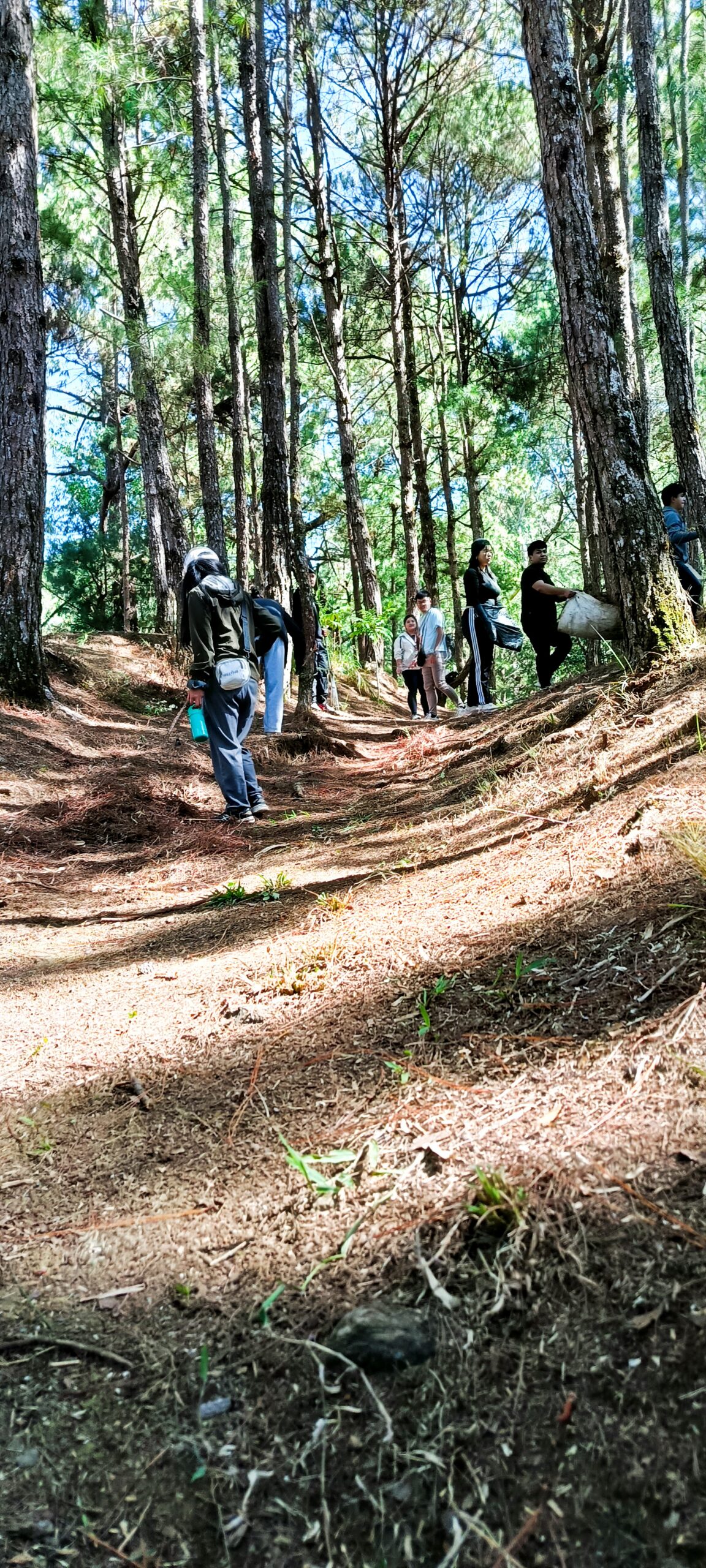
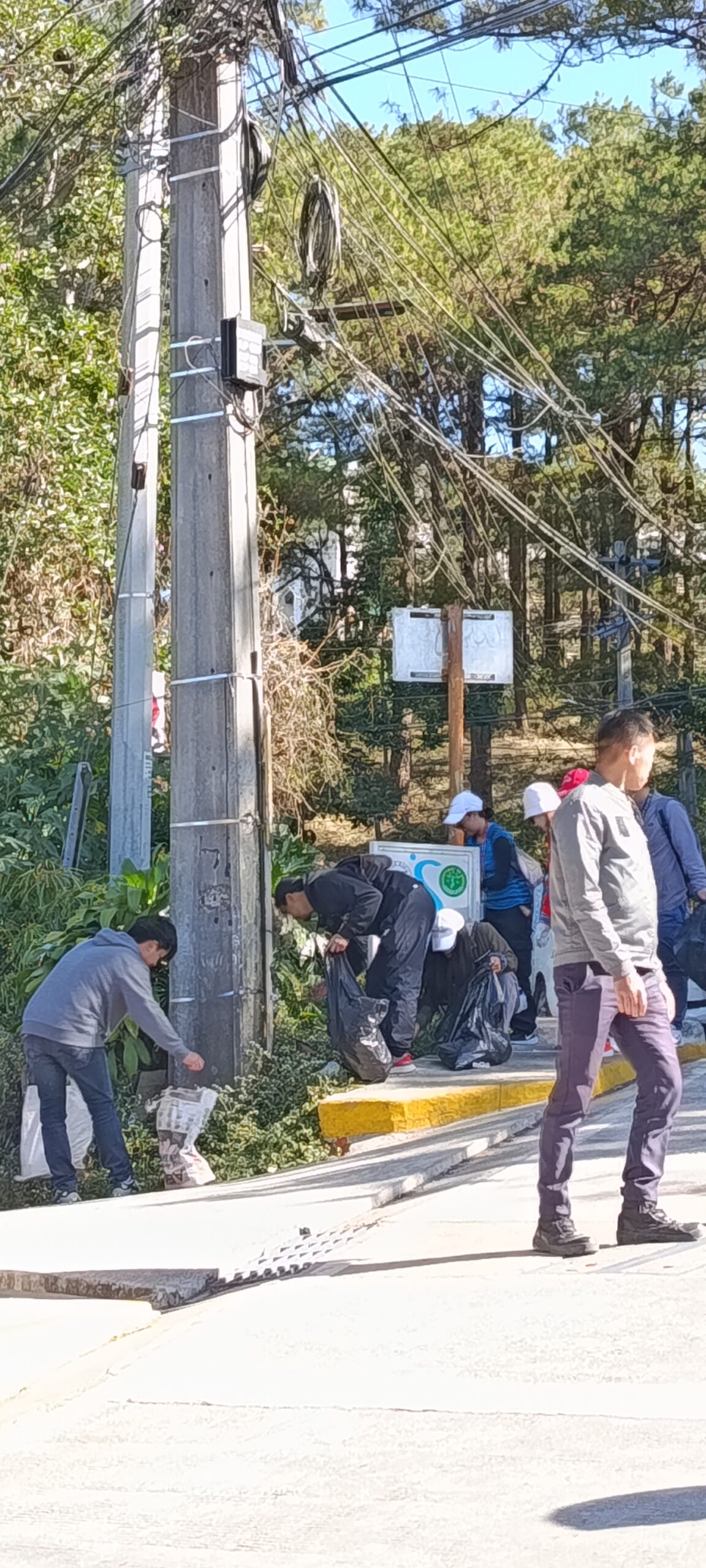
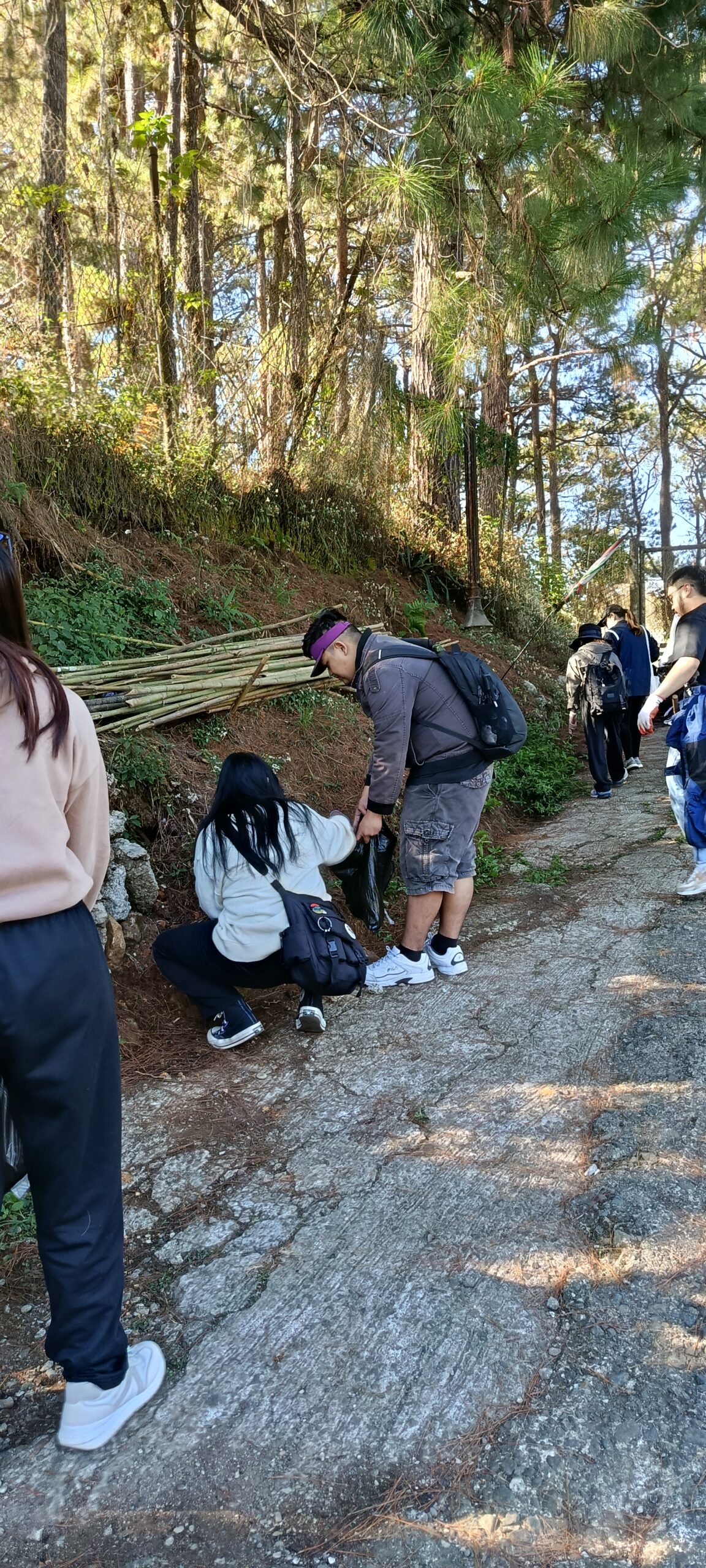
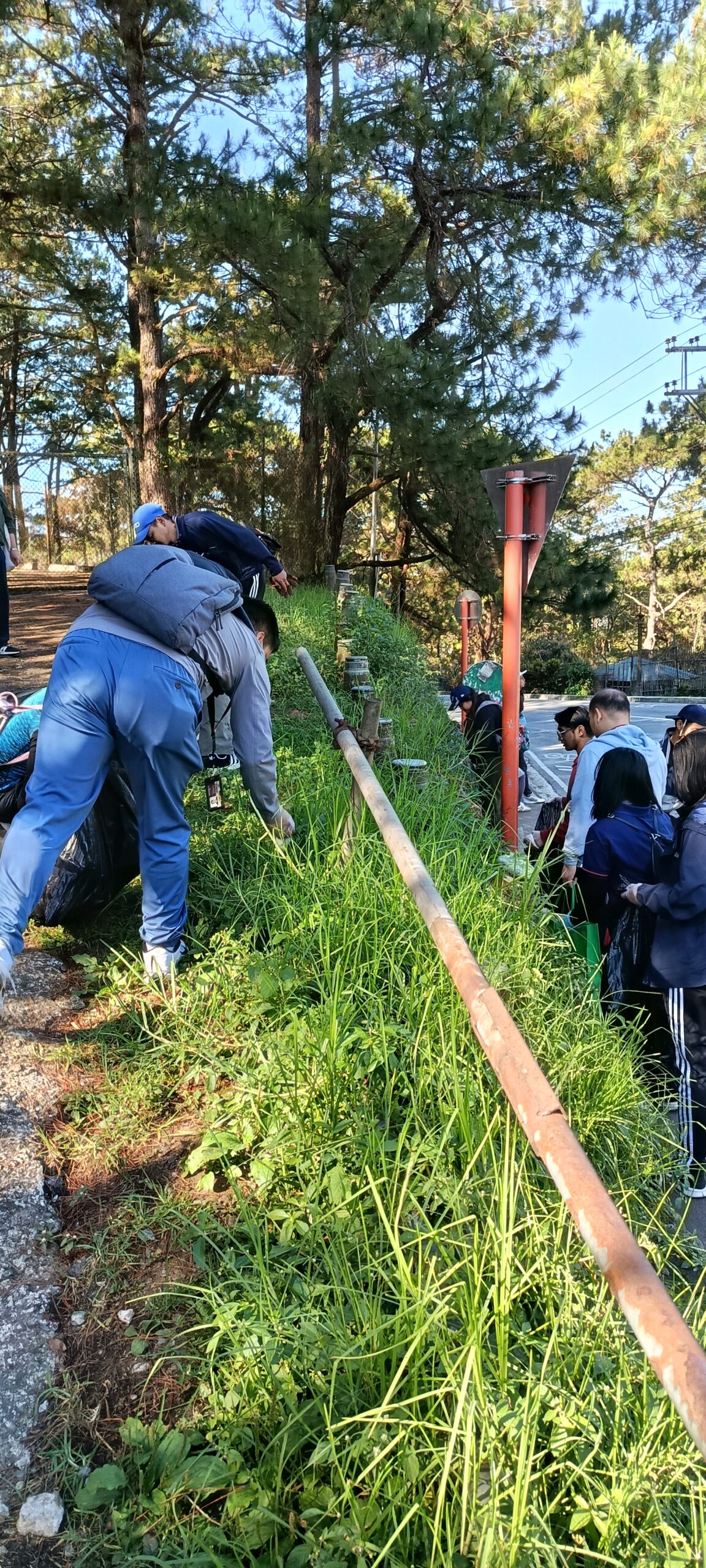
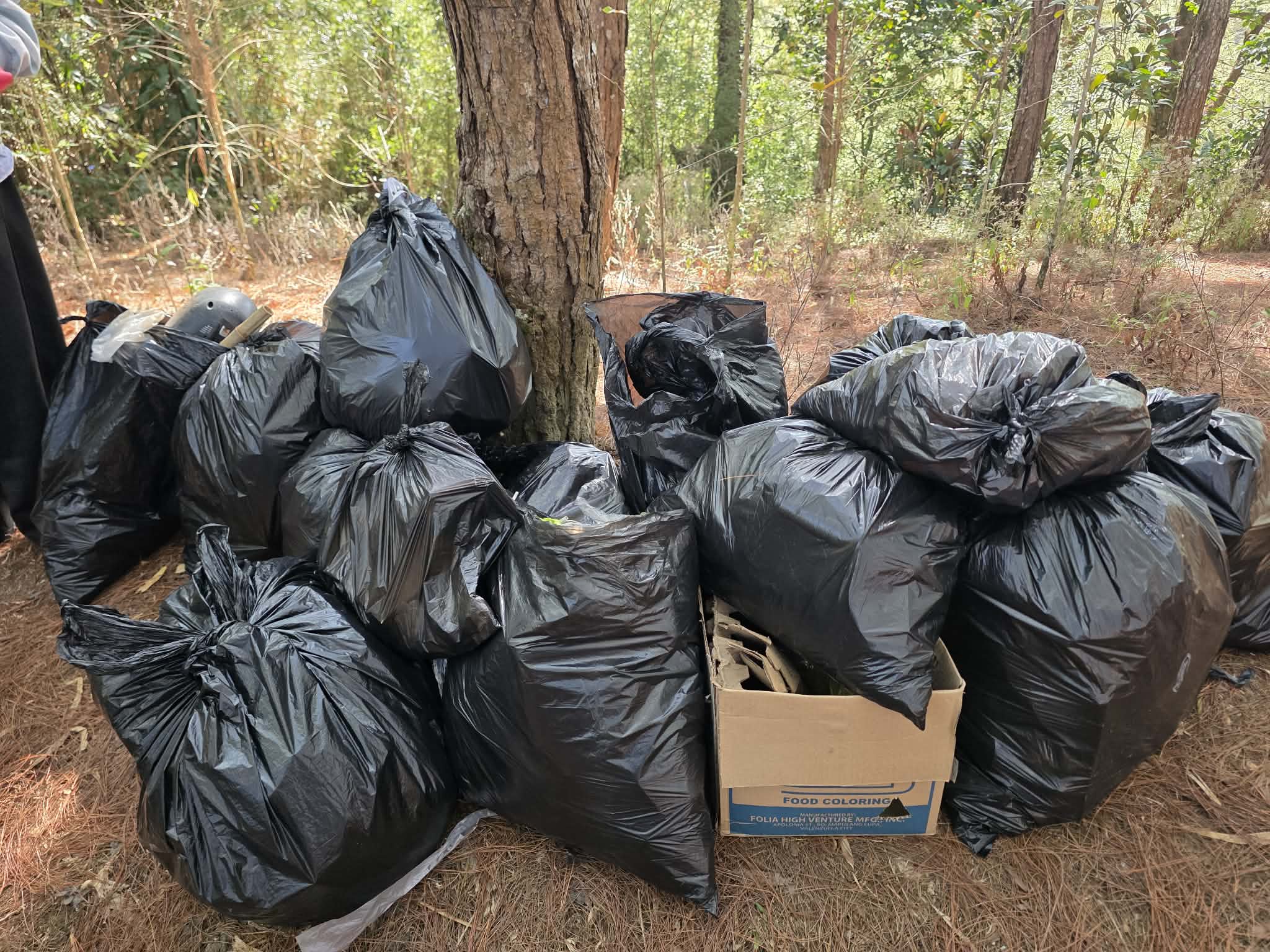
Following the orientation, volunteers proceeded with the plogging activity, a global movement that combines jogging and/or walking with picking up litter to promote both physical wellness and environmental protection. Participants collectively cleaned portions of the Loakan–Scout Barrio Road, extending down to Upper Dagsian and Lower Dagsian, successfully collecting 15 bags of waste materials along the route. This effort not only improved the cleanliness of the trail system but also helped prevent waste from entering nearby ecosystems and waterways.
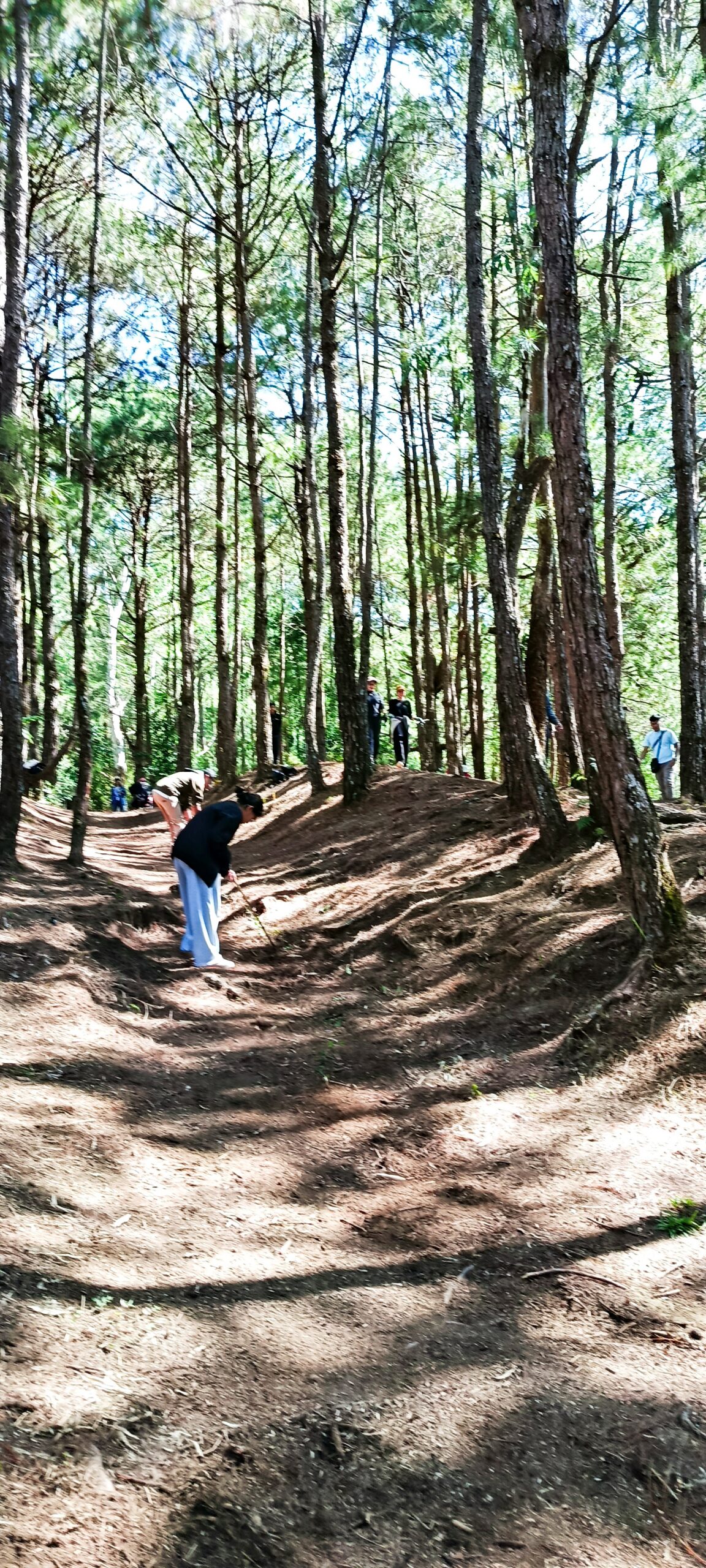
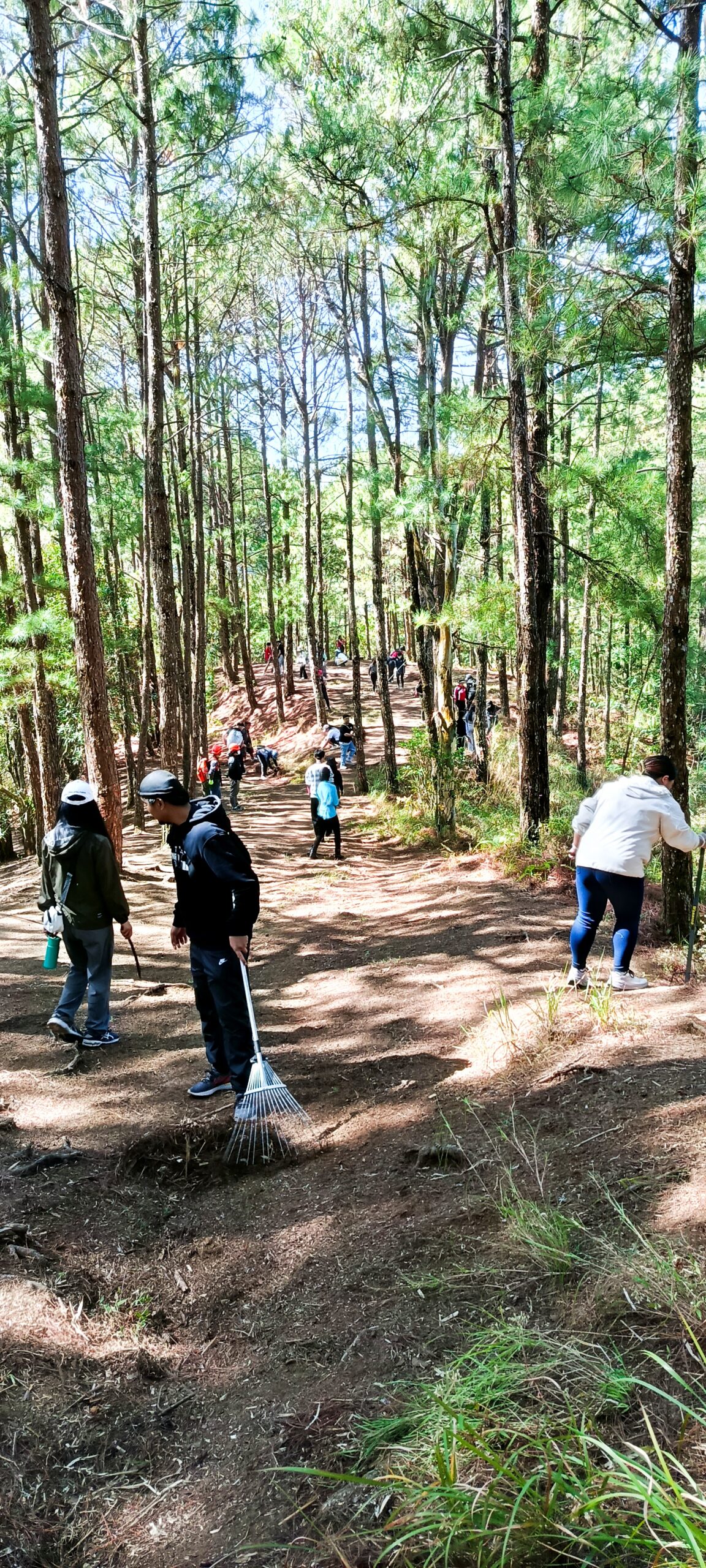
Furthermore, the team also worked on the establishment of fire lines, a critical wildfire prevention strategy that involves clearing vegetation to create barriers that slow or stop the spread of forest fires. Volunteers successfully established four fire line slopes measuring approximately 120 meters, contributing to the protection of forest areas within Camp John Hay. Firelines play a vital role in safeguarding biodiversity, reducing wildfire risks, and strengthening environmental resilience, actions that directly support global efforts toward climate action and ecosystem conservation.
Through the combined efforts of UB and JHMC, the activity not only strengthened environmental protection initiatives but also fostered a deeper sense of responsibility among participants. By engaging the academic community in hands-on conservation activities, the initiative reinforced the idea that protecting natural resources requires collective action, informed participation, and sustained partnerships.
The success of the “Blaze Breakers and Earth Shakers” activity reflects the University of Baguio’s continuing dedication to promoting environmental awareness, sustainable practices, and meaningful partnerships with community stakeholders. As participants returned from the trails with cleaner surroundings and strengthened fire prevention measures, they also carried with them a renewed commitment to becoming true stewards of the environment—Green Warriors working together for a more sustainable future.