NEWS
From Vision to Legislation: University of Baguio Participates in Public Consultation on Education-Related Proposed Ordinances
“Invest in the education of the young and help one other for the betterment of the city.”
- Mark Rommel L. Supsupin
- May 18, 2026
- 2:41 pm
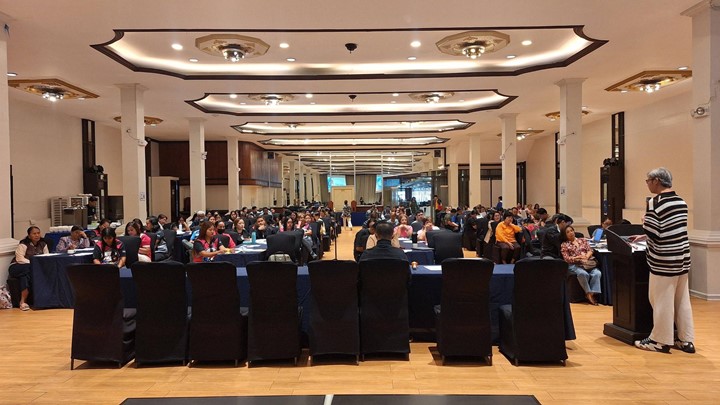
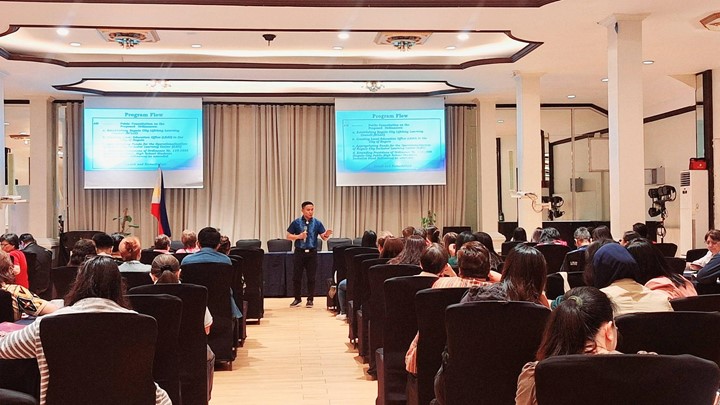
On May 15, 2026, the Sangguniang Panlungsod of Baguio City convened a public consultation on education-related proposed ordinances at the Venue Parkview Hotel, Baguio City. The activity brought together representatives from various government offices, academe, officials from the barangay local government unit, civil society organizations, and private businesses to discuss proposed ordinances aimed towards lifelong learning in the city. Notable personalities in attendance included Hon. Councilor Vladimir D. Cayabas, the Chairperson of the Committee Education, Creativity, ICT, and Culture & Historical Research, Engr. Aloysius Mapalo, Head of the City Tourism Office, Hon. Councilor Leandro Yangot, and Hon. Congressman Mauricio Domogan.
From the outset, Hon. Councilor Cayabas opened the program by emphasizing that participants were not merely an audience, but as consultants for the future of Baguio City. This framing underscored the very spirit of public consultation as democratic process that values public participation, accountability, responsiveness, and transparency in governance. Attendees were oriented on the significance of public consultation, as well as the laws that govern proposed ordinances, further reinforcing that the voices of the community matter in shaping legislation that will directly affect their lives. In general, the activity’s primary purpose was to gather information, opinions, and ideas from stakeholders, and to ensure the continuity of service collaboration across different sectors.
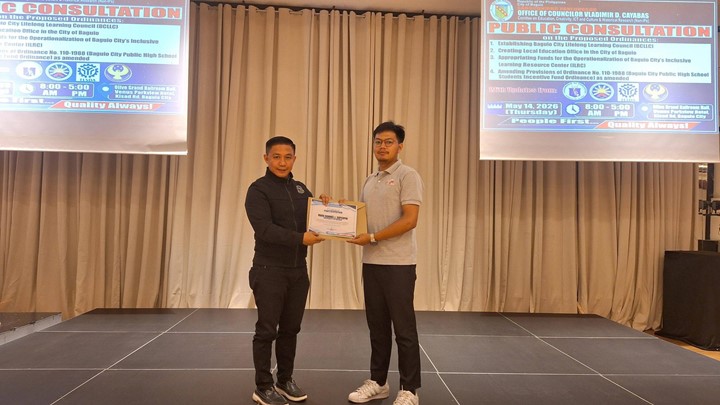
Long recognized as the education center of the North, Baguio City continues to take deliberate and proactive steps not only to maintain that distinction but to truly improve the quality of education for all its constituents. The center of the consultation revolved around four education-related proposed ordinances introduced by Councilor Cayabas, each reflecting the city’s commitment to building a stronger and more inclusive educational landscape. The first proposed ordinance was the establishment of a Baguio City Lifelong Learning Council (BCLLC), which seeks to create a multi-sectoral governing body that will lead the planning and implementation of lifelong learning policies, programs, and activities across the city in line with its UNESCO Global Network of Learning Cities membership. The second ordinance proposes the creation of a Local Education Office (LEdO) under the Office of the City Mayor, which will serve as the city’s designated office for formulating and driving local education agenda in coordination with the Department of Education (DepEd), the Commission on Higher Education (CHED), and the Technical Education and Skills Development Authority (TESDA). The third proposed ordinance seeks to fund the full operationalization of the Baguio City Inclusive Learning Resource Center (ILRC), which will function as a therapeutic hub and technical resource center staffed by specialists to support learners with disabilities in the city’s schools. Lastly, the fourth ordinance proposes amendments to the existing Baguio City Public High School Students Incentive Fund Ordinance, otherwise known as Ordinance No. 110-1988, aimed at updating and strengthening the incentive framework that supports public high school students in the city.
Beyond the legislative discussions, DepEd, CHED, and TESDA shared relevant developments and updates connected to lifelong learning programs and initiatives in the city. Thereafter, the Bangko Sentral ng Pilipinas – Northern Luzon Regional Office conducted a session on financial education by walking participants on how to detect counterfeit money and protect themselves from financial fraud, which is a timely and relevant topic that complemented the broader theme of empowering citizens through education.
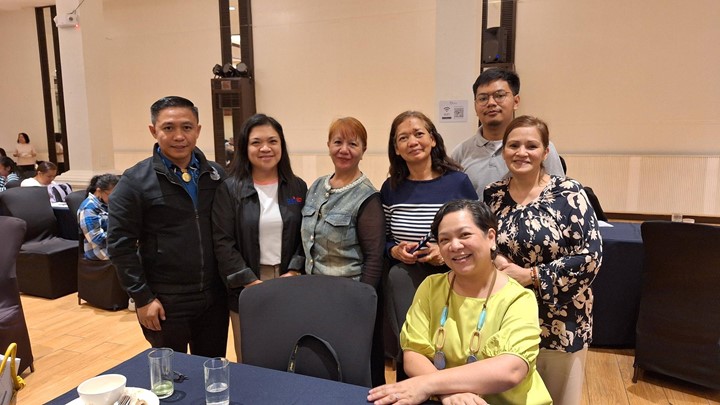
The University of Baguio’s participation in this consultation reflects its commitment to attaining the United Nations Sustainable Development Goals, particularly SDG 4 (Quality Education), SDG 10 (Reduced Inequalities), and SDG 17 (Partnerships for the Goals). This affirms the institution’s role not just an academic institution, but as an active partner in nation-building and community development. As a member of the community, UB remains committed to contributing to the city’s growth and progress by sharing its expertise across various fields, recognizing that meaningful development is achieved not in isolation, but through collective effort and collaboration. This commitment was perhaps best captured in the words that Councilor Cayabas left everyone as he concluded the program–”Invest in the education of the young and help one other for the betterment of the city.”