NEWS
From Voices to Vision: UB’s Path to Sustainable Community Development
“Understanding the needs of a community is the cornerstone of meaningful development. Without a clear assessment of challenges and aspirations, programs risk being misaligned with reality”
- Michelle Ann P. Chomayag
- February 20, 2026
- 9:58 pm
“Understanding the needs of a community is the cornerstone of meaningful development. Without a clear assessment of challenges and aspirations, programs risk being misaligned with reality”.
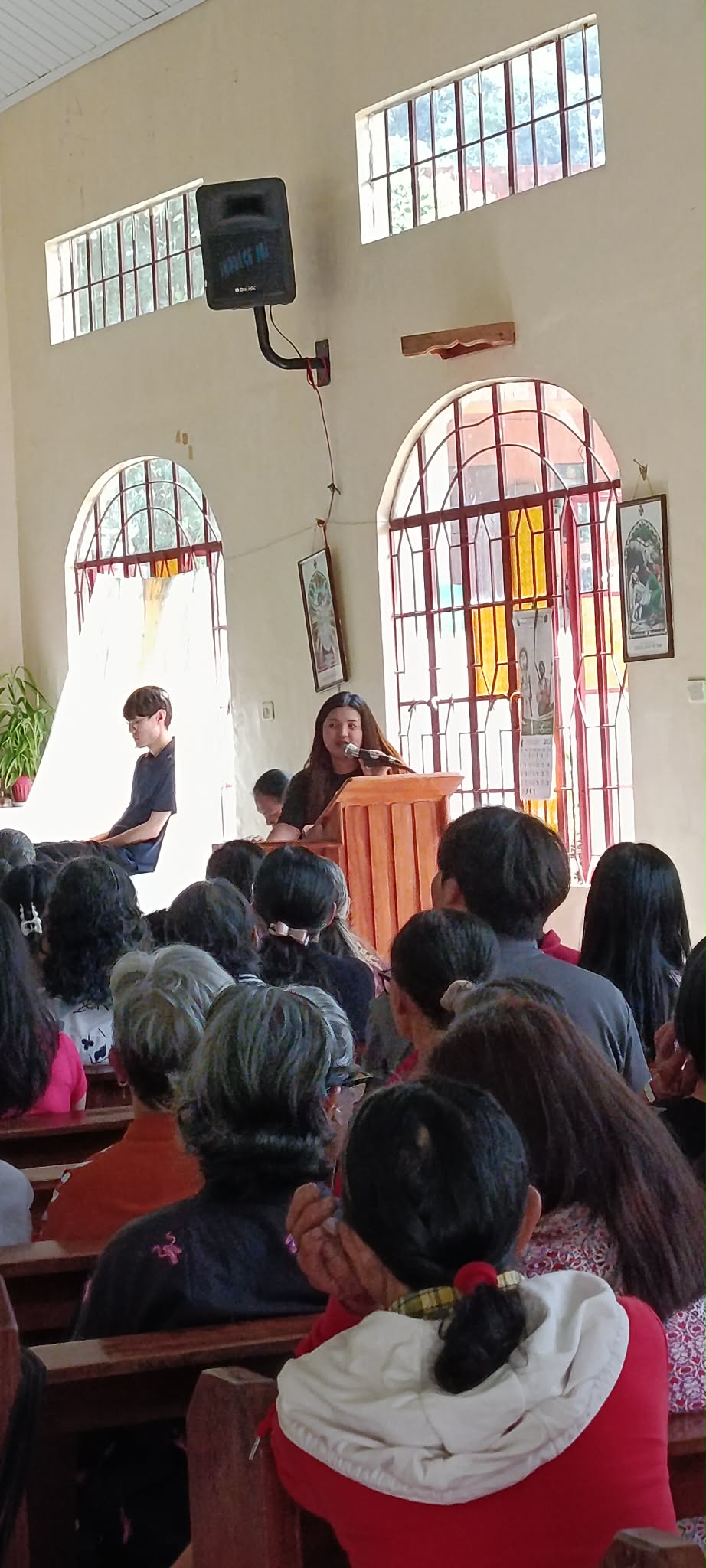
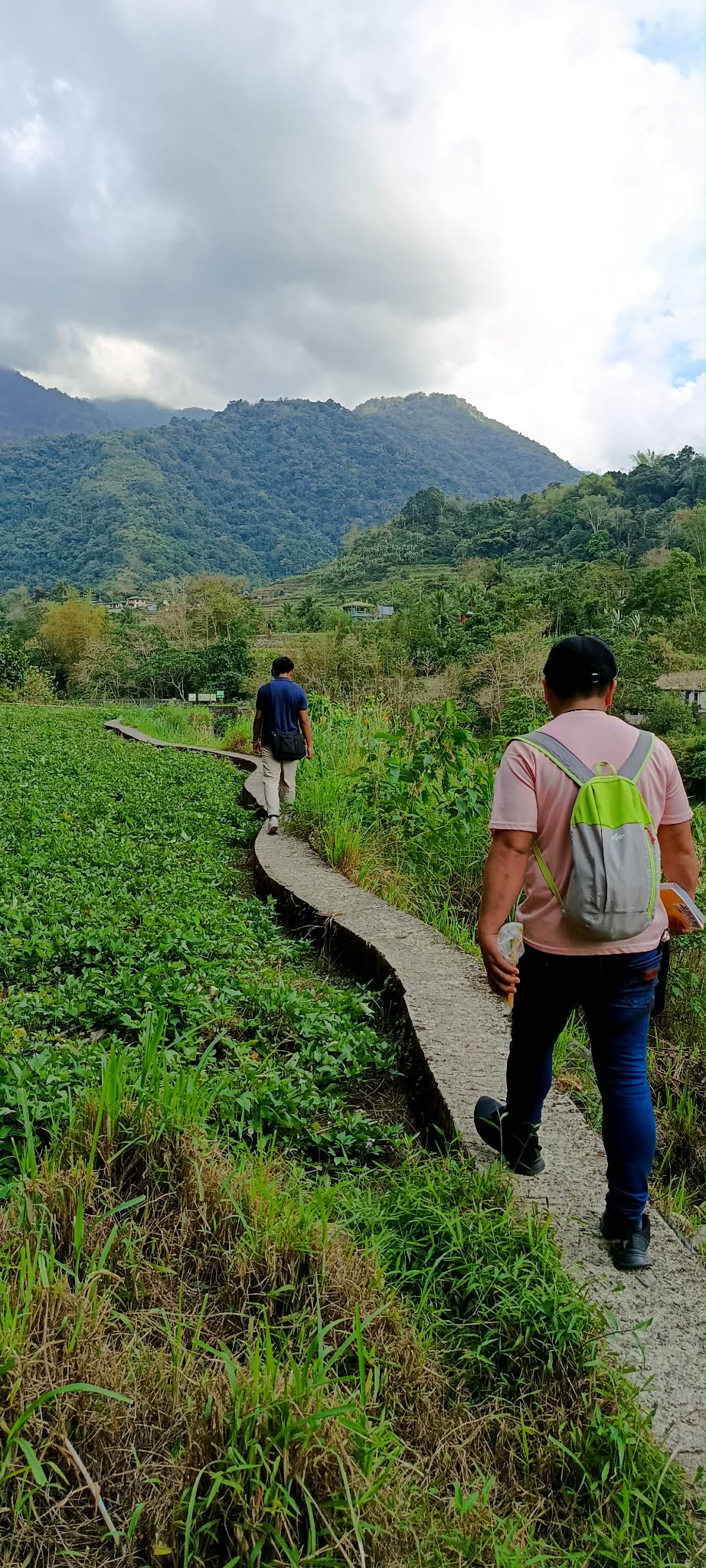
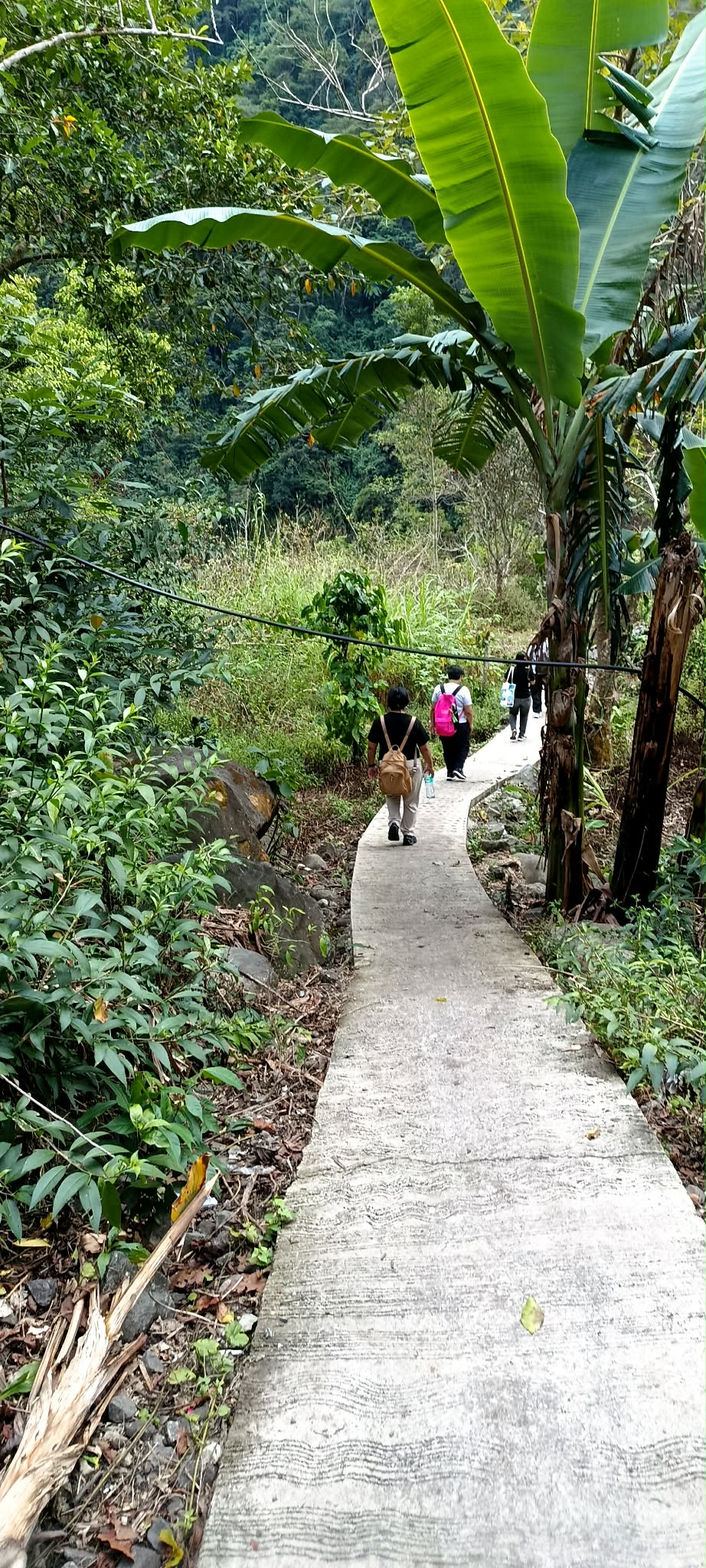
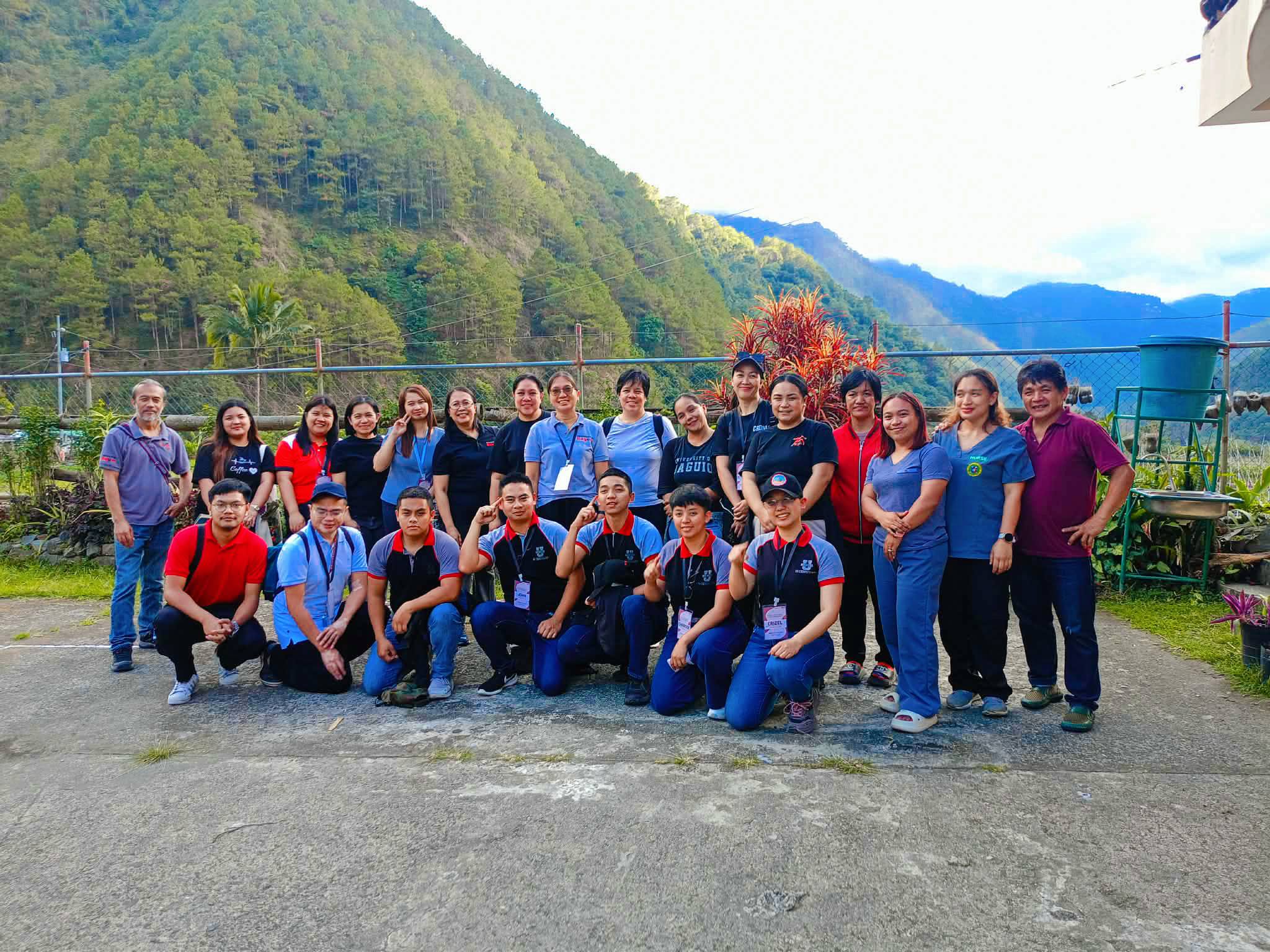
Guided by this principle, the University of Baguio conducted a comprehensive data gathering activity on February 18–19, 2026 in Barangay Pasdong and Barangay Naguey, Atok, Benguet. This assessment reflects UB’s Vision and Mission—to provide quality education, foster social responsibility, and extend meaningful service to communities, by ensuring that future extension programs are grounded in evidence and responsive to the voices of the people.
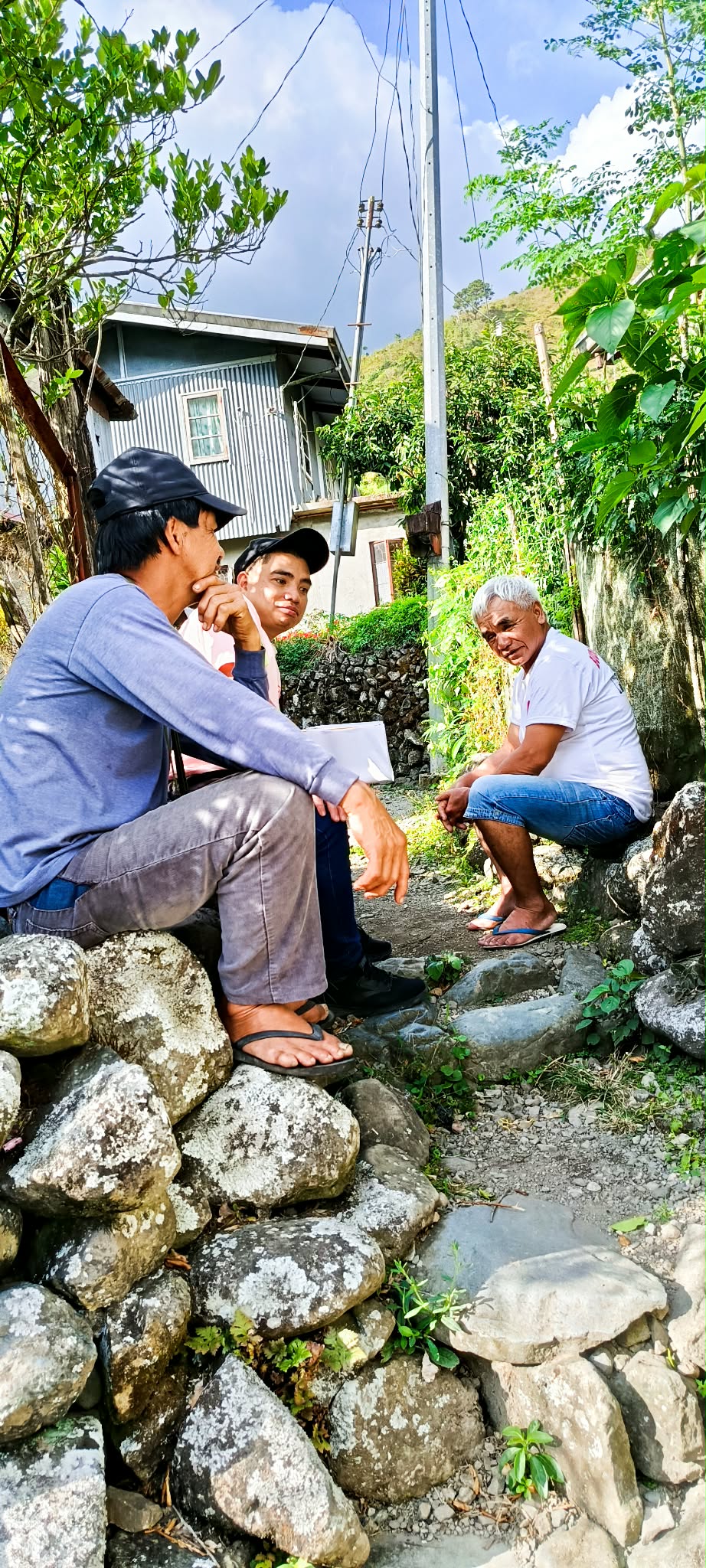
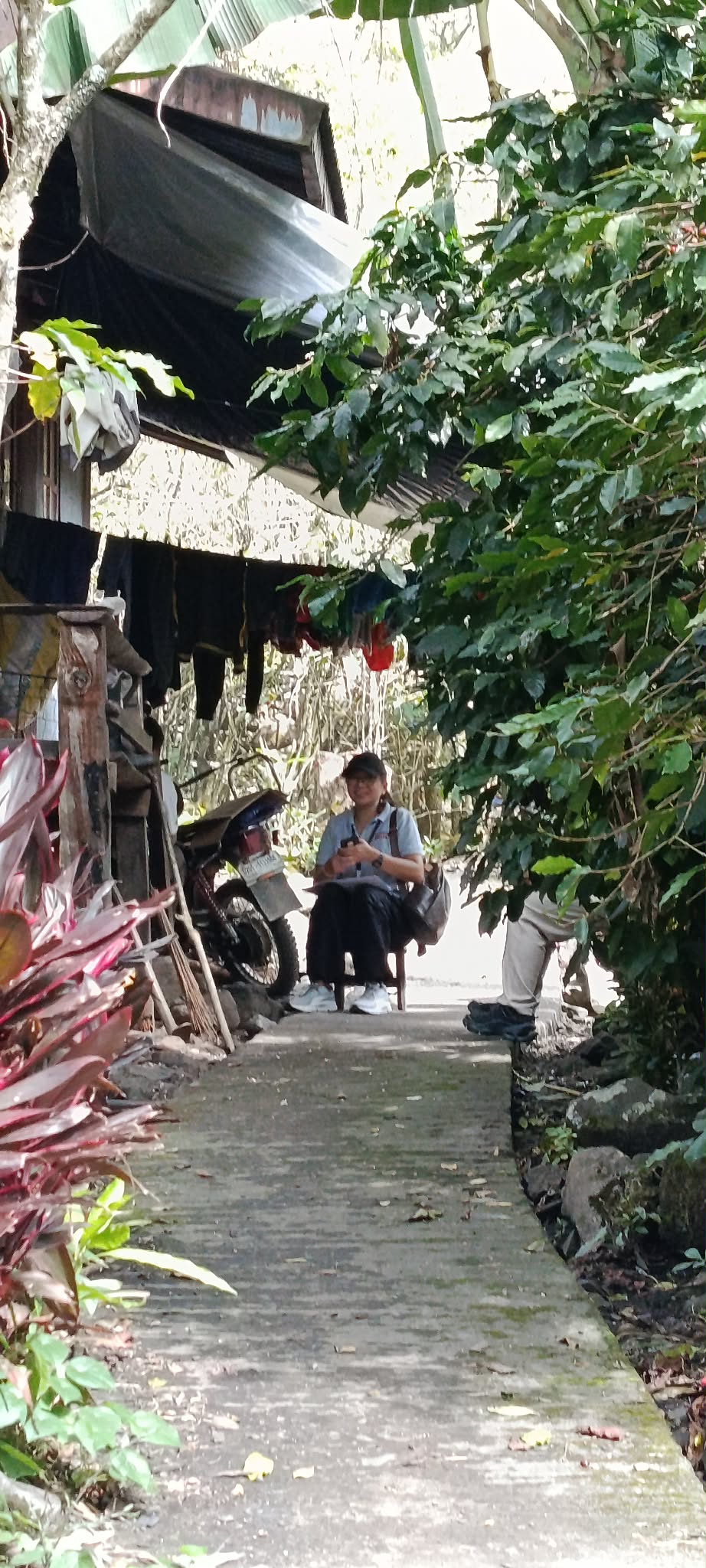
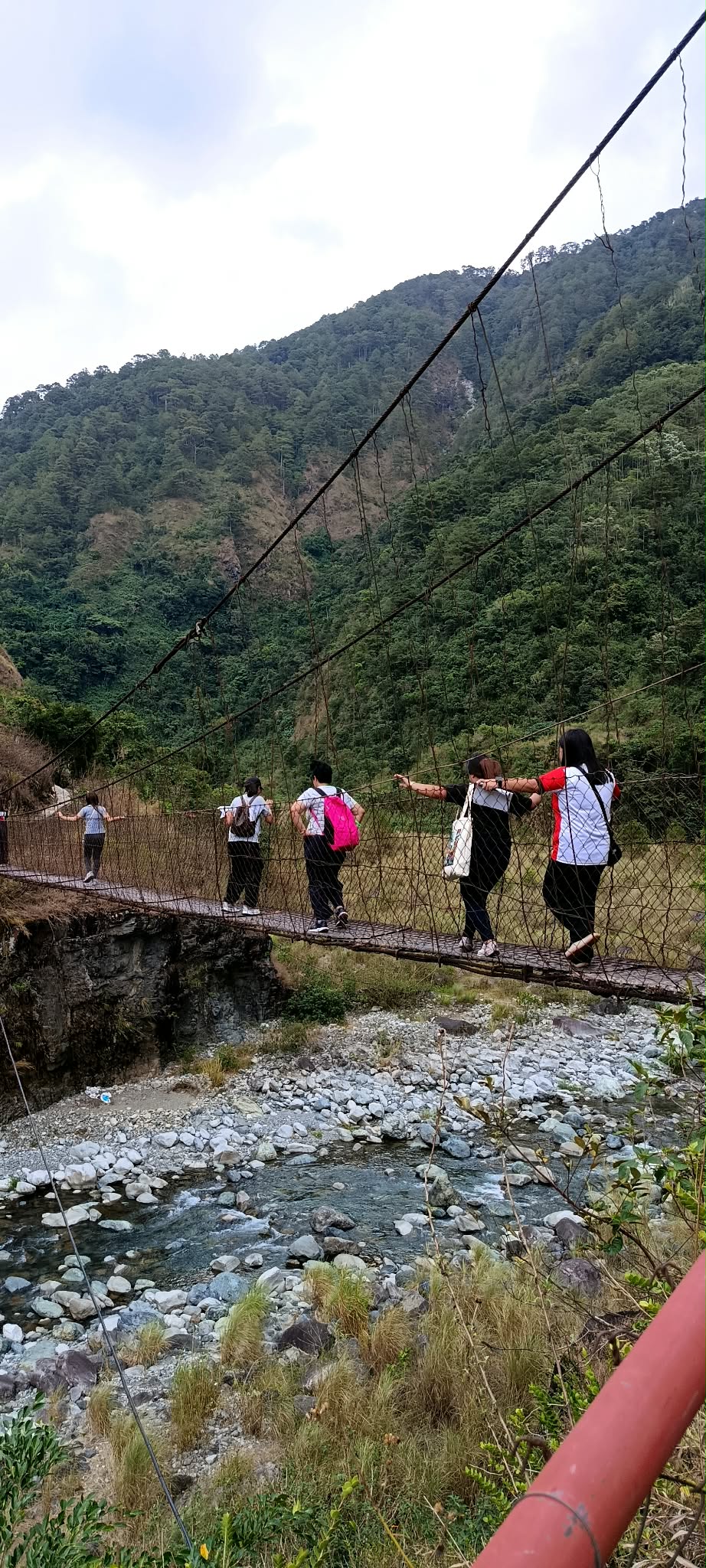
The activity brought together a diverse team of volunteer enumerators from UB, representing both academic and administrative units. The group included ten Criminology Interns from the School of Criminal Justice and Public Safety (SCJPS), four non-teaching personnel from the Accountant’s Office, two from the Inventory Office, three from the Cashier’s Office, one from Payroll, one from the Disbursing office, one from the Athletics Office, two from the Risk Management Office (RMO), and six from the Research, Innovation, Extension, and Community Outreach (RIECO) Office. Their dedication was further strengthened by the active participation of the Dean of the School of Natural Sciences (SNS), and the School Principal of UB Science High School, accentuating the institution’s collective commitment to community partnership and holistic engagement.
The primary goal of this community needs assessment was to gather relevant data, and identify the challenges and needs of the community. This participatory approach ensured that the voices of the people were heard and documented, laying the groundwork for a consolidated community development plan. Such a plan will serve as the foundation for sustainable extension programs and activities that are responsive to the realities of the local population, in line with the University’s mission to extend education beyond the four walls of the classroom and into the lives of communities.
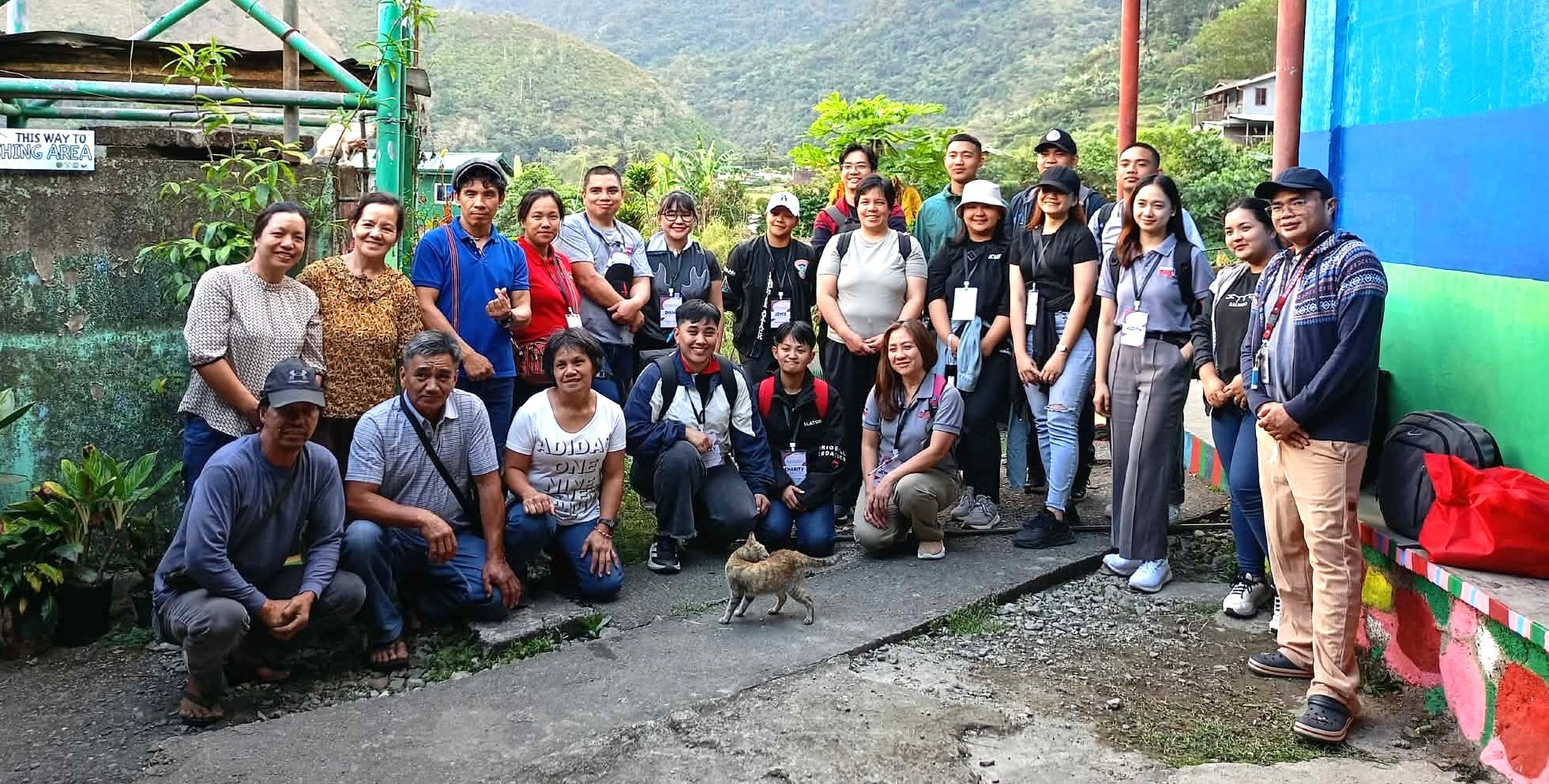
Moreover, the barangay officials provided indispensable support, directing the volunteers so they could reach even the most distant sitios of Pasdong and Naguey. Their leadership and support enabled the enumerators to connect with residents who warmly welcomed them and provided realistic, insightful information. This openness demonstrated the community’s eagerness for sustainability and improvement, as well as their willingness to collaborate in shaping future development initiatives.
The significance of this activity extends beyond immediate outcomes, as it directly contributes to several Sustainable Development Goals (SDGs). By fostering collaboration between UB and the barangays, the initiative advances SDG 17: Partnerships for the Goals not just by strengthening institutional ties but also empowers communities to co-create solutions, ensuring that development is inclusive and participatory. Furthermore, the data gathered will inform educational outreach and capacity-building programs, aligning with SDG 4: Quality Education which means that future initiatives will be evidence-based, targeting specific educational gaps and enhancing access to knowledge, thereby improving learning outcomes and opportunities for all.
Also, the inclusive participation of both male and female enumerators and the equitable representation of community voices highlight the relevance of SDG 5: Gender Equality. By ensuring that women’s perspectives are equally valued in the assessment, the activity promotes gender-sensitive programming and reinforces the principle that sustainable development must benefit all members of society. Lastly, by identifying local challenges and designing community-driven solutions, the assessment supports SDG 11: Sustainable Cities and Communities. The insights gathered will help shape interventions that strengthen resilience, improve local infrastructure, and enhance the quality of life in rural areas, ensuring that even remote communities are not left behind in the pursuit of progress.
In the end, the data gathering activity in Barangay Pasdong and Barangay Naguey exemplifies the University of Baguio’s dedication to excellence in education, social responsibility, and sustainable development. Through the collective efforts of its volunteer enumerators, academic leaders, students and barangay officials, the initiative not only achieved its immediate objectives but also laid the foundation for long-term, inclusive, and sustainable progress. In doing so, the University of Baguio continues to live out its Vision, “to be a leading university recognized for academic excellence, social relevance, and community engagement” and its Mission, “to provide quality education and extend meaningful service that empowers communities, shapes futures, and transforms lives”.