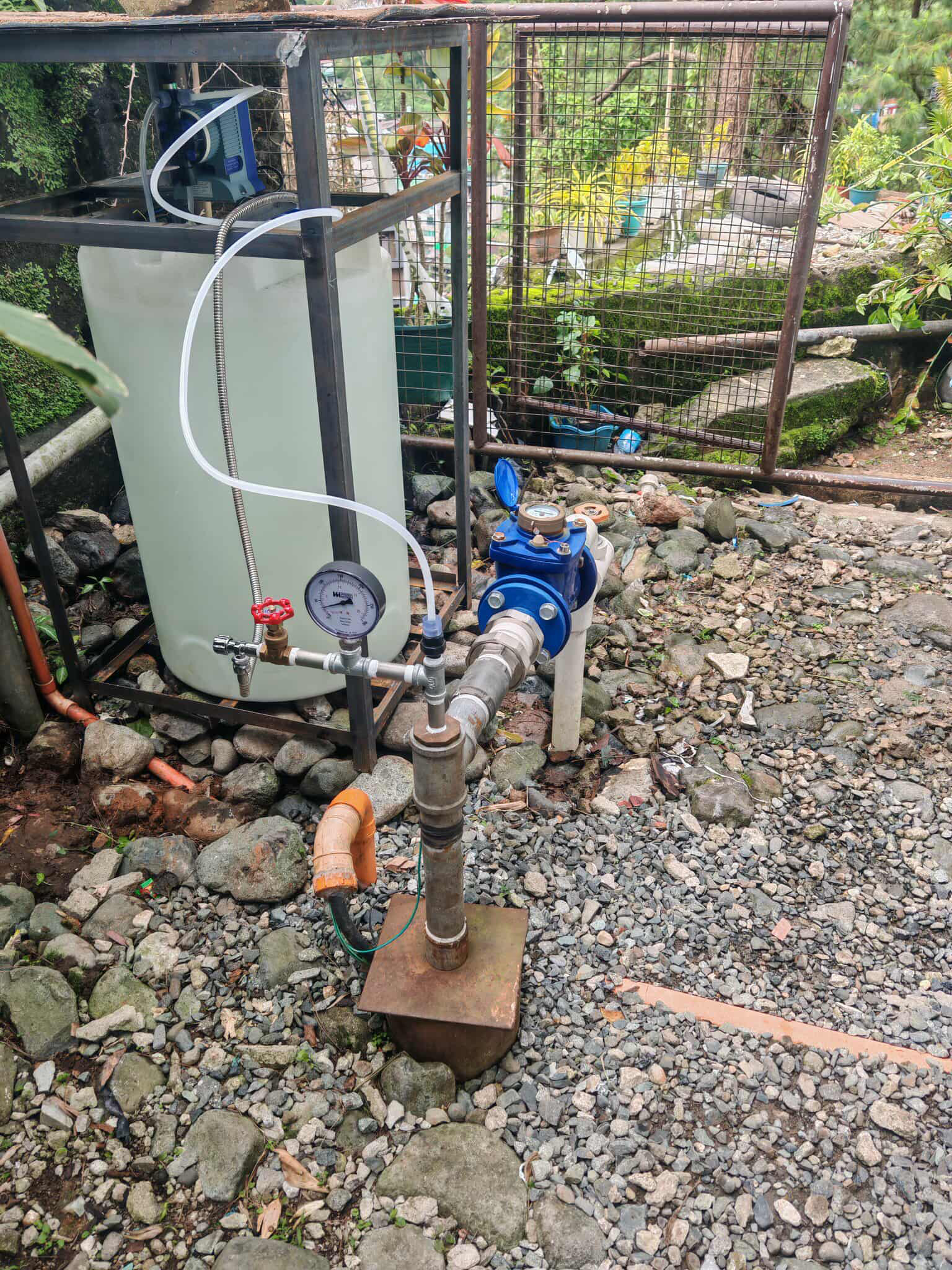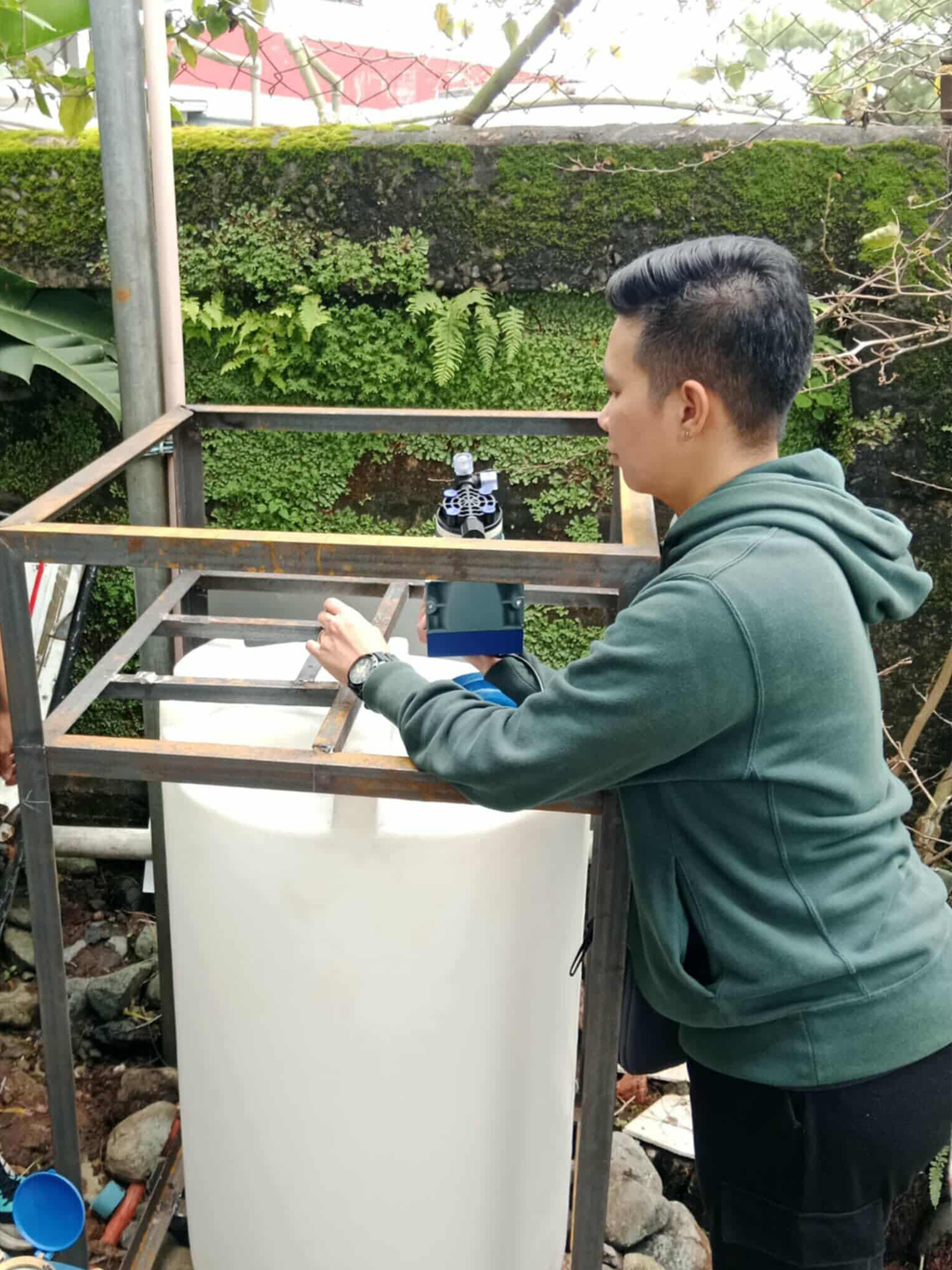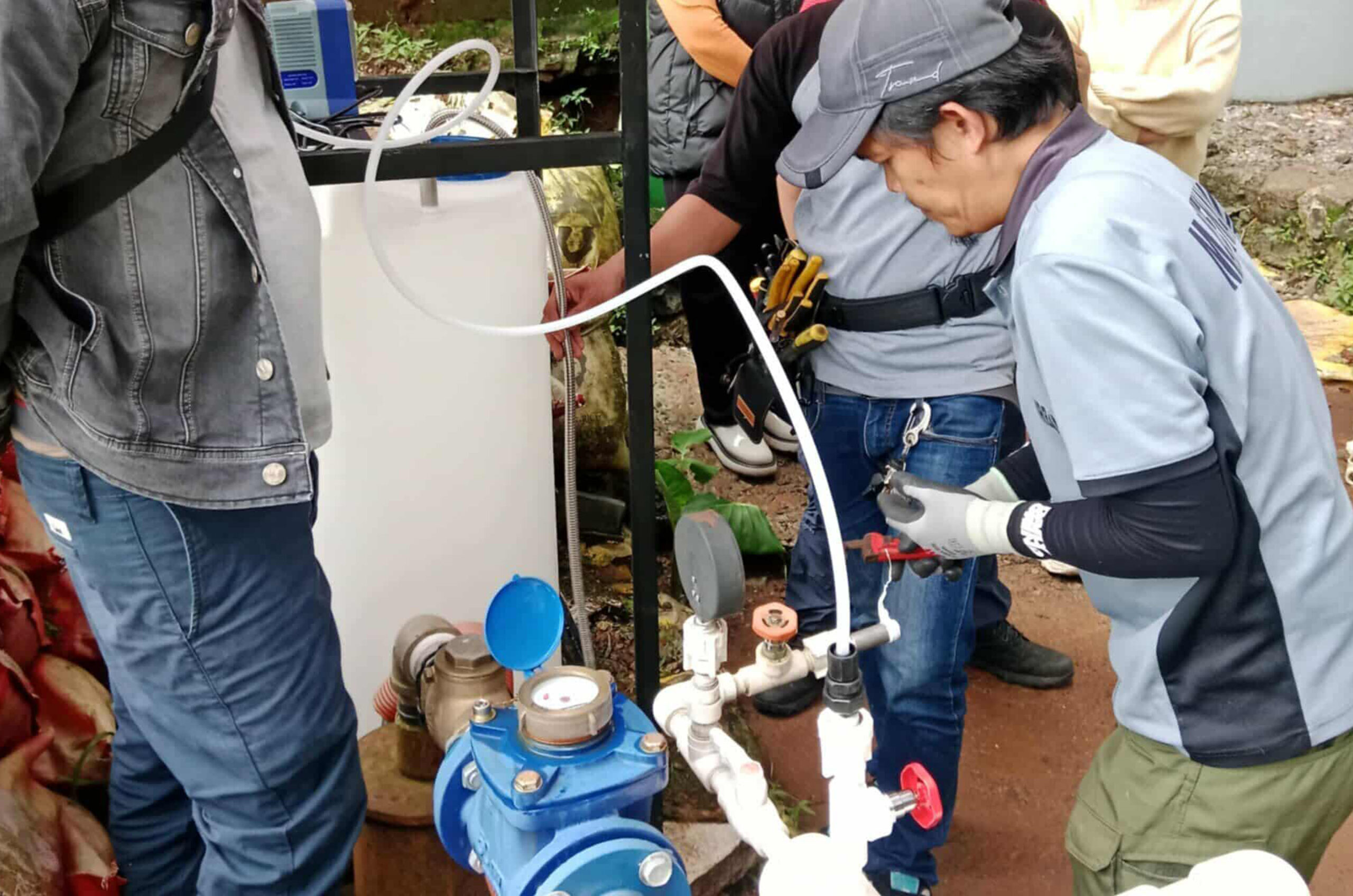
In a significant move to enhance water safety and quality, the Campus Planning and Development Office have successfully completed the installation of chlorinator machines across multiple deep wells serving the University. The project, spearheaded by Sanitary Engineer Faye Alexis N. Wanas and Director Bernard Z. Abaya, represents a crucial investment in public health infrastructure and environmental stewardship.
The installation initiative directly responds to the Philippine National Standard for Drinking Water (PNSDW) and Chapter 2 of the Code on Sanitation of the Philippines. The chlorinator systems now ensure continuous disinfection of raw water drawn from deep wells, maintaining chlorine residual levels between 0.2mg/L and 4mg/L, the ideal range for safe water consumption.
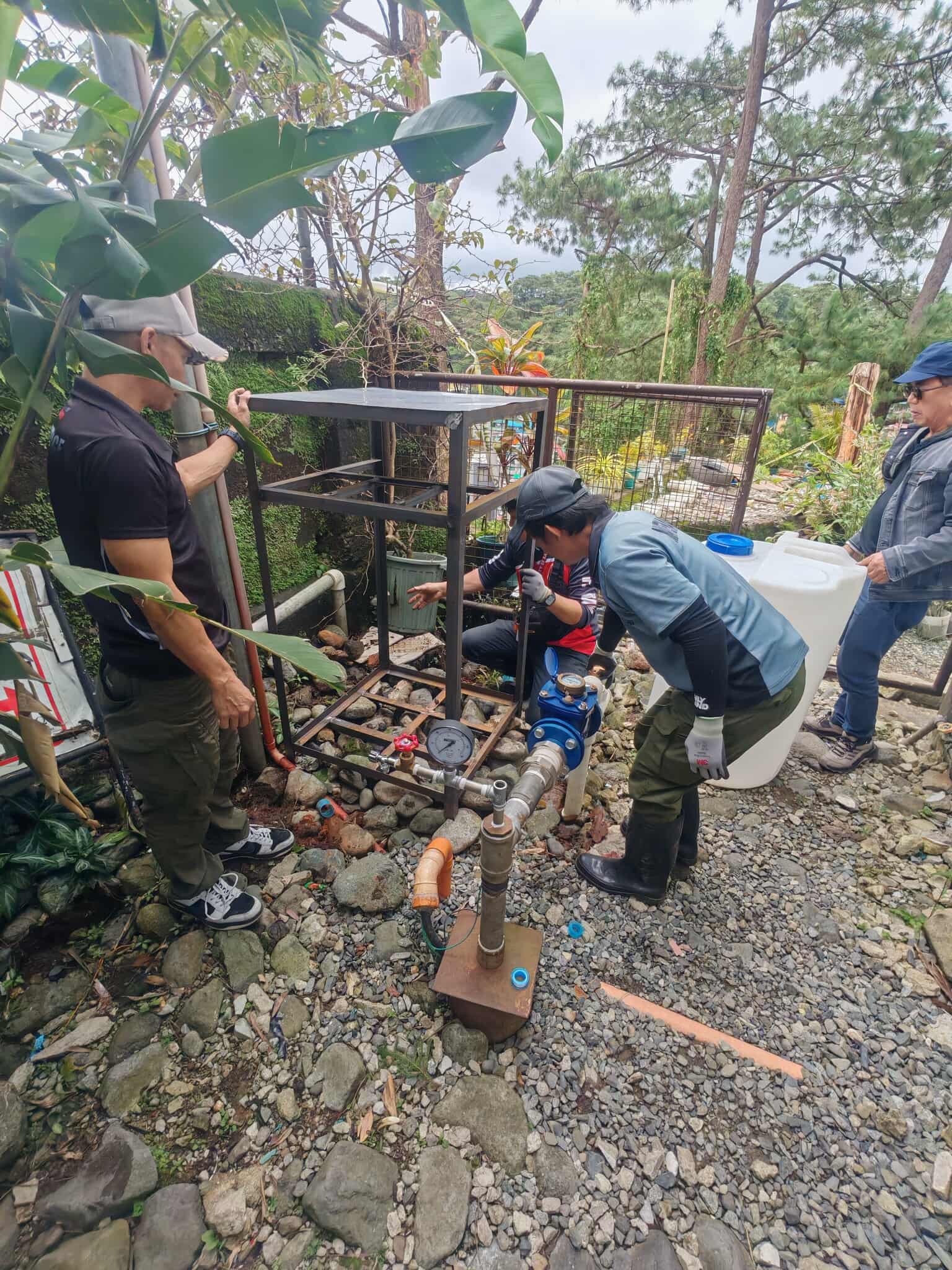 Three deep well locations have been equipped with the new technology: FGB, PSD, and SCI-HIGH. Each system operates continuously, automatically adding chlorine to the water supply as it is drawn from the wells, providing reliable treatment without manual intervention.
Following installation, the CPDO team conducted thorough chlorine testing at multiple sampling points, from the nearest to the farthest locations served by each deep well. This comprehensive approach ensures consistent water quality throughout the distribution system.
To maintain optimal performance, the office has implemented a rigorous monitoring protocol. Weekly chlorine level testing will be conducted using specialized test kits, while chlorine tanks will be monitored and refilled as needed. Additionally, microbiological water testing through an accredited water testing center will provide ongoing verification of water safety.
The successful implementation of this water treatment system reflects a broader commitment to environmental responsibility and community welfare. By investing in preventive infrastructure rather than reactive solutions, the University demonstrates leadership in creating safe, sustainable environments for learning and development.