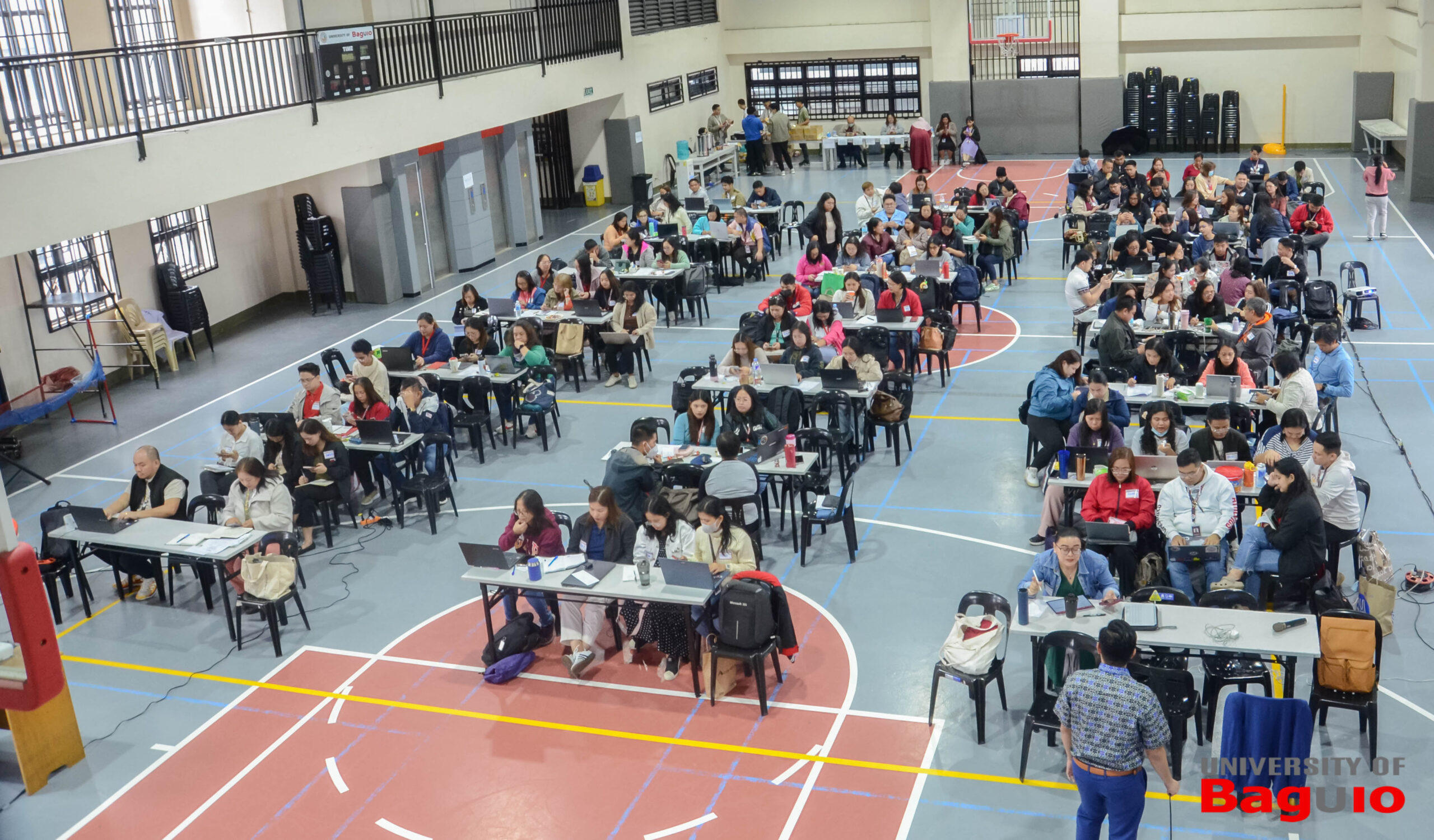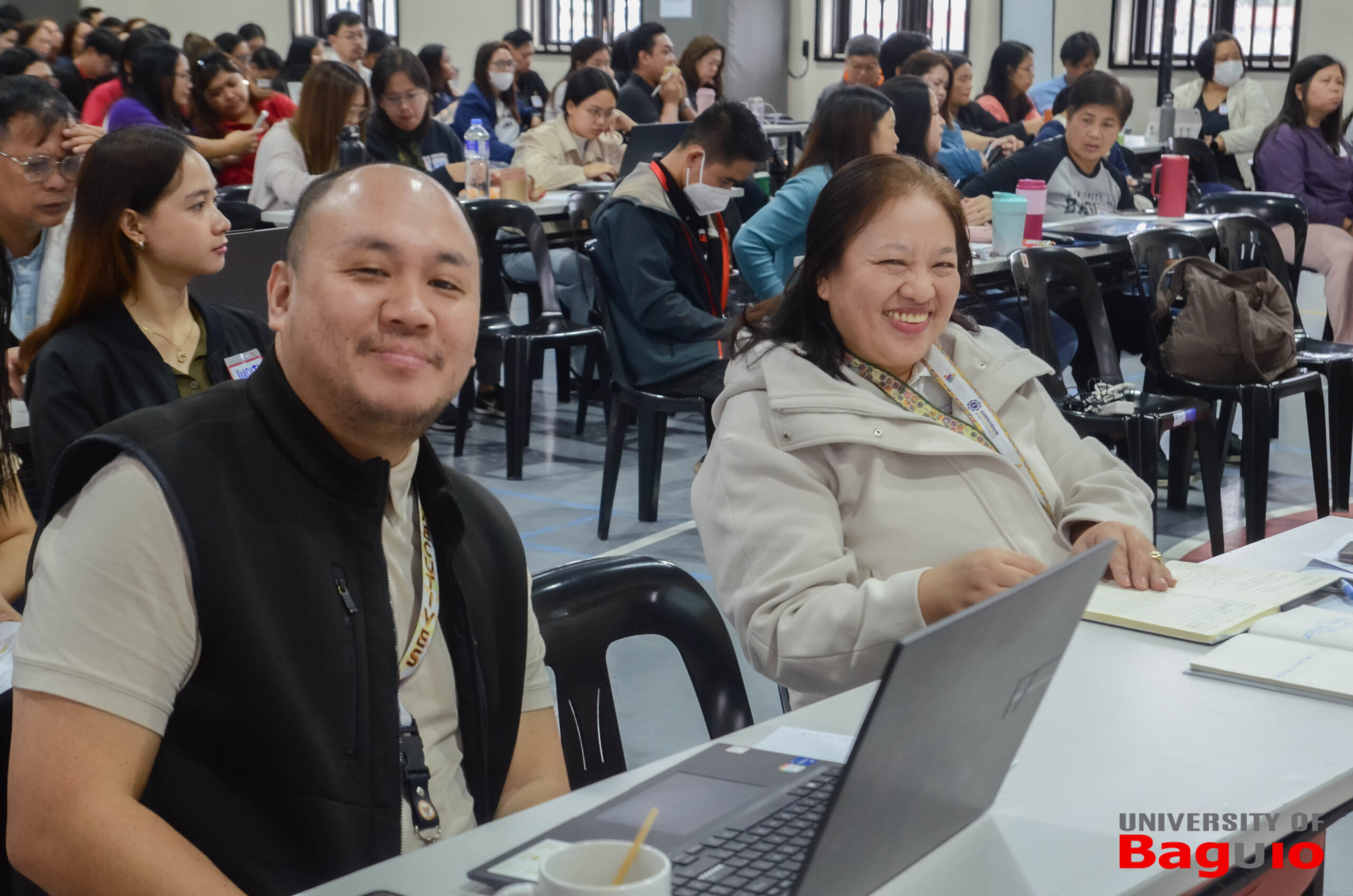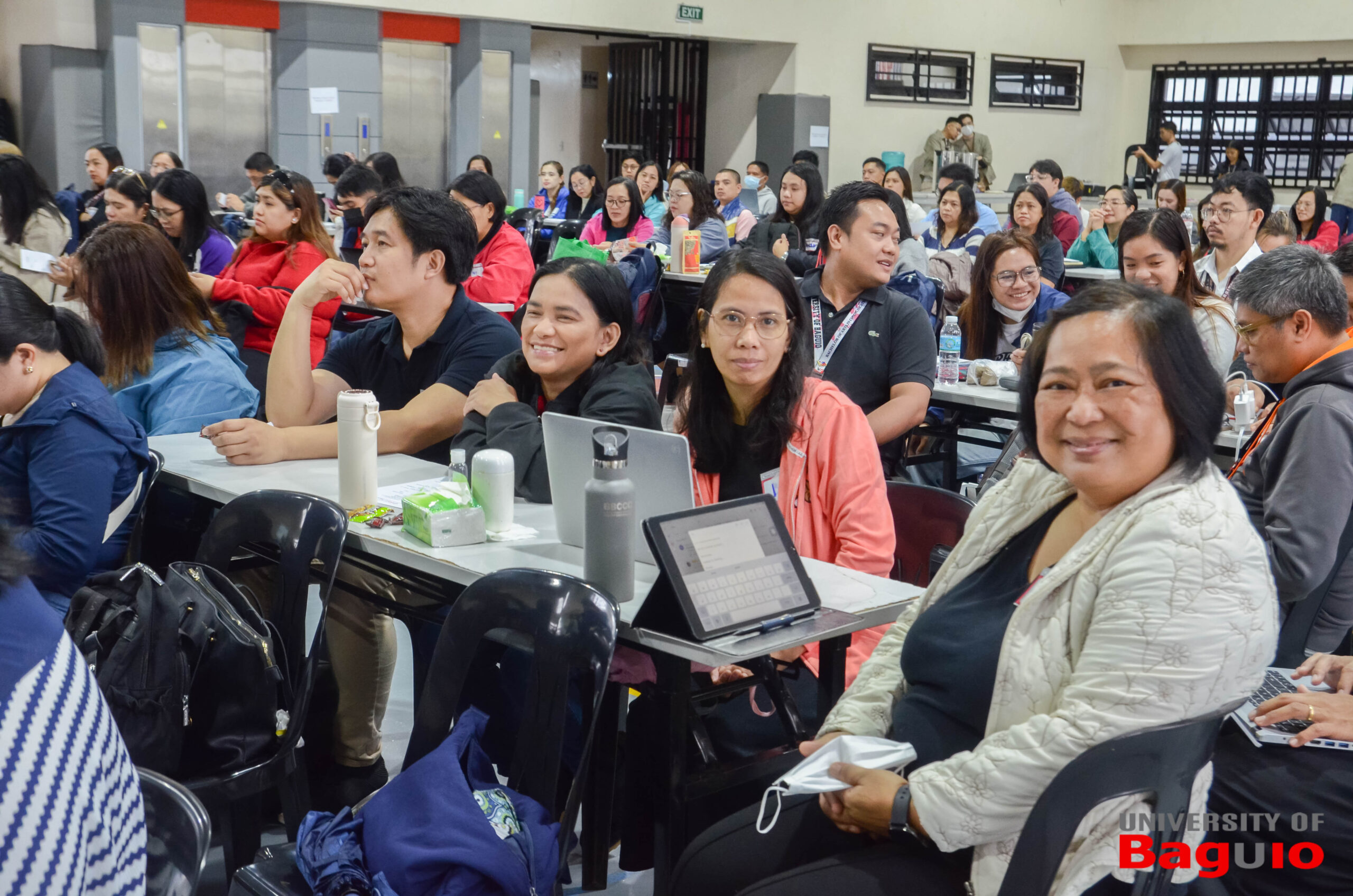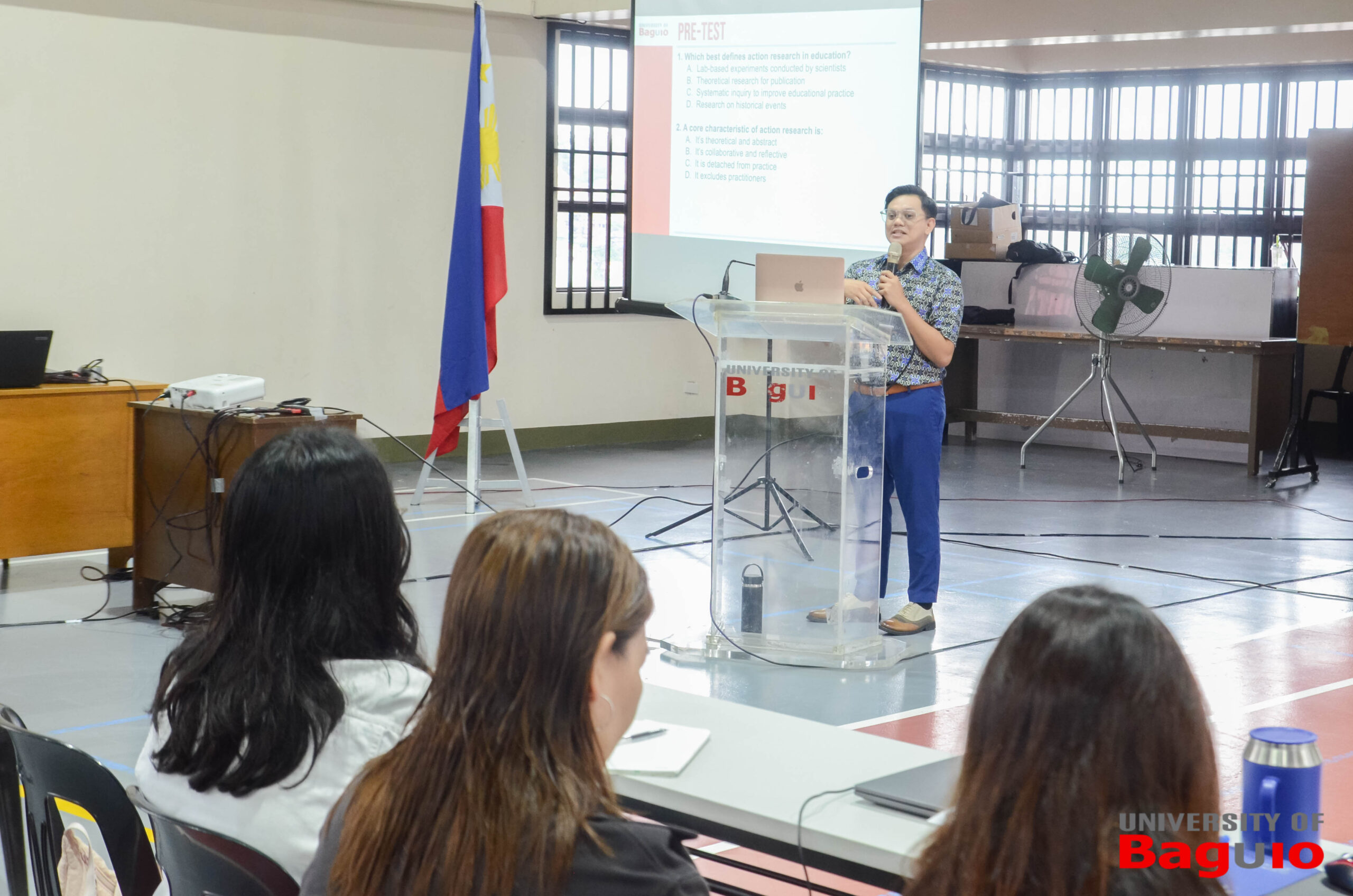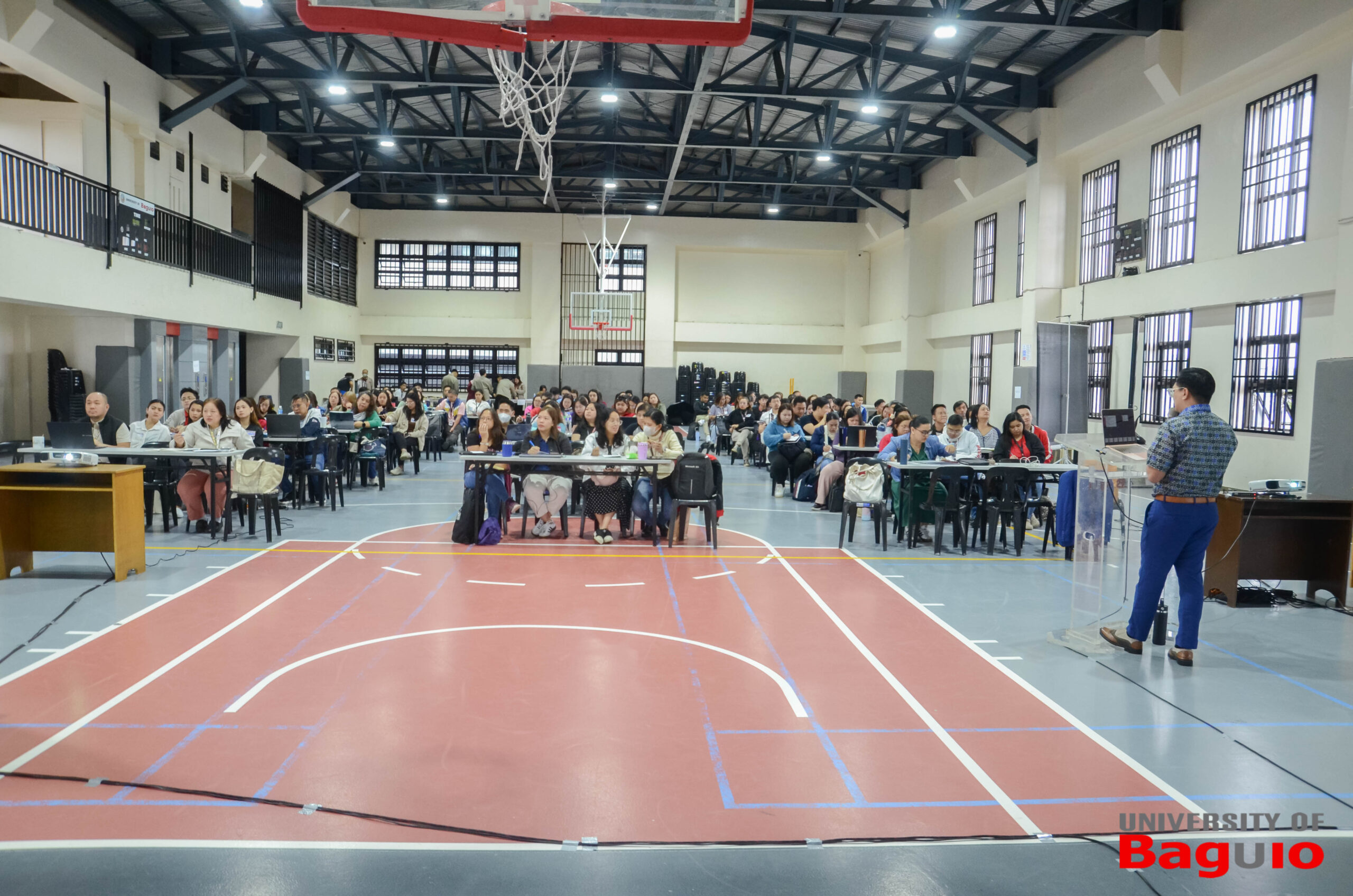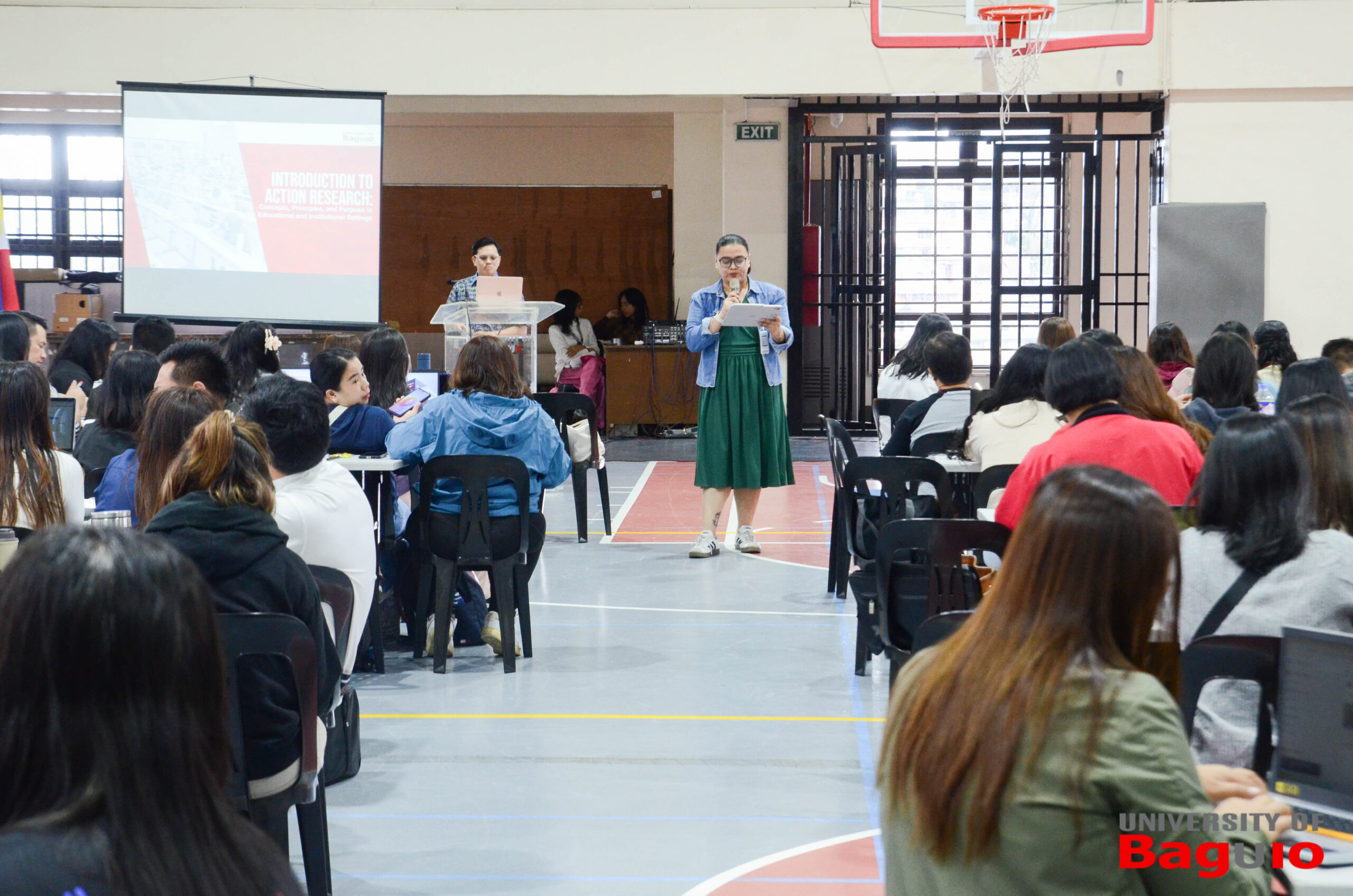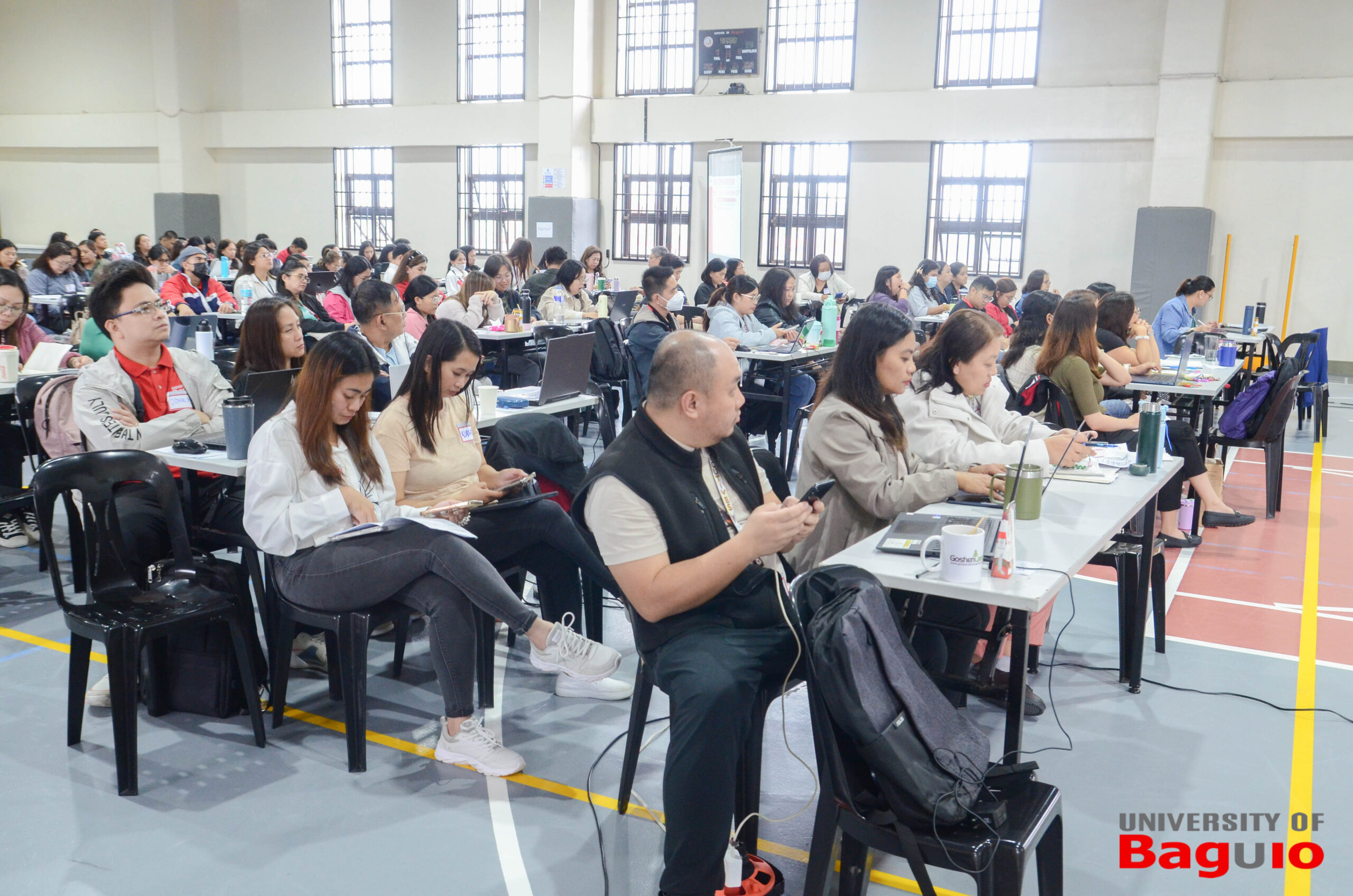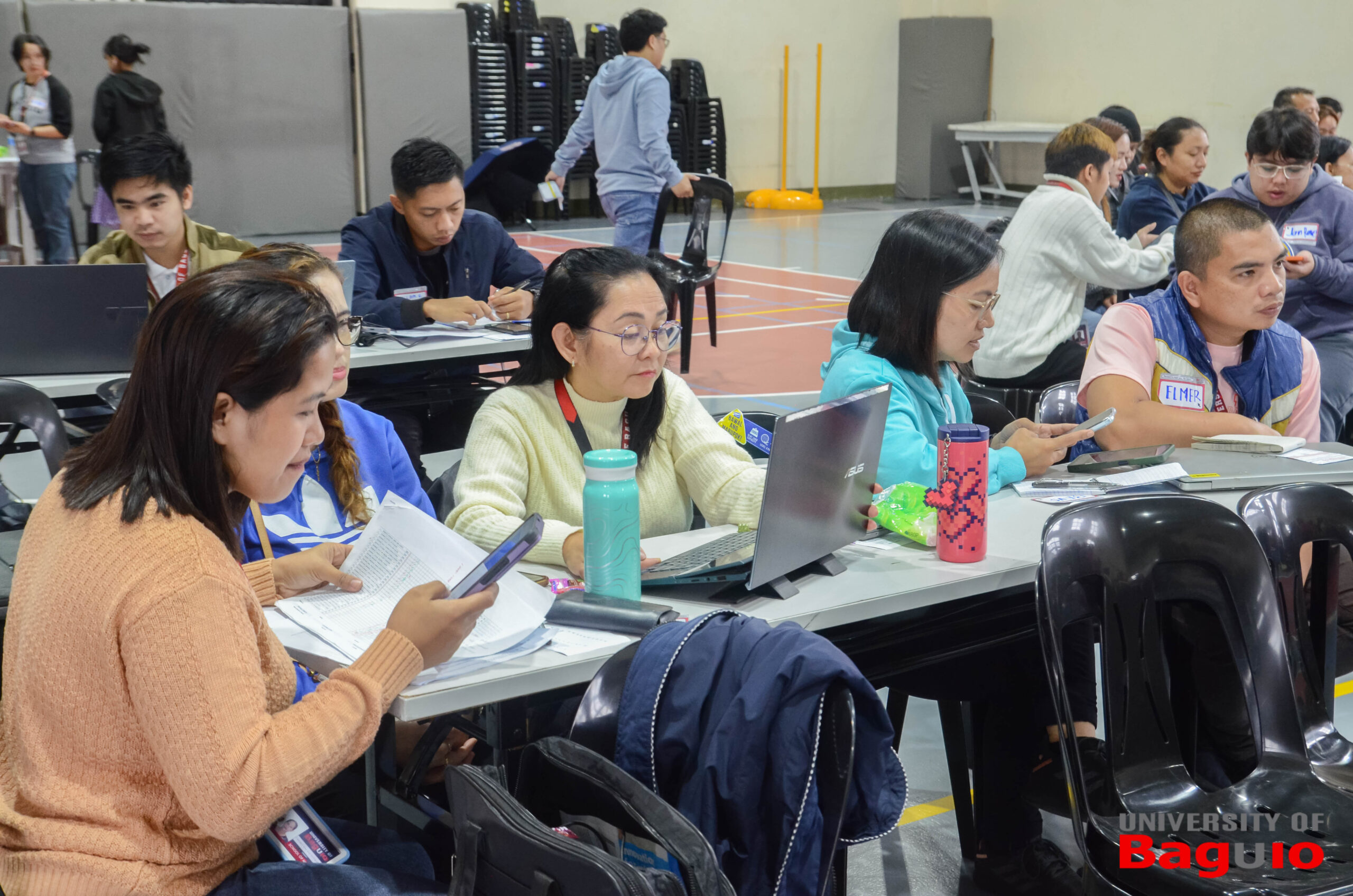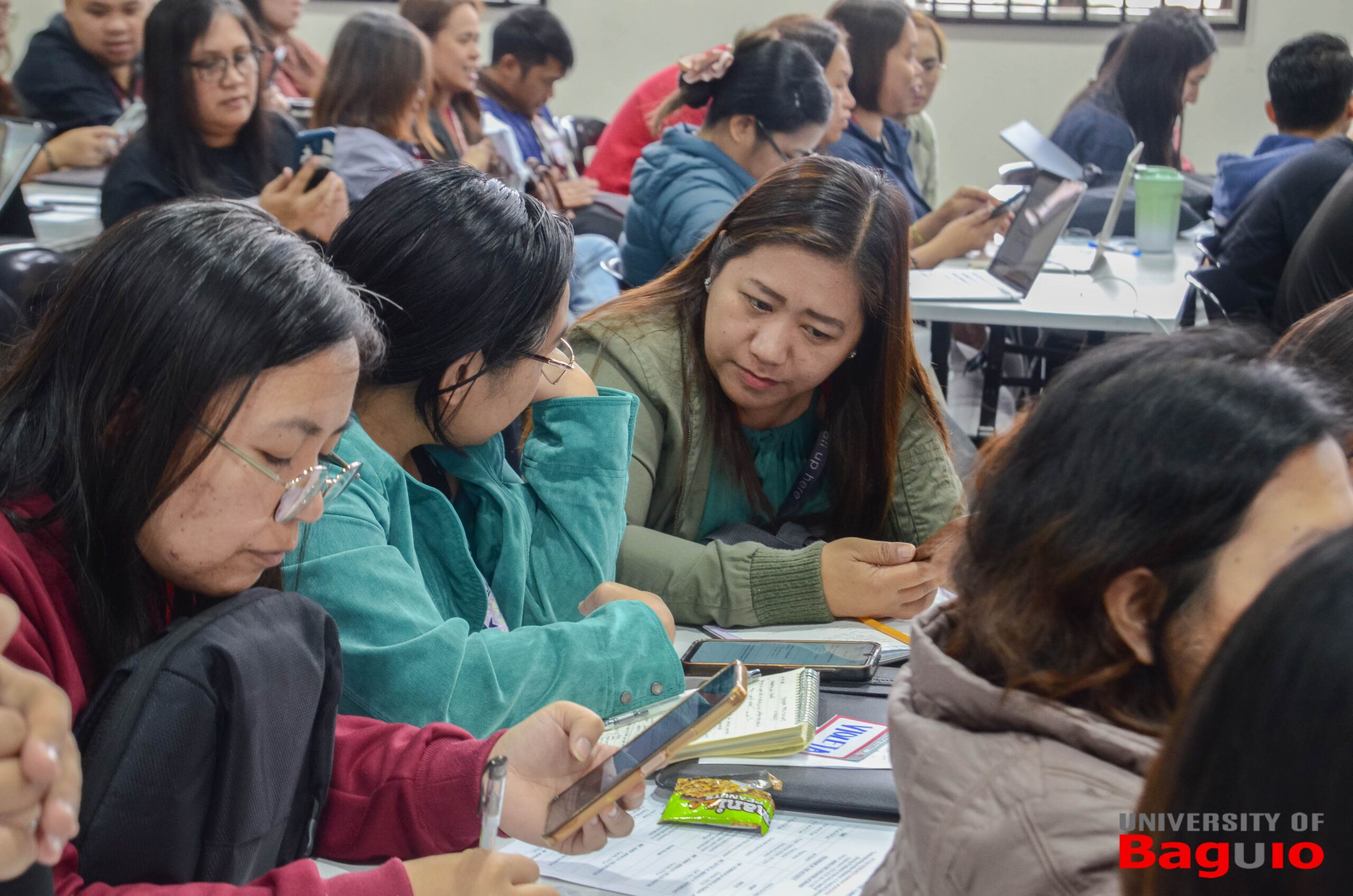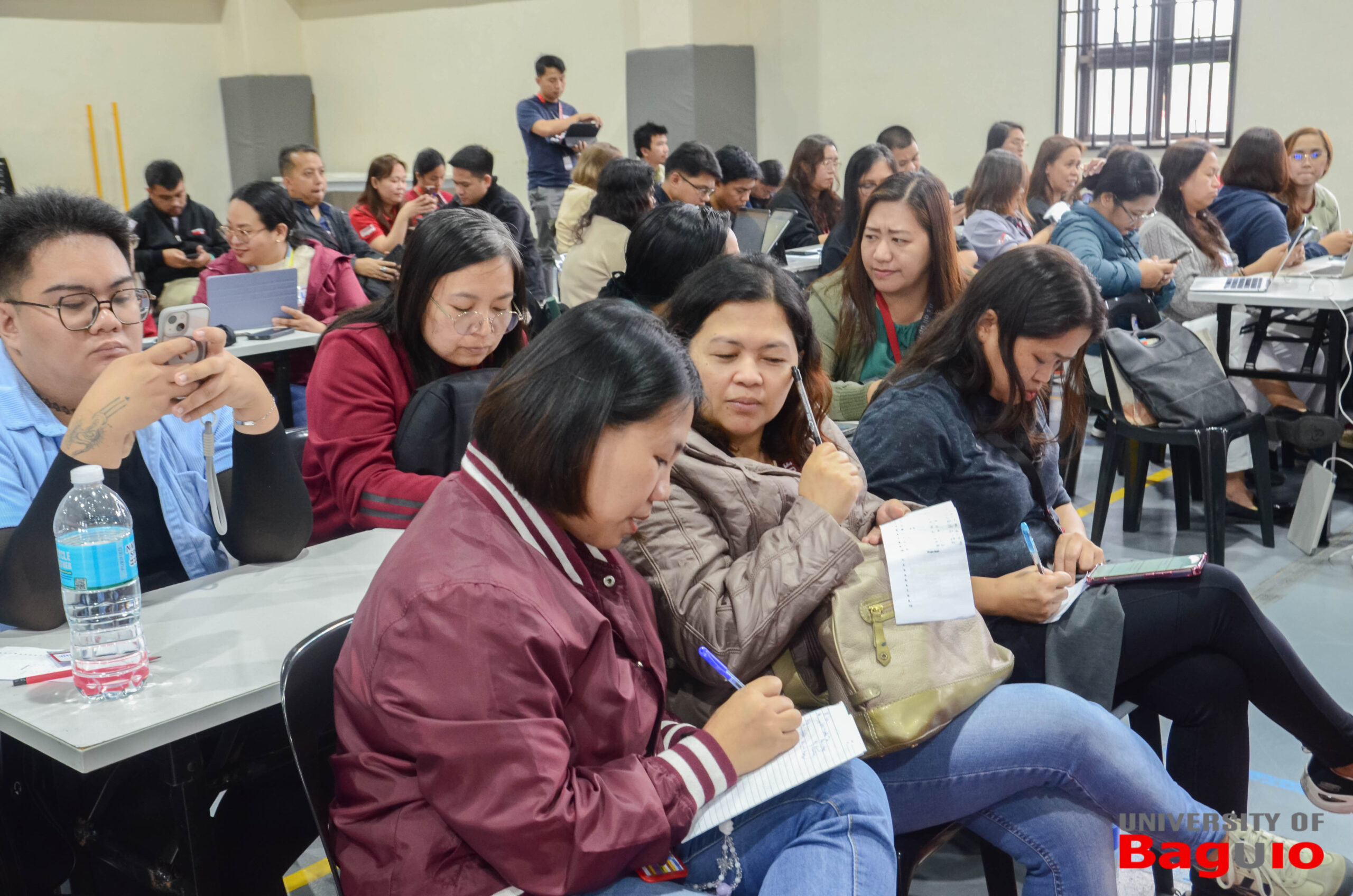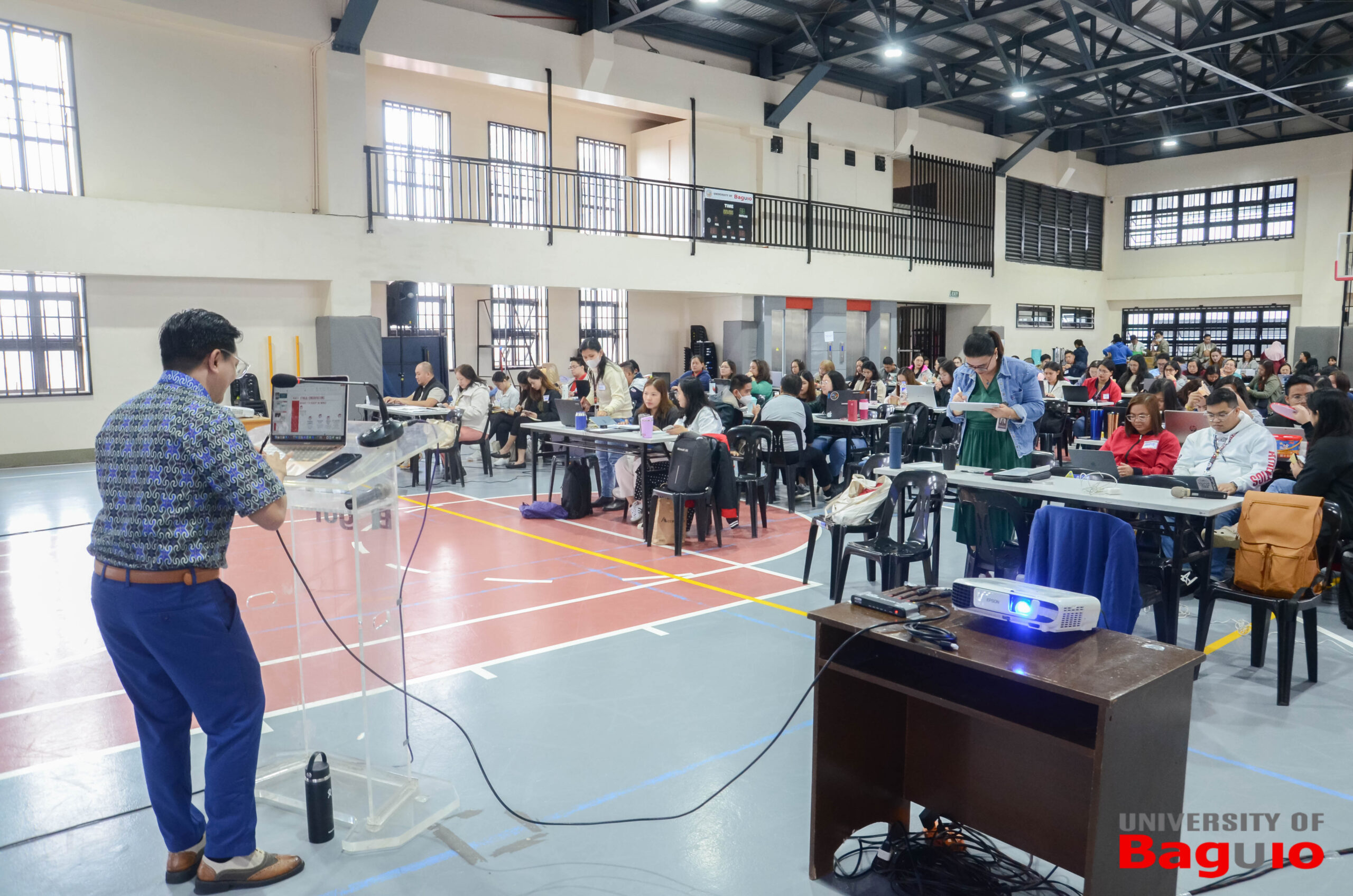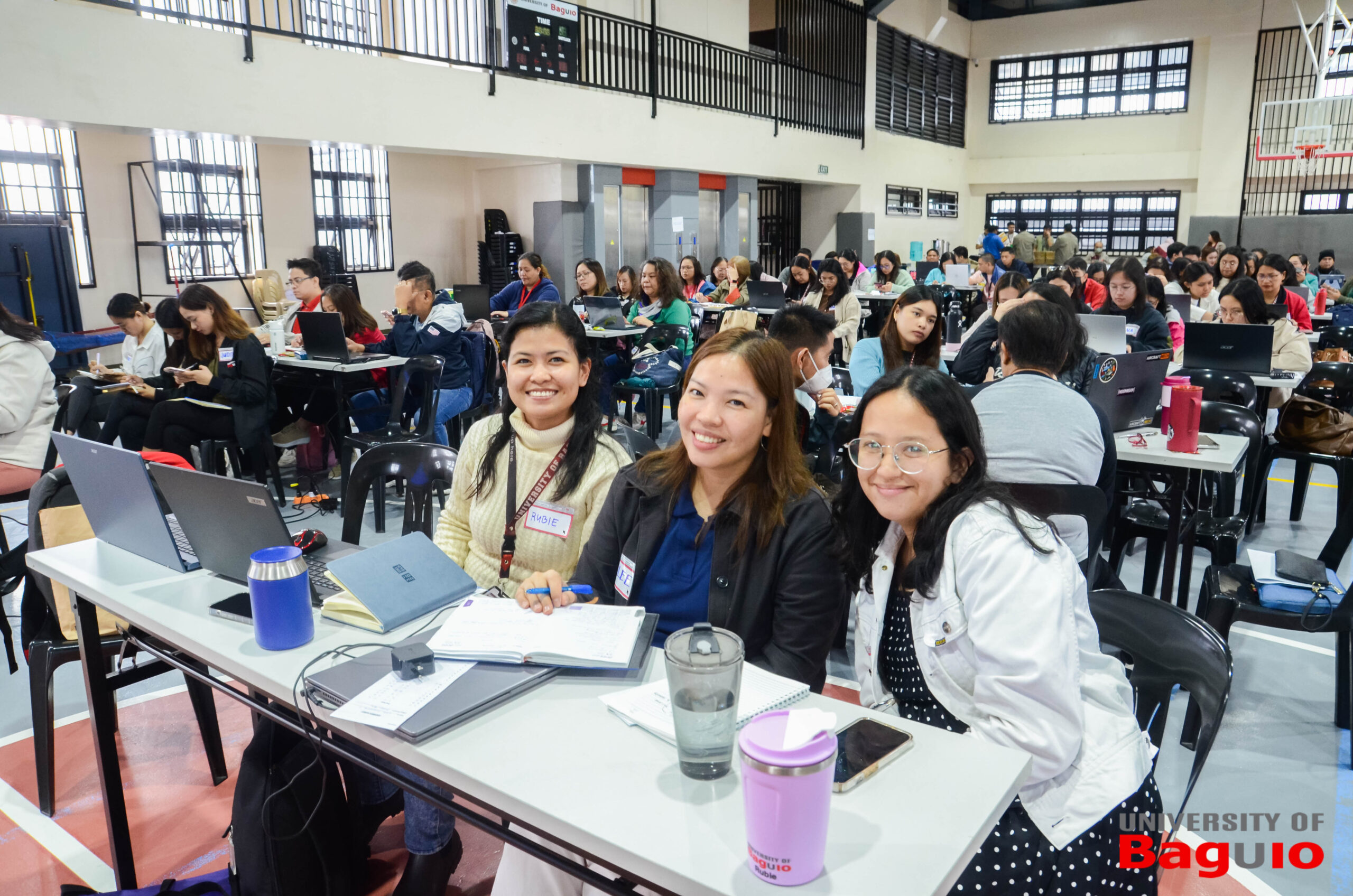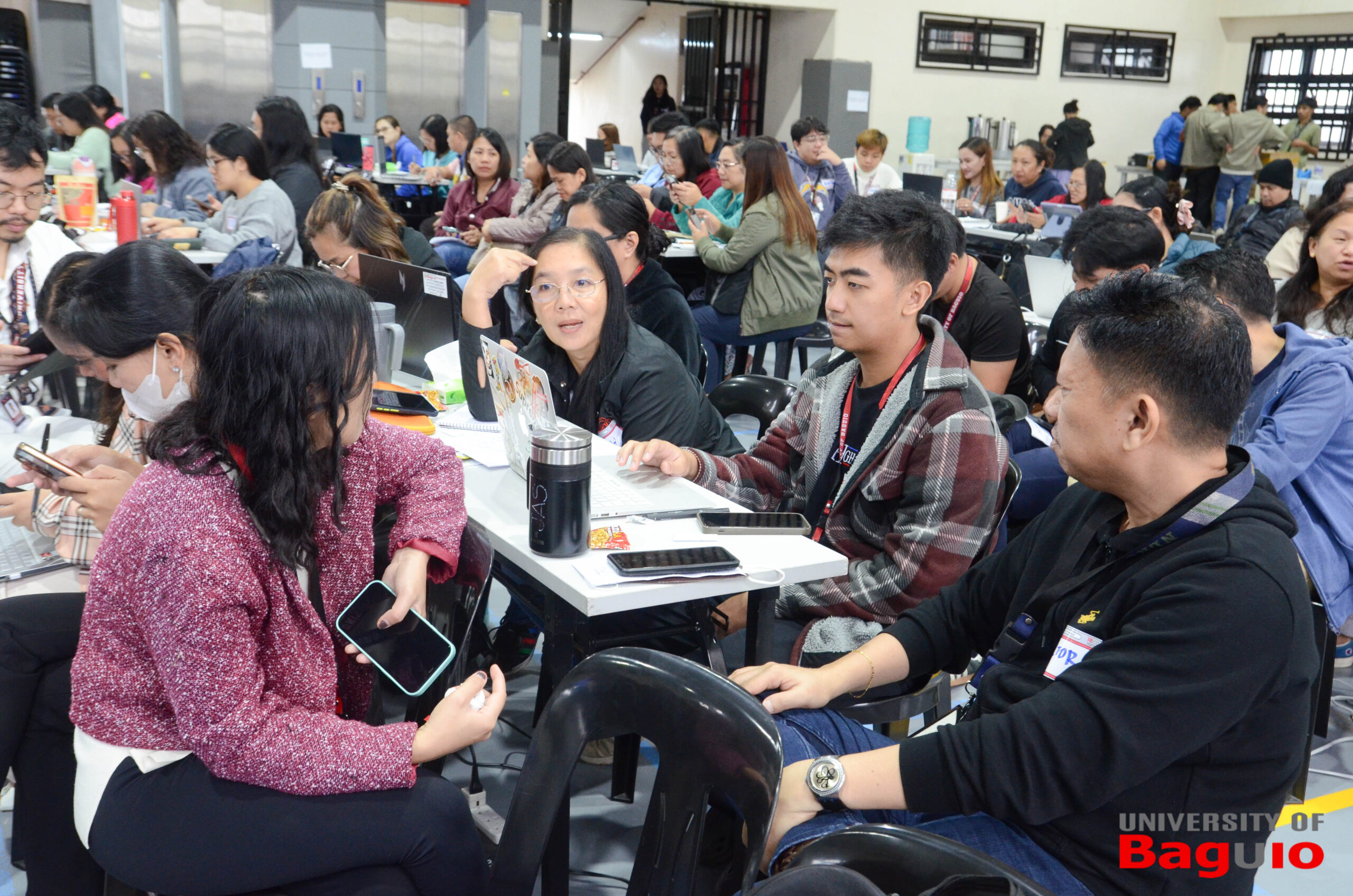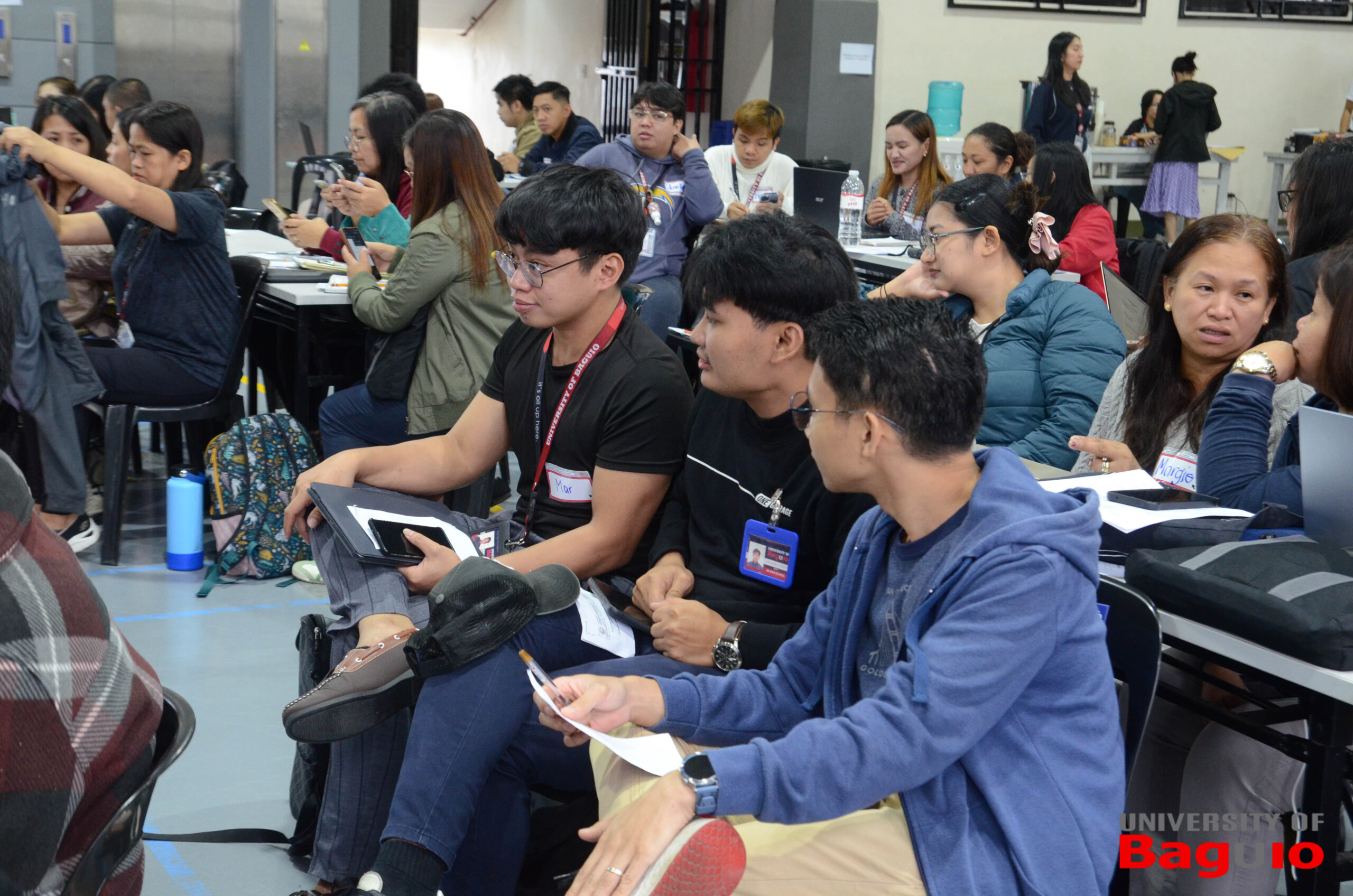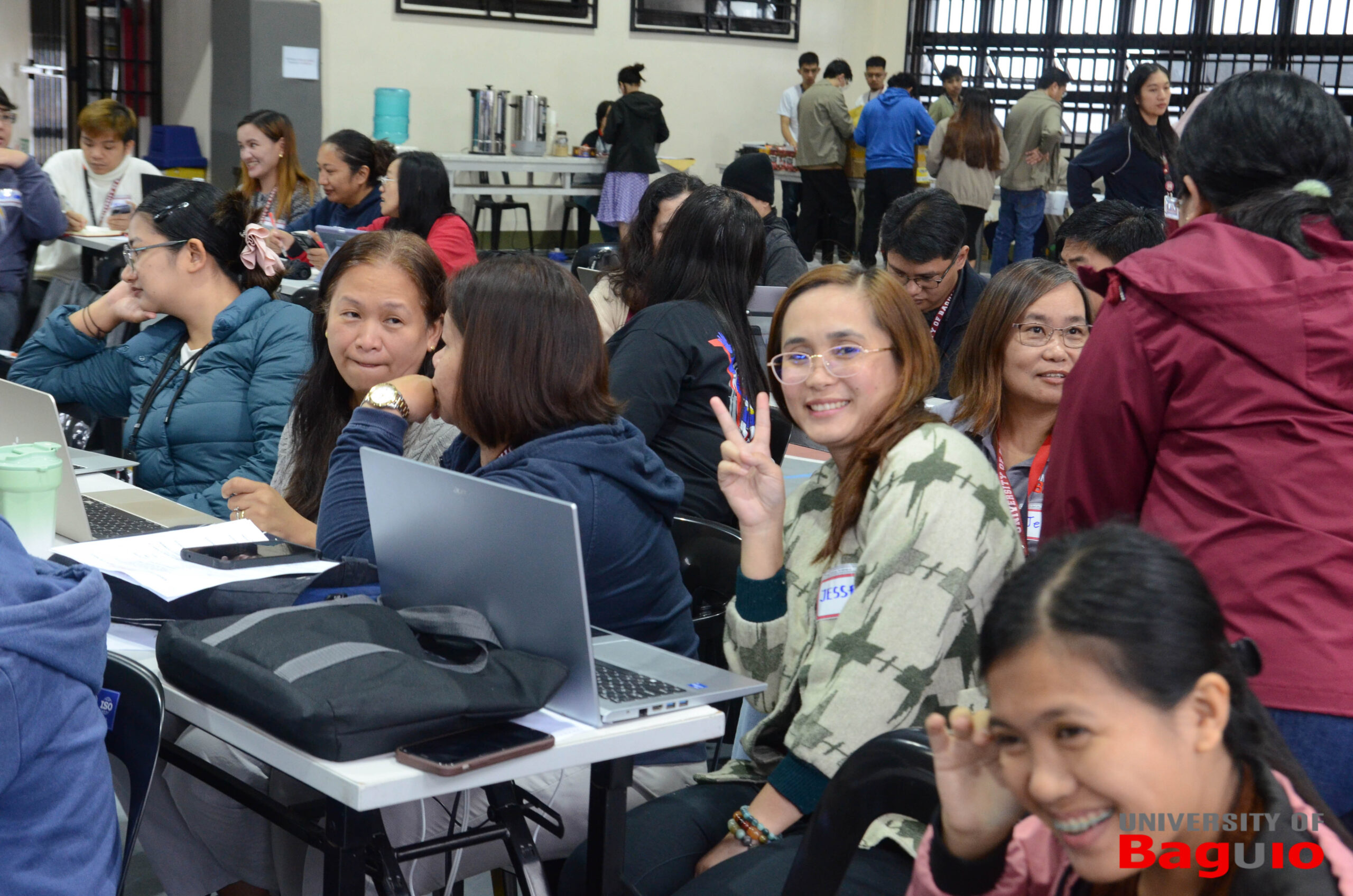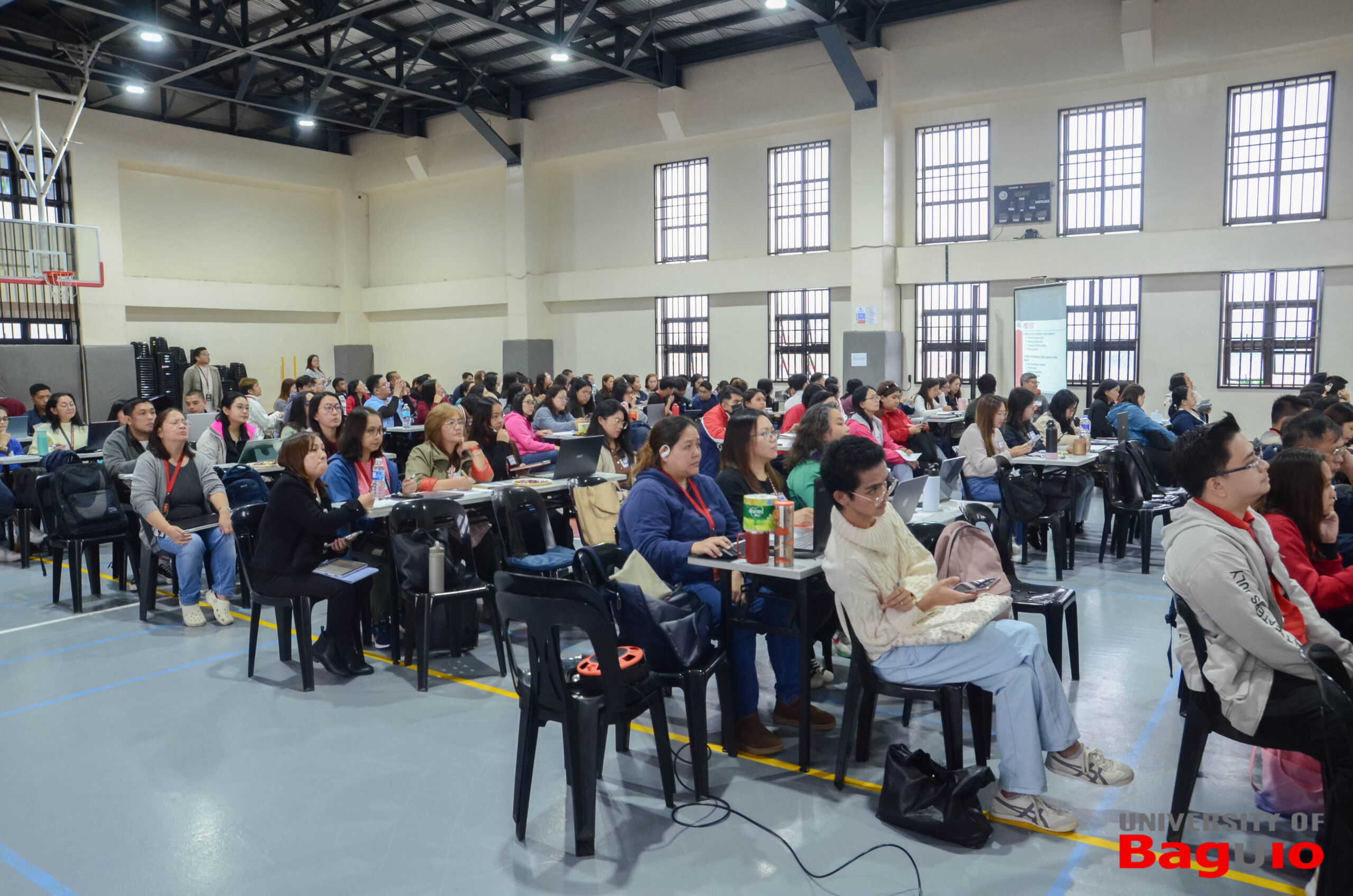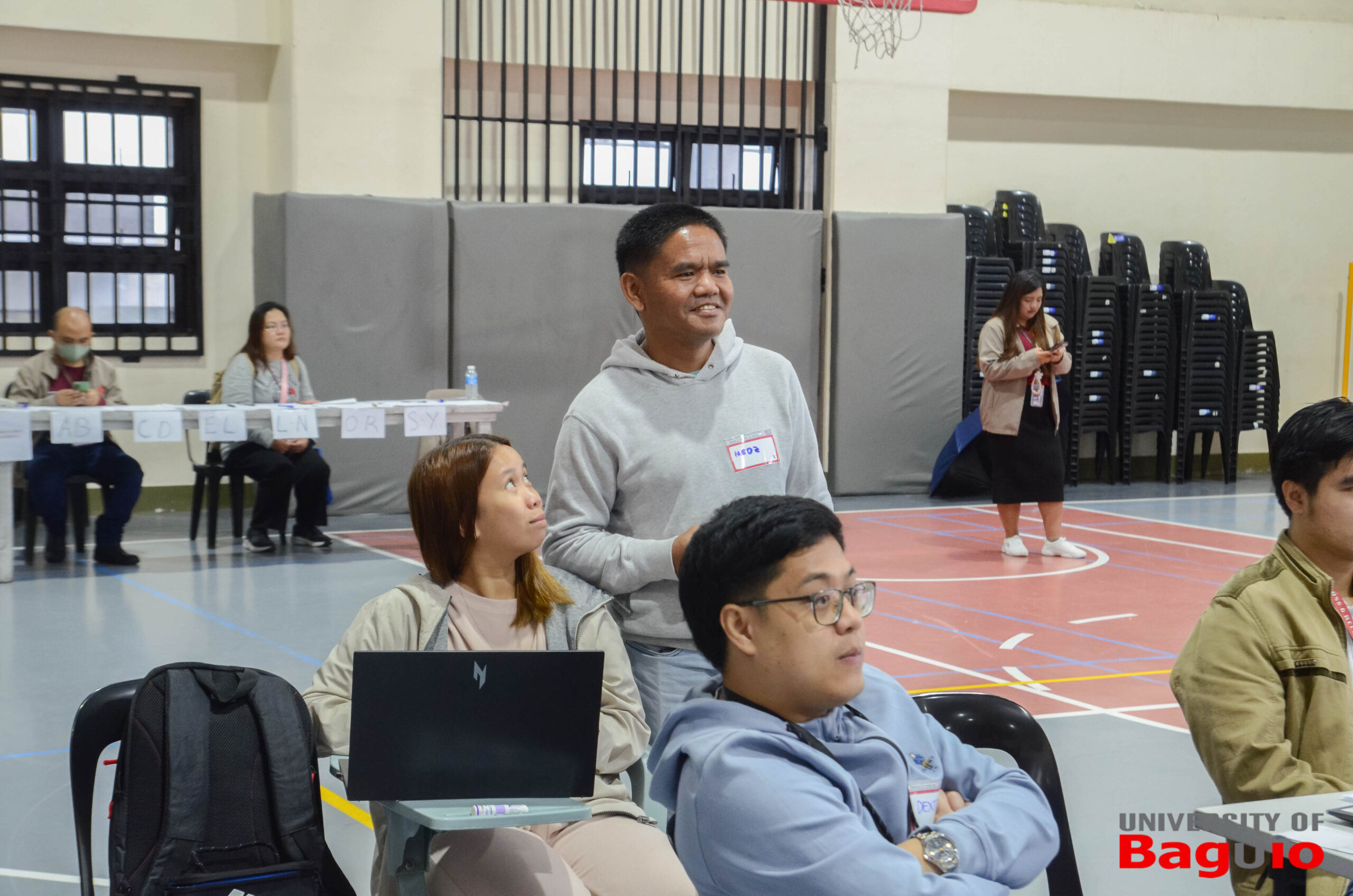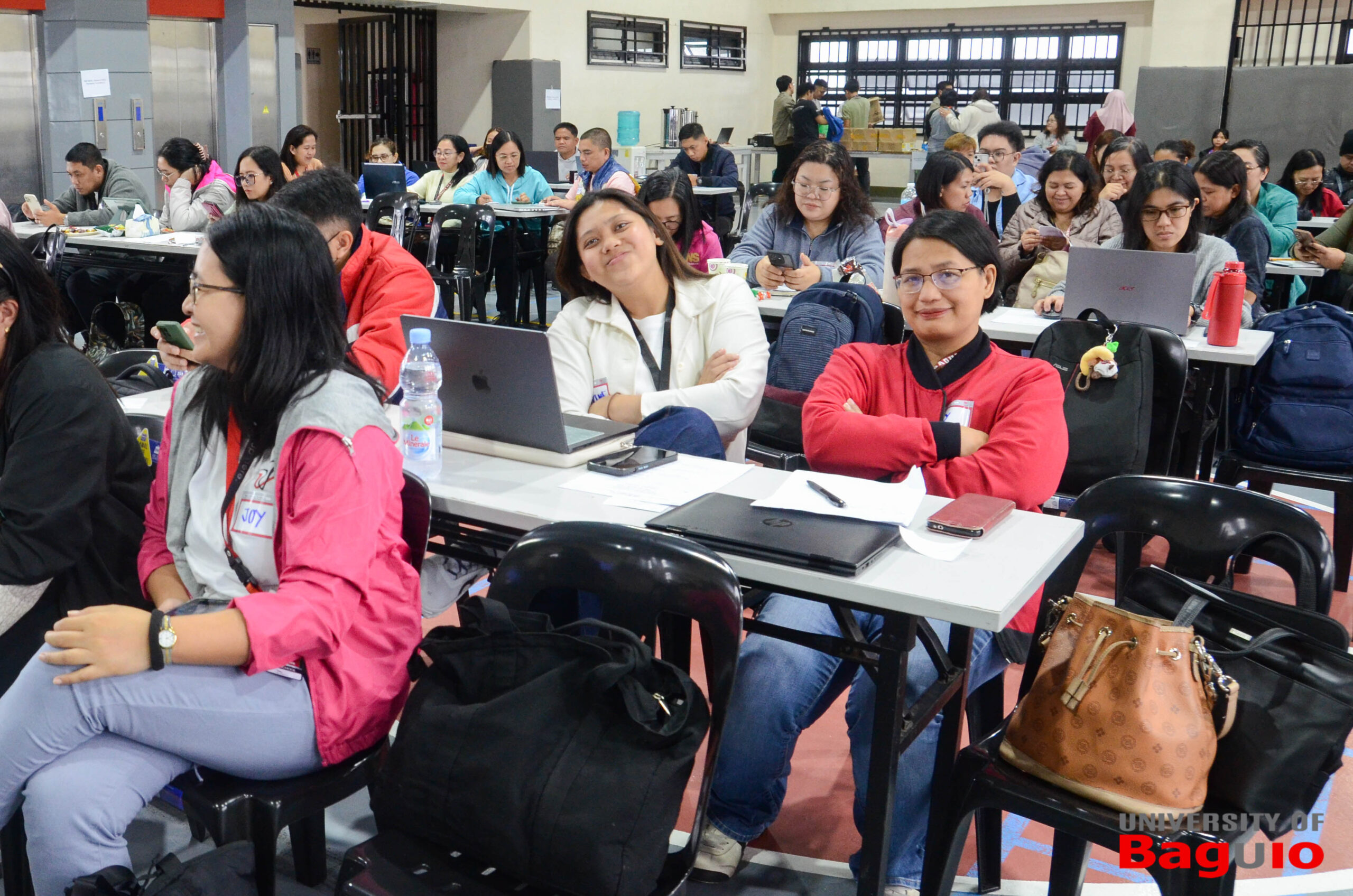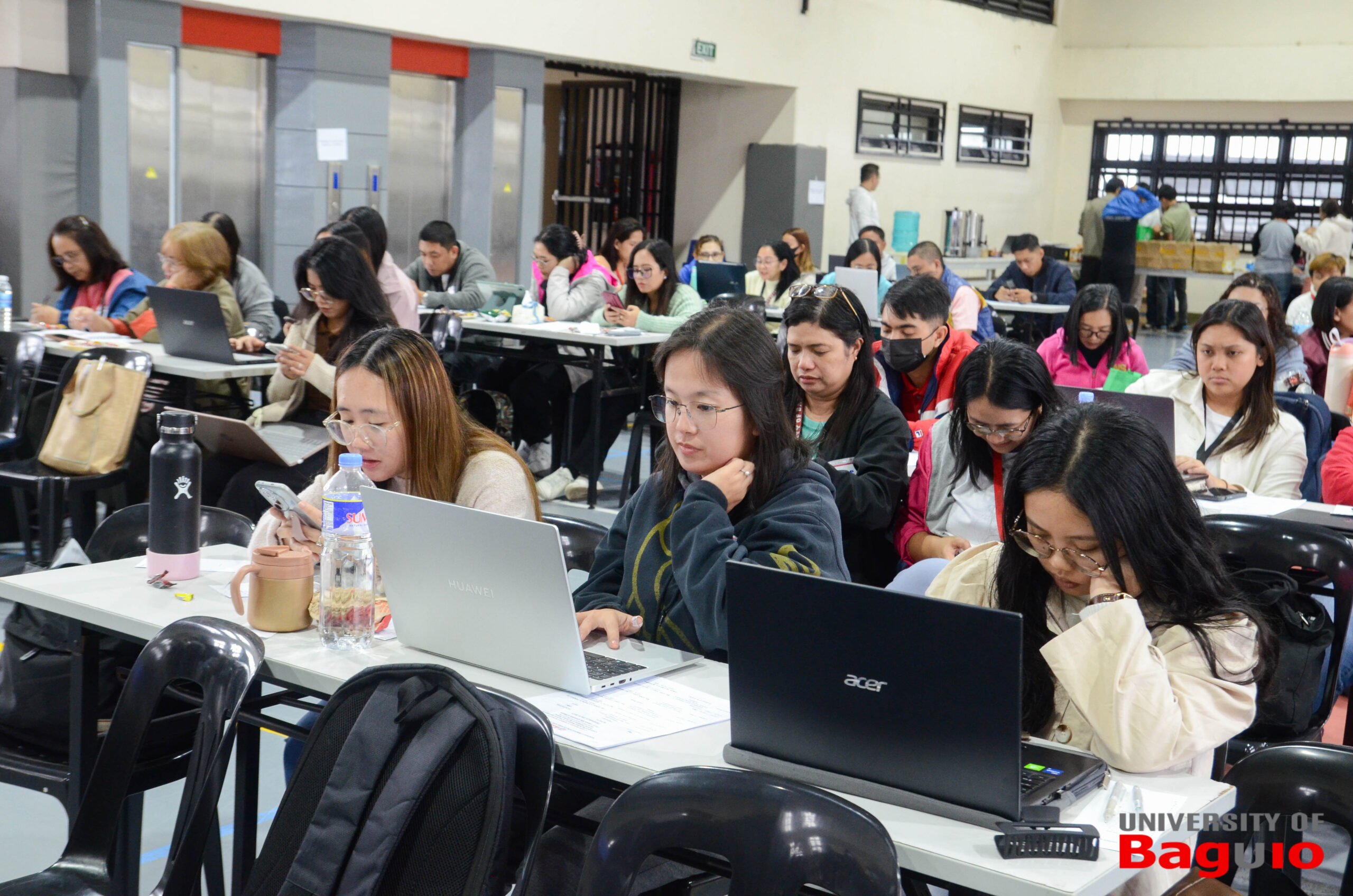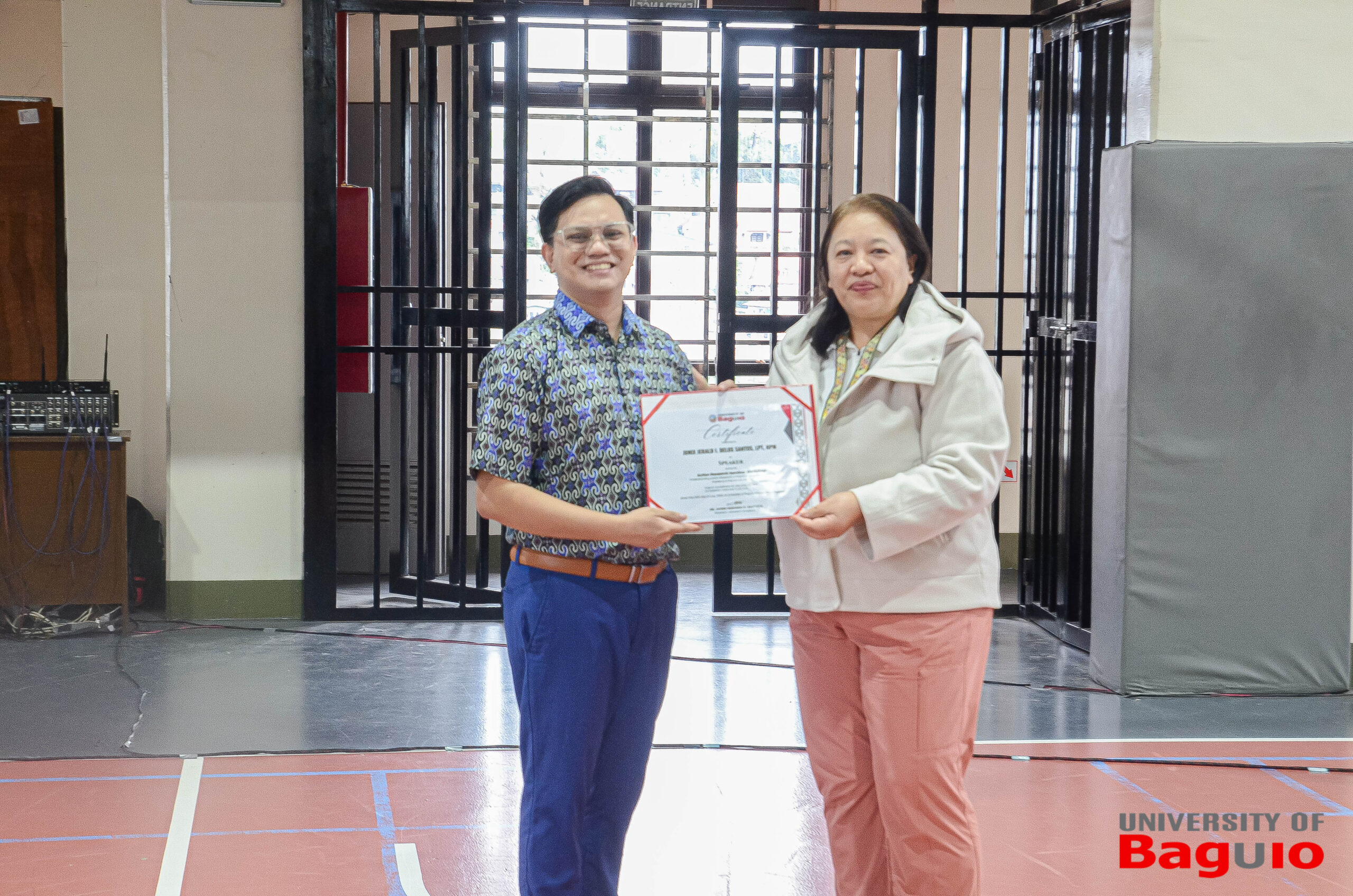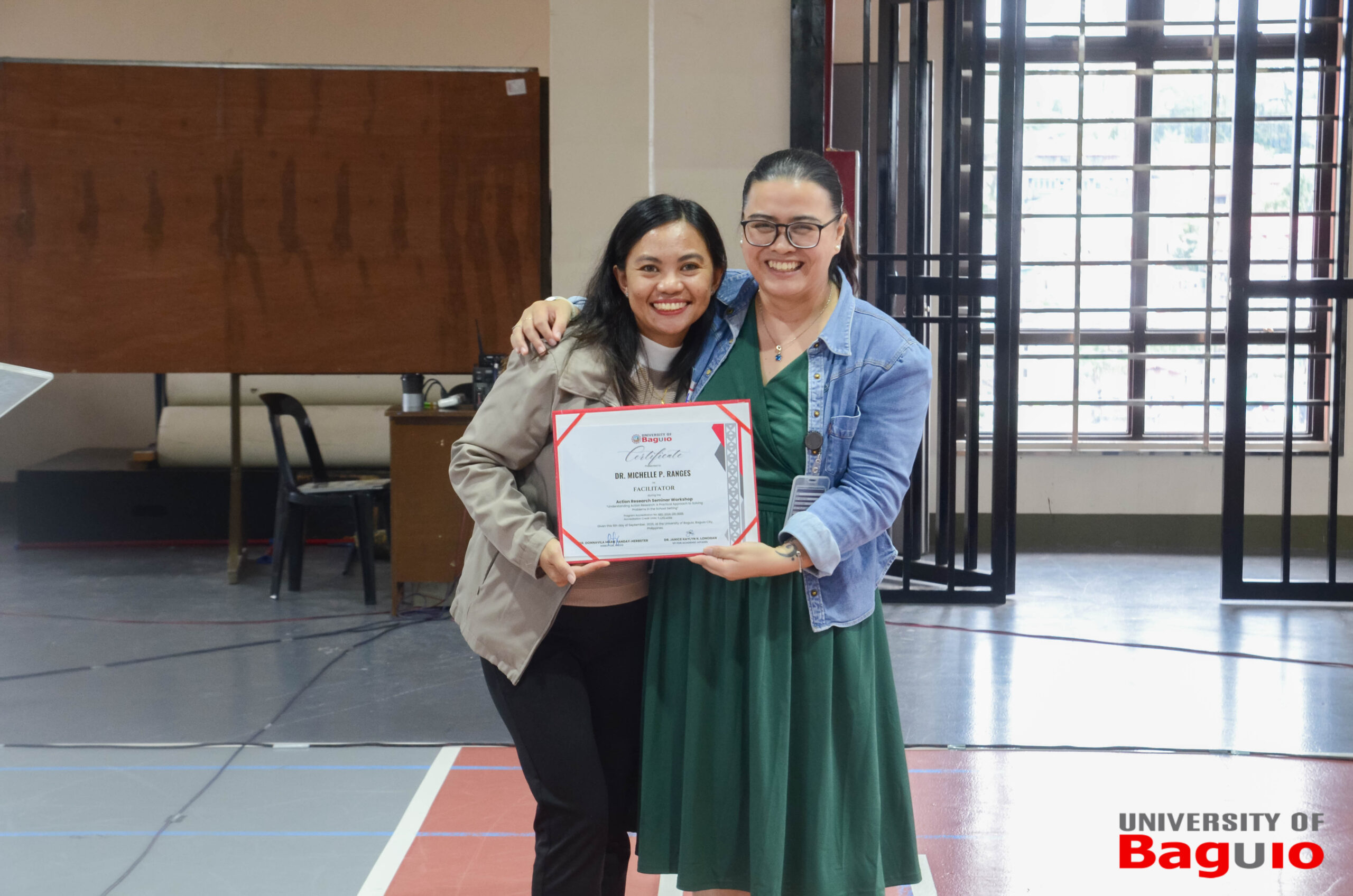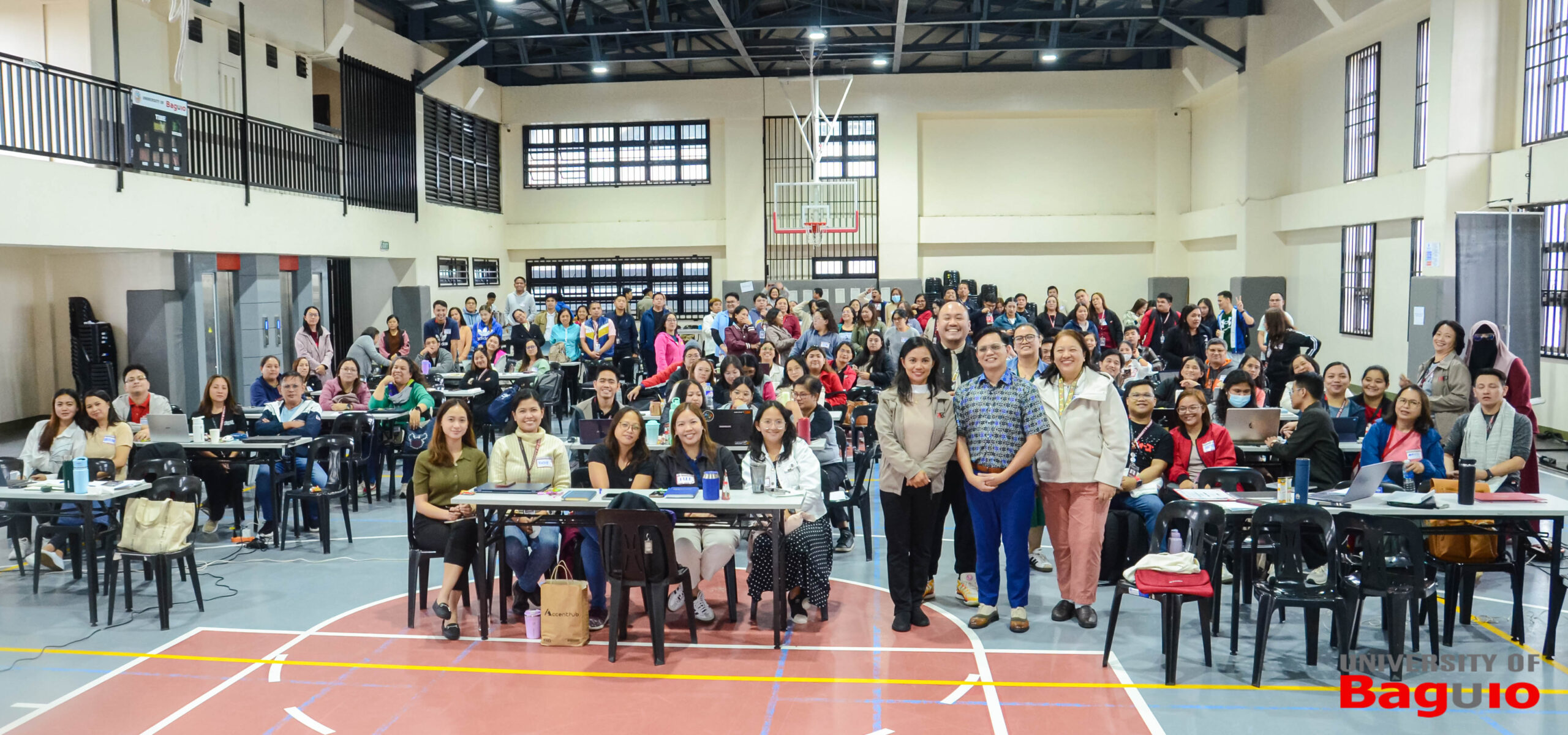
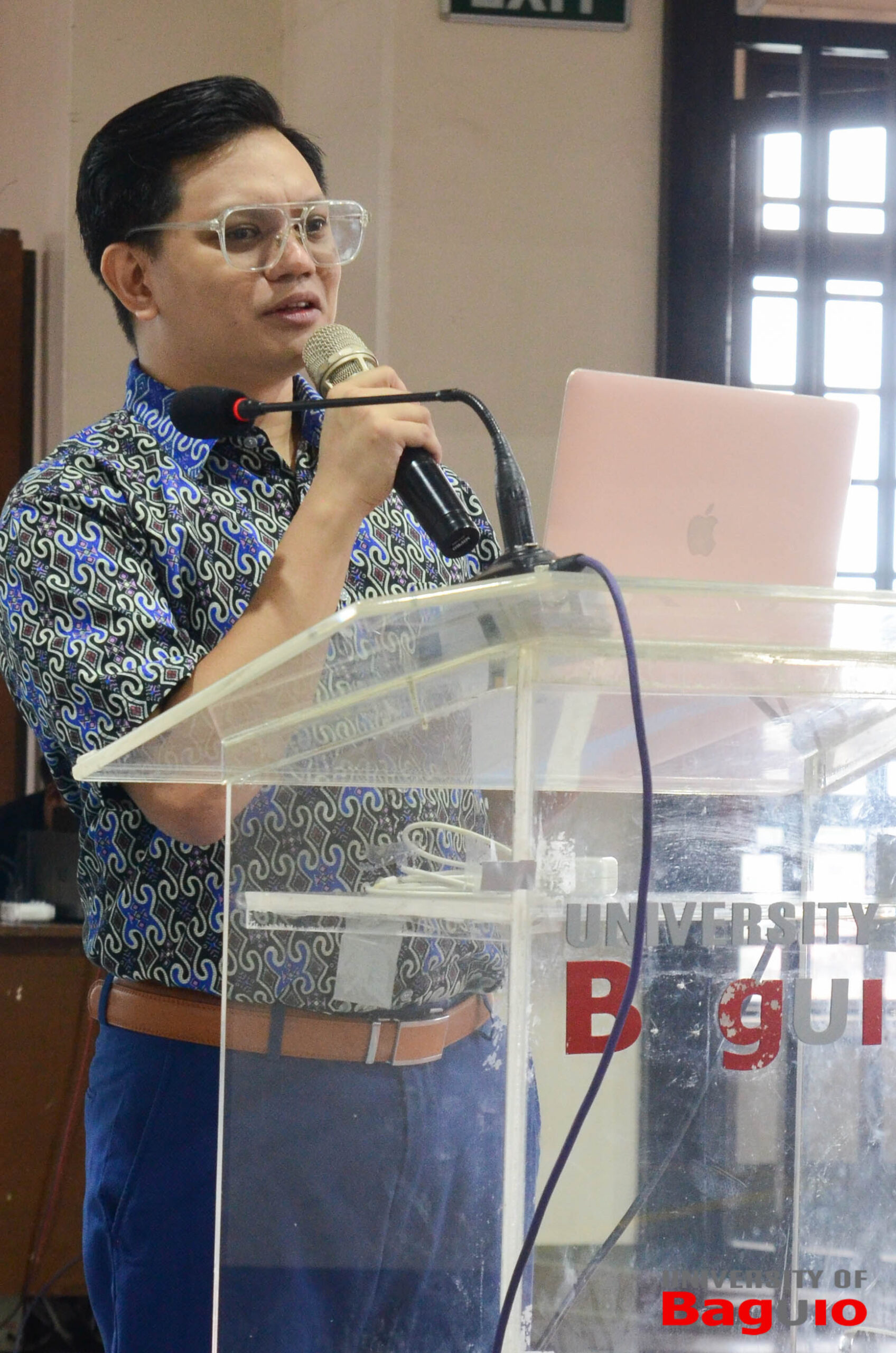
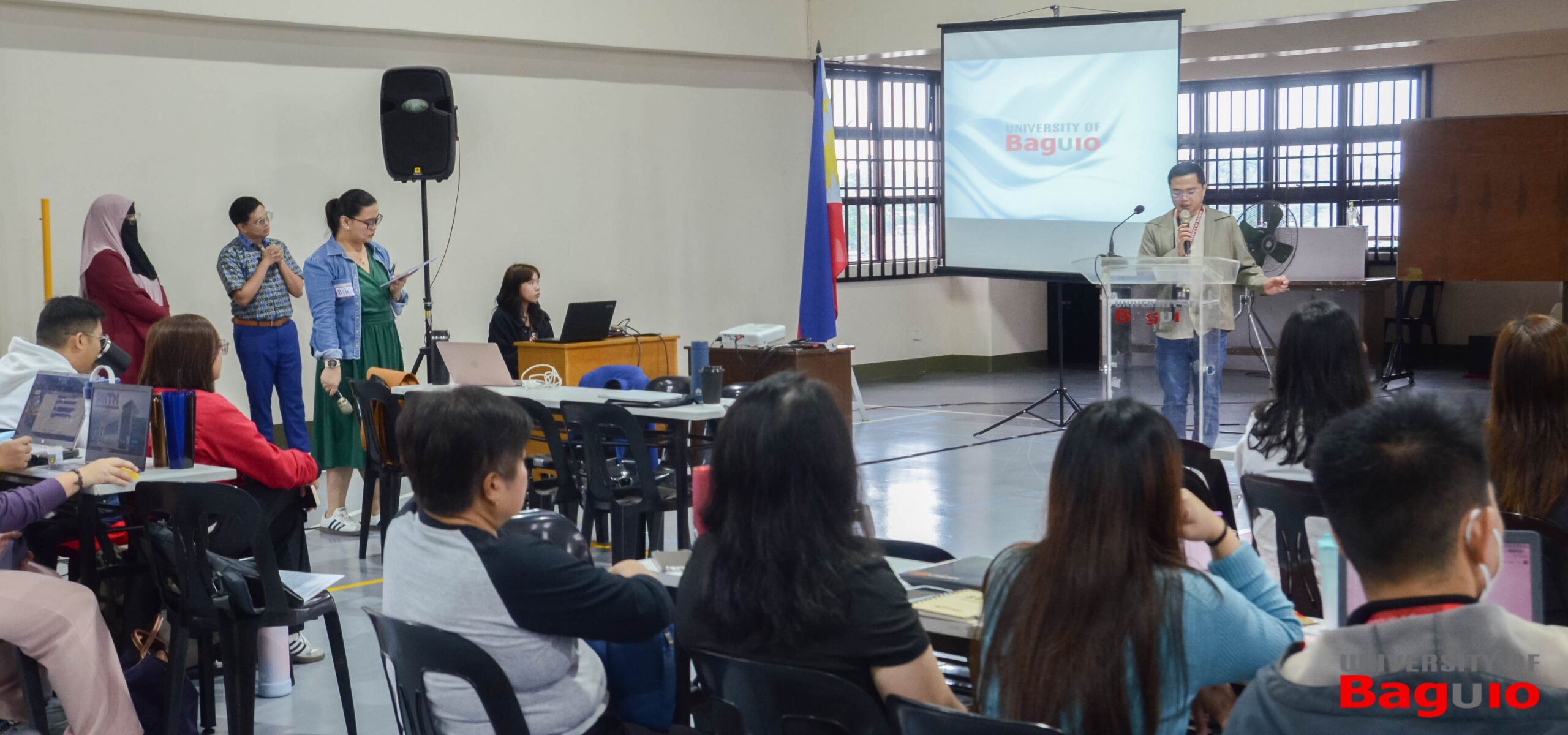
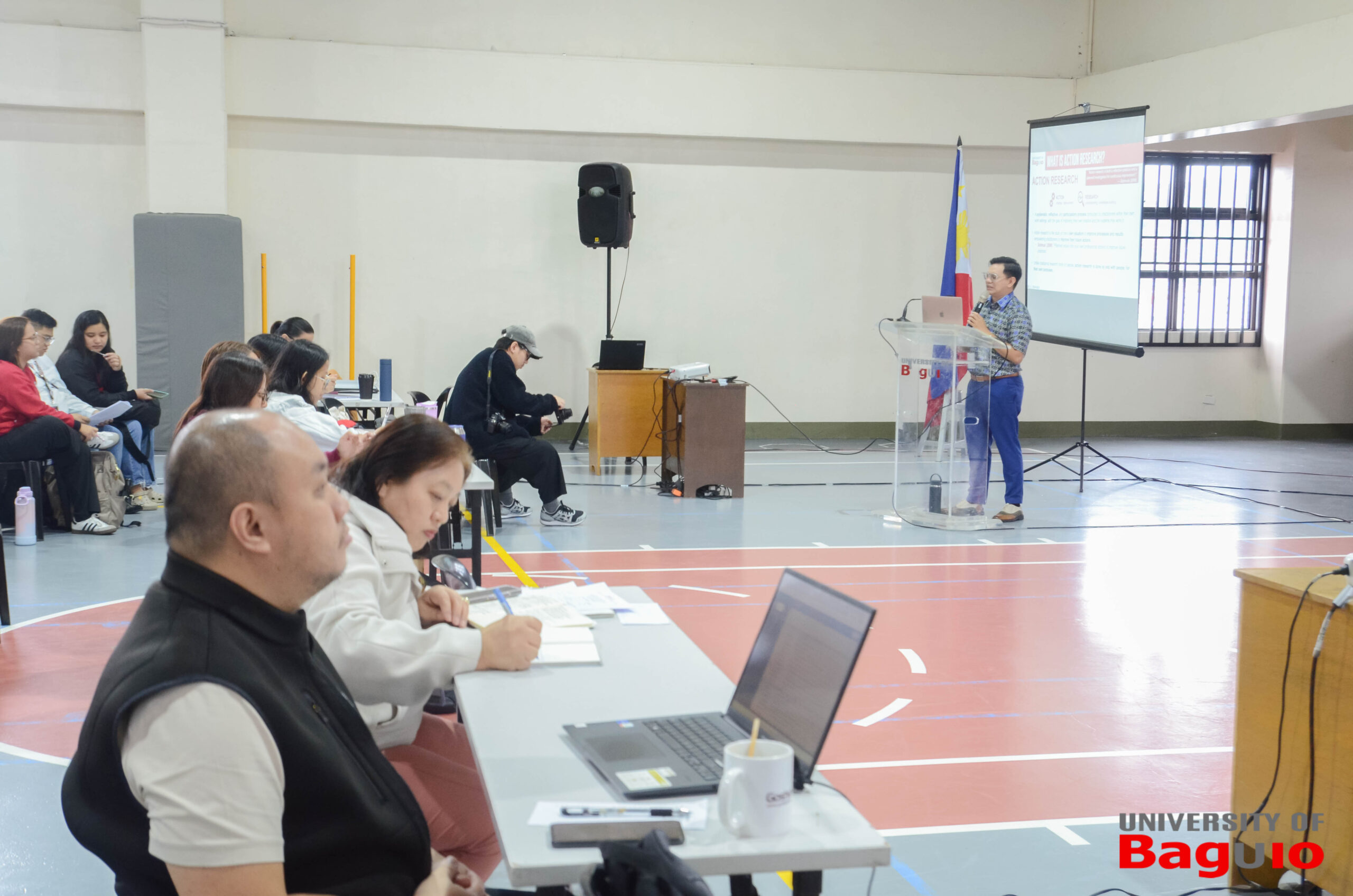
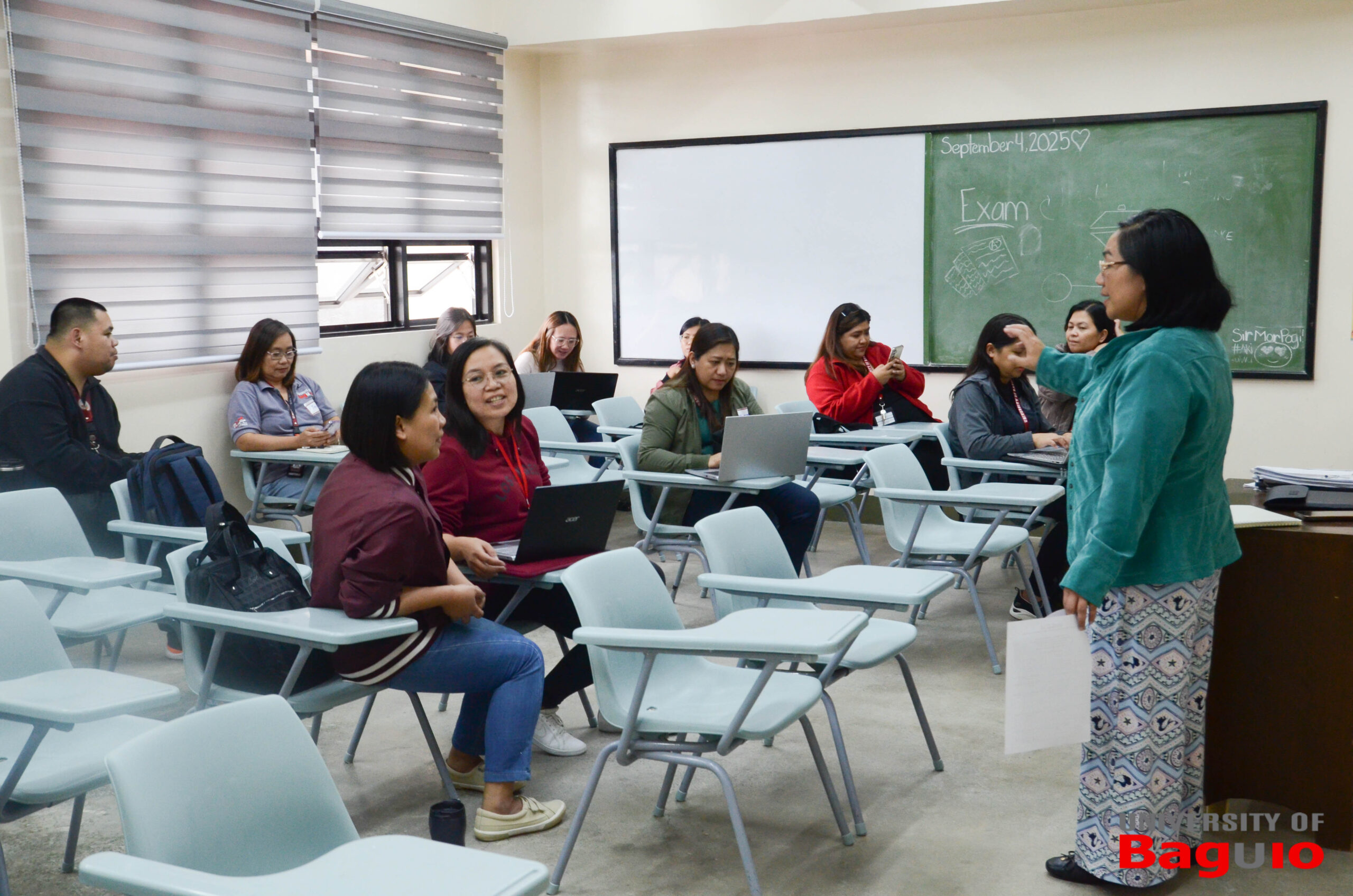
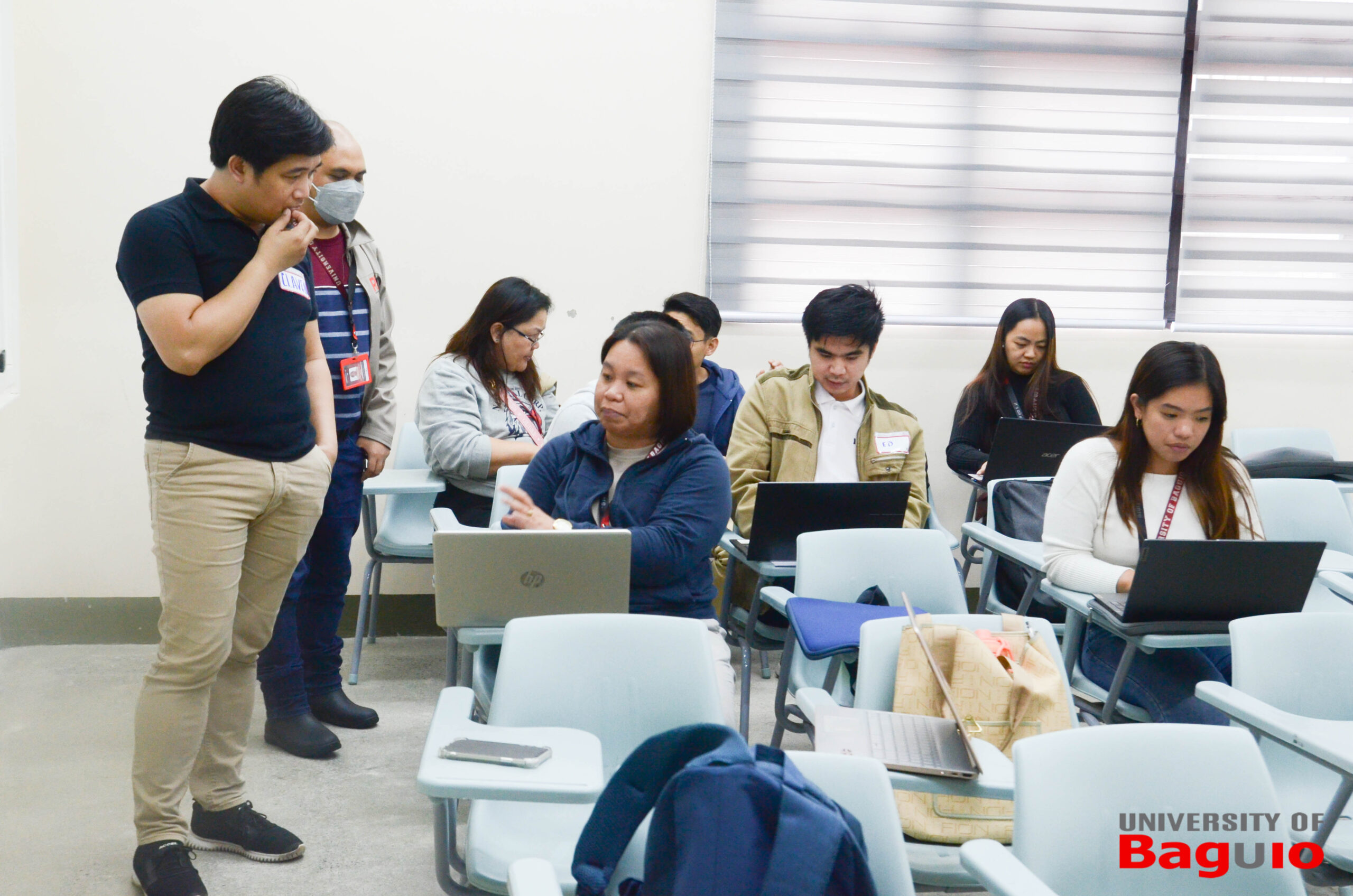
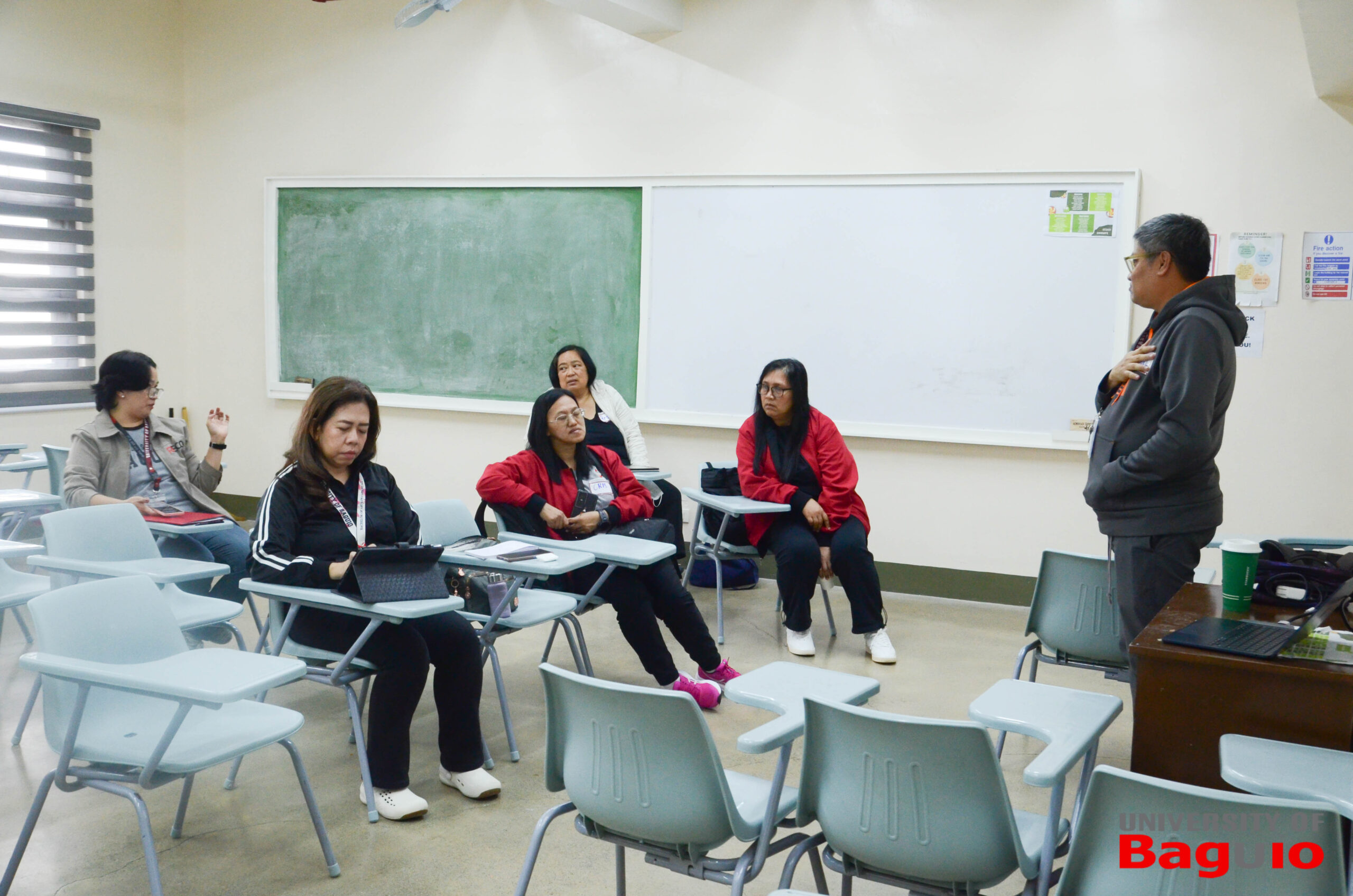
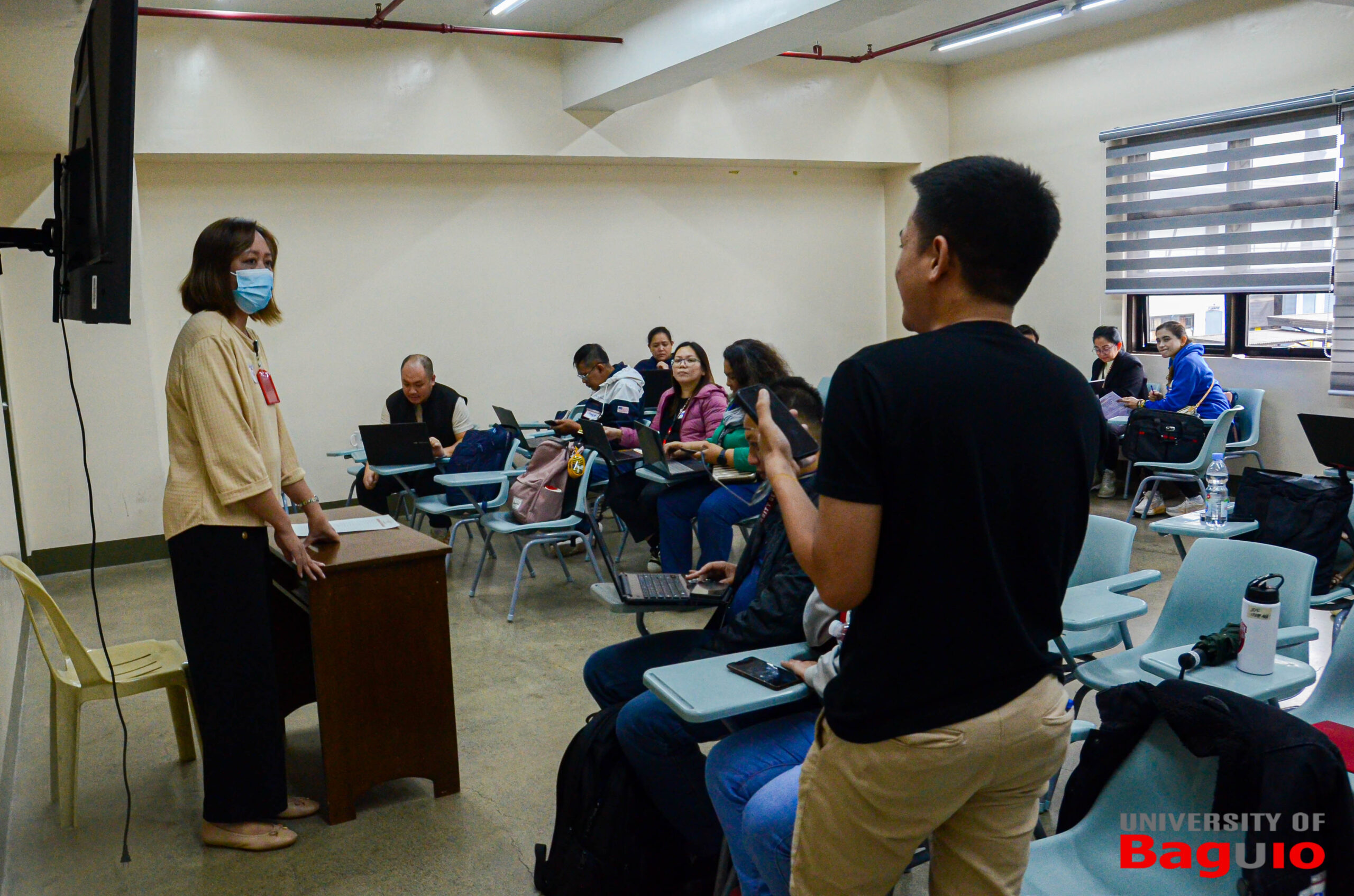
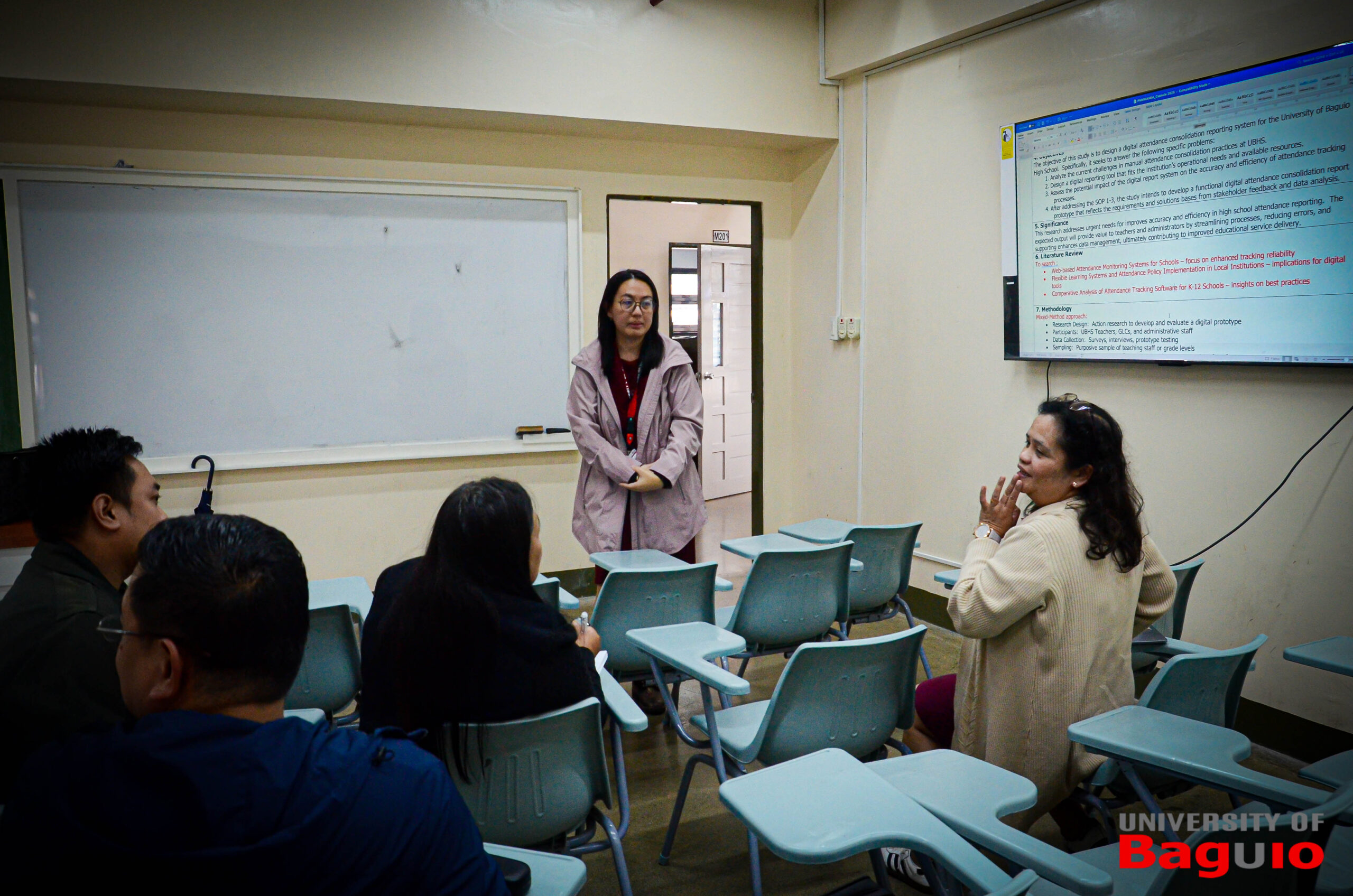
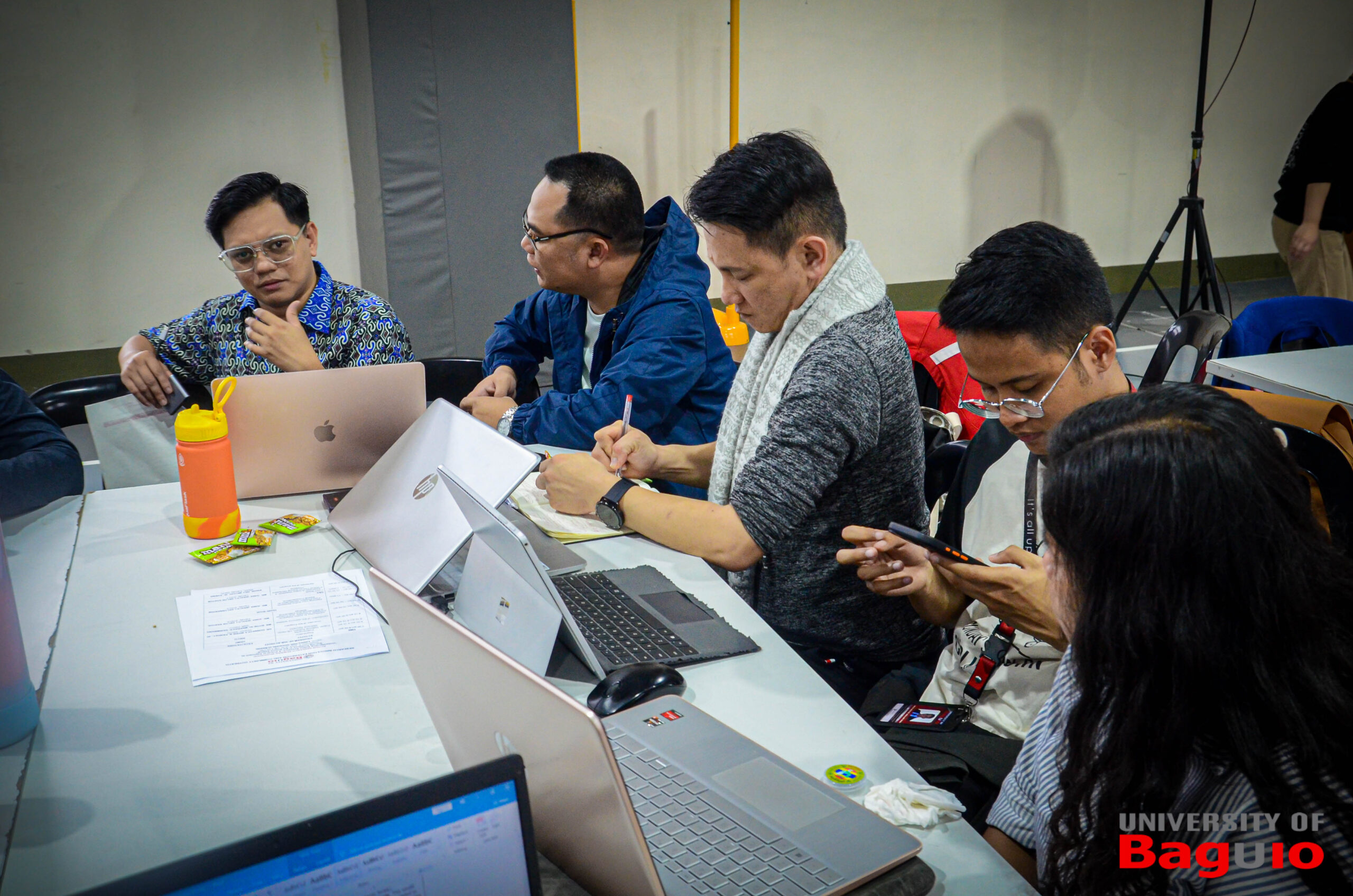
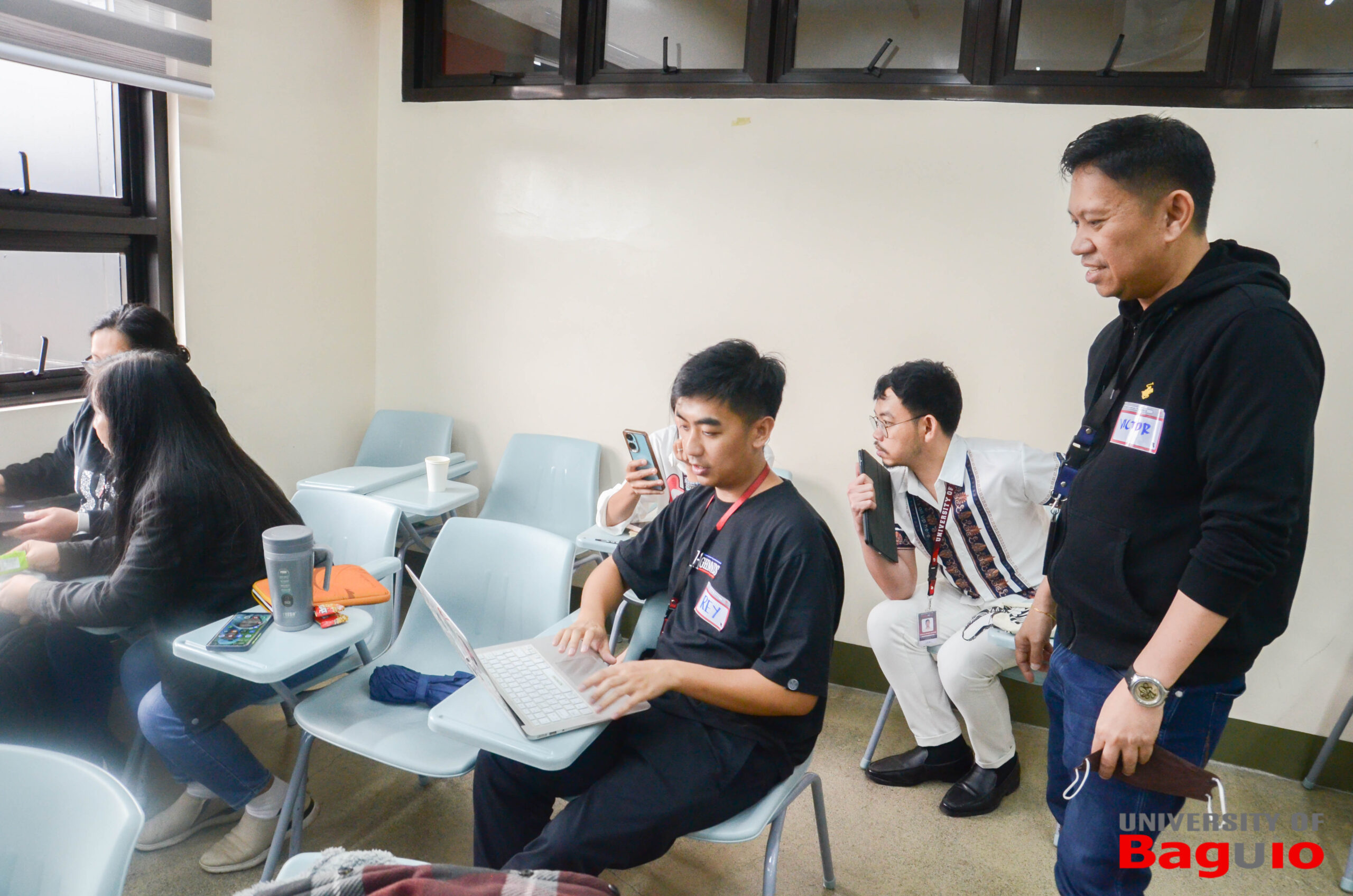
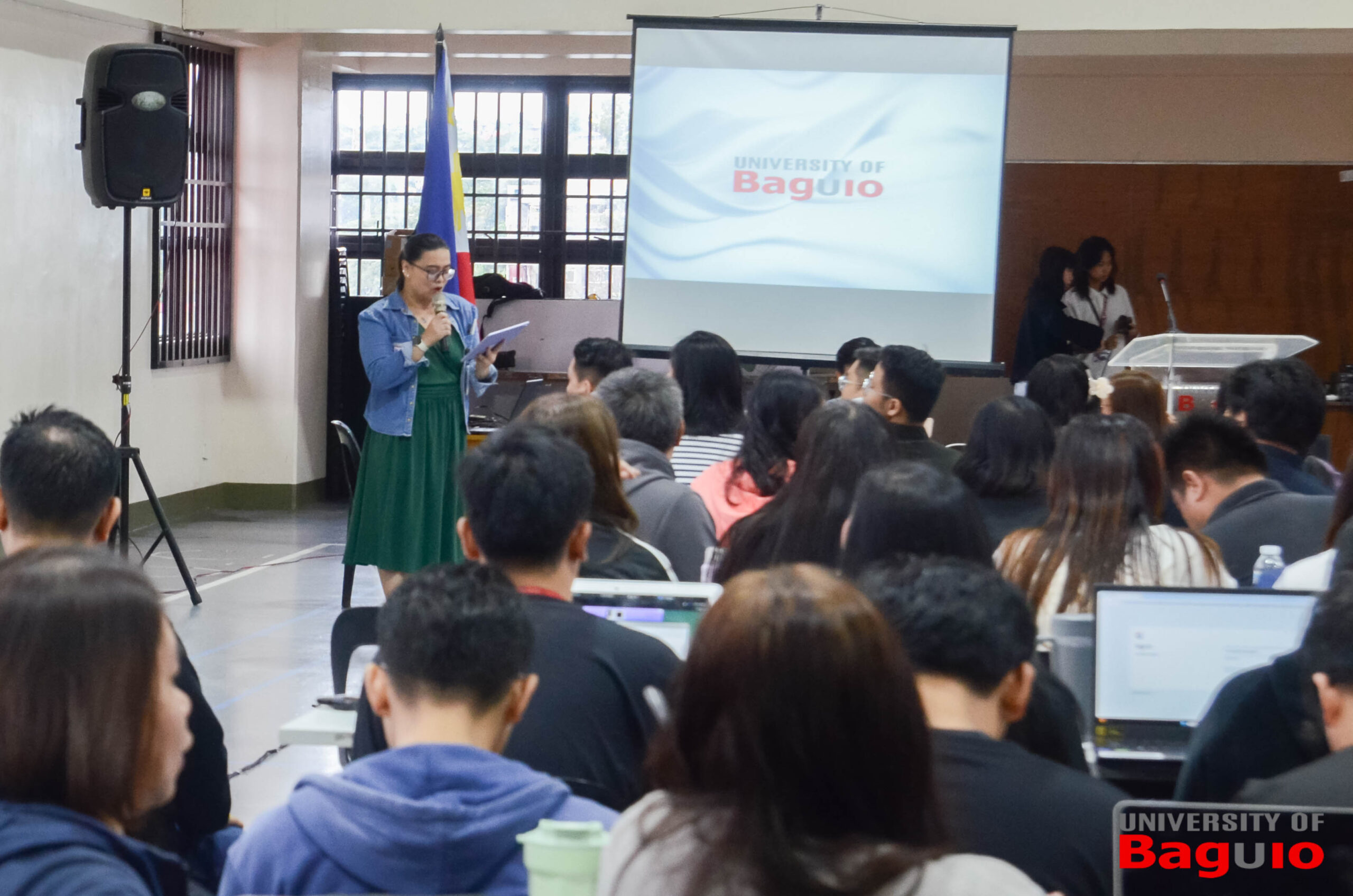
On September 6, 2025, the University of Baguio, through the Research Innovation Extension and Community Outreach (RIECO) Office, organized a seminar-workshop titled “Understanding Action Research: A Practical Approach to Solving Problems in the School Setting.” Accredited by the Professional Regulation Commission (PRC) as a Continuing Professional Development (CPD) program, the activity aimed to strengthen the institution’s research culture by equipping faculty and non-teaching staff with the knowledge and competencies needed to undertake action research in educational and institutional contexts. The event was attended by 135 participants and featured Mr. Junix Jerald I. Delos Santos, a distinguished researcher and faculty member of the School of Teacher Education and Liberal Arts (STELA), as the keynote resource speaker.
His lecture-discussions were organized around three major areas of concentration that formed the core of the seminar-workshop. The first, Introduction to Action Research: Concepts, Principles, and Purpose in Educational and Institutional Settings, provided participants with a comprehensive understanding of the nature of action research, its cyclical and iterative process, and its value as a tool for reflective practice and continuous improvement. The second, Planning Your Action Research: From Problem Identification to Ethical Considerations, guided participants through the essential stages of research development, which included identifying context-specific problems, formulating researchable questions, and integrating ethical principles to ensure the validity, reliability, and credibility of their studies. The third, Essentials of Action Research: A Practical Tool for Solving Workplace Problems, highlighted the applied dimension of action research by showing how it can address both recurring and emerging institutional issues. Taken together, these three areas offered a robust framework that enabled participants to appreciate the theoretical foundations of action research, recognize its methodological rigor, and understand its practical significance in generating evidence-based solutions within educational and institutional contexts.
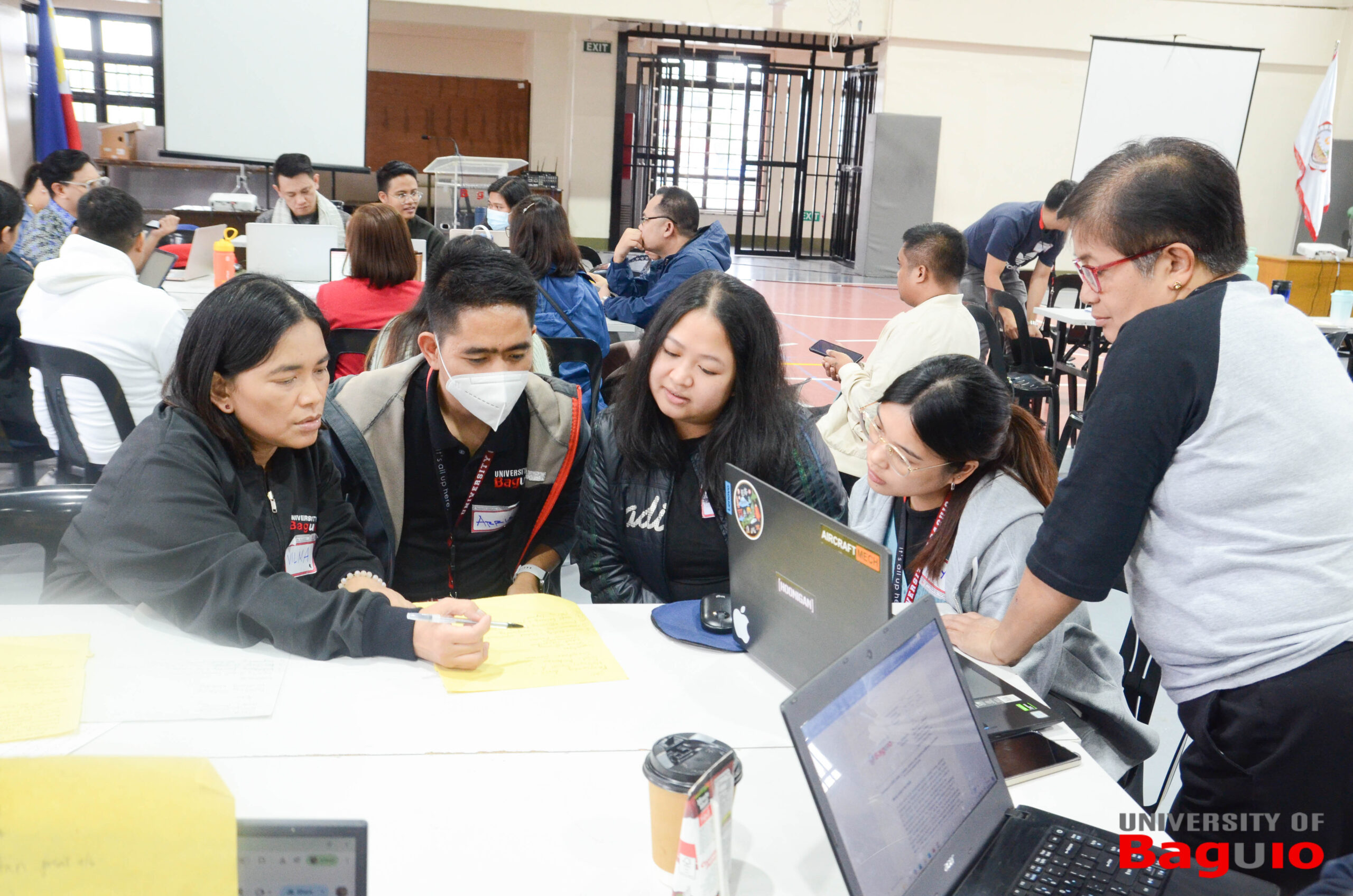
This initiative not only advances the University of Baguio’s institutional goal of producing action research that addresses concrete challenges in educational practice and institutional management but also contributes to the broader objectives of the United Nations Sustainable Development Goals (SDGs). Specifically, it supports SDG 4: Quality Education by strengthening the professional development of educators and integrating research-driven strategies into teaching and learning, and SDG 9: Industry, Innovation, and Infrastructure by fostering innovation and promoting solutions that respond to both institutional and community-based challenges. Through this CPD-accredited initiative, the University of Baguio not only reaffirms its commitment to advancing research excellence, professional growth, and community-responsive scholarship but also underscores the transformative role of action research as a vehicle for institutional advancement. By capacitating faculty and staff to systematically investigate and address authentic challenges within their contexts, the university fosters a culture of inquiry that bridges theory and practice, promotes reflective and evidence-based decision-making, and drives continuous innovation in both pedagogy and organizational processes. In doing so, the University of Baguio strengthens its position as a catalyst for educational reform and institutional development, contributing meaningfully to the broader goal of building resilient, responsive, and socially engaged academic communities in service of society.